Connect with us

Fertility

The Polish start-up aiming to transform the reproductive medicine sector

Published

on

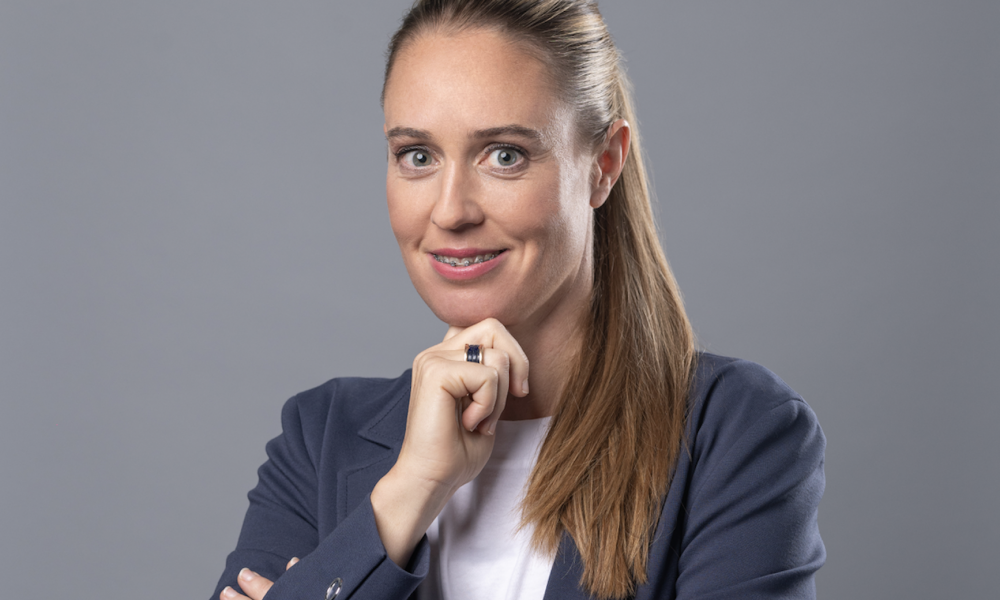
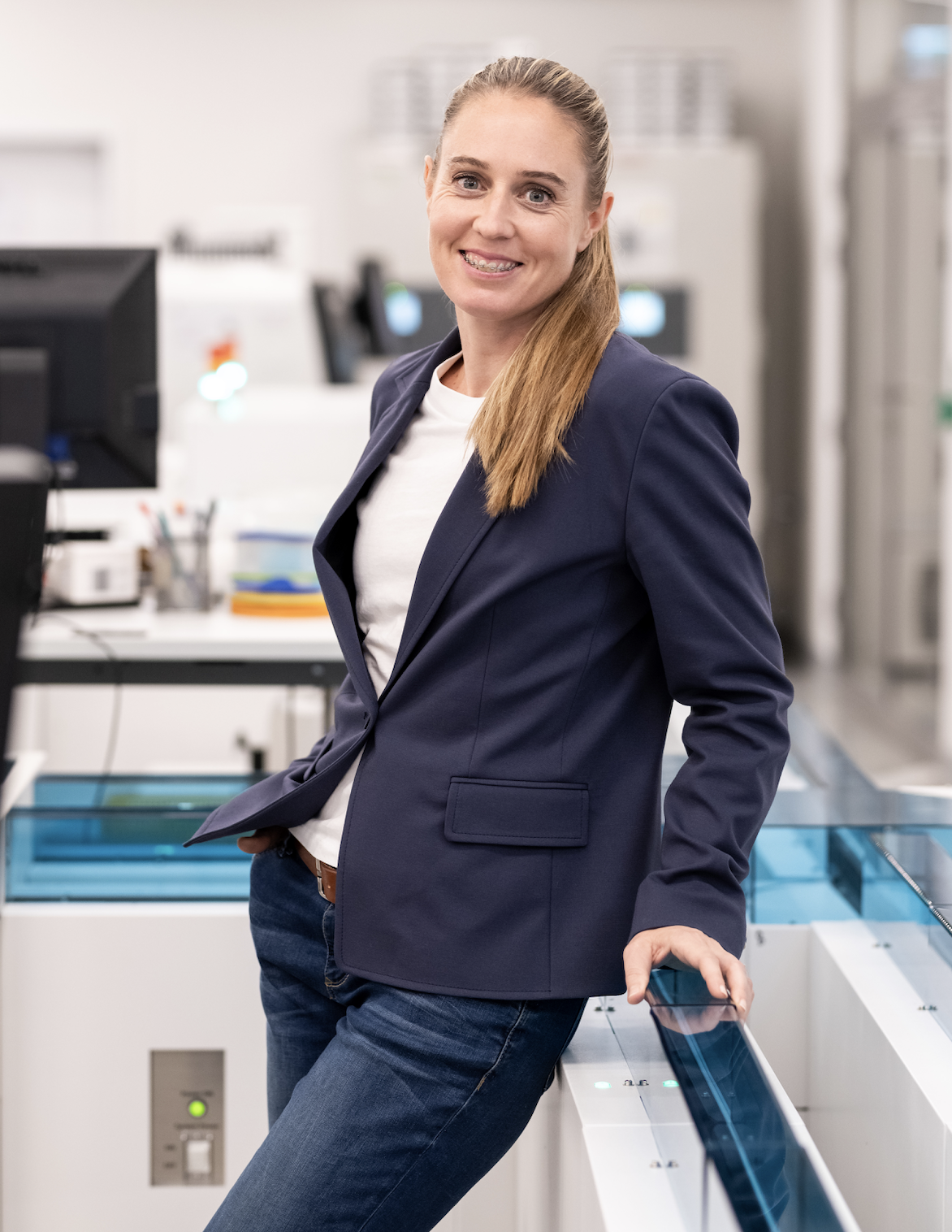
Ula Sankowska, MIM Fertility co-owner and co-CEO

AI start-ups have emerged as the newest players in the tech world. We speak to Ula Sankowska, co-owner and co-CEO of MIM Fertility, one of Poland’s most exciting deep tech start-ups on a mission to revolutionise IVF.


How did MIM Fertility come about?

Ula Sankowska: I must admit that the idea was born from personal experience. For many years I was a patient of in-vitro clinics, my path to motherhood was long and winding.

I know what prospective patients go through and I know the shortcomings of the treatment. I want to help people to fulfil their dream of a desired child. If we manage to revolutionise infertility treatment, I will be able to say with a clear conscience that my lifelong dream has come true.

The second factor, for sure, that gave me an amazing kick to start MIM Fertility were the people who believed in the idea.

Here I am talking about Piotr Wygocki, co-CEO of MIM Fertility – a great Polish innovator and researcher. It was certainly his enthusiasm and faith in the idea that allowed us to develop and create technologies that today are commercialised globally.

How does your software help couples struggling to conceive?

US: With our AI-driven technologies we increase chances for people to become parents. We provide greater accuracy in the diagnostic and treatment process, reducing the time and cost associated with fertility treatments and leading to better outcomes for our customers.

We developed two software tools that promise to deliver these goals.

The first technology is EMBRYOAID – an application that supports skilled embryologists in choosing the most promising embryo for implantation.

Choosing the right embryo to be implanted for a woman is extremely important because it increases the chance of success, minimises complications and shortens the time to pregnancy.

The EMBRYOAID system learns how embryos develop over time and then our model uses this information to identify the best embryos for implantation.

By understanding the entire development process, the system is able to identify the right embryos even from just one image. This is a cheaper alternative to current analytical tools that are only available at the most expensive IVF clinics.

We believe that it will give clinicians the opportunity to choose the best embryo, thereby reducing the number of in vitro fertilisation cycles needed to achieve a successful pregnancy, improving the success rate and minimising the risk of multiple pregnancies.

Our other technology, FOLLISCAN, is an AI/ML software platform designed to identify, calculate and measure follicles of all sizes in a two-second sweep through the ovary during transvaginal ultrasound. This is a key test because it allows you to determine the fertility of a woman in a given cycle.

This test is performed several times during the IVF process itself and allows you to determine the timing of its individual stages.

Thanks to FOLLISCAN, the gynaecologist and medical staff will have access to highly specialised medical knowledge, so far reserved mainly for a small group of specialists.

In addition, the platform automates a large part of the activities that currently have to be performed by a human. This will significantly facilitate diagnostics in terms of the assessment of ovarian monitoring, as well as the development of follicles.

FOLLISCAN, we think, will improve the diagnosis of female fertility and contribute to the use of treatment methods that are better suited to the patient’s needs, increasing their effectiveness.

What makes your technology different?

US: In the case of FOLLISCAN we have a technology that can cooperate with any ultrasonographic machine, i.e., both 2D and 3D.

For example, our main competitors require us to use 3D mode, which is typically not used in the AFC examination but as well requires more advanced hardware.

As for EMBRYOAID, this is more about our transparent approach to the development of our tools that includes engaging into tests with clinics, explaining well limitations of our models, as well as working on the explainability of our tools.
Where are you with the business now?

US: We are offering our technologies to IVF centres and clinics globally. Starting from January this year, the MIM family have joined 15 IVF clinics from different continents.

We are truly happy that by empowering clinics with our AI-driven software, we have a real impact on the decisions making by doctors and thus influence the treatment of patients.

Our software was created with passion and with the conviction that, above all, it must provide real value to people who use it.

Our motto is quality. Solid and robust algorithms are solutions you can trust. We do not want to hand over something that would not be effective and transparent.

What are your long-term goals?

US: We aim to introduce AI into further aspects of the IVF process. Starting from individual and personalised patient care, through deeper understanding of factors that are important for the IVF procedure itself, and ending with AI support for pre and post implantation treatment.

It is important to stress that we are a deep-tech company, i.e., research that leads to the development of our products can take even years.

Hence, we have already started some of these research projects as well as are planning further development works. We truly believe that AI can greatly improve IVF and make it more accessible.

Some clinicians remain sceptical of the benefits of AI to their work. How do you deal with such perceptions?

US: There is almost no doubt that AI will become the technology of the 21st century and will enter into more and more aspects of our jobs and lives.

Such disruptive technologies usually raise questions and doubts as their introduction is clearly visible. Hence, we need to engage in education of the public on two levels.

First, we need to familiarise the public that this technology is helpful, for example by explaining that image editing or styling tools are based on cutting edge AI.

Second, we need to educate our users on how to apply our tools and what their limitations are. In order to build trust in our solutions, we take special care to make them robust and explainable.

Do you think we need more AI education in healthcare?

US: Certainly and MIM Fertility engages into this process in the context of fertility care. We present widely our solutions on specialistic conferences devoted not only to IVF but targeted at gynaecologists.

We are also inviting a wide range of IVF clinics to test our tools, giving them an opportunity for discussions and further explanations.

However, AI education is quite challenging, as fully understanding these methods requires deep mathematical knowledge.

Where do you see fertility care in ten years’ time when it comes to technology advances?

US: AI understands complex processes and dependences much better than we humans. This technology will only reveal its full potential when more aspects of IVF are digitised and amenable for analysis.

Only then will we be able to fully understand the process and help more people become parents.

For more info, visit mimfertility.ai.

Fertility

Future Fertility partners with Japan’s leading IVF provider, Kato Ladies Clinic

Published

on

Future Fertility, a Toronto-based health technology company specialising in AI-powered fertility insights, has entered the Japanese market through a new commercial partnership with Kato Ladies Clinic — a globally recognised leader in IVF research and advancing clinical fertility care.

The collaboration marks Future Fertility’s first partnership in Japan and reflects growing global demand for technologies that bring greater objectivity and personalisation to fertility care.

Kato Ladies Clinic will integrate the company’s AI-powered oocyte (egg) quality assessment tools into its clinical workflows, with the aim of supporting more informed treatment planning and patient counselling across IVF and egg freezing cycles.

“At Kato Ladies Clinic, we are committed to advancing fertility care through innovation while maintaining a strong focus on individualised, patient-centred treatment,” said Keiichi Kato, chief executive officer.

“Partnering with Future Fertility enables us to integrate objective, data-driven insights into our clinical approach and better support our patients in making informed decisions.”

Future Fertility’s platform analyses images of oocytes using artificial intelligence trained and validated on a dataset of more than 650,000 unique oocyte images.

The technology is already in use at more than 300 clinics across more than 35 countries, helping clinicians better understand the developmental potential of individual eggs and provide patients with more personalised insight earlier in their treatment journey.

From Research Collaboration to Clinical Adoption

The partnership between Future Fertility and Kato Ladies Clinic began as a scientific research collaboration in 2024, marking the first use of AI-powered oocyte quality assessment in Japan.

The collaboration not only validated the technology in a new patient population and across diverse clinical protocols — including minimal stimulation cycles —but also resulted in a peer-reviewed publication in Reproductive BioMedicine Online (RBMO) and a poster abstract presentation at ESHRE 2025.

The joint research explored how AI-derived oocyte quality scores relate to early embryonic development and overall treatment outcomes. In a retrospective study conducted at Kato Ladies Clinic, researchers analysed nearly 2,800 mature oocytes across more than 1,300 ICSI cycles, linking image-based assessments of egg quality to key developmental milestones.

The study demonstrated that lower AI scores were associated with reduced fertilization rates, delays, and abnormalities in early embryo development, increased developmental errors, and lower-quality blastocyst formation.

Notably, the researchers also found that cumulative oocyte scores were a stronger predictor of live birth outcomes than the number of eggs retrieved — underscoring the importance of assessing egg quality alongside quantity.

“Our collaboration with Future Fertility has demonstrated how artificial intelligence can uncover meaningful biological differences between oocytes that were previously difficult to quantify,” said Kenji Ezoe, senior scientist.

“Bringing this technology into routine clinical use is an important step toward translating research into improved patient outcomes.”

Future Fertility’s VP of clinical embryology & scientific operations, Jullin Fjeldstad, noted that the findings provide important clinical validation.

“Our joint research with Kato Ladies Clinic has shown how AI-based oocyte assessment can be directly linked to numerous embryo development outcomes, from fertilization through early developmental milestones and blastocyst formation,” she said.

“We are excited to see this work translated into clinical practice.”

Growing Demand for Fertility Care in Japan

The partnership comes at a time when demand for fertility treatment in Japan continues to rise.

The country performs over 450,000 fertility treatment cycles annually, making it one of the largest markets globally. Delayed childbearing and evolving societal trends have also contributed to increasing interest in egg freezing.

As patients seek more clarity and personalization in their care, tools that provide earlier insight into reproductive potential are gaining traction.

“Entering the Japanese market with a partner like Kato Ladies Clinic is a significant step forward for our global commercial strategy,” said Rafael Gonzalez, Future Fertility’s VP of global sales & strategy.

“It reflects the growing demand for technologies that support more transparent, data-driven fertility care across diverse healthcare systems.”

Expanding a Global Footprint

Founded in 1993, Kato Ladies Clinic is known for its pioneering work in natural and minimal stimulation IVF and has long been a leader in clinical innovation in Japan.

For Future Fertility, the partnership represents both a geographic expansion and a continuation of its broader mission to bring AI-driven insights into routine fertility care.

“We are proud to partner with Kato Ladies Clinic, a globally respected leader in IVF and a pioneer in reproductive medicine in Japan,” said Future Fertility’s CEO, Christy Prada.

“This partnership represents an important milestone as we expand into Asia and continue our mission to bring objective, personalised insights into fertility care worldwide.”

Future Fertility develops AI-powered tools designed to generate personalised insights across the fertility journey.

Its flagship oocyte assessment technologies analyse egg images to provide objective, individualised measures of egg quality, supporting treatment planning, patient counselling, and clinical decision-making in egg freezing and IVF, while also enabling more data-driven approaches to donor egg distribution and quality assurance.

As fertility care continues to evolve, collaborations like this one are helping shape a new standard — one that emphasises earlier insight, greater transparency, and more personalised decision-making for patients navigating increasingly complex reproductive journeys.

Continue Reading

Fertility

The 0th trimester: Reshaping the start of your pregnancy

Published

on

Article produced in association with London Pregnancy Clinic and Jeen Health

For many years, formal clinical involvement in a pregnancy began at the point of confirmation, typically around eight to ten weeks.

The concept of the ‘0th trimester’ represents a shift in thinking: that the period before conception is itself a clinically significant window, during which health optimisation, risk identification and informed planning can meaningfully improve pregnancy outcomes.

Guidance from Tommy’s and the NHS both recommend pre-conception care as part of responsible reproductive health management.

What Pre-Conception Care Involves

Pre-conception care is not a single test or appointment. It is a structured approach to assessing and optimising a woman’s health before she attempts to conceive.

The NHS guidance on planning a pregnancy recommends a range of measures including taking folic acid, reviewing medications for safety in pregnancy, ensuring immunity to rubella and chickenpox, and addressing pre-existing conditions such as thyroid disorders, diabetes or high blood pressure before conception occurs.

General pre-conception assessments typically include blood pressure and BMI review, full blood count and iron levels, thyroid function, immunity screening (rubella, varicella), vitamin D status and cervical screening if overdue.

For women with existing conditions, specialist review before pregnancy is often more valuable than specialist referral during it.

Fertility Investigations as Part of the 0th Trimester

For women who are planning a pregnancy but have concerns about fertility, pre-conception investigations provide information that informs planning rather than leaving uncertainty unaddressed.

Clinics offering 0th trimester services, including London Pregnancy Clinic, provide investigations including hysterosalpingo-contrast-sonography (HyCoSy) to assess tubal patency, follicle tracking scans, anti-Mullerian hormone (AMH) testing to estimate ovarian reserve, and endometrial assessment.

These tests do not guarantee conception but they provide a clinical foundation from which fertility decisions can be made with better information.

Genetic Assessment in Pre-Conception Care

The genetic dimension of pre-conception care is increasingly central to a thorough 0th trimester assessment.

Genetic carrier screening before pregnancy allows couples to identify their carrier status for conditions such as cystic fibrosis, SMA and a range of other inherited disorders before conception, giving them time to consider their options with appropriate clinical support.

At-home carrier testing offered by Jeen Health provides access to comprehensive carrier screening without the need for a clinical referral.

Couples collect their sample at home and receive results within a defined timeframe.

When both partners carry a variant in the same gene, the result can be followed up with genetic counselling via clinics such as London Pregnancy Clinic, where clinical specialists can contextualise the findings and explain the available options.

Lifestyle and Nutritional Factors

Pre-conception health is not limited to clinical testing.

Lifestyle factors including physical activity levels, nutritional status, alcohol consumption and smoking all influence fertility and early fetal development.

Pre-conception care provides an opportunity to address these factors proactively rather than as an afterthought following a positive test.

Folic acid supplementation, recommended at 400 micrograms per day in the pre-conception period and the first trimester, is one of the most evidence-supported interventions available.

Why Timing Matters

Many of the interventions that benefit pregnancy are most effective when started before conception rather than after.

Addressing thyroid dysfunction, normalising blood pressure, treating iron deficiency anaemia, and identifying genetic risks all have a higher potential impact when managed from the outset rather than detected at the first antenatal appointment.

The 0th trimester framework provides a way of thinking about pre-conception care as a structured medical period with its own clinical agenda, rather than simply a waiting room for the first trimester.

What a Pre-Conception Appointment Might Look Like

A comprehensive pre-conception assessment with a specialist provider would typically cover a clinical consultation reviewing medical and family history, a pelvic ultrasound scan, blood tests for general health markers and fertility hormones, cervical health review if indicated, and a discussion of genetic risk including a recommendation for carrier screening if appropriate.

For couples with specific concerns about fertility or genetic history, specialist investigations can be added to this baseline assessment.

Disclaimer: This article is produced for informational purposes only and does not constitute medical advice, diagnosis or treatment.

Clinical guidance referenced reflects published NHS, NICE and RCOG standards as at March 2026. Individual circumstances vary; readers are advised to consult a qualified healthcare professional before acting on any information in this article.

This piece was produced in association with London Pregnancy Clinic and Jeen Health, which provided background clinical information for editorial purposes.

Hyperlinks to external sources are included for reference only and do not represent an endorsement of any product, service or organisation.

Continue Reading

Entrepreneur

Flora Fertility closes US$5m seed round

Published

on

Flora Fertility has raised US$5m in seed funding to roll out fertility insurance across the US, with plans to expand into Canada.

The round was led by ManchesterStory, with participation from Slauson & Co., TruStage Ventures, BDC Capital, Marathon Fund, Adara Venture Capital and strategic angel investors. Existing investors include Highline Beta, Everywhere Ventures and Cartography Capital.

Laura McDonald, co-founder of Flora Fertility, said: “Fertility is one of the largest uninsured financial risks people face, yet the system today only offers support once you’re already in crisis and often only if your employer provides it.

“We’re creating a new category where fertility becomes something you can proactively plan for, not just pay for when it’s too late.”

Flora says it is introducing a new InsurTech category with individually owned, portable fertility insurance designed to address a gap in healthcare cover.

The company says it wants to shift fertility from a reactive expense to a proactive, data-driven financial planning tool, using AI, personalised underwriting and risk modelling.

The platform lets people buy coverage without relying on an employer, helping it continue through job changes and different stages of life.

Flora’s policies cover a full range of fertility treatments, including diagnostics, medications, intrauterine insemination and in vitro fertilisation, with entry-level pricing starting at about US$20 a month.

The company estimates that infertility affects one in six people globally, while treatment costs can range from US$30,000 to US$50,000, leaving the vast majority of patients without access to care.

Flora says its platform currently reaches more than 10 million prospective policyholders across North America.

The funding will be used to expand Flora’s underwriting capabilities, scale distribution and further develop its platform as it seeks to establish a new market within women’s health and insurance.

Nicole Gunderson, partner at ManchesterStory, said: “Flora is building something that has never existed before, affordable, portable fertility insurance that meets the next generation of women exactly where they are.

“The InsurTech opportunity here is enormous, and the Flora team has the expertise, technology, and vision to define this category.”

Dr Christy Lane, co-founder of Flora Fertility, added: “Fertility has always been treated as unpredictable and uninsurable, but the data tells a different story.

“The earlier someone can access that coverage, the better their outcomes and the lower their costs, which is what makes this model so powerful.

“We’re turning fertility from a reactive medical expense into a proactive, data-driven financial decision.”

Continue Reading

Trending

Copyright © 2025 Aspect Health Media Ltd. All Rights Reserved.