




Endometrial immune profiling and precision therapy lead to higher live IVF birth rates
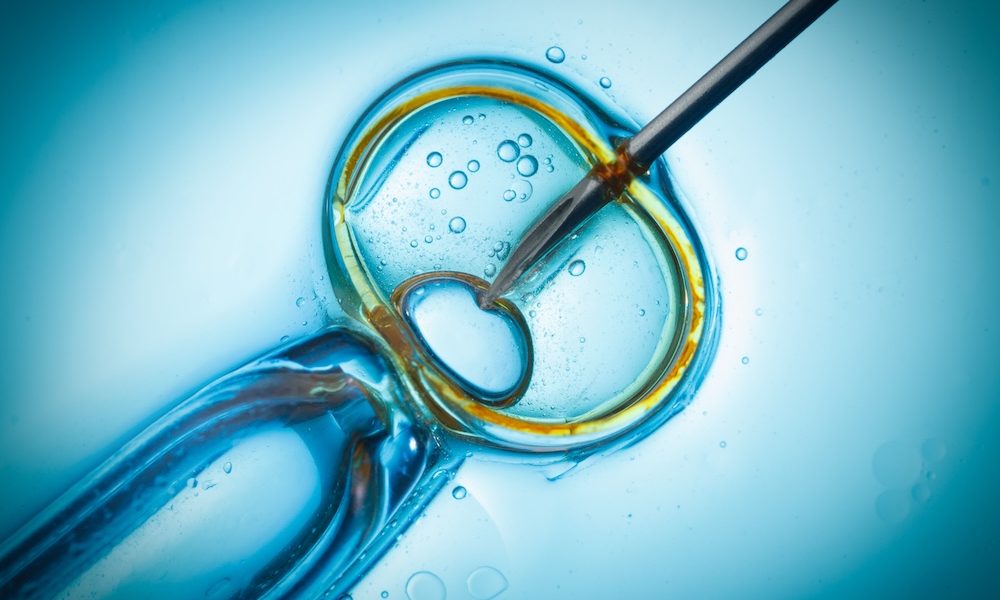
Clinical trials results have revealed that personalised treatment based on immune testing can significantly increase live birth rates from IVF.
According to the World Health Organization (WHO), 17.5 per cent of people experience infertility in their lifetimes. Assisted reproductive technologies (ART) have made progress, yet success rates remain low. The live birth rate per initial cycle is about 30 per cent for women under 35, a figure that declines rapidly with age.
The trial analysed the endometrial profiles of 484 patients, of which 78 per cent, or 378 patients, were found to have dysregulated endometrial immune profiles. The patients with dysregulated profiles were randomised into two groups, one receiving personalised care based on their immune profiles, and a control group receiving conventional care.
The trial showed that patients receiving personalised care based on UTIMPRO endometrial immune profiling test – developed by MatriceLabs – had a live birth rate (LBR) of 41.4 per cent, compared with 29.7 per cent for those in a control group receiving conventional care.

Results were particularly strong for patients with morphologically suboptimal embryos (39.6 per cent live birth rate vs 21.2 per cent in the control group), and for patients with two or more failed transfers (41 per cent LBR vs 25.5 per cent).
The article concluded that “based on these findings, endometrial immune profiling could become an essential part of routine assisted reproductive technologies practice.”
“For decades, the role of uterine immunity in IVF success has been debated, with many clinicians skeptical of immune testing and treatments due to limited evidence,” Dr. Nathalie Lédée, co-founder and chief executive of MatriceLab, said.
“Through this randomised controlled trial, we’ve demonstrated that identifying and addressing endometrial immune imbalances can significantly improve live birth rates.”
Dr. Laura Prat-Ellenberg, head of reproductive ,edicine at L’hôpital Pierre Rouquès – Les Bluets, and senior author of the publication, said: “While the focus has long been on embryo quality, we now have definitive evidence that the endometrial immune environment is equally crucial.
“With immune profiling and precision treatment, we’re not just improving success rates – we’re rewriting our understanding of why implantation fails and succeeds.”


Newsletter
Sign up for free weekly updates
The latest femtech news, research and investment, straight to your inbox.




