




Research

A review of five studies has found insufficient evidence that testosterone treatment improves memory and thinking in women during or after menopause. The combined analysis of three randomised controlled trials involving 244 women found no statistically significant improvement in cognitive function among those receiving testosterone compared with a placebo. Researchers stressed that the findings reflect [...]
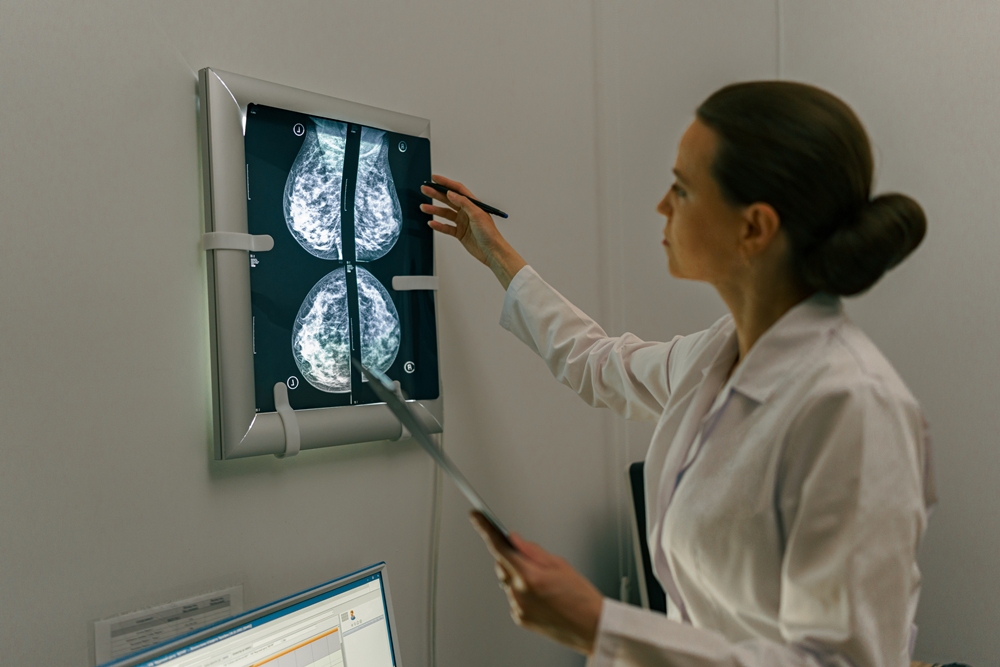
A protein that helps cancer cells divide could offer an early warning that widely used breast cancer drugs are losing their effect. Researchers found that higher activity of CDK1, a protein involved in cell division, was associated with more aggressive cancers and poorer patient outcomes. The findings could eventually help doctors identify which patients may [...]

Women in the United States can expect to provide seven years of care over their lifetimes to ageing family members or friends—up from six in 2011, new research has revealed. Men's expected lifetime caregiving remained unchanged at four years between 2011 and 2023, widening the gender gap from two to three years, the University of [...]
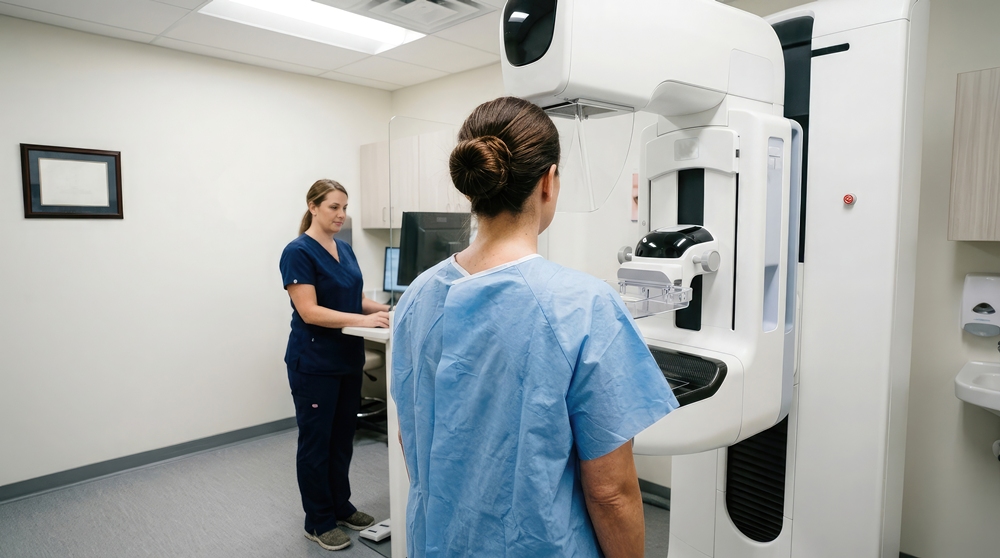
People from minority ethnic backgrounds in England were up to 33 per cent less likely to have breast cancer diagnosed through routine screening, a study found. The research also found that people from marginalised groups were more likely to be diagnosed following an urgent suspected cancer referral or an emergency presentation. Researchers suggest that inequalities [...]

Women in perimenopause had higher odds of reporting anxiety symptoms than women before or after menopause, a review of 21 studies involving 24,523 women found. Compared with premenopausal women, those in perimenopause had 59 per cent higher odds of reporting anxiety symptoms, while postmenopausal women had 63 per cent higher odds. However, a direct comparison [...]

Four in 10 employers lack clear procedures for supporting staff experiencing menopause, despite growing openness about the issue, a recent employee survey has revealed. A survey of HR professionals found that 42 per cent reported no clear approach to workplace menopause concerns, while just 5 per cent felt menopause-related concerns or complaints were handled consistently [...]

A global trial will test whether bromocriptine can reduce deaths and complications in women with pregnancy-related heart failure. The study focuses on peripartum cardiomyopathy (PPCM), a rare but life-threatening form of heart failure that develops towards the end of pregnancy or within five months of childbirth. The placebo-controlled trial will enrol approximately 650 women to [...]

ADHD medications may improve self-reported menopause brain fog, new research suggests. The findings suggest that medicines used to treat ADHD could help women experiencing difficulties with concentration, memory and organisation during the menopause transition. However, the evidence is preliminary. Researchers say larger studies are needed to establish whether these medications are safe and effective for [...]

An Australian trial will test whether yoga and walking can ease endometriosis pain, with more than 350 women already registering interest. The study will involve women aged 18 and over with medically diagnosed endometriosis who live in regional, rural and remote Australia. Participants will be randomly assigned to four groups: usual care, yoga alone, yoga [...]

Women with autoimmune conditions were more likely than men to have their symptoms dismissed as psychological or psychosomatic, new research has revealed. The findings suggested that women face much longer waits for a diagnosis and treatment. More than 6,600 people with autoimmune conditions took part in the study. Most participants were women, and most were [...]
Newsletter
Sign up for free weekly updates
The latest femtech news, research and investment, straight to your inbox.




