




Researcher / academic
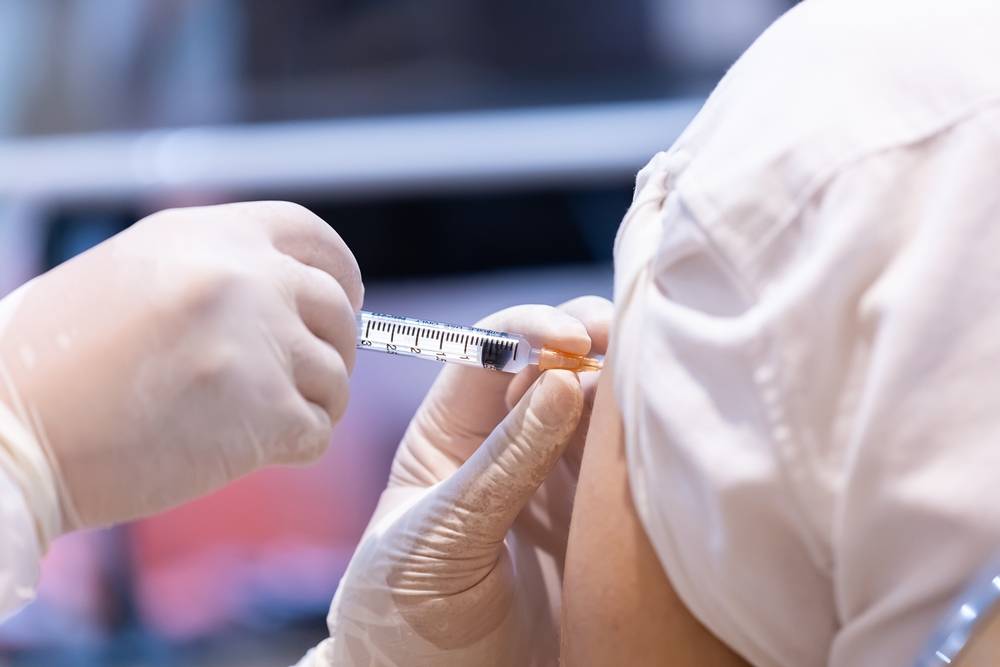
The first patient has received an experimental ovarian cancer vaccine in a UK clinical trial assessing its safety and early signs of effectiveness. The Phase 1/1b study will enrol up to 30 women with advanced high-grade serous ovarian cancer (HGSOC) at up to 10 clinical centres across the UK. Researchers will assess the vaccine's safety, [...]

A new digital therapy helped prevent anxiety from increasing during pregnancy and after birth among people with high levels of repetitive negative thinking, a trial found. The self-led programme significantly reduced anxiety compared with usual maternity care. Participants also reported lower levels of depression and repetitive negative thinking. The findings suggest digital support could help [...]

A £100,000 funding call has opened for women's and cardiovascular health projects across Wessex, with £50,000 available for each area. The scheme will support research, patient and public involvement and engagement (PPIE), workshops and other initiatives aimed at improving health outcomes in local communities. Most awards are expected to be below £5,000, although applications for [...]
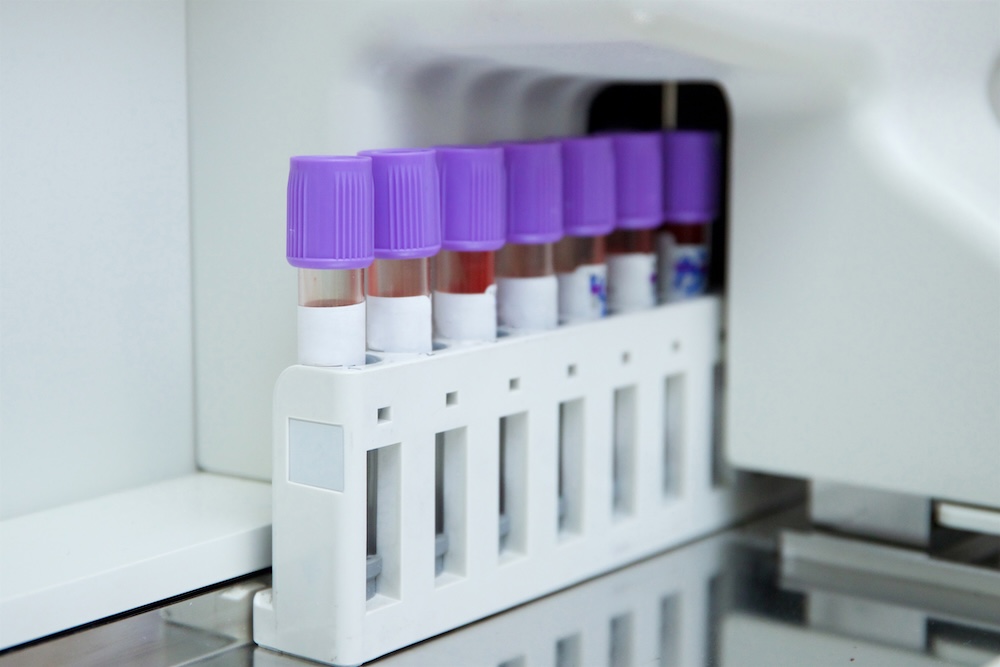
More than 20,000 NHS patients will take part in a blood test trial across at least 200 GP practices in England to assess whether cancers can be detected earlier. The government-funded STRIDE-RCT trial will investigate whether blood tests can identify signs of several cancers from a single sample, helping GPs decide which patients need urgent [...]

A review of five studies has found insufficient evidence that testosterone treatment improves memory and thinking in women during or after menopause. The combined analysis of three randomised controlled trials involving 244 women found no statistically significant improvement in cognitive function among those receiving testosterone compared with a placebo. Researchers stressed that the findings reflect [...]

A protein that helps cancer cells divide could offer an early warning that widely used breast cancer drugs are losing their effect. Researchers found that higher activity of CDK1, a protein involved in cell division, was associated with more aggressive cancers and poorer patient outcomes. The findings could eventually help doctors identify which patients may [...]

Racial and ethnic disparities in fertility treatment uptake persist even among patients with access to fertility benefits, a study of 12,516 patients has found. The research identified differences in treatment initiation, waiting times and treatment selection, despite patients having access to fertility coverage. However, the time from initial consultation to the start of a treatment [...]

Sleep and recovery scores may dip around the hormone surge before ovulation, a pilot study involving six people suggests. Researchers analysed 375 days of overlapping hormone and wearable data, identifying patterns across the menstrual cycle that were less apparent when each dataset was examined separately. The findings are exploratory and were not tested for statistical [...]

Autistic women consistently experience more severe menopausal symptoms than non-autistic people, leading to poorer wellbeing and quality of life, new research has revealed/ They also reported higher levels of anxiety and depression and poorer quality of life, all of which were linked to the severity of their menopause symptoms. The study identified further differences in [...]

Women in the United States can expect to provide seven years of care over their lifetimes to ageing family members or friends—up from six in 2011, new research has revealed. Men's expected lifetime caregiving remained unchanged at four years between 2011 and 2023, widening the gender gap from two to three years, the University of [...]
Newsletter
Sign up for free weekly updates
The latest femtech news, research and investment, straight to your inbox.




