




NHS trial to test whether blood tests can detect ovarian cancer earlier
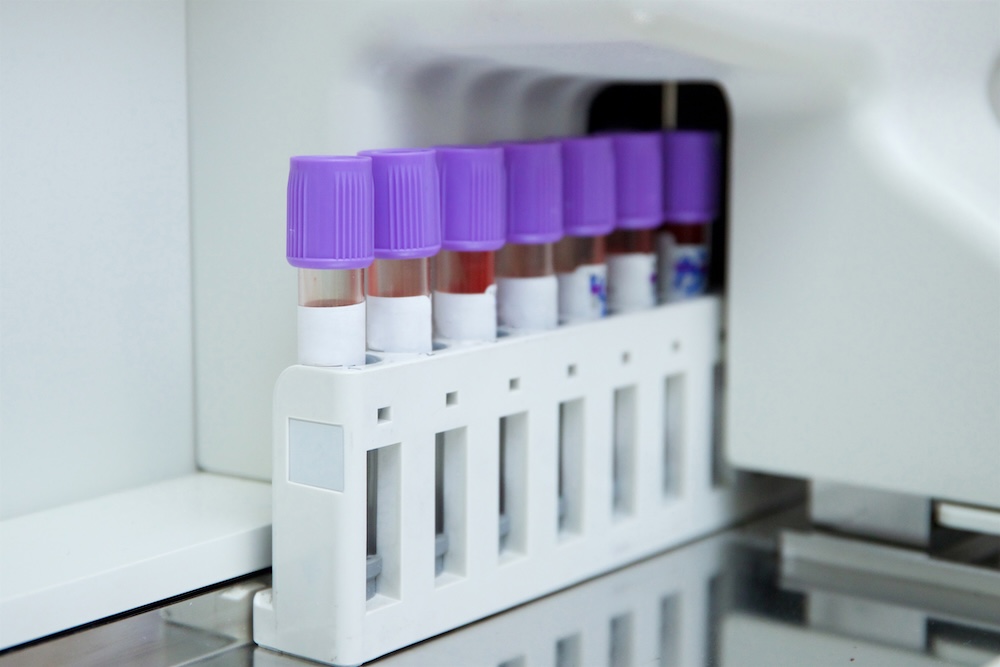
More than 20,000 NHS patients will take part in a blood test trial across at least 200 GP practices in England to assess whether cancers can be detected earlier.
The government-funded STRIDE-RCT trial will investigate whether blood tests can identify signs of several cancers from a single sample, helping GPs decide which patients need urgent investigation.
People aged 45 and over who visit their GP with abdominal symptoms, such as persistent bloating or discomfort, will be offered the opportunity to participate.
The tests are designed to detect early cancer markers, including those linked to bowel, pancreatic, ovarian, stomach, liver and prostate cancers.

Other cancers covered include small bowel, oesophageal, bile duct, gallbladder, endometrial, kidney and bladder cancer.
Health and social care secretary Yvette Cooper said: “The earlier cancers are diagnosed, the more chance they can be successfully treated, and lives can be saved.
“This world-first trial will establish whether simple blood tests can help GPs identify much sooner the patients who need urgent support.”
Most of the tests, developed by the University of Birmingham, involve taking one or two tubes of blood alongside routine tests at a GP practice.
They use technologies including artificial intelligence and measurements of proteins in the blood to identify possible signs of cancer and suggest where in the body they originate.
A positive result would help GPs and patients decide whether an urgent referral is needed. It would not confirm a cancer diagnosis.
Researchers will assess how well the tests work alongside GPs’ clinical judgement before any decision is made about introducing them nationally.
Abdominal cancers can be difficult to diagnose because symptoms such as bloating, pain and discomfort may also be caused by less serious conditions.
Around 71,000 people are diagnosed with pancreatic, stomach, liver, ovarian or bowel cancer in England each year, with almost 35,000 deaths from these cancers.
Around nine in ten people diagnosed with bowel cancer at stage 1 survive for at least five years, compared with around one in ten diagnosed at stage 4.
Currently, only 2 to 6 per cent of urgent cancer referrals result in a cancer diagnosis.
Researchers hope the tests could help GPs identify patients needing further investigation while reducing unnecessary referrals and pressure on diagnostic services.
The programme will receive up to £8.49m in government funding from the Office for Life Sciences through the National Institute for Health and Care Research (NIHR).
Participating practices will serve inner-city, rural, coastal and deprived communities, allowing researchers to assess the approach across different populations and healthcare settings.
Professor Aneel Bhangu, consultant colorectal surgeon, director of the Surgical Data and Policy Lab and co-chief investigator, said: “Too many patients with cancer reach me after months of vague symptoms that were hard to pin down.
“At the same time, most people referred urgently do not have cancer, causing unnecessary worry and expense.”
“These blood tests might help GPs tell the two apart, but we need to know for certain before they are used across the NHS, and this trial is designed to give that answer quickly.”
 Review finds no evidence that testosterone improves brain fog during menopause
Newsletter
Sign up for free weekly updates
The latest femtech news, research and investment, straight to your inbox.




