




Autistic women experience more severe menopausal symptoms – study
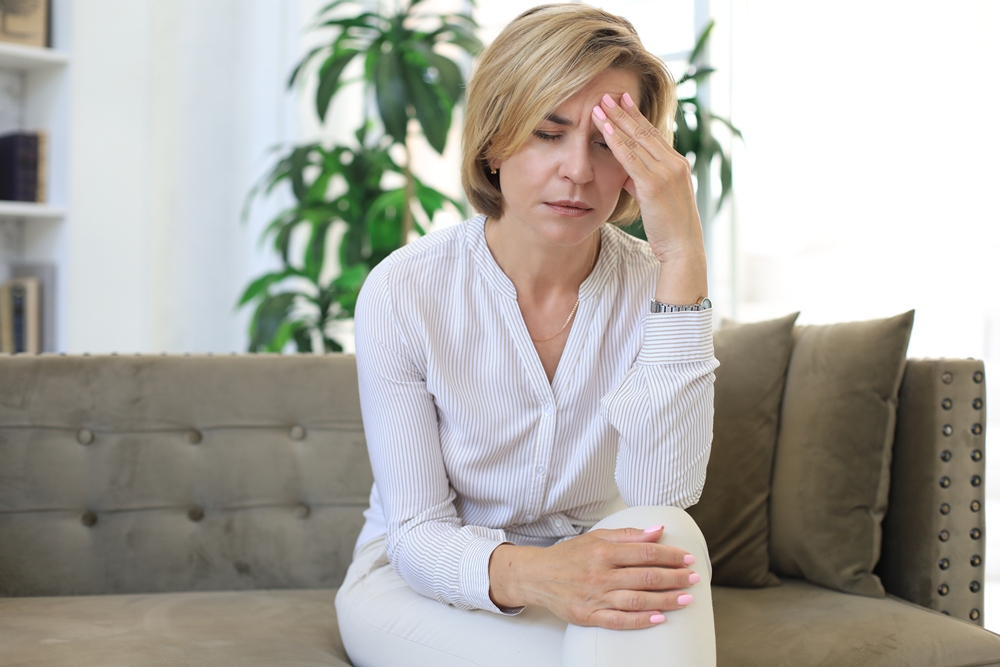
Autistic women consistently experience more severe menopausal symptoms than non-autistic people, leading to poorer wellbeing and quality of life, new research has revealed/
They also reported higher levels of anxiety and depression and poorer quality of life, all of which were linked to the severity of their menopause symptoms.
The study identified further differences in physical health conditions reported by the two groups.
Led by PhD student Eunhee Kim at Bournemouth University, the research is described as the largest comparison of self-reported menopause symptoms between autistic and non-autistic people.

Most participants were cisgender women. Researchers monitored their symptoms and wellbeing over five weeks, finding that autistic participants consistently reported more severe symptoms.
Autistic participants were almost twice as likely to report having one or more cardiovascular conditions, such as heart disease, and more than four times as likely to report a musculoskeletal condition, such as hypermobility.
Many also reported living with multiple serious or chronic health conditions.
Kim said: “The findings tell us that autistic people often have complex health challenges during menopause.
“This is important because menopause can worsen pre-existing mental and physical health conditions.
“This is one reason why autistic people, who are more likely to have poorer health to begin with, might have an especially difficult time during menopause.”
The researchers also examined factors that might help explain differences in menopausal experiences.
Feeling out of control and struggling to understand changes to the body and mind appeared to predict greater symptom severity.
However, the findings do not establish that these factors cause more severe menopause symptoms.
Professor Julie Gamble-Turner and Dr Rachel Moseley, co-authors of the study and Kim’s PhD supervisors, said the results reflected experiences identified in their earlier research.
Gamble-Turner said autistic people had previously described feeling frightened or confused because their menopausal experiences differed from what they had read or heard about.
She suggested that information tailored to autistic people could help them understand what to expect during menopause and feel less frightened or out of control.
The findings also raise questions about access to healthcare and how menopausal distress is recognised among autistic patients.
Moseley said: “Autistic people often tell us that they struggle to access help during menopause.
“Sometimes, doctors do not believe how much they are struggling, perhaps because autistic people do not necessarily show their distress in the way non-autistic people expect.
“Autistic people can be in crisis yet sound quite calm and logical. It’s so important to believe any person who tells you they are struggling.”
 Caregiving gap grows as women devote more years to ageing adults
Newsletter
Sign up for free weekly updates
The latest femtech news, research and investment, straight to your inbox.




