



Fertility in Focus

The Law Society of Scotland has launched a fertility law accreditation for solicitors working in fertility law and family creation. Developed following a 2023 law reform report on surrogacy and rising demand for fertility and family creation services, the accreditation requires solicitors to demonstrate a high level of expertise and experience. The specialism [...]

Cycle-tracking app Clue has partnered with insurer Flora Fertility, giving policyholders free premium access while introducing its 100 million users to fertility insurance.

Femtech World explores the latest business developments in the world of women’s health. NHS platform Evaro partners with period tracking app Clue in UK-first integration Evaro, the NHS-licensed embedded healthcare platform, has announced a first-of-its-kind partnership with the period tracking app Clue. The partnership will provide seamless access to NHS-funded contraception directly through Clue's app. [...]

Alife Health’s AI-powered embryo selection software has received CE Mark certification under the European Medical Device Regulation (MDR), allowing it to be used in fertility clinics across Europe. The San Francisco-based company said its Embryo Predict system, which supports embryologists in selecting the best embryo for transfer, can now be marketed across EU countries following [...]
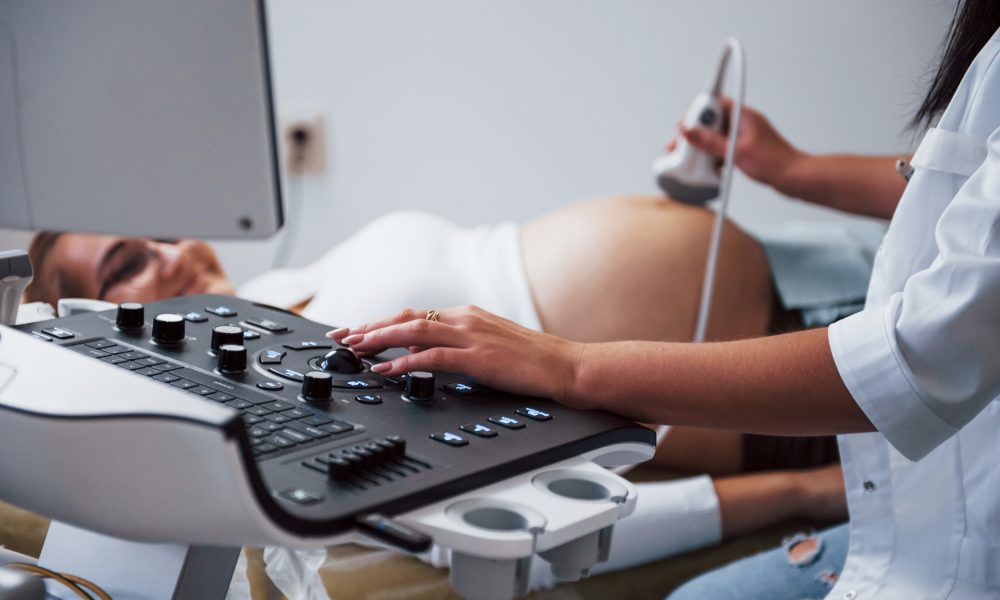
A Victorian woman undergoing IVF treatment received her own embryo instead of her partner’s, Monash IVF has confirmed—marking the second reported mix-up at the fertility company in recent months. The error, which occurred in June, was revealed in a statement to the ASX on Tuesday. Monash IVF said the patient’s embryo was transferred “contrary to [...]

Women across the UK are routinely delaying treatment for perimenopause and menopause symptoms - often due to a lack of knowledge, poor health literacy, and uncertainty about where to seek help, new research has revealed. The findings from a survey of 2,000 UK women highlight a significant gap in menopause care and education, with nearly [...]

The health and tech industries are failing to capitalise on a $360bn “ghost market” in women’s health, according to a new report. According to the Galen Growth research, femtech global venture funding reached $2.2bn in 2024, but few digital health ventures are addressing the most common health concerns that impact women, such as cardiovascular disease [...]

A new study has found that eating about two servings of mangos daily for two weeks significantly reduced several short-term blood pressure measures as well as fasting total and LDL cholesterol in healthy postmenopausal women. Conducted by researchers at University of California, Davis, the study showed measurable improvements in key heart health markers. Two hours [...]

A self-collection device for cervical cancer screening has shown equivalent effectiveness to traditional clinic-based testing, according to new research that could help address screening gaps affecting women's health outcomes. The SELF-CERV trial, which validated the Teal Wand device across 16 medical sites in the United States, found that self-collected samples detected precancer 96 per cent [...]

New research has revealed that the use of combined oral contraceptives (OCs) is associated with a threefold increase in the risk of cryptogenic ischaemic stroke (CIS) in young women. The findings add to a growing body of evidence linking hormonal contraception to vascular risk in women of reproductive age. Cryptogenic ischaemic stroke, which is stroke [...]
Newsletter
Sign up for free weekly updates
The latest femtech news, research and investment, straight to your inbox.



