




Opinion

September is Gynecologic Cancer Awareness Month, an important opportunity to raise awareness of symptoms, screening and early detection. It should also prompt a broader question: Is innovation in women’s health keeping pace with a changing cancer landscape? A recent global analysis of breast, cervical, uterine and ovarian cancers estimated 3.7 million new cases and 1.3 [...]
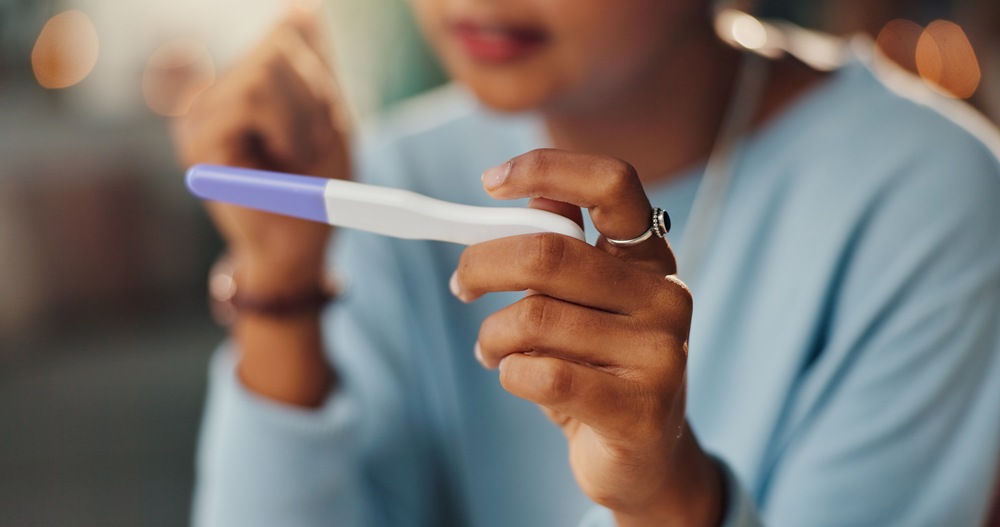
A new clinical study has found that an at-home device for tracking reproductive hormones can identify ovulation with an accuracy that closely matches hospital-grade ultrasound scanning, in what researchers describe as a significant step for women's health technology. The findings, published this week in Reproductive BioMedicine Online, come from an 18-month trial led by Dr [...]
Sahar Abid is a Science Associate at Ema EQ, where she works on cultural sensitivity and bias in AI. A woman asks an AI health assistant about postpartum depression. She mentions that her in-laws are telling her to "push through" and skip medical help, even as her symptoms get harder to manage. She never says [...]

A perimenopause app that maps existing smartwatch data to the menopausal transition has launched across 39 markets in the UK and Europe. anna app uses information already recorded by wearables, including sleep, heart rate and body temperature, and returns one suggested lifestyle action each morning alongside the research behind it. The company says each rule [...]
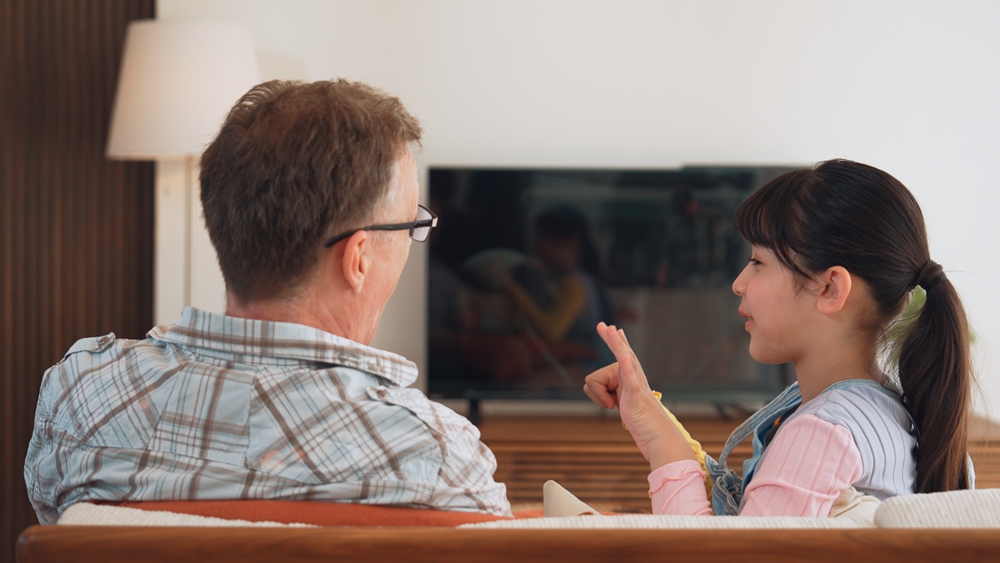
By Ruby Raut, founder, WUKA Every time we post a dad talking to his daughter about periods, the internet seems to split in two. One side says: “This is brilliant. I wish my dad had spoken to me like this.” The other says: “Why on earth are men talking about periods?” And I always find [...]
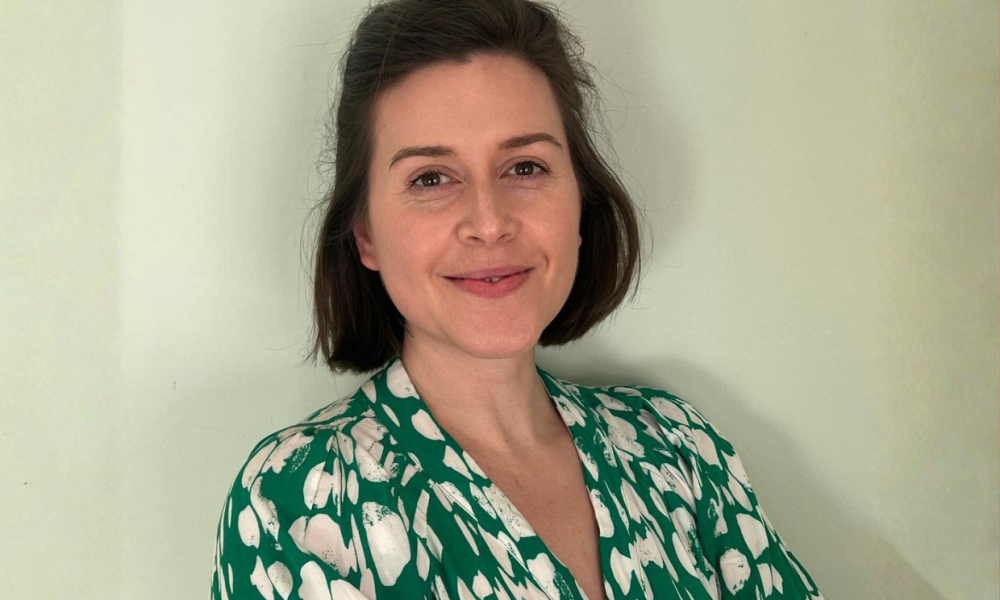
By Dr Fran Conti-Ramsden, clinician at Guy’s and St Thomas’ NHS Foundation Trust, academic at King’s College London, and chief medical officer of MEGI Health. A woman gives birth. A few days later she goes home, often with a bag of medication for her blood pressure, and then, very often, very little structured follow-up for [...]
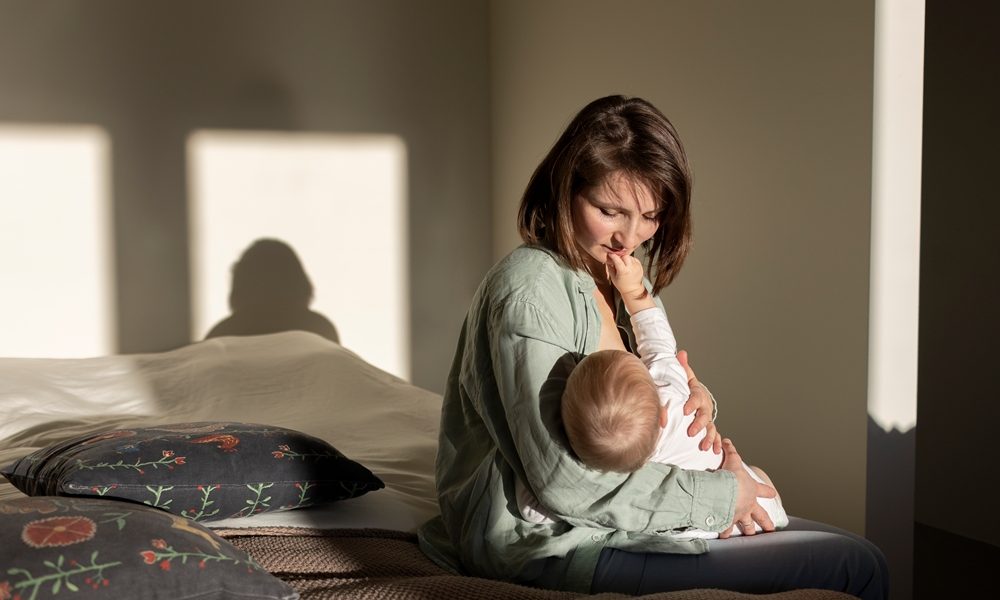
By Morgan Rose, chief science officer at Ema, and Lauren Scocozza, vice president of product at Willow May is Maternal Mental Health Month, and every year it surfaces a familiar set of statistics: 1 in 5 new mothers experiences postpartum depression or anxiety, most go unscreened, and the majority who are screened don't receive adequate [...]
By Wolfgang Hackl, MD, CEO OncoGenomX, Allschwil, Switzerland FemTech is moving from a promising niche to a foundational part of modern healthcare. Over the next decade and beyond, its real promise will not only be better products, but a more equitable system: one where women’s health is treated as an equal area for [...]

By Melissa Wallace, CEO Fierce Foundry The first quarter of 2026 tells a familiar but evolving story for female founders in the U.S.: measurable progress, paired with persistent structural gaps. On the surface, the numbers suggest momentum. A recent Pitchbook report showed female-founded companies captured 27.7 per cent of U.S. venture capital in [...]

India’s top court rejected a menstrual leave petition for women and female students, saying such a law could mean “no-one will hire women”. The two-judge bench, headed by chief justice Surya Kant, said mandatory leave would make young women think they were “not at par” with their male colleagues and would be “harmful for their [...]
Newsletter
Sign up for free weekly updates
The latest femtech news, research and investment, straight to your inbox.




