




Insight
How Niramai AI tech changes the breast cancer detection mission

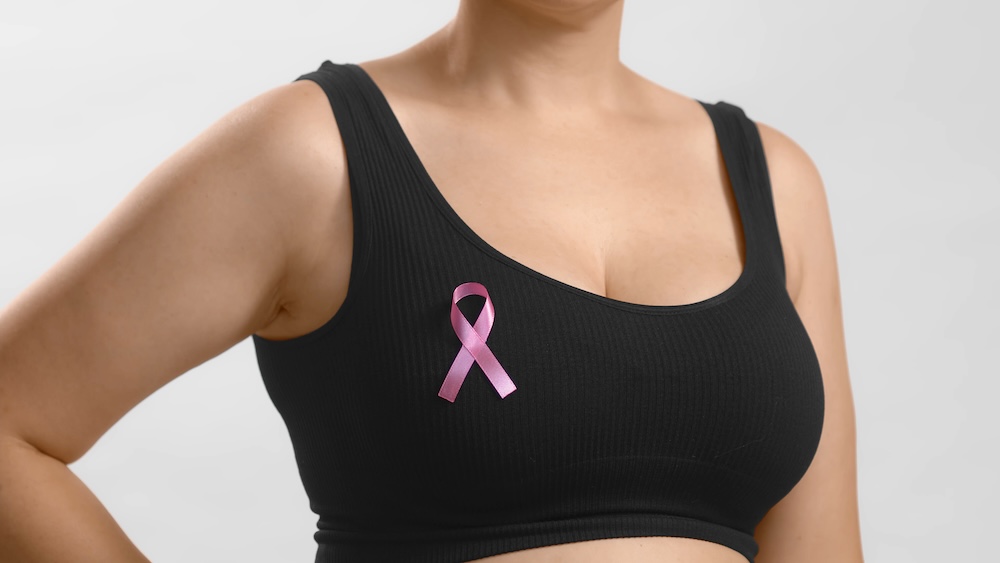
Corporations Can Close the Gap on Women’s Breast Cancer Screening; in an exclusive report by Gil Bashe, editor-in-chief of Medika Life, FINN Partners’ chair of global health and purpose
March marks Women’s History Month — a time to reflect on the progress and work to be done.
In the realm of medicine, women’s health has long lagged behind men’s, with breast cancer and heart disease diagnoses standing out as two glaring examples of this disparity.

Despite advances in medicine, a hidden and often overlooked challenge persists: the underdiagnosis of breast cancer in women with dense breast tissue.
The Challenge of Dense Breast Tissue
Dense breast tissue is not rare — it affects approximately 40–50 per cent of women.
The condition is characterised by a higher proportion of glandular and fibrous tissue than fatty tissue.
Tissue density increases the risk of developing breast cancer and makes tumors more difficult to detect using traditional mammography.
Mammograms can detect around 90 per cent of breast tumors in the least dense breasts but just 60 percent in the most dense breasts — this dangerous “masking effect” leads to delayed diagnoses and poorer outcomes.
The need for better screening tools for women with dense breast tissue is apparent. Early detection of breast cancer is crucial for improving survival rates.
When cancer is identified at an early stage, treatment options are more effective and less invasive, leading to better patient outcomes.
Research shows that regular screening mammography reduces breast cancer deaths by at least 20 per cent.
However, for women with dense breast tissue, the limitations of mammography call for alternative screening methods to ensure early and accurate detection.
A Personal Mission to Save Lives
Dr. Geetha Manjunath, the founder and CEO of Niramai Health Analytix, didn’t begin her career in healthcare — she’s a computer scientist.
But a devastating personal experience altered her path. Two of her relatives — just 42 and 38 — were diagnosed with late-stage breast cancer and passed away within six months.
Seeing firsthand the emotional, social, and economic toll pushed her to find a better solution.
“I knew there had to be a better way,” Dr. Manjunath reflects. And she found it by combining artificial intelligence and thermal imaging.
This is the potential power of AI applications – not artificial intelligence – but rather “augmented implementation.”
AI + Thermal Imaging = Early Detection
The Niramai innovative screening method, Thermalytix, uses AI to analyse thermal variations in breast tissue.
Unlike mammograms, this approach doesn’t require radiation, is pain-free, and can detect cancers in stage 0 or stage 1—well before a lump can be felt in self-exam or during a routine health professional visit.
The test is simple: a woman sits in front of a thermal camera, and the AI-driven system analyses the heat patterns in her breast tissue.
The system combines thermal radiomics and vascular radiomics to identify potential cancerous anomalies with remarkable accuracy.
Clinical studies have shown that Thermalytix has a false negative rate of less than 5 per cent.
Compare that to the 50 percent false negative rate of mammograms in dense tissue, and the potential for saving lives becomes pressing.
This technology is FDA-cleared, portable and easy to use—it can be set up in a corporate office or rural clinic and requires only 10–15 minutes per screening.
The test is noninvasive and entirely private: no touch, no see, no physical discomfort—just actionable information.
The results are analysed by AI and reviewed by a health professional, with detailed reports emailed directly to the patient within a day.
While it does not replace mammography, a health professional can now visualise tissue activity variations across the breast region, even in dense breasts.
Bringing Screening to the Workplace
In a game-changing move, Niramai is now conducting corporate-hosted breast health screenings in the US — the first of its kind.
This initiative has the potential to expand access to early detection dramatically.
A single device can screen approximately 30 women per day, and because the test is quick, private, and comfortable, participation rates are expected to increase.
FINN Partners, a global communication agency, became one of the first testing sites for this breakthrough technology.
The agency already has several programmes geared to support employee health, and knowing the heightened cancer risks associated with women with dense breast tissue, it partnered with Niramai to provide screening to employees and family members interested.
“We have come a tremendous way in leveraging technology to advance health, yet we must continue to educate on the importance of preventative medicine and screenings,” said Shannon Riggs, managing partner of FINN Portland, who advocated for the in-house screen program.
Unlike a traditional mammogram, the Niramai test is non-contact, radiation-free, and suitable for women of all ages — including those with dense breast tissue.
Niramai technology is portable, making it ideal for deployment not only in hospitals and imaging centers but also in rural areas and underserved communities where access to traditional screening tools is limited.
Overcoming Obstacles to Early Detection
Women with dense breast tissue require supplementary imaging tests, such as ultrasound or MRI, to detect abnormalities that mammograms might miss.
However, accessing these additional screenings presents real challenges:
- Limited Access: Not all healthcare facilities offer advanced imaging technologies like MRI or ultrasound, especially in rural or underserved areas.
- High Costs: Supplementary screenings can be expensive, and insurance coverage varies, leading to potential out-of-pocket expenses for patients.
- Scheduling Delays: High demand for specialised imaging can result in long wait times, delaying diagnosis and treatment.
- Discomfort and Invasiveness: Some women may find additional imaging procedures uncomfortable or invasive, deterring them from pursuing necessary screenings.
Niramai AI-driven technology removes these obstacles by providing an affordable, portable, and non-invasive alternative.
Its ease of use and high accuracy mean more women can access early detection without the hassle and cost associated with additional imaging.

Speaking to Women — Lisa Heathman’s Story
Lisa Heathman knows firsthand the importance of early detection — and how a twist of fate can change everything.
Lisa was healthy and active when a cycling accident left her with broken ribs and pain in her chest. That injury led her to undergo imaging, which revealed a tumour.
It was early-stage breast cancer — detected before symptoms would have otherwise shown up.
Lisa’s story underscores how early detection can save lives. However, not every woman will experience a lucky accident that leads to a diagnosis.
“That’s why tools like Niramai AI-based screening are so critical — they enable women to take control of their health before symptoms appear.
“Dense breast tissue is like a mask,” Lisa explains. “Mammograms couldn’t see through it. But my accident and an MRI saved my life.”
Niramai AI-driven technology lifts that mask — giving women the advantage of catching cancer early, regardless of breast density.
Empowering Women, Saving Lives
Niramai is more than just a technological breakthrough—it’s a tool for health access. Traditional screening methods have long underserved women with dense breast tissue.
Thermalytix closes that gap, giving women of all ages and tissue types a better shot at early detection and survival.
Dr Manjunath’s mission is ambitious but clear: “My vision is to take this test to every woman on earth and eliminate deaths from breast cancer.”
As we observe Women’s History Month, Niramai innovation is a testament to technology’s power to reshape health outcomes.
Early detection saves lives — and thanks to AI, that life-saving tool is now more accessible than ever.
The future of women’s health is digital, and Niramai is leading the way. The question is no longer whether this technology can make a difference—it already does.
The real question is, how can people’s workplace evolve into a convenient point of care?


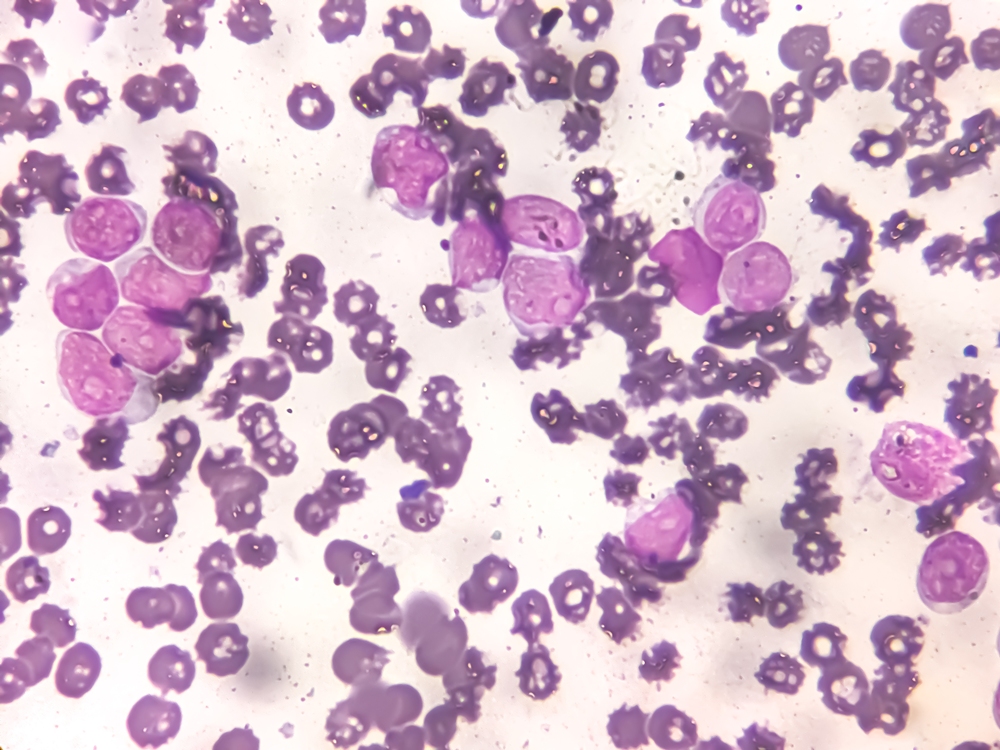
Cancer cells may hijack a fertility protein to repair damaged DNA and survive chemotherapy, research suggests.
The findings could point to a way of making existing cancer treatments more effective.

SYCP1 is a protein normally involved in producing sperm and eggs.
Researchers at the University of Liverpool found that the protein, previously thought to work only in reproduction, can be reactivated in cancer cells, where it helps tumours survive and grow.
SYCP1 usually helps chromosomes pair during meiosis, the form of cell division that produces reproductive cells.
In cancer cells, however, the protein appears to take on another role. It enters the nucleus, the cell’s control centre, binds directly to DNA and regulates genes involved in cell division and DNA repair.
DNA repair is how cells fix damage to their genetic code. In cancer, this process can help tumour cells survive treatment.
The researchers found that removing SYCP1 made cancer cells much more sensitive to chemotherapy drugs that damage DNA.
The findings suggest cancers may use SYCP1 to repair damage caused by treatment and continue growing.
Dr Urszula McClurg, lecturer in biochemistry, cell and systems biology at the University of Liverpool, said: “Our findings show that cancer cells can hijack proteins that normally exist only in reproductive tissues and give them completely new jobs.
“Understanding these unexpected functions opens up exciting opportunities to develop new treatments that make existing cancer therapies more effective.”
The work challenges the long-held belief that proteins active only in fertility have no biological relevance outside the reproductive system.
Researchers say these specialised proteins could provide new treatment targets across many types of cancer.
The study also offers a new view of how cancers evolve by repurposing developmental and reproductive processes.
The findings highlight SYCP1 as a candidate for future precision cancer therapies, which are treatments based on the specific biology of a patient’s cancer.
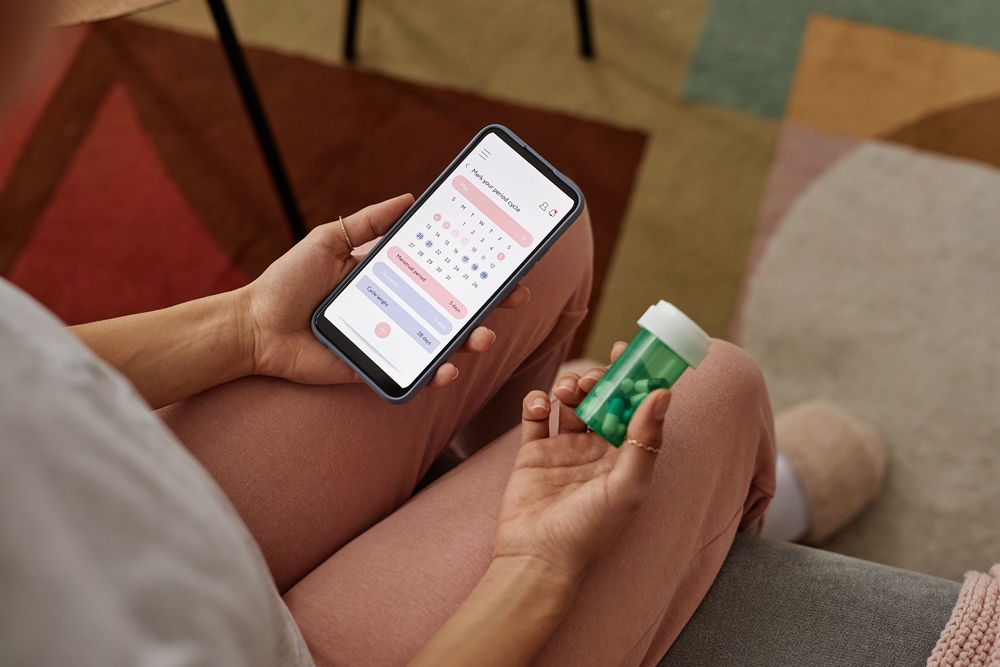
Women’s health has become one of the most searched and shared topics online, from cycle syncing and cortisol management to menopause hacks, supplements, hormone testing and clinician-creator content.
That surge in attention, sometimes dubbed “healthmaxxing,” is changing how women find, evaluate and act on health information, and it is starting to reshape the relationship between patients, clinicians and the companies building products for this market.
For providers, the shift means patients are arriving better informed but also more exposed to unverified claims, putting pressure on clinicians to engage with online narratives rather than dismiss them.
For femtech and pharma companies, it opens a route to reach and educate consumers at scale, but also raises the stakes on credibility: products and messaging that ride the trend without clinical grounding risk eroding the trust the industry has spent years building.
Investors are watching the same dynamic from a different angle.
Attention-driven demand can be a signal of where the next wave of femtech growth will come from, but distinguishing genuine clinical need from viral momentum is increasingly part of due diligence.
The net effect is a widening gap between companies that treat cultural attention as a distribution channel for credible, evidence-based care, and those that risk being swept up in trends with little clinical substance behind them.
How that gap plays out will shape patient trust, clinical relationships and commercial opportunity across the women’s health industry for years to come.
These themes will be explored in more depth in an upcoming webinar, “Women’s Healthmaxxing: The Opportunity & Risks of Cultural Attention for the Women’s Health Industry,” hosted by the Women’s Health Innovation Summit (WHIS), featuring Ellen Wilcox (Listen Ventures), Jessica Bell van der Wal (Frame Fertility), Dr. Tosin Sotubo-Ajayi (NHS, BBC and more) and Nora Lansen (Elektra Health).
Register free for the webinar on 23 July 2026 at https://events.virtualpro.com/womens-health-series-webinar-july-2026/registration

More young midwives are leaving the NHS before 35 as burnout adds pressure to stretched maternity services, new research has revealed.
The trend has raised concerns about the quality and safety of care for mothers and babies in understaffed maternity units.
During 2025-26, 1,669 midwives aged 34 or under left the health service in England, representing 57 per cent of the 2,949 midwives of all ages who resigned.
The pressures of maternity care, including increasingly complex childbirth and the risks involved, are thought to be among the factors behind the trend.
Hannah Leonard, deputy chief midwife at the Royal College of Midwives, said the exodus of midwives under 35 was “deeply worrying” and showed that too many were ending up “burnt-out within a few years of qualifying because every shift means too few colleagues, missed breaks and unpaid hours”.
She added: “Losing these midwives, and students, even before they qualify, is a terrible waste of talent.”
The figures, revealed in parliamentary questions tabled by the Liberal Democrats, show that 205 of last year’s younger leavers were under 25, while 655 were aged 25 to 29 and 809 were aged 30 to 34.
The number of midwives under 35 leaving the NHS has risen sharply in recent years. The 2025-26 figure was 59 per cent higher than the 1,051 who left in 2014-15, according to NHS figures.
Burnout means long-term physical and emotional exhaustion, often linked to sustained pressure at work.
Separate figures obtained by the Liberal Democrats suggest almost one in four midwifery students are leaving before completing their three-year degree.
In 2021, 3,565 students started a midwifery degree, but 2,725 graduated in 2024, meaning 840, or 24 per cent, did not complete the course.
Midwifery students spend much of their second and third years learning on the job in maternity units.
The loss of staff and students underlines what the Royal College of Midwives has described as a “staffing emergency” in maternity care across the UK.
A recent survey by the Royal College of Midwives found that three-quarters of midwives had considered leaving the profession over the last year, mainly because of concerns over staffing levels and patient safety.
Both recent large-scale reviews of maternity care in England, led by Donna Ockenden and Valerie Amos, identified staffing shortages as a key problem affecting patient safety.
Helen Morgan, the Liberal Democrat health spokesperson, said: “These statistics reveal an alarming crisis in maternity, with far too many midwives burning out early in their career and in their training. Patients are paying the price, and mothers are left with no alternative but to give birth on understaffed and unsafe wards.
“Rather than throw money at yet more new recruits who quit under intolerable pressure, the government needs a new approach. Through guaranteeing protected, year-round training and professional development we can help midwives cope with rising complexity and risk.”
About 10 per cent of all midwives leave the NHS each year.
However, the figures show higher leaving rates among younger midwives, with one in seven, or 14.6 per cent, of those aged 25 to 29 and one in six, or 16.6 per cent, of those aged 30 to 34 leaving during 2025-26.
A Department of Health and Social Care spokesperson said: “Under this government we have a record number of midwives in the workforce and we value the vital service they provide in maternity and neonatal units across the country.
“To make the NHS the best employer it can be, we have introduced new NHS staff standards to improve health and wellbeing support, promote flexible working, as well as crucial measures to tackle violence, sexual harassment or abuse and racism.
“Alongside consecutive above-inflation pay rises, we’ve bolstered the midwifery workforce through our graduate guarantee and recently opened up 1,000 more midwifery roles backed by £10m to help prevent student midwives leaving the profession.”
Department of Health and Social Care figures show a record 25,500 full-time-equivalent midwives are working in the NHS, 2,000 more than when the Labour government took office in July 2024.











 News1 week ago
New menopause drug approved for use by NHS in Scotland

 Cancer2 weeks ago
Thousands of women could avoid painful cancer exam with new AI blood test

 Entrepreneur2 weeks ago
Applications open for the third W Accelerate with Merck KGaA and M Ventures
 Fertility2 weeks ago
Older women face lower chance of fertility treatment working, even with donor eggs, study finds

 News2 weeks ago
We built Ema like a nurse: Here’s why that matters

 Mental health2 weeks ago
SSRIs may lower heat intolerance in women with depression – study

 News7 days ago
Women’s health draws record $1.55bn in equity as capital spreads beyond the mega-rounds

 Hormonal health5 days ago
Stardust period tracker shares health data, study reveals