




Insight
Why AI in women’s health needs to start with curiosity
By Morgan Rose, Chief Science Officer, Ema


Women’s pain is complex, often overlapping between physical, emotional, and social dimensions.
Chronic pain affects 70 per cent of female sufferers yet is frequently misdiagnosed or dismissed as psychological (Oh, n.d.; UCL, 2021).
Curiosity is the key to addressing this gap.
By asking thoughtful questions and uncovering connections, AI can move beyond surface symptoms to build trust, foster understanding, and uncover root causes.
This curiosity-driven approach ensures earlier diagnoses, more effective treatments, and care that truly resonates with women’s unique experiences—bridging the gaps traditional healthcare often leaves behind.
Understanding Pain as More Than Physical
Pain isn’t just physical; it encompasses emotional and social dimensions that significantly impact women’s health.
Physical Pain: Women often experience conditions like fibromyalgia and migraines more frequently than men.
These ailments are painful and challenging to diagnose and treat, leading to prolonged suffering.
Biological and hormonal factors significantly influence these conditions.
For example, fluctuations in estrogen levels have been shown to exacerbate pain sensitivity, highlighting the need for sex-specific approaches to treatment (IASP, n.d.; PMC, n.d.).
Research Insight: Studies indicate that women’s pain is more likely to be dismissed or misdiagnosed due to gender biases in healthcare (UCL, 2021).
A curious approach can counteract these biases by delving into specific triggers and experiences.
Asking targeted, open-ended questions can help identify patterns that might be overlooked.
Example Question: “You mentioned frequent migraines—have you noticed if they occur more during certain phases of your menstrual cycle or after stressful events?”
Emotional Pain: Chronic pain often coexists with emotional distress, including depression and anxiety.
Women are twice as likely as men to experience these conditions, which can exacerbate their physical symptoms and create a cycle of suffering (Mayo Clinic, n.d.; Kushner, 2024).
The emotional distress associated with chronic pain often exacerbates the perception of pain, creating a cycle that’s hard to break (Dovepress, 2024).
Research Insight: Emotional pain is frequently underdiagnosed or mischaracterised in women, often overshadowing underlying physical conditions (Mayo Clinic, n.d.; Kushner, 2024).
Addressing both dimensions through curiosity fosters holistic care.
Exploring the emotional context of pain through thoughtful questions can uncover hidden contributors to distress.
Social Pain: Social rejection, isolation, and stigma are significant contributors to women’s pain experiences.
For instance, caregiving responsibilities and societal pressures disproportionately affect women, amplifying their vulnerability to social pain (IASP, n.d.; PMC, 2024).
Societal factors, including gender biases, can lead to women’s pain being dismissed or underestimated by healthcare providers.
This dismissal delays appropriate treatment and contributes to feelings of isolation and helplessness (Psychology Today, 2024).
Research Insight: Social determinants, such as poverty and neighborhood conditions, significantly influence pain intensity, particularly in conditions like breast cancer (PMC, 2024).
Curiosity-driven care can help identify and address these factors. Addressing social pain requires understanding the broader context of a woman’s life.
Curiosity in Practice: Improving Diagnosis and Care
Delayed Diagnosis
Women often face significant delays in receiving diagnoses for chronic pain conditions like endometriosis and pelvic pain (Independent, 2024).
These delays are attributed to biases, normalization of symptoms, and limited access to care (MDU, 2024).
How Curiosity Changes the Game
Curiosity goes beyond simply asking questions—it’s about exploring someone’s unique challenges and identifying connections they might not see themselves.
Research shows that curiosity-driven approaches foster trust, enhance engagement, and lead to more accurate diagnoses in healthcare.
They are designed with curiosity at its core, can uncover root causes, and provide meaningful support in women’s health. Here’s how:
1. Asking the Right Questions to Build Trust
A curious approach encourages open dialogue, helping women feel understood and validated.
Studies reveal that patients who feel heard are more likely to share critical information, leading to better outcomes.
- “You mentioned fatigue—do you notice it more after specific activities or during certain times of the month?” This shows attentiveness and opens the door to uncovering hormonal or lifestyle connections.
2. Uncovering Overlooked Patterns
Curiosity allows AI to identify connections that might not be immediately obvious, such as how diet, stress, and sleep interact to affect overall health.
Research highlights that women often present with complex, multifaceted symptoms that require nuanced exploration.
- Example: “Have you noticed whether your skin flare-ups happen during periods of high stress or poor sleep? Let’s explore the potential links.”
3. Encouraging Reflection for Deeper Insights
Curiosity-driven AI doesn’t just provide answers—it helps women reflect on their habits, symptoms, and patterns.
This reflective process empowers patients to take ownership of their health.
- Example: “What impacts your energy most—your diet, stress, or sleep? Why do you think that is?”
4. Creating Personalised, Actionable Plans
When curiosity informs recommendations, they feel more relevant and actionable. Personalized care has been proven to increase adherence to health advice, improving outcomes.
- Example: “Would you like to start adjusting your hydration or exploring sleep routines? Let’s choose what feels manageable for you.”
5. Supporting Holistic Health
Women’s health is deeply interconnected. Curiosity allows AI to address not just the physical symptoms but the emotional and social factors as well.
- Example: “You mentioned stress and skin health—have you noticed any connections between the two? Let’s explore what might be contributing.”
6. Inspiring Confidence and Action
The right questions can help users discover practical, achievable steps. Curiosity creates those “aha” moments that make users feel capable of making meaningful changes.
- Example: “Have you tried syncing your workouts with your cycle? It could boost your energy and help you feel more in tune with your body. Would you like to explore how to get started?”
7. Keeping the Conversation Going
Curiosity also helps AI maintain long-term engagement because users feel their progress matters. They’re more likely to return and keep exploring solutions.
- Example: “Let’s check in next week to see how those hydration tips worked for you. What might you notice after trying them for a few days?”
The Bigger Picture
Curiosity isn’t just a nice to have; it’s essential for addressing the complexities of women’s health.
It builds trust, keeps users engaged, and helps uncover connections that lead to meaningful solutions.
By focusing on the person behind the pain—and asking thoughtful, open-ended questions—AI can bridge the gaps that traditional healthcare often leaves behind.
When AI tools like Ema approach women’s health curiously, they move beyond simply tracking symptoms.
They create a space where women feel seen, heard, and empowered to take control of their health—physically, emotionally, and socially.
Why This Matters
Women’s health has long been underserved, with too many tools and platforms treating it as one-dimensional.
By making curiosity the foundation of AI interactions, we can change that.
Curiosity doesn’t just solve problems—it helps women feel connected to their health in a way that’s personal, honest, and empowering.
That’s the kind of change we need.
Morgan Rose is a Certified Nurse Midwife, Women’s Health Nurse Practitioner, and International Board-Certified Lactation Consultant with over a decade of experience supporting women’s health. As the Chief Science Officer at Ema, Morgan combines her expertise with her passion for empowering women. She lives with her spunky daughter and their beloved dog in New York City.
References
- Dovepress. (2024). The connection between emotional distress and chronic pain. Retrieved from www.dovepress.com
- Independent. (2024). One in Three Women with Female Health Conditions Forced to Wait Three Years for Diagnosis. Retrieved from https://www.independent.co.uk/news/health/women-health-diagnosis-delay-treatment-b2280080.html
- International Association for the Study of Pain (IASP). (n.d.). Pain in Women. Retrieved from https://www.iasp-pain.org/advocacy/global-year/pain-in-women/
- Kushner, D. (2024). How Does Endometriosis Impact Mental Health?. Retrieved from https://www.drdanielkushner.com/blog/how-does-endometriosis-impact-mental-health
- Mayo Clinic. (n.d.). Depression in Women: Understanding the Gender Gap. Retrieved from https://www.mayoclinic.org/diseases-conditions/depression/in-depth/depression/art-20047725
- MDU. (2024). Avoiding Diagnosis Delays in Endometriosis. Retrieved from https://www.themdu.com/guidance-and-advice/latest-updates-and-advice/avoiding-diagnosis-delays-in-endometriosis
- PMC. (2024). Social Disparities of Pain and Pain Intensity Among Women Diagnosed with Early Stage Breast Cancer. Retrieved from https://pmc.ncbi.nlm.nih.gov/articles/PMC8861323/
- Psychology Today. (2024). How gender bias affects the perception and treatment of women’s pain. Retrieved from www.psychologytoday.com
- UCL. (2021). Analysis: Women’s Pain is Routinely Underestimated. Retrieved from https://www.ucl.ac.uk/news/2021/apr/analysis-womens-pain-routinely-underestimated-and-gender-stereotypes-are-blame


News
Bridging the metabolic wealth gap: The telehealth platform bypassing insurance to democratise care

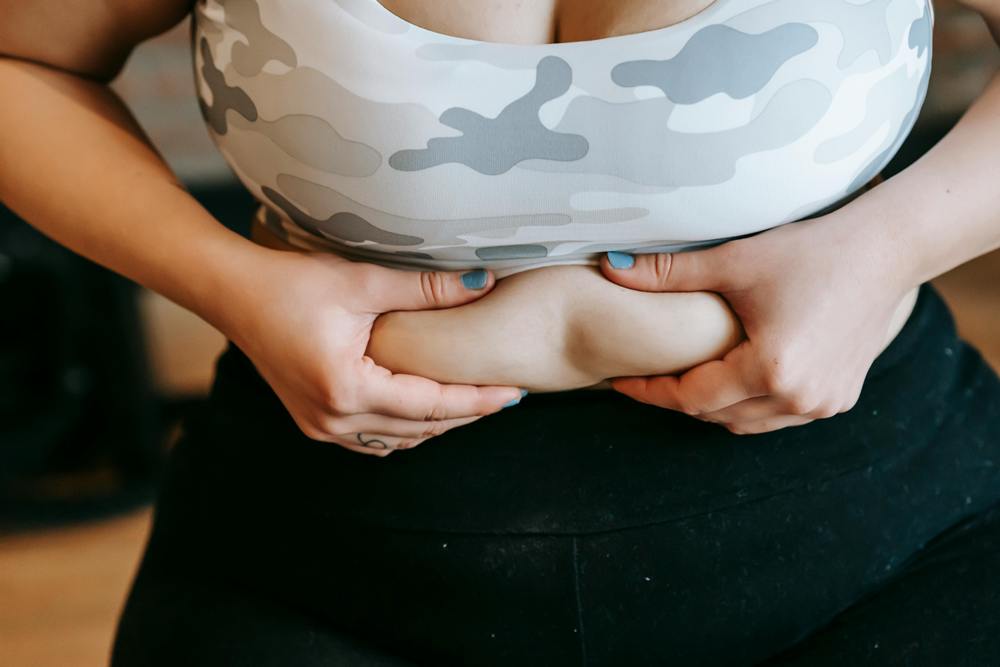
As weight-loss treatments remain locked behind prohibitive paywalls, a new direct-pay initiative is cutting costs in half for low-income patients, and it could provide a new blueprint for health equity.
It is one of the most persistent, frustrating paradoxes in modern healthcare: the medical innovations most capable of addressing widespread chronic conditions are overwhelmingly priced out of reach for the populations most vulnerable to them.
Nowhere is this more evident than in the current landscape of metabolic health and weight management.
As state governments and insurance providers increasingly restrict coverage for advanced weight-loss medications due to skyrocketing costs, a stark dividing line has emerged. Clinical need is no longer the primary factor in who receives treatment. Affordability is.
This financial barrier disproportionately impacts women, who not only face high rates of metabolic conditions but also frequently serve as the primary caregivers in their households.
For a single mother managing childcare, grueling work hours, and the relentlessly rising cost of living, personal well-being is often the first casualty of a tight budget.
These patients are forced into a holding pattern, watching their conditions progress year after year while highly effective, life-changing treatments remain separated from them by a paywall.
Now, a telehealth platform called Amble Health is attempting to dismantle that wall by bypassing the traditional insurance apparatus entirely.
A Structural Shift for Access
Today, Amble Health announced the launch of the Amble Cares Program, a national initiative designed to cut the cost of medical weight-loss treatments in half for low-income Americans.
The programme arrives at a critical inflection point.
Today, roughly one in eight U.S. adults have utilized advanced metabolic medications, according to a recent KFF Health Tracking Poll.
This surge in adoption has driven a fundamental shift in preventative care, but the distribution of that care has been deeply uneven.
Through the Amble Cares Program, eligible patients can access comprehensive medical weight-loss programmes, which may include prescription medications if clinically appropriate, at up to 50 per cent below standard rates.
To ensure the discounts reach the intended demographic, eligibility is determined by an independent, third-party verification partner, based on verified financial need.
The programme explicitly prioritises individuals and families with limited disposable income, including parents and guardians whose financial flexibility is tied up in providing for dependents.
Once verified, patients are connected directly to licensed clinicians to begin treatment immediately, stripping away the friction of waiting periods.
“Healthcare should not be a luxury item,” said Joey Stiver, CEO of Amble Health. At Amble, we believe that a patient’s zip code or income shouldn’t dictate their metabolic health outcomes.
“The Amble Cares Program is our direct response to the cost of living crisis, moving beyond talk of ‘affordability’ to actually delivering it to the people the traditional system has left behind.”
The Direct-Pay Trade-Off
However, this rapid, lower-cost access comes with a significant structural trade-off.
To achieve these price reductions and eliminate the administrative delays, denials, and red tape associated with traditional healthcare, Amble Health operates strictly as a direct-pay platform.
This means participants cannot use outside coverage. The programme does not accept Medicaid, Medicare, commercial insurance, or even HSA/FSA funds.
For some patients, being entirely locked out of utilizing their existing health benefits may present a new kind of hurdle.
But for those who have already found themselves abandoned by traditional coverage networks, facing outright denials, unnavigable prior authorisations, or insurmountable deductibles, the direct-pay model offers a predictable, transparent alternative to a broken system.
Ultimately, the Amble Cares Program is making a bold bet: that the most efficient way to deliver equitable healthcare to disenfranchised populations isn’t to fix the traditional insurance system, but to innovate entirely around it.

















 Menopause1 week ago
Perimenopause misinformation ‘putting women at risk’

 Insight4 weeks ago
NIH Grant terminations disproportionately impact minority scientists, research finds

 Adolescent health4 weeks ago
WUKA brings Period-Positive Pool Party to London Aquatics Centre to keep girls swimming through puberty
 Insight3 weeks ago
PCOS renamed after decade-long campaign to end ‘cyst’ misconception

 Events4 weeks ago
WHIS 2026 unveils agenda and first speakers for the leading women’s health summit

 Menopause4 weeks ago
CBT shows promise for menopause insomnia and hot flashes

 Hormonal health2 weeks ago
NHS urged to update website following renaming of PCOS

 News6 days ago
Three menopause innovators shortlisted for Femtech World Award
1 Comment