Connect with us

Wellness

Evidence shows link between endometriosis and physical traumatic experiences

Published

on

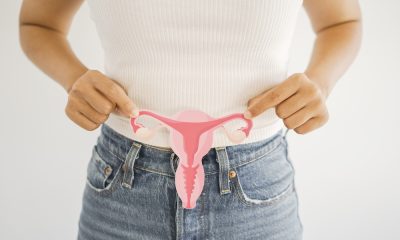
An international study has found new evidence linking traumatic experiences and stressful events with endometriosis – revealing that the condition appears to be closely linked to trauma involving contact, such as in physical abuse or sexual assault.

Through genetic analysis, the researchers found that this relationship seems to be independent of genetic predisposition to endometriosis. The findings could be helpful to take into account when diagnosing endometriosis, which affects 190 million women of reproductive age worldwide.

Dora Koller, first author of the article and researcher at the Department of Genetics, Microbiology and Statistics of the UB’s Faculty of Biology, notes that: “While psychological trauma has been associated with endometriosis, to date, there has been little information on the role of the type of trauma and genetic predisposition.

“These results challenge established paradigms by uncovering shared genetic mechanisms linking endometriosis with post-traumatic stress disorder and other types of trauma, while providing new insights into how different types of traumatic events are associated with the disease.”

The study was based on observational and genetic data analyses from 8,276 women with endometriosis and 240,117 controls in the UK Biobank, a biomedical database containing anonymised genetic, lifestyle and health information, as well as biological samples from people in the United Kingdom.

“Our study shows that people with endometriosis were more likely to report having experienced certain traumatic events compared to healthy people,” said Koller.

For example, people with endometriosis were 17 per cent more likely to have witnessed a sudden death, 16 per cent more likely to have experienced sexual assault in adulthood and 36 per cent more likely to have received a life-threatening diagnosis.

To explore the connection between different types of trauma, the researchers conducted a latent class analysis, a research tool that unravels hidden clusters in a dataset.

“More cases of endometriosis could be linked to emotional, physical and sexual trauma,” said Koller.

Post-traumatic stress disorder and child abuse

The genetic analyses in the study consisted mainly of a genome-wide association study (GWAS) of endometriosis and also an analysis of the interaction between traumatic events and the polygenic risk of endometriosis, an approach that assesses the combined impact of multiple genetic variants on the development of a disease, rather than focusing on a single gene.

The results of these analyses have revealed that the disease correlates genetically with several trauma-related conditions, with the strongest evidence being linked to post-traumatic stress disorder and child abuse.

Koller said: “Childhood trauma, for example, feeling hated by a family member as a child and being physically abused by the family, was also linked to endometriosis, highlighting the potential role of early adverse experiences in shaping the risk and progression of endometriosis.”

Other genetically inferred relationships included situations related to having someone who could take study participants to the doctor during childhood.

According to the researcher, this would be “especially important” in the case of endometriosis, since having caregivers who ensure access to medical care during this stage of life may influence stress resilience and care-seeking behaviour, reducing the likelihood of under-diagnosis and under-treatment.

“People who lack caregiver support may be less likely to defend their health,” Koller said.

Mechanisms which do not depend on the genetic predisposition

The results also show that the relationship between the genetic risk of endometriosis and trauma does not seem to be due to a direct interaction between genes and environment, but would be explained by correlations between genes and environment.

That is, for example, people with a certain genetic predisposition may be more likely to experience or remember certain traumatic events, which could influence their risk of developing endometriosis.

“Based on the reclassification proposed by Hugh Taylor  – co-author of the current study – of endometriosis as a chronic systemic disease with manifestations outside the reproductive tract, our findings highlight how childhood and adult trauma may contribute to the pathogenesis of endometriosis with mechanisms that appear independent of the genetic predisposition,” said Koller.

An early diagnosis strategy

The associations identified between endometriosis and traumatic events are consistent with a previous study by the same research team that linked the disease to depression, anxiety and eating disorders.

These combined findings highlight the importance of assessing the physical and mental health of patients with endometriosis.

“Although the results need to be confirmed in other cohorts, they suggest that we may be able to design early endometriosis screening programmes that consider not only genetic factors, but also a history of physical trauma or other risk factors. This would help to identify and treat the disease more comprehensively and effectively,” Koller said.

Adolescent health

WUKA brings Period-Positive Pool Party to London Aquatics Centre to keep girls swimming through puberty

Published

on

This summer, WUKA and triple Olympian Hannah Miley MBE are bringing their Period-Positive Pool Party to London Aquatics Centre with one clear mission: to prove that periods should never keep anyone out of the water

At a time when 84 per cent of teenage girls in the UK say their interest in sport declines after starting their period – and nearly 70 per cent report skipping sports or swimming due to menstruation – WUKA’s immersive community event is tackling one of the most overlooked barriers to girls’ participation head-on.

WUKA’s Period-Positive Pool Party was created as a safe, inclusive space for teens to swim on their periods with confidence.

Following a series of sold-out events across the UK, including Eastleigh and Stonehaven in Hannah Miley’s hometown of Aberdeen, the London-based Olympic venue is a result of growing demand from teens and parents seeking supportive, stigma-free spaces to stay active during menstruation.

Why This Matters?

For many young people – particularly those who are not ready to use tampons due to age, comfort, cultural reasons, or parental guidance – swimming during their period can feel inaccessible.

WUKA’s period swimwear offers an alternative designed to provide comfort, coverage, and confidence, helping ensure that periods don’t mean sitting on the sidelines.

The new one-hour London takeover combines swimming, education, and empowerment in one of the UK’s most iconic sporting venues.

Breaking The Stigma While Making A Splash

So much more than a product event, WUKA’s Period-Positive Pool Party is a fully immersive experience featuring a DJ-approved summer playlist, inflatable pool installations, and professional underwater photography capturing barrier-free swimming moments. Every teen will also receive a curated £80 wellness goodie bag, including free WUKA swimwear.

But more than anything, they’re about freedom, confidence, and belonging, ensuring the confidence to swim, period, or not, continues long after they leave the water.

Hannah Miley MBE says: “Being an athlete taught me that your cycle isn’t a weakness, it’s just something to manage.

“Partnering with WUKA for this Pool Party is about showing young swimmers that with the right support and the right kit, they don’t have to press pause on their lives or their sport because of their period.”

WUKA Founder Ruby Raut says: “This is about more than a pool party – it’s about changing what inclusion in sport actually looks like.

“Too many girls step back from swimming and physical activity because of period stigma or lack of options.

“Through community-led events like this, we’re breaking barriers, building confidence, and making sure no one feels excluded from sport because of their cycle.”

Saturday 30th May 2026 | 5–6pm | London Aquatics Centre

Want to join the pool party? Follow this link to buy your tickets

Continue Reading

Wellness

App tracks heart risk after high-risk pregnancies

Published

on

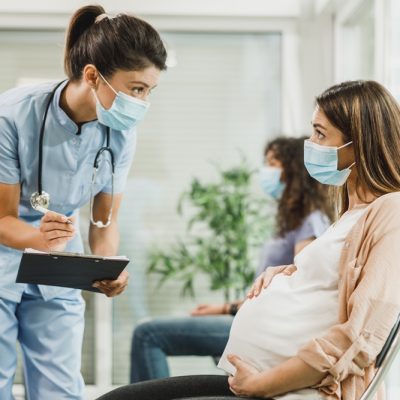
A recent study developed a new “digital companion” to support the prevention and follow-up of maternal cardiovascular risk in women with pregnancy complications.

Cardiovascular disease, or CVD, is the leading cause of premature death and illness in women, yet sex-specific causes remain understudied and women are underrepresented in research.

Pregnancy complications, including hypertensive disorders of pregnancy, or HDP, and gestational diabetes mellitus, or GDM, are strong predictors of future CVD, with pregnancy itself acting as a natural stress test.

Despite CVD accounting for 35 per cent of female deaths worldwide in 2019, systematic postpartum prevention remains limited in practice and incidence continues to rise.

Myocardial infarction, commonly known as heart attack, and stroke are the main fatal CVD events in women. Up to one-third of women develop hypertension within a decade after HDP, especially as maternal age rises.

Obstetric guidelines have historically lacked clarity on early CVD prevention after HDP and GDM, often relying on expert consensus rather than evidence.

Some cardiology guidelines now recommend personalised approaches, such as periodic hypertension and diabetes screening. Norwegian guidelines recommend cardiovascular risk evaluation at three months and one year postpartum, but adherence in practice is uncertain.

Effective risk reduction requires intervention before middle age. The immediate postpartum period following HDP or GDM is a critical window for early detection and intervention, offering an opportunity to engage women in cardiovascular health management, particularly as pregnancy can encourage long-term lifestyle awareness.

Electronic health, or eHealth, refers to the use of digital technologies and electronic communication tools to support healthcare services, medical information management and related health activities.

Systematic, eHealth-supported postpartum prevention can improve maternal health literacy and long-term cardiovascular outcomes.

However, there is a significant gap in targeted, eHealth-based postpartum interventions for cardiovascular risk management after HDP and GDM, despite strong patient demand and international calls for coordinated digital health strategies.

Home blood pressure monitoring shows promise, but broader digital support remains limited.

A cardiovascular postpartum follow-up programme was created as a mobile app based on Norwegian and international guidelines.

The MumCare app was developed through co-creation involving users, stakeholders and clinical experts. Five qualitative interviews and 10 user testing sessions informed improvements.

This study primarily analysed the iterative co-creation process used to develop the app, rather than evaluating clinical outcomes.

The MumCare project team in Oslo included an IT expert, obstetricians, a midwife, a GP, two sociologists and two cardiologists, all with relevant experience in eHealth and women’s health. A medical student with technological and medical expertise also helped turn ideas into app features for young women.

User representatives from two national patient associations contributed to information, recruitment, design and testing of the MumCare app.

Both associations provided user perspectives and took part in interviews and app testing. Additional users with HDP or GDM at Oslo University Hospital were also involved throughout the co-creation process.

The app’s digital infrastructure prioritises security and privacy, using encryption, de-identification and two-factor authentication.

User data is stored securely on the app and, for research purposes and with consent, on a dedicated University of Oslo server in line with GDPR and Norwegian regulations.

A linear Stage-Gate model structured the co-creation process, dividing it into phases with quality checkpoints reviewed in project meetings.

This approach balanced internal development with external user feedback, helping ensure the app is evidence-based, technically robust and user-centred.

The MumCare app guides postpartum women through tracking blood pressure, weight, physical activity and lab results, and provides personalised feedback to support self-management, mainly during the first postpartum year.

It also includes educational resources such as videos and guideline-based information to support understanding and engagement.

The app is also designed to support the transition from specialist pregnancy care to long-term follow-up with general practitioners.

It is described as a “digital companion” or health coach and does not replace clinical diagnosis or function as a medical device.

The co-creation process followed four phases focused on technical and procedural development.

In phase 1, input from expert organisations and user representatives established the app’s technical foundation.

It also reminds users of the one-year postpartum follow-up with their GP, a key time to assess risk factors and future care needs.

User organisation representatives gave feedback in phase 1, directly guiding content and feature development.

Phase 2 interviews confirmed that users want to monitor cardiovascular risk factors after HDP and GDM.

The analysis highlighted three themes: self-care strategies and uncertainties about hypertension, the need for accessible health information, and a more personalised approach to blood pressure monitoring in the app.

Concerns were also raised that frequent monitoring or app use could increase stress or create a sense of burden.

In phase 3, the app’s design and features were revised in response to feedback to improve usability and make sure they met users’ needs.

These changes led to a more intuitive and supportive interface for women during and after pregnancy.

Phase 4 involved building a prototype based on the updated designs, followed by further refinements after testing by the project team and users. Initial pilot testing with a small number of users suggested the app met its objectives and functioned as intended.

The MumCare app was co-created with input from experts, user organisations and patients over four phases.

Early expert and organisational contributions helped define the app’s goals, while ongoing feedback from patients helped ensure the design and content reflected users’ real needs.

This collaborative approach resulted in an app tailored to support women with pregnancy complications.

The MumCare app is currently being evaluated in a randomised controlled clinical trial that began in June 2024, with results needed to determine whether it improves long-term cardiovascular outcomes.

Continue Reading

Pregnancy

Women share stories rare pregnancy complication in awareness campaign

Published

on

A rare pregnancy complication has led to emergency surgery, including hysterectomies, after staff failed to detect it in affected women.

Scores of women have come forward to tell their stories of how they were affected by placenta accreta spectrum, or PAS, since the launch in February of a campaign to raise awareness among NHS staff and mothers-to-be of the dangers it poses.

One of them lost so much blood while giving birth that she has had to give up working as an NHS operating theatre nurse and suffers from PTSD.

Another lost six litres of blood and blames her daughter’s cerebral palsy on the stroke the child had while hospital staff were battling to save her life after an emergency caesarean section. Others have suffered permanent damage to their bladder or bowels.

Erin Cooper was never assessed for PAS even though she regularly bled heavily from 26 weeks into her pregnancy until she delivered her baby by emergency C-section at 33 weeks in 2024.

She said: “What I didn’t know, what no one had diagnosed, was that my placenta was abnormally and dangerously attached.

“The haemorrhage was catastrophic. I lost 4.5 litres of blood. I needed a massive blood transfusion, 13 units in total, and to save my life they had to perform a hysterectomy.

“It was like a murder scene. I now have PTSD around blood. I was a theatre nurse. I’ve had to change jobs and can no longer work in a patient-facing role.

“I get panicky when I hear sirens. I can’t drive past the hospital without feeling like I’m about to have a panic attack.

“I feel a deep loss of my womanhood. I’m now going into early menopause. Not a day goes by when I don’t think about being infertile at 33.”

PAS is associated with a history of C-section birth, while assisted fertility using in vitro fertilisation also increases the risk.

It occurs when the placenta, which gives the foetus nutrients and oxygen, grows too deeply into the wall of the woman’s uterus and blocks some or all of the cervix.

This makes the usual separation of the placenta from the uterus during birth difficult.

One hundred women who are concerned about how medical teams dealt with their PAS have contacted Amisha and Nik Adhia, who set up the Action for Accreta campaign.

The couple have collated the women’s experiences into a dossier of stories that vividly illustrate how often the condition goes undetected and the appalling physical consequences for those involved.

Seventy-five of the 100 cases are from around the UK and the others from abroad. In other cases, mothers suffered permanent damage to their bladder or bowels.

Six out of 10 of the 100 women say their PAS went undiagnosed, increasing the risk of them bleeding to death.

The 100 cases reveal “a dangerous gap in maternity care” and “systemic failures” that should prompt UK hospitals to do much more to train staff how to spot and treat PAS once it is diagnosed, say campaigners.

Politicians from all the main parties at Westminster are supporting their call for a major overhaul in how the NHS manages the condition.

Chloe Robinson from Burnley was taken to hospital in the middle of the night when she began bleeding heavily at home at 34 weeks pregnant in July 2024.

She said: “In theatre they discovered I had placenta accreta, something no one had suspected.

“They had to get several members of staff who were on call into the hospital because they weren’t prepared. I lost six litres of blood and had a hysterectomy to save my life.

“My daughter had a stroke, which I believe was due to the traumatic birth [and] she now has cerebral palsy.

“If they had found the condition before, none of this may have happened.”

A woman is at higher risk of PAS if she has had a previous birth by caesarean section because the placenta of her new pregnancy can attach itself to the scar of her C-section.

It is unclear exactly why IVF seems to also heighten the risk of the condition.

Doctors believe that the process of transferring and implanting an embryo into the woman during treatment may explain it, though they add that the extra risk posed by IVF is “small”.

Jeremy Hunt, the ex-health secretary who chairs Westminster’s all party parliamentary group on patient safety, urged NHS leaders to learn from the stories.

“Nik and Amisha have highlighted an important and under-recognised issue in maternity care,” she said.

“These stories and the Action for Accreta campaign highlight worrying gaps in how PAS is identified, recorded and managed across the NHS.

“Addressing these will require a more consistent, system-wide approach, including improved data, training and clinical preparedness.”

Continue Reading

Trending

Copyright © 2025 Aspect Health Media Ltd. All Rights Reserved.