




Wellness
Females have a 31% higher risk of developing Long Covid

Females have a 31 per cent higher associated risk of developing Long Covid, with women aged 40 to 55 years having the highest propensity, according to a new study.
The study followed 12,276 participants over time to identify the risk of developing Long Covid, and found females with a “risk ratio” of 1.31 compared with males, equating to 31 per cent higher associated risk.
This was even when considering factors like race, ethnicity, Covid variant, severity of Covid infection and other non-medical social factors that affect health.
The risk among females for developing long Covid was dependent on age, pregnancy and menopausal status.
“These findings show that patients and health care teams should consider the differences in long COVID risk as it relates to sex assigned at birth,” said Dimpy Shah, assistant professor of population health sciences at UT Health San Antonio.
“Understanding these differences can help us recognise and treat patients with Long Covid more effectively.”
“This important study from the RECOVER cohort identifies risk factors for long COVID that are critical in providing insights for prevention and treatment of this often debilitating disease,” said Thomas Patterson, professor of medicine at UT Health San Antonio.
Largest cohort study for Long Covid
Worldwide, SARS-CoV-2, a strain of coronavirus that causes Covid-19, has infected more than 700 million people, with an estimated seven million deaths, the study notes. Although many individuals recover from acute Covid-19, a substantial portion experience long-term effects, called Long Covid, or post-Covid condition.
Other post-viral and autoimmune conditions have a female predominance, but whether the same is true for Long Covid, especially within different subgroups, has been uncertain.
Numerous studies had shown that males have more severe acute Covid-19 cases and higher mortality than females. However, emerging literature suggested that females may be at greater risk for new and persisting symptoms following initial infection.
Studies had yet to fully account for factors that may distort the true estimate of biological sex-related risk – like age, menstrual status, comorbidities, vaccination status, variants of concern, severity of acute illness and differential engagement in health care. Some studies relied upon relatively small sample sizes or those lacking ethnic or racial diversity.
The RECOVER researchers set out to evaluate sex differences in the risk of developing Long Covid among adults with SARS-CoV-2 infections, accounting for distorting factors and representing the largest cohort to date followed up in a natural history study of Long Covid.
Data was examined from participants who had a qualifying study visit six months or more after their initial Covid-19 infection. Gender was defined as self-reported sex assigned at birth.
The scientists measured development of Long Covid using a self-reported symptom-based questionnaire and scoring guideline at the first study visit. They used propensity score matching to estimate risk ratios and risk differences.
The full model included demographic and clinical characteristics, and social determinants of health, with a reduced model including only age, race and ethnicity.
The full model found the 31 per cent higher risk for females, with a mean age of infection at 46 years. Among participants aged 40 to 54 years, the risk was even higher – at 42 per cent higher in menopausal participants and 45 per cent higher in non-menopausal female participants, compared with male participants.
“This study gives us new knowledge and builds on other studies that also looked at sex assigned at birth and Long Covid,” Shah said.
“Because of the size of the RECOVER study and the diversity of participants, we had a special opportunity to look at sex assigned at birth while also considering things like vaccination status, autoimmune disease, diabetes, BMI and Covid variant.
“We hope this encourages other researchers to explore why there are differences in the risk of developing Long Covid based on your assigned sex at birth,” she said.



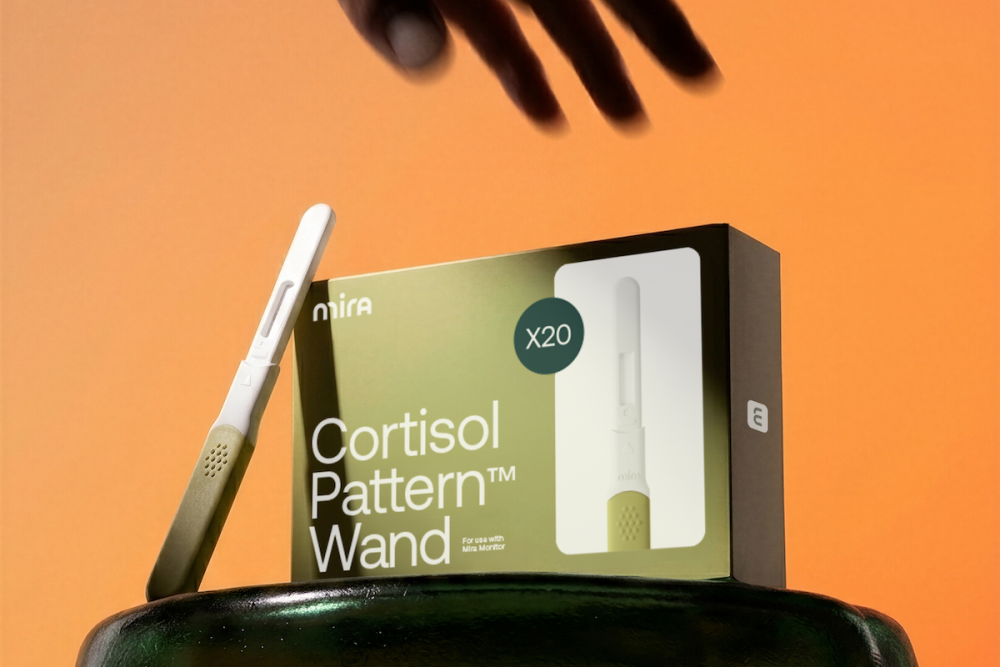
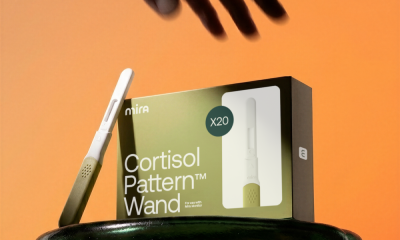
Mira has launched an at-home cortisol tracking kit that allows women to monitor stress-related patterns over time using urine samples.
The Cortisol Pattern Kit measures urinary free cortisol directly from a urine sample and displays results through the company’s existing monitor and app.
The system is intended for repeated testing rather than a single measurement, allowing users to compare results with a personal baseline built from their own data.
Mira said consistent daily testing can establish a baseline in about a week. It recommends testing in the morning and evening to see how cortisol patterns change throughout the day.
Cortisol is involved in the body’s stress response but is not a direct or complete measure of stress. The company said the kit is intended for general wellness use and is not designed to diagnose stress, an endocrine condition or any other medical condition.
The Cortisol Pattern Wands use the same lateral-flow testing format as Mira’s existing hormone tests. Users dip a wand into a urine sample, insert it into the Mira Monitor and view the result in the app within minutes.
The company said cortisol data can be viewed alongside cycle, hormone and daily routine information.
Sylvia Kang, founder and chief executive of Mira, said: “The Cortisol Pattern™ Kit gives women a new way to understand their stress patterns over time, in the context of their own biology.”
She added: “We built Mira to give women answers they had spent far too long searching for, beginning with the TTC journey and expanding into hormone and cycle tracking across life stages, including perimenopause. Now, we’re taking Mira beyond reproductive health and into everyday wellness, bringing personalised stress-pattern tracking directly into women’s homes.”
Mira said more than 350,000 women already use its platform to track their cycle and hormones.
Waitlist sign-ups for the Cortisol Pattern Kit and Cortisol Pattern Wands opened on 22 September, with wand refills available to pre-order in 20- and 30-count options.


Manchester City has launched a female athlete health platform covering menstrual, pelvic and breast health, as well as nutrition.
The Her City website is designed for the club’s women’s first-team players, coaches, support staff, academy players and parents.
Manchester City says the platform is the first of its kind in the Women’s Super League and was developed over two years.

The project was led by director of performance services Emma Deakin, physical performance scientist Rosie Anderson and PhD student and first-team nutritionist Sarah Malone.
It grew out of PhD research into menstrual, pelvic and breast health and nutrition, with the team seeking to turn that work into an online educational resource.
The website divides the four areas into separate sections and provides peer-reviewed information that the club says has been critically analysed by experts.
Content will continue to be reviewed and updated as further evidence emerges.
Resources include posters, visual explainers, audio materials and downloadable educational content, with information tailored to different groups including players and parents.
The platform aims to improve knowledge, develop critical analysis skills and strengthen communication within football and at home.
It also includes material to help users assess misinformation they encounter on social media or elsewhere.
A confidential contact form allows users to raise concerns or ask questions directly of experts at Manchester City.
Parents of academy players can also access the platform, with resources intended to help them support their children during a key phase of their development.
Manchester City said its longer-term aim is to make the platform available to all women working across City Football Group.









 Diagnosis2 days ago
Trust to decide how far back to review unnecessary breast cancer surgeries

 Diagnosis3 days ago
New test could cut need for invasive womb cancer checks
 Healthy ageing5 days ago
Higher BMI in early adulthood linked to lower breast cancer risk after menopause

 Business & startups4 days ago
Personalising women’s health with AI

 Pregnancy2 days ago
UK commits £254m to boost women’s maternal healthcare choices
 Tech & devices4 days ago
Mira launches at-home cortisol tracking kit

 Diagnosis4 days ago
Targeted nanotherapy shows endometriosis promise

 Pregnancy2 days ago
Parents given new right to two weeks’ leave after pregnancy loss
1 Comment