




Wellness
Unlocking the wellness code: The role of executive functioning in health and success
By Chaitra Vedullapalli, Founder and President, Women in Cloud


Wellness, often narrowly defined as physical health, is a multifaceted concept encompassing mental clarity, emotional resilience, and the ability to manage life’s complexities.
In today’s high-stakes professional landscape, particularly for women in leadership and entrepreneurial roles, achieving holistic well-being requires more than exercise and a healthy diet.
It demands mastering executive functioning—a set of cognitive skills that enable individuals to manage themselves and their resources effectively to achieve goals.
Executive functioning is the unsung hero of wellness. It governs our ability to plan, organise, focus, and adapt to challenges—skills critical for balancing the demands of modern life.
When these skills are optimised, they unlock the potential to thrive personally and professionally.
However, when executive functioning falters, it can lead to overwhelm, decision fatigue, and diminished productivity.
The Link Between Executive Functioning and Wellness
At its core, executive functioning acts as the control centre of the brain, orchestrating daily activities and long-term goals. These skills are intricately connected to wellness.
For instance, managing stress effectively relies on emotional regulation, while maintaining a healthy lifestyle requires planning and self-monitoring.
Women, who often juggle multiple roles as professionals, caregivers, and community leaders, face unique challenges in maintaining their executive functioning.
Research shows that hormonal fluctuations, societal expectations, and limited support systems can impact cognitive clarity and emotional resilience.
This is where intentional strategies for enhancing executive functioning can make a transformative difference.
Practical Steps to Unlock the Wellness Code
1. Prioritise Sleep for Cognitive Recovery:
Sleep is the foundation of executive functioning. Without adequate rest, decision-making, focus, and emotional regulation suffer.
Create a sleep-friendly environment by establishing a consistent bedtime routine and minimising screen time before bed.
2. Know your data:
Get blood tests every six months to ensure you know your health performance, vitamin deficiencies and hormone ranges.
3. Adopt Mindfulness & Gratitude Practices:
Mindfulness meditation has been shown to strengthen the brain’s prefrontal cortex, improving attention and stress regulation.
Just 10 minutes of daily mindfulness and gratitude journaling to can enhance mental clarity and resilience.
4. Streamline Daily Routines:
Simplify decision-making by establishing routines for meals, exercise, and work tasks. Delegating non-essential tasks can free up cognitive resources for more significant responsibilities.
5. Invest in Emotional Resilience:
Emotional regulation is a cornerstone of wellness. Participate in supportive communities can help process emotions and build resilience in the face of challenges.
6. Leverage Technology for Support:
Tools like digital planners, fitness trackers, and wellness apps can help streamline tasks and provide reminders to stay on track with health goals.
Integrating Wellness Into Life
Achieving wellness isn’t about perfection—it’s about integration and conversation. For professional women, this means aligning wellness strategies with personal and career goals.
By focusing on incremental improvements in executive functioning, women can reduce stress, enhance productivity, and create a fulfilling balance between work and life.
Our Invitation to Transform
The journey to mastering executive functioning and achieving holistic wellness doesn’t have to be navigated alone.
The #WICxWellness Summit 2024, scheduled for February 6th, offers a unique opportunity to gain expert insights and actionable strategies.
From understanding pain levels to hormonal health to exploring the latest in wellness technology, this 2.5-hour interactive event equips attendees with tools to become the Chief Well-Being Officer of your life.
Ready to transform your well-being and unlock your full potential?
https://womenincloud.com/wicxwellness2025/.
Don’t miss the chance to take control of your wellness and success.









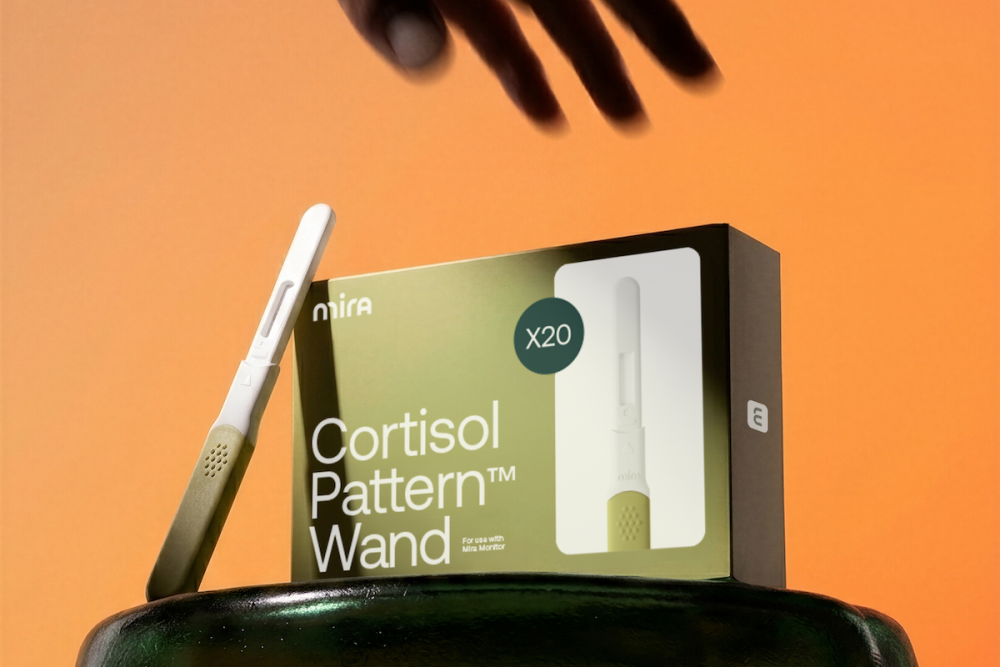
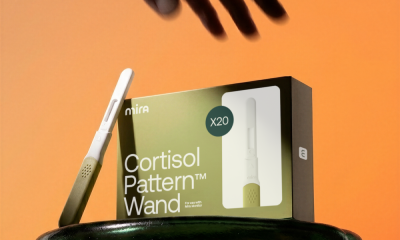
Mira has launched an at-home cortisol tracking kit that allows women to monitor stress-related patterns over time using urine samples.
The Cortisol Pattern Kit measures urinary free cortisol directly from a urine sample and displays results through the company’s existing monitor and app.
The system is intended for repeated testing rather than a single measurement, allowing users to compare results with a personal baseline built from their own data.
Mira said consistent daily testing can establish a baseline in about a week. It recommends testing in the morning and evening to see how cortisol patterns change throughout the day.
Cortisol is involved in the body’s stress response but is not a direct or complete measure of stress. The company said the kit is intended for general wellness use and is not designed to diagnose stress, an endocrine condition or any other medical condition.
The Cortisol Pattern Wands use the same lateral-flow testing format as Mira’s existing hormone tests. Users dip a wand into a urine sample, insert it into the Mira Monitor and view the result in the app within minutes.
The company said cortisol data can be viewed alongside cycle, hormone and daily routine information.
Sylvia Kang, founder and chief executive of Mira, said: “The Cortisol Pattern™ Kit gives women a new way to understand their stress patterns over time, in the context of their own biology.”
She added: “We built Mira to give women answers they had spent far too long searching for, beginning with the TTC journey and expanding into hormone and cycle tracking across life stages, including perimenopause. Now, we’re taking Mira beyond reproductive health and into everyday wellness, bringing personalised stress-pattern tracking directly into women’s homes.”
Mira said more than 350,000 women already use its platform to track their cycle and hormones.
Waitlist sign-ups for the Cortisol Pattern Kit and Cortisol Pattern Wands opened on 22 September, with wand refills available to pre-order in 20- and 30-count options.


Manchester City has launched a female athlete health platform covering menstrual, pelvic and breast health, as well as nutrition.
The Her City website is designed for the club’s women’s first-team players, coaches, support staff, academy players and parents.
Manchester City says the platform is the first of its kind in the Women’s Super League and was developed over two years.

The project was led by director of performance services Emma Deakin, physical performance scientist Rosie Anderson and PhD student and first-team nutritionist Sarah Malone.
It grew out of PhD research into menstrual, pelvic and breast health and nutrition, with the team seeking to turn that work into an online educational resource.
The website divides the four areas into separate sections and provides peer-reviewed information that the club says has been critically analysed by experts.
Content will continue to be reviewed and updated as further evidence emerges.
Resources include posters, visual explainers, audio materials and downloadable educational content, with information tailored to different groups including players and parents.
The platform aims to improve knowledge, develop critical analysis skills and strengthen communication within football and at home.
It also includes material to help users assess misinformation they encounter on social media or elsewhere.
A confidential contact form allows users to raise concerns or ask questions directly of experts at Manchester City.
Parents of academy players can also access the platform, with resources intended to help them support their children during a key phase of their development.
Manchester City said its longer-term aim is to make the platform available to all women working across City Football Group.









 Diagnosis2 days ago
Trust to decide how far back to review unnecessary breast cancer surgeries

 Diagnosis3 days ago
New test could cut need for invasive womb cancer checks
 Healthy ageing5 days ago
Higher BMI in early adulthood linked to lower breast cancer risk after menopause

 Business & startups4 days ago
Personalising women’s health with AI

 Motherhood2 days ago
UK commits £254m to boost women’s maternal healthcare choices
 Menstrual & gynaecological health4 days ago
Mira launches at-home cortisol tracking kit

 Pregnancy2 days ago
Parents given new right to two weeks’ leave after pregnancy loss

 Diagnosis4 days ago
Targeted nanotherapy shows endometriosis promise