




Fertility
Endometriosis: What employers need to know


With around 1 in 10 women affected by endometriosis, providing fertility support can improve wellbeing, productivity, and retention.
Q&A with Natasha Fernando, GP & Medical Director, Medichecks
In an increasingly diverse workplace, understanding and supporting the health challenges faced by employees is crucial. One condition that remains under the radar for many businesses is endometriosis, a condition that affects one in ten women.
Dr Natasha Fernando, a practicing GP and Medical Director at Medichecks, offers her insights on the importance of supporting employees with endometriosis and how businesses can create a culture of understanding and care.
Q: Why is it important for employers to support employees with endometriosis?
Endometriosis affects around 1 in 10 women of reproductive age (approximately 176 million women globally), and it can have a significant impact on both physical and emotional health. It often causes chronic pain, fatigue, and can interfere with a person’s ability to focus and perform well at work.

Without the right support, employees may struggle to balance their health and work commitments.
According to a study by Endometriosis UK, 50 per cent of women with endometriosis report needing to take time off work due to the condition, and in February this year, national research for England proved that sufferers earn less as a result.
By fostering a culture that acknowledges the challenges of endometriosis, businesses can reduce stress, improve retention, and create a more inclusive environment. Employees who feel supported during difficult times are more likely to stay engaged and loyal to their employer.
Q: How can businesses create a supportive environment for employees with endometriosis?
A strong workplace strategy should focus on flexibility, understanding, and providing access to healthcare. Flexible working hours or remote working can make a huge difference to employees dealing with pain or fatigue. Employers can also help by offering time off for medical appointments or flare-ups.
Another crucial aspect is creating an open environment where employees feel comfortable discussing their condition without fear of stigma. Raising awareness is key, as only 27 per cent of women with endometriosis feel their employers understand their condition (Endometriosis UK).
Training leadership to recognise the signs of endometriosis and offering mental health support, such as access to counselling or Employee Assistance Programmes (EAPs), are also vital steps.
Q: What should a workplace health strategy include for employees with endometriosis?
The strategy should focus on flexibility, access to relevant health services, and raising awareness. Employers can offer practical support like adjusted hours, remote working options, or additional leave for medical appointments. There should also be a focus on educating staff and managers about endometriosis, as awareness and understanding can significantly reduce stigma and improve workplace culture.
Offering access to diagnostic services or health checks can also be a helpful step, allowing employees to manage their condition more proactively. With studies showing that 1 in 3 women with endometriosis experience difficulty managing their condition at work, an informed strategy is essential (NHS England).
Q: How does endometriosis affect productivity, and what can businesses do to mitigate this?
Endometriosis can have a substantial impact on productivity, particularly during flare-ups. Employees might experience debilitating pain, fatigue, heavy periods (which can cause anemia and fatigue) or other symptoms that affect their ability to concentrate and meet deadlines. Around 6.5 million workdays are lost every year in the UK due to endometriosis (Endometriosis UK).
To mitigate this, employers should consider offering flexible working options and a supportive work environment. Acknowledging that this is a long-term condition for many employees, and offering proactive support, such as adjusted workloads during flare-ups, can help employees manage their symptoms and continue working effectively.
Q: Is fertility support necessary for employees with endometriosis?
Fertility issues are common among those with endometriosis, with studies showing that 30 to 50 per cent of women with the condition experience infertility (Endometriosis UK). Offering support in this area can be important. However, the condition itself can affect many aspects of a person’s health and wellbeing, so fertility support should be just one part of a broader approach.
Businesses that provide access to fertility treatments, flexible working, and other health resources can show that they care about the whole person, not just their ability to perform at work. Proactively offering support before fertility becomes a concern can make a significant difference.
Q: What would you say to businesses that feel endometriosis support is outside their remit?
Supporting employees with endometriosis doesn’t require a major overhaul of business practices—it can be as simple as showing empathy and making small adjustments that demonstrate understanding. Providing flexibility, raising awareness, and offering access to healthcare resources are all effective ways to support employees without straining business resources.
A compassionate, inclusive approach can help improve morale, reduce absenteeism, and foster loyalty. In turn, this can contribute to a more positive and productive work environment.
Dr. Natasha Fernando – Medical Director, Medichecks
Dr Natasha Fernando is the Medical Director at Medichecks, where she leads a team of doctors and healthcare professionals dedicated to offering accessible, evidence-based health testing. With over 12 years of experience in the NHS, Dr Fernando also practices as a GP and holds a Diploma in Lifestyle Medicine. Passionate about preventative healthcare, she works to ensure individuals have access to the tools and knowledge needed to make informed decisions about their health.


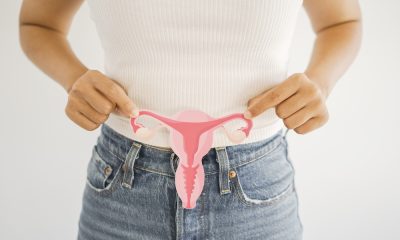





Onto Health has acquired Levy Health, a fertility software company providing precision diagnostics and patient intake for reproductive medicine.
The acquisition, fuelled by Onto Health’s US$20m Series A fundraise in April, supports its plan to build scalable, tech-enabled infrastructure for reproductive medicine.
Onto founder Roohi Jeelani, MD, called it the first of several moves in the company’s expansion strategy in a LinkedIn post, adding that there was “more coming soon”.
She said: “This isn’t just an acquisition, it’s proof of how we’re building Onto: physician-led, tech-enabled, and built to scale without losing the personal touch fertility patients deserve.”
Headquartered in Chicago, Onto Health combines evidence-based fertility care with artificial intelligence-driven diagnostics, clinical automation and longevity science.
AI-driven diagnostics use software to analyse patient information and support clinical decision-making, rather than replace clinicians.
Levy Health, founded in Berlin with US offices in San Francisco, helps medical providers identify endocrine disorders more quickly and helps clinics streamline fertility workups.
Endocrine disorders affect the body’s hormone system, which can influence ovulation, menstrual cycles and fertility.
Co-founder Caroline Mitterdorfer said joining Onto would expand Levy Health’s fertility care tools to more clinics and patients, helping physicians focus on patient care.
Onto opened its first clinic in Chicago in February, with plans for three more in the greater Chicago area.
The company said in April that it would use its new funding, led by Artis and Humania, to support additional operations in the US and expand into the Gulf Cooperation Council.
The Gulf Cooperation Council includes six Arab states bordering the Persian Gulf.

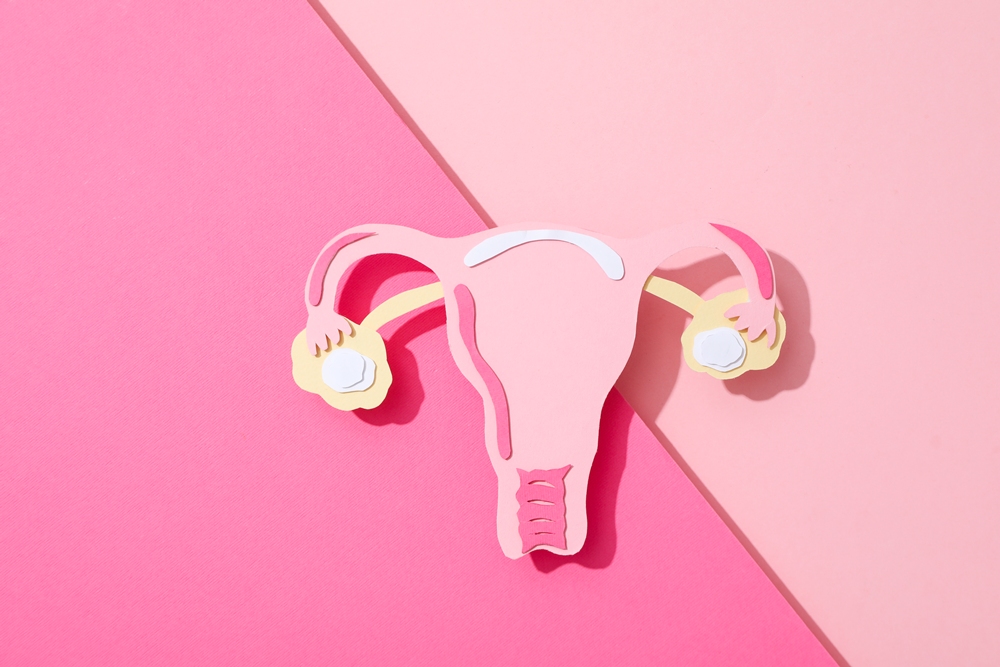
Softening ageing ovaries could help women remain fertile for longer, early animal research suggests.
Fertility declines with age for several reasons, including poorer egg quality, fewer ovarian follicles and the gradual stiffening of ovarian tissue.
Existing fertility treatments, including hormone therapy and in vitro fertilisation, mainly address hormonal imbalances or help eggs mature or become fertilised.
Scientists are now examining whether changing the physical structure of the ovaries could provide another route for future fertility treatments.
Stuart A. Cook, of the Cardiovascular and Metabolic Disorders Programme at Duke-National University of Singapore Medical School, published an accompanying commentary on the research.
Researchers led by Shixuan Wang at Huazhong University of Science and Technology in Wuhan, China, collected healthy ovarian tissue from younger, middle-aged and older women.
They also examined samples from patients with polycystic ovary syndrome, known as PCOS, premature ovarian insufficiency, or POI, and endometriosis.
PCOS is a hormonal condition that can disrupt ovulation. POI occurs when the ovaries stop working normally before the age of 40, while endometriosis causes tissue similar to the womb lining to grow elsewhere in the body.
Tests of protein levels and gene activity found higher levels of the inflammatory protein interleukin-11, or IL-11, in ageing and diseased ovaries.
In laboratory experiments, the researchers exposed ovarian fibroblasts to IL-11. Fibroblasts are cells that produce connective tissue.
The protein caused the cells to produce excess collagen, a structural material that can build up during scarring and make tissue stiffer.
The researchers then genetically modified mice so they could not respond to IL-11. The animals developed less ovarian stiffening and maintained better ovarian function as they aged.
Similar results were seen in mouse models of PCOS and POI caused by chemotherapy.
In the final part of the experiment, older mice and rats were injected with a nanoparticle treatment containing small interfering RNA, or siRNA, designed to switch off IL-11.
The treatment made the animals’ ovaries less stiff and improved fertility.
Pregnancy rates among older mice rose from 25 per cent to 50 per cent, while average litter sizes also increased.
More rats treated with the therapy became pregnant and produced larger litters.
The approach remains highly speculative and will require considerably more research before its safety or effectiveness in women can be established.
However, the researchers said blocking the inflammatory pathway could eventually form the basis of new fertility treatments.
They said: “We propose that anti-IL-11 therapy represents a promising translational strategy for delaying ovarian ageing.”

W Group has opened applications for W Accelerate with Merck KGaA and M Ventures, inviting reproductive and maternal health startups, scaleups and spinouts to pitch for direct access to global pharma partnership and strategic investment.
Selected companies will pitch on 5th October, competing for the chance to accelerate their growth through commercial partnerships, investment, or both.
This is the third time Merck KGaA, a global leader in reproductive health, has partnered with W Group on the programme, which exists to close the innovation and investment gap in women’s health by connecting the sector’s most promising startups directly with the corporates and investors positioned to scale them.
What Merck KGaA and M Ventures are looking for
This year’s call is focused on breakthrough solutions in female infertility, fertility preservation, adenomyosis, endometriosis, polyendocrine metabolic ovarian syndrome (PMOS), ovarian insufficiency, preeclampsia and pregnancy comorbidities.
New for this round, applicants choose between three pathways depending on what they need from the programme:
- The Partnership Lane, for companies seeking commercial collaborations and strategic relationships
- The Investment Lane, for founders looking to connect with investors and secure funding to scale
- The Dual Lane, for innovators pursuing both partnership and investment opportunities
How the Accelerate event works
Selected companies get a 1:1 pitch practice session ahead of time, then a private 30-minute session with Merck KGaA and M Ventures leadership on the day itself, small-group sessions with regulatory and investment strategy experts, an “Ask Merck Anything” roundtable, and a VIP networking reception.
Key dates
- Open call launches: 8th July
- Open call closes: 2nd September
- Notification of successful companies: 11th September
- Pitch day: 5th October
Applications are open now at wplatform.typeform.com/to/KGzviBQM.









 Diagnosis2 weeks ago
Two “gamechanger” tests set to speed up endometriosis diagnosis on the NHS

 Insight2 weeks ago
Women with PMOS should have annual NHS checks, new guidance says

 News4 days ago
New menopause drug approved for use by NHS in Scotland

 Cancer2 weeks ago
Thousands of women could avoid painful cancer exam with new AI blood test

 Entrepreneur1 week ago
Applications open for the third W Accelerate with Merck KGaA and M Ventures
 Fertility2 weeks ago
Older women face lower chance of fertility treatment working, even with donor eggs, study finds

 News2 weeks ago
We built Ema like a nurse: Here’s why that matters

 News2 weeks ago
Experts call for regulation of toxic period product chemicals