




News
US fertility clinic introduces ‘AI-powered’ embryo selection tool
Reach Fertility has added Caremaps-AI as part of its service for all IVF patients

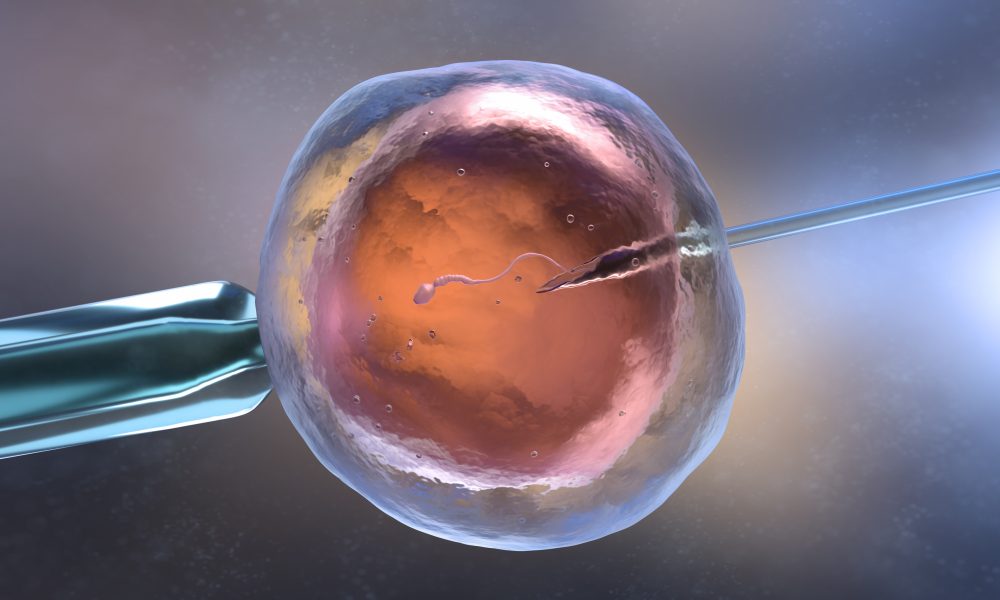
The US fertility practice Reach has introduced an ‘AI-powered’ embryo selection tool as part of its service for all IVF patients.
Reach, a fertility treatment and research practice based in North Carolina, announced last year a partnership with the UK-based fertility clinic Care Fertility.
As part of the collaboration, the company has joined a research-focused fertility network with access to advanced reproductive science technology.
Caremaps-AI, the time-lapse imaging technique developed by Care Fertility, aims to assist embryologists in choosing the embryo with the most potential without the need for genetic testing.

To capture images of the embryos, Reach will use the Embryoscope time lapse incubator, made by Vitrolife. The device has an integrated camera system that takes images in up to 11 focal planes, every 10 minutes, from the moment of fertilisation to the time the embryo is ready for transfer or ready to be cryogenically stored.
These images combined with AI analysis, are hoped to remove human subjectivity from embryo assessment and allow embryologists to select the embryo with the highest chance of becoming a healthy baby.
“This technology has direct impacts on patient treatment,” said Jennifer Patrick, lab director for Reach Fertility.
“By increasing the reliability of the embryo selection process and the accuracy of predictions, we can ensure patients are given their best chance of having a child.”
Patrick Mc Phillips, executive director at Reach Fertility, said: “Our partnership with Care Fertility has afforded us these kinds of breakthrough opportunities and we are thrilled to be able to offer them to our patients.
“Reach is proud to expand its services, ensuring those who want to grow or start their families have access to resources that increase their likelihood of doing so.
He added: “Our patients will continue to receive exceptional medical care and now with Caremaps-AI they will gain access to a higher level of reproductive technology, giving them an even higher chance at success.”

News
Two weeks left to make your mark in women’s cardiovascular health

Cardiovascular disease is the leading cause of death in women worldwide yet the gap between what we know and what reaches female patients remains stubbornly wide.
If your work is helping to close that gap, the Cardiovascular Health Innovation Award sponsored by Women As One was made for you.
Entry closes in just over two weeks. Every shortlisted entry will receive extensive coverage across all Femtech World platforms.
That means your innovation lands in front of a global audience that includes investors actively deploying capital into health technology, clinicians looking for tools that will improve patient outcomes for female patients and industry leaders shaping the future direction of women’s cardiovascular care.
The winner receives a trophy, a dedicated interview and platform visibility that goes beyond what shortlisted entrants receive.
The breadth of what we want to see
Perhaps you are developing a risk stratification tool that accounts for female-specific risk factors such as pregnancy complications, polycystic ovary syndrome, or early menopause.
Maybe you are working on remote monitoring technology that keeps women with heart failure safer at home.
Perhaps your innovation addresses the racial and socioeconomic disparities that compound cardiovascular risk for women who are already underserved.
Perhaps it is a wearable, a biomarker, a diagnostic platform, or a clinical decision support tool that is helping cardiologists see their female patients more clearly.
If it advances women’s cardiovascular health in a meaningful way, we want to hear about it.
Two weeks left
The entry process will not consume your calendar.
What it asks for is a clear articulation of the problem you are tackling, the solution you have developed and the impact you believe it can have.
That is a conversation worth having regardless of the award.
Submit before the window closes.
Women’s cardiovascular health needs bold thinkers willing to put their work forward and Femtech World is ready to make sure the right people see it.
Find out more and enter for free here.
Menopause
Genital menopause symptoms: What to expect and when to see a doctor

Article produced in association with Spital Clinic
Genitourinary syndrome of menopause (GSM) affects around one in two women after the menopause — and fewer than one in three of those affected ever bring it up with a doctor.
The condition covers a cluster of vaginal, urinary, and sexual symptoms caused by falling oestrogen levels during and after the menopause transition.
It is one of the most common and most treatable consequences of that hormonal shift, and yet it remains one of the least likely topics to come up in a clinical consultation.
What Is Genitourinary Syndrome of Menopause?
The term genitourinary syndrome of menopause replaced older descriptions like atrophic vaginitis and vulvovaginal atrophy because those names missed the point — this condition is not confined to the vagina.
It affects the entire lower genitourinary tract: the vulva, vagina, urethra, and bladder neck, all of which depend on oestrogen to maintain their structure and function.
As oestrogen levels fall during the perimenopause and drop further after the menopause, these tissues change in tangible ways.
The vaginal lining thins; mucus production decreases; vaginal pH rises, making bacterial imbalance more likely; and the cushioning fat tissue around the vulva diminishes.
Crucially, these changes are progressive — without treatment, they continue to worsen rather than settling on their own.
NICE guideline NICE guideline NG23: Menopause — identification and management, updated in November 2024, defines genitourinary symptoms as a core part of the menopause syndrome. The guidelines support active treatment across all severity levels — not just when symptoms are severe.
The Full Symptom Picture: Genital, Urinary and Sexual
Genital symptoms are the most widely recognised.
Vaginal dryness is the most common, affecting up to 93 per cent of women with GSM — and described as moderate to severe in 68 per cent of those affected.
Other symptoms include burning, itching, soreness, and unusual or offensive discharge caused by changes in the vaginal environment.
The tissue can become fragile enough to bleed from minor friction, including during a gynaecological examination.
Urinary symptoms arise because the urethra and bladder neck are equally dependent on oestrogen.
These include needing to urinate more often or urgently, waking in the night to urinate, pain or burning when urinating, recurrent urinary tract infections, and stress incontinence — leakage triggered by coughing, sneezing, or exercise.
Many women with recurrent UTIs are treated again and again with antibiotics without the underlying GSM ever being identified or addressed.
Sexual symptoms complete the picture: painful intercourse from reduced lubrication and tissue fragility, spotting or bleeding after sex, and reduced arousal, lubrication, and ability to orgasm.
These changes are physical in origin, not psychological — though if symptoms go unmanaged for long enough, the two often start to reinforce each other.
Prevalence data from North Tees and Hartlepool NHS Foundation Trust shows that vaginal dryness affects around one in four women in the lead-up to the menopause, rising to one in two after it, and approximately seven in ten women in their seventies.
Symptoms can begin during the perimenopause — well before periods have stopped.
Anyone noticing these changes can seek assessment through a GP or NHS sexual health service — or through a private gynaecology specialist.
Why GSM Does Not Improve Without Treatment
Unlike hot flushes and night sweats — which typically ease over two to five years — genitourinary symptoms do not improve over time and return once treatment stops.
They are chronic and progressive: the longer they go untreated, the more entrenched the underlying tissue changes become.
This makes the gap between prevalence and treatment especially significant.
Around 70 per cent of women with GSM symptoms never raise them with a healthcare professional, and only 4 per cent to 35 per cent use any form of treatment — partly from embarrassment, partly because many assume nothing can be done.
A condition with safe, effective, NICE-recommended treatments goes largely unmanaged.
First-Line Self-Care: Moisturisers, Lubricants and OTC Options
Vaginal moisturisers — such as Replens, Regelle, and Sylk gel — differ from vaginal lubricants: they are for regular, ongoing use (typically two to three times per week) to maintain tissue hydration.
They do not treat the underlying hormonal cause, but are effective at reducing dryness and discomfort and are NICE NG23-supported as first-line non-hormonal management.
Vaginal lubricants are for use during sexual activity. Water-based lubricants are compatible with latex condoms and diaphragms; oil-based products are not. Both are available over the counter and are a reasonable first step for mild or early symptoms.
NICE NG23 supports their use alongside vaginal oestrogen, and recommends them as the primary option when hormonal treatment is not suitable.
Vaginal Oestrogen and Prescription Treatments
For symptoms that persist beyond a few weeks of self-care, or that are moderate to severe from the outset, NICE NG23 sets out the evidence-based first-line treatment: offer vaginal oestrogen to anyone with genitourinary symptoms associated with the menopause — including those already using systemic HRT — and review regularly.
Vaginal oestrogen restores oestrogen levels in local tissue without significant absorption into the wider body.
NHS information on vaginal oestrogen confirms it does not carry the same risks as systemic HRT — the dose is low and very little reaches the general circulation, which matters for women who have been advised against systemic treatment. It comes as a tablet, pessary, cream, gel, or ring.
NICE NG23 specifically recommends vaginal oestrogen for women already using systemic HRT as well as those who are not — recognising that between 10 per cent and 25 per cent of women on systemic HRT still experience genitourinary symptoms that systemic treatment alone does not fully address.
Two further prescription options are available for women who cannot use vaginal oestrogen or have not responded to it.
Prasterone — a DHEA vaginal pessary — is recommended by NICE NG23 when vaginal oestrogen or non-hormonal treatments have not worked or are not tolerated.
Ospemifene, an oral tablet, is recommended where locally applied treatments are not practical — for example, due to physical disability.
Choosing between these options involves a clinical review of individual history, any contraindications, and personal preference.
A BMS-accredited private menopause assessment can provide that review alongside a full discussion of treatment options.
On laser therapy: the RCOG Scientific Impact Paper No. 72 concluded that vaginal laser treatment for GSM should not be offered outside of randomised controlled trials, and NICE NG23 takes the same position.
For women with a history of breast cancer, non-hormonal moisturisers and lubricants come first; vaginal oestrogen may be considered if those are ineffective, but only with the involvement of the treating oncologist.
When to See a Doctor
The NHS recommends seeking assessment when genital menopause symptoms have persisted for more than a few weeks despite self-care, when they are affecting daily life or sexual function, or when they involve post-menopausal bleeding, unusual discharge, or recurrent urinary tract infections.
Post-menopausal bleeding always warrants prompt GP review. It should not be assumed to be friction-related or attributable to GSM without a clinical examination — it is a red flag symptom that requires investigation to rule out other causes.
Recurrent UTIs in a postmenopausal woman — particularly without an obvious cause — are worth assessing for an underlying GSM component, rather than treating with repeated antibiotic courses alone.
A GP can initiate first-line treatment; for more complex presentations or where initial management has not helped, a menopause specialist can offer a more thorough evaluation.
The shift from terms like atrophic vaginitis to genitourinary syndrome of menopause reflects something important: these are medical symptoms, not a normal inconvenience to be quietly endured.
Effective treatment exists at every level of severity — from OTC moisturisers through to NICE NG23-recommended prescription options.
Anyone whose symptoms are affecting quality of life can see an NHS GP, or book a private menopause assessment with a BMS-accredited specialist.
The gap is not in what medicine can offer — it is in how reliably those options reach the women who need them.
This article is produced for informational purposes only and does not constitute medical advice, diagnosis or treatment. Clinical guidance referenced reflects published NHS and NICE standards as at March 2026. Individual circumstances vary; readers are advised to consult a qualified healthcare professional before acting on any information in this article. This piece was produced in association with Spital Clinic, which provided background clinical information for editorial purposes. Hyperlinks to external sources are included for reference only and do not represent an endorsement of any product, service or organisation.
Entrepreneur
Three sessions that show exactly where women’s health is heading in 2026

The women’s health sector is no longer just building a case for itself.
Capital is moving, consolidation is accelerating, and the companies that understood the opportunity early are now focused on one thing: scale.
The conversations happening at Women’s Health Week USA on May 13-14 at the New York Academy of Medicine reflect exactly that shift.
Three sessions in particular cut to the heart of where the industry is right now, and where it’s going next. Here’s a closer look at what’s on the full programme.
Key Panel Discussions
Who’s Backing the Boom: Inside the Capital Surge in Women’s Health
Capital is flowing into women’s health at record levels.
The question is no longer whether the sector will attract institutional investment, but where that capital is coming from, who it’s going to, and what it takes to unlock the next wave of commercial growth.
This session puts those questions to a panel with direct experience of deploying and raising capital in the sector.
Nicole Mooljee Damani (EY-Parthenon) moderates a conversation between Tara Bishop (Black Opal Ventures), Trish Costello (Portfolia), and Ramiz Khan (Wellcome Leap), three investors with distinct mandates and a shared focus on what actually moves the needle.
For founders and operators in the room, this session is a direct window into how the people writing the cheques are thinking.
What they’re backing, what they’re passing on, and what the current capital environment means for the companies building in women’s health right now.
Mergers & Acquisitions: Who’s Buying, Who’s Building, and Why
The M&A landscape in women’s health is heating up. Strategic acquisitions, consolidation plays, and corporate partnerships are reshaping the competitive map, and the decisions being made now will define the structure of the industry for years to come.
This panel examines the logic behind who’s acquiring and who’s holding, from the perspective of people operating at the sharp end of those decisions.
Oriana Papin-Zoghbi (AOA Dx), Monica Cepak (Wisp), Gabrielle de Briey (Hologic), and Johanna Grossman (New York Stock Exchange) bring a combined view that spans diagnostics, digital health, medtech and the capital markets infrastructure that underpins it all.
For anyone building a company with an eye on strategic exits, partnerships or acquisitions, this is the session that maps the terrain.
The Economics of Equity: How Inclusion Equals Growth Strategy
Inclusion isn’t a tickbox. It’s a growth lever. And the data increasingly backs that up.
This session makes the commercial case for equity in women’s health, examining how addressing underserved populations and closing health disparities doesn’t just serve social goals, it creates the biggest commercial opportunities in the sector.
The shift from impact metric to market strategy is already underway. This panel is where that argument gets made in full.
Annie Theriault (Cross Border Impact Ventures) moderates a conversation between Sharon Meers (Midi Health), Lauren Makler (Cofertility), Tanvi Patel (Amazon Pharmacy), and Julia Berenson (World Health Organisation). The breadth of that panel, spanning venture, fertility, pharma and global health policy, is itself a signal of how far the conversation has moved.
These three sessions are part of a broader two-day programme bringing together 700+ senior decision makers across investment, innovation, policy and medtech.
The event is built around curated 1:1 matchmaking, with introductions structured around each attendee’s commercial priorities.
Early Bird Pricing for Women’s Health Week USA is ending Friday April 17, to save up to $600 on your ticket to the Global Stage for Scale, book now!
Secure your place at Women’s Health Week USA
The women’s health sector is no longer just building a case for itself.
Capital is moving, consolidation is accelerating, and the companies that understood the opportunity early are now focused on one thing: scale.
The conversations happening at Women’s Health Week USA on May 13-14 at the New York Academy of Medicine reflect exactly that shift.
Three sessions in particular cut to the heart of where the industry is right now, and where it’s going next. Here’s a closer look at what’s on the full programme.
Key Panel Discussions
Who’s Backing the Boom: Inside the Capital Surge in Women’s Health
Capital is flowing into women’s health at record levels.
The question is no longer whether the sector will attract institutional investment, but where that capital is coming from, who it’s going to, and what it takes to unlock the next wave of commercial growth.
This session puts those questions to a panel with direct experience of deploying and raising capital in the sector.
Nicole Mooljee Damani (EY-Parthenon) moderates a conversation between Tara Bishop (Black Opal Ventures), Trish Costello (Portfolia), and Ramiz Khan (Wellcome Leap), three investors with distinct mandates and a shared focus on what actually moves the needle.
For founders and operators in the room, this session is a direct window into how the people writing the cheques are thinking.
What they’re backing, what they’re passing on, and what the current capital environment means for the companies building in women’s health right now.
Mergers & Acquisitions: Who’s Buying, Who’s Building, and Why
The M&A landscape in women’s health is heating up. Strategic acquisitions, consolidation plays, and corporate partnerships are reshaping the competitive map, and the decisions being made now will define the structure of the industry for years to come.
This panel examines the logic behind who’s acquiring and who’s holding, from the perspective of people operating at the sharp end of those decisions.
Oriana Papin-Zoghbi (AOA Dx), Monica Cepak (Wisp), Gabrielle de Briey (Hologic), and Johanna Grossman (New York Stock Exchange) bring a combined view that spans diagnostics, digital health, medtech and the capital markets infrastructure that underpins it all.
For anyone building a company with an eye on strategic exits, partnerships or acquisitions, this is the session that maps the terrain.
The Economics of Equity: How Inclusion Equals Growth Strategy
Inclusion isn’t a tickbox. It’s a growth lever. And the data increasingly backs that up.
This session makes the commercial case for equity in women’s health, examining how addressing underserved populations and closing health disparities doesn’t just serve social goals, it creates the biggest commercial opportunities in the sector.
The shift from impact metric to market strategy is already underway. This panel is where that argument gets made in full.
Annie Theriault (Cross Border Impact Ventures) moderates a conversation between Sharon Meers (Midi Health), Lauren Makler (Cofertility), Tanvi Patel (Amazon Pharmacy), and Julia Berenson (World Health Organisation). The breadth of that panel, spanning venture, fertility, pharma and global health policy, is itself a signal of how far the conversation has moved.
These three sessions are part of a broader two-day programme bringing together 700+ senior decision makers across investment, innovation, policy and medtech.
The event is built around curated 1:1 matchmaking, with introductions structured around each attendee’s commercial priorities.
Early Bird Pricing for Women’s Health Week USA is ending Friday April 17, to save up to $600 on your ticket to the Global Stage for Scale, book now!
International Women's Day 20264 weeks agoWomen’s health innovation needs infrastructure, not just investment
Diagnosis4 weeks agoHome urine tests could detect breast cancer, endometriosis and PCOS
Insight4 weeks agoTackling women’s mental health with music and tech
Diagnosis3 weeks agoBlood test shows promise in endometriosis
Features4 weeks agoKorean firm launches plant-based period pads in US
Hormonal health4 weeks agoWomen’s health leaders warn of censorship
International Women's Day 20264 weeks agoWhy lung cancer belongs in the women’s health conversation
Menopause3 weeks agoStudy reveals hidden menopause tech privacy concerns



