




News
Gender inequalities worsen women’s access to cancer prevention and care
Researchers call for a “feminist” agenda for cancer care to eliminate gender inequality

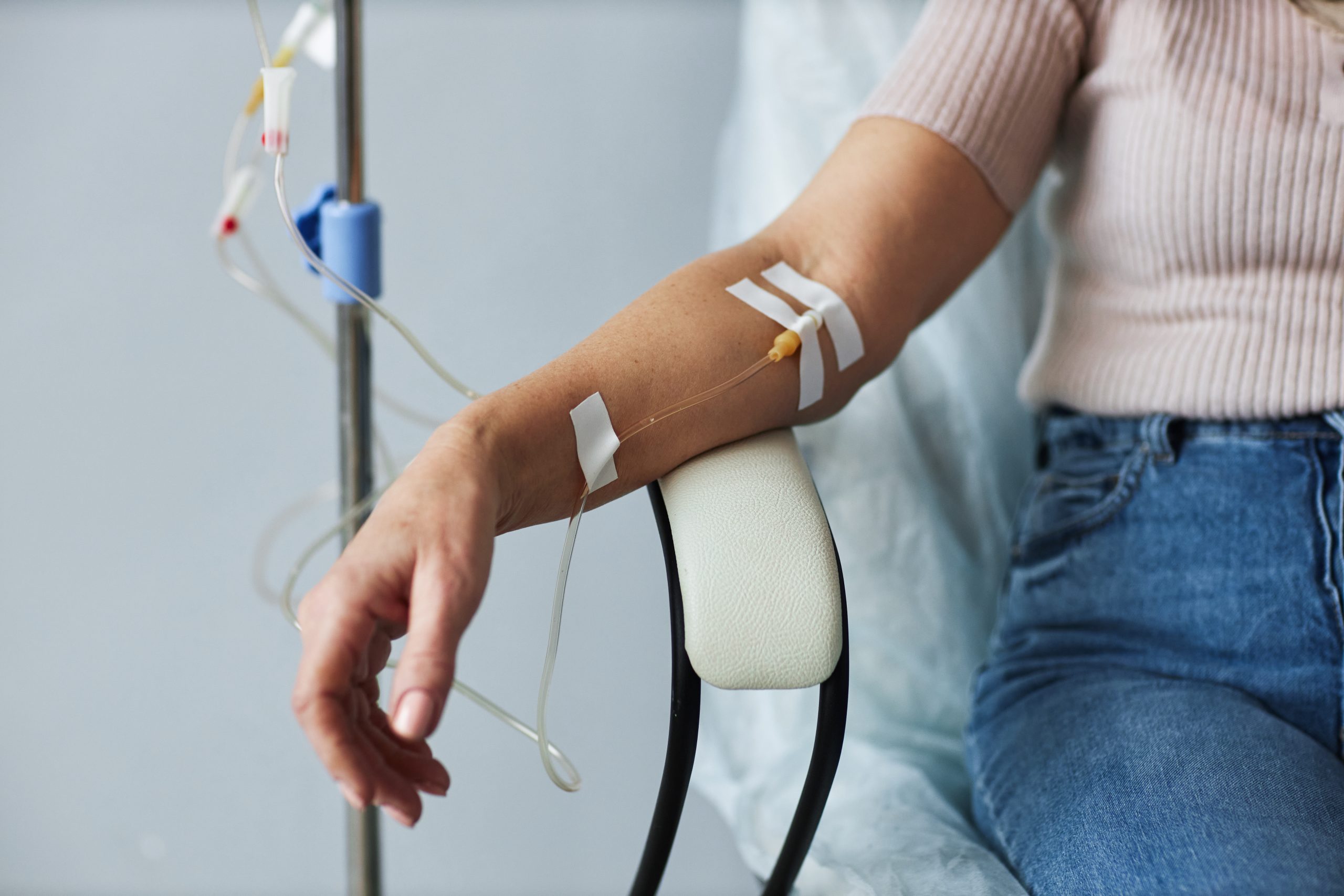
Unequal power dynamics across society have resounding negative impacts on how women interact with cancer prevention, care and treatment, researchers have found.
According to a new Lancet Commission, gender inequality and discrimination influence women’s rights and opportunities to avoid cancer risk factors and impede their ability to seek and receive timely diagnosis and care.
Furthermore, the study found that gender inequalities have resulted in an unpaid caregiver workforce that is predominantly female, risking hindering women’s professional advancement as leaders in cancer research and policymaking, which in turn perpetuates the lack of “women-centred” cancer care.
The Commission calls for a “feminist” agenda for cancer care to eliminate gender inequality where health systems, cancer workforces and research ecosystems are more inclusive and responsive to the needs of women in all their diversities.
Dr Ophira Ginsburg, senior advisor for clinical research at the National Cancer Institute’s Center for Global Health and co-chair of the Commission, said: “The impact of a patriarchal society on women’s experiences of cancer has gone largely unrecognised.
“Globally, women’s health is often focused on reproductive and maternal health, aligned with narrow anti-feminist definitions of women’s value and roles in society, while cancer remains wholly under-represented. Our Commission highlights that gender inequalities significantly impact women’s experiences with cancer.
“To address this, we need cancer to be seen as a priority issue in women’s health, and call for the immediate introduction of a feminist approach to cancer.”
‘Women’s cancers’
A paper, published in The Lancet Global Health, estimated that 5.3 million adults under 70 years old died from cancer in 2020 and that 2.3 million of these cancer deaths were in women.
The study suggested that one and a half million premature cancer deaths in women could be prevented each year through the elimination of exposures to key risk factors or via early detection and diagnosis, while a further 800 000 lives could be saved each year if all women had access to optimal cancer care.
Approximately 1.3 million women of all ages died in 2020 due to four of the major risk factors for cancer – tobacco, alcohol, obesity, and infections, the research also showed.
The burden of cancer in women caused by these four risk factors is widely under-recognised, researchers argue. A study from 2019 found only 19 per cent of women attending breast cancer screening in the UK were aware that alcohol is a major risk factor for breast cancer.
“Discussion about cancer in women often focus on ‘women’s cancers’, such as breast and cervical cancer, but about 300,000 women under 70 die each year from lung cancer, and 160,000 from colorectal cancer: two of the top three causes of cancer death among women, globally,” said Dr Isabelle Soerjomataram, deputy branch head of cancer surveillance at IARC and co-chair of the Commission.
“Furthermore, for the last few decades in many high income countries, deaths from lung cancer in women have been higher than deaths from breast cancer.
“The tobacco and alcohol industry target marketing of their products specifically at women, we believe it’s time for governments to counteract these actions with gender-specific policies that increase awareness and reduce exposure to these risk factors.”
Greater scrutiny of the causes and risk factors for cancer in women is needed as they are less well understood compared with cancer risk factors for men, researchers have said.
There is growing evidence to suggest a link between commercial products predominantly used by women, such as certain types of breast implants, skin lighteners and hair relaxers, and an increased risk of cancer.
Dr Verna Vanderpuye, senior consultant at the Korle Bu Teaching Hospital, Ghana and co-chair of the Commission, said: “While men are at higher risk for most cancer types that develop in both sexes, women have approximately the same burden from all cancers combined, with 48 per cent of cancer cases and 44 per cent of cancer deaths worldwide occurring in women.
“Of the three million adults diagnosed with cancer under the age of 50 in 2020, two out of three were women. Cancer is a leading cause of mortality in women and many die in their prime of life, leaving behind an estimated one million children in 2020 alone.
“There are important factors specific to women which contribute to this substantial global burden.
“By addressing these through a feminist approach we believe this will reduce the impact of cancer for all,” she added.
Gender inequalities in society
Globally, women are disadvantaged in terms of education and employment opportunities and are more likely to have fewer financial resources to help cope with cancer-related financial challenges.
An analysis from eight countries in Asia found almost three-quarters of women with cancer reported catastrophic expenditures in the year following their diagnosis, with 30 per cent or more of their annual household income spent on cancer-related expenses such as medical costs and complementary medicine.
“Gender norms mean women are often expected to prioritise the needs of their families at the expense of their own health, sometimes leading to the postponement of seeking healthcare,” explained Nirmala Bhoo-Pathy, professor of epidemiology at Universiti Malaya and Queen’s University Belfast.

Sexism within healthcare systems in the form of unconscious gender biases and discrimination can lead to women receiving sub-optimal care.
Multiple studies have found women with cancer are more likely to report inadequate pain relief and be at greater risk for undertreatment of pain compared to men.
These gender biases can be intensified when the person experiencing cancer is also part of a marginalised ethnic or indigenous group or has a diverse sexual orientation or gender identity.
A recent national survey in the US found African American women of diverse sexual orientation and gender identity reported higher intersectional stigma than any other group.
Gender inequalities in society also impact the cancer workforce as well as patients and caregivers, with women significantly underrepresented as leaders.
Carolyn Taylor, founder and executive director of Global Focus on Cancer, said: “A key, yet often underestimated, part of the oncology workforce is cancer advocates who are mostly women and represent the population most affected by cancer.
“Policy makers, academic and medical institutions must fully recognise the value of patient advocates, and integrate them into all aspects of the cancer care continuum.”
A ‘feminist’ agenda
To counter the negative impact of gender inequality and transform the ways women interact with the cancer health system, the Commission argues for sex and gender to be included in all cancer-related policies and guidelines, making them responsive to the needs and aspirations of all women, whether they be patients, care providers or researchers.
The commissioners call for strategies targeted at increasing women’s awareness of cancer risk factors and symptoms, along with increasing equitable access to early detection and diagnosis of cancer.
“Our Commission exposes the asymmetries of power which influence women’s experiences of cancer and makes the recommendations required to advance an intersectional feminist approach that would reduce the impact of cancer for all,” said co-author Dr Shirin Heidari, president of GENDRO and senior researcher at Gender Centre, The Geneva Graduate Institute.
“In a society where women’s autonomy is infringed, it’s imperative that researchers, policymakers, organisations and healthcare providers do all they can to meet women’s diverse and unique needs during their experiences of cancer care.”
Dr Monica Bertagnolli, director of the National Cancer Institute, who was not involved in the Commission, said: “Achieving gender equality in the context of cancer research and care will require broad implementation of the recommendations in The Lancet Commission on women, power, and cancer, including the overarching priority action that sex and gender be included in all cancer-related policies and guidelines so that they are responsive to the needs and aspirations of women in all of their diversities.
“This is something that we can and should all support. Improved outcomes for women translate into benefits for households, communities, societies, and the world.”



Pregnancy complications may increase women’s risk of peripheral artery disease later in life, new research suggests.
The study analysed data from more than two million women in Sweden who gave birth to single babies between 1973 and 2015.
Led by Casey Crump, the research examined the long-term risk of peripheral artery disease among women who experienced preterm delivery, pre-eclampsia, gestational diabetes or other adverse pregnancy outcomes.

Crump, professor in the department of family and community medicine at McGovern Medical School at UTHealth Houston, said: “Our prior work has already shown that adverse pregnancy outcomes are associated with long-term risks of heart disease, stroke, and heart failure.
“This study builds on that work by showing that these women have an increased risk of peripheral artery disease, an important but understudied cardiovascular condition.”
Peripheral artery disease is often a precursor to long-term cardiovascular complications, including stroke, ischaemic heart disease and premature death.
The condition affects millions of people worldwide and occurs when narrowed arteries reduce blood flow, most commonly to the legs and feet.
Ischaemic heart disease occurs when the heart does not receive enough blood and oxygen, usually because the arteries have narrowed.
Symptoms of peripheral artery disease can include leg pain, cramps while walking, numbness, cold feet and sores on the feet or legs that are slow to heal.
Crump said women who experience pregnancy complications have an important opportunity after giving birth to make plans with their primary care doctor to monitor long-term risks.
Women who have experienced complicated pregnancies should speak with their doctor about possible future cardiovascular health risks.
Checks for blood pressure, diabetes and cholesterol are important.
While the period after childbirth is an important time for women to monitor their health, Crump said it is never too late to lower the risk of peripheral artery disease.
He said: “Women with a history of adverse pregnancy outcomes who seem to be doing well may still have a higher risk that can emerge later in life.”
Crump also suggested preventive steps such as avoiding smoking, maintaining a healthy weight and following a healthy lifestyle.
He stressed the importance of long-term follow-up care and conversations with healthcare providers to help protect cardiovascular health later in life.

Women with PMOS may have a fourfold higher risk of heart disease, new research suggests.
PMOS, or polyendocrine metabolic ovarian syndrome, is a complex hormone condition affecting about one in eight women in the UK.
It can affect hair growth, periods, fertility and mood.

US researchers analysed health insurance data collected between 2000 and 2022 from 413,450 women with PMOS aged 18 to 50.
They compared the group with more than two million women who did not have the condition.
The study found that women with PMOS had a fourfold higher risk of heart disease than those without it.
The increased risk remained after researchers accounted for other factors linked to heart disease, including high blood pressure and diabetes.
International PMOS guidelines recommend screening all patients for heart disease risk at diagnosis and providing advice on lifestyle changes.
However, researchers said patient surveys “report delayed diagnosis and substantial dissatisfaction with counselling regarding long-term comorbidities”.
Comorbidities are additional health conditions that occur alongside a main condition.
Researchers added: “Our results emphasise the need for physician education and patient awareness of cardiovascular disease risk to improve implementation of early preventive interventions.”
The team called for further studies following women through menopause, when periods stop.
They also called for research into whether treatments such as GLP-1 drugs or hormonal contraception affect the link between PMOS and heart disease.
GLP-1 drugs are medicines used for conditions including type 2 diabetes and weight management.
The main symptoms of PMOS include irregular periods or long gaps between periods, excessive hair growth or hair loss, weight gain or difficulty losing weight, and difficulty becoming pregnant.
Other symptoms include depression or anxiety, oily skin and acne, tiredness, and thick, dark patches of skin on the neck or armpits, known as acanthosis nigricans.
Until recently, PMOS was known as polycystic ovarian syndrome, or PCOS.
Experts called for the name change after highlighting that misunderstandings about cysts and too much focus on the ovaries were delaying diagnoses.
Earlier this month, the National Institute for Health and Care Excellence said women with PMOS should be seen by health professionals annually to monitor symptoms and manage long-term risks.
NICE said the condition affects between three and four million women in the UK but is “frequently underdiagnosed and inconsistently managed”.

A market analysis made by Moore Financial Consulting estimates the global market for Zero Candida Technologies, Inc. (TSXV: ZCT) (OTCQB: ZCTFF) (FSE: 9L2) (the “Company” or “ZCT”), a FemTech medical device company advancing next-generation solutions for women’s health, will reach over USD 2 billion by 2030, with a compound annual growth rate of 5.25 per cent globally and 3.9 per cent in North America and 4.2 per cent in Europe.
The analysis emphasis that up to 75 per cent of women will have at least one vaginal yeast infection in their life.
Moreover, recurrent VVC (Vulvovaginal Candidiasis) affects nearly 8 per cent of women globally (for women above the ages of 15-60).
According to the data, 100 per cent of women with Recurrent VVC will purchase a combination of over-the-counter and prescription antifungal treatments, usually with the common use of oral agents.
Compared to women with non-recurrent VCC, 55.2 per cent will purchase prescription antifungal treatment, 37 per cent over-the-counter antifungal, 5.6 per cent will purchase a combination of both treatments, and the rest will not purchase any treatment.
Eli Ben Haroosh, founder & CEO, Zero Candida Technologies, said: “Moore’s market analysis matches our estimations, Zero Candida is a groundbreaking and game-changing company in the world of women’s medicine, and we look forward to be one of the leading companies offering AI-driven, tampon-like device, helping women suffering from VVC .
Zero Candida announced recently that its shares are now successfully listed on the Frankfurt Stock Exchange (FSE).
This listing marks a significant milestone for the Company as it expands its global presence, now cross-listed on both the TSX Venture Exchange and the FSE, providing increased visibility and access to a broader pool of international investors.










 Menopause1 week ago
New menopause drug approved for use by NHS in Scotland

 Cancer2 weeks ago
Thousands of women could avoid painful cancer exam with new AI blood test

 Entrepreneur2 weeks ago
Applications open for the third W Accelerate with Merck KGaA and M Ventures

 Opinion2 weeks ago
We built Ema like a nurse: Here’s why that matters

 News1 week ago
Women’s health draws record $1.55bn in equity as capital spreads beyond the mega-rounds

 Hormonal health6 days ago
Stardust period tracker shares health data, study reveals

 Mental health2 weeks ago
SSRIs may lower heat intolerance in women with depression – study

 Entrepreneur1 day ago
Zero Candida market set to reach over US$2 billion by 2030 – report