Women, people of colour and those from deprived communities have been “left out of medical devices”, experts have said, amid growing bias concerns.
Specialists have told Femtech World that there is currently no equity in medical devices, an issue which can put people at risk and exacerbate existing health inequalities.
Marissa Fayer, medical device expert and CEO of DeepLook Medical, said: “This has long been a problem in the field of medical devices and all areas of healthcare.
“Women, people of colour, people living in non-urban areas and mostly anyone except a white middle-aged man have been left out of medical devices.”
Minority ethnic people, women and people from deprived communities have been found to be at risk of poorer healthcare because of biases within medical tools and devices.
A review advising the UK government on the health impact of potential bias in medical devices, published this week, raised concerns over AI devices and tools that measure oxygen levels.
The Equity in Medical Devices: Independent Review confirmed concerns pulse oximeters overestimate the amount of oxygen in the blood of people with dark skin, noting that while there was no evidence of this affecting care in the NHS, harm has been found in the US with such biases leading to delayed diagnosis and treatment, as well as worse organ function and death, in Black patients.
Annie Thériault, managing partner at Cross-Border Impact Ventures, said this is unsurprising, since bias is pervasive in the medical field.
“The majority of innovations and surgical tools are meant to be used by larger white males and may be more difficult for a smaller person, such as a woman. Similarly, certain medical devices fit larger bodies and there is often no data on whether a smaller version is as effective on a smaller person.”
Dr Chung Looi, CEO of Ablatus Therapeutics, voiced similar concerns.
She said: “Development of medical devices is a long and expensive process. Women, people of diverse backgrounds, biological profiles and communities with limited resources have historically been overlooked and deprioritised.
“Being inclusive in the design, testing and market reach of medical devices is not only ethical, but also a smart investment to reduce the risk of widening health and wealth disparities, and ensure that benefits of technological advancements can be share by all.”
However, Gloria Kolb, co-founder and CEO of Elidah, said: “I don’t necessarily agree that there are biases in medical devices. The devices are just that – devices that take measurements, output signals, used as tools.
“I would suppose that the potential for biases may be more in diagnostics, as the data the diagnostic is based on may not be universally tested across races. Moreover, the biases come into play in how these tools and devices are being used or offered.”
To receive the Femtech World newsletter,sign up here.
Small bowel microbiome differences between women and men may help explain why some conditions are more common in women, a study suggests.
The small bowel microbiome is the community of microorganisms living in this part of the digestive tract, where they play vital roles in immune function, metabolism and hormonal regulation.
Researchers found differences between women and men in the composition and organisation of these microbial communities. One bacterial community containing Granulicatella was found only in women.
The study was conducted by investigators at Cedars-Sinai Health Sciences University.
Ruchi Mathur, director of clinical research and clinical operations for the Medically Associated Science and Technology (MAST) Program at Cedars-Sinai and corresponding author of the study, said: “One intriguing finding was a bacterial community containing Granulicatella, which we found only in women.
“Bacteria in this community appear at increased levels in women with polyendocrine metabolic ovarian syndrome, formerly known as polycystic ovary syndrome.”
The researchers also identified differences between women and men in how microbes in the small bowel produce fructans, complex carbohydrates known to trigger digestive symptoms in irritable bowel syndrome (IBS).
IBS is far more common in women than men.
Mathur, who is also a professor of medicine, said: “Our findings show that biological sex is a critical variable in the small bowel microbiome.
“We must consider it as we move toward more personalised approaches to understanding and treating disease.”
An experimental cancer drug reduced bone loss and body fat in mice modelling post-menopausal changes, early research suggests.
The compound, CADD522, appeared to strengthen bones and help the animals stay leaner after surgery designed to mimic hormonal changes seen after menopause.
The treatment remains at an early experimental stage and has so far only been tested in animals.
The study, led by the University of East Anglia, investigated CADD522, which was originally developed to block a protein involved in the growth and spread of several cancers.
Mice treated with the compound for eight weeks showed significant improvements in bone health. Scans found increased bone volume and better preservation of the honeycomb-like structures inside bones that are crucial for strength and resilience.
Blood tests suggested the treatment stimulated new bone growth without interfering with the body’s normal process of breaking down and rebuilding bone.
Dr Darrell Green, lead researcher from UEA’s Norwich Medical School, said: “Osteoporosis affects around one in three women over the age of 50, leaving sufferers vulnerable to painful fractures that can seriously impact quality of life.
“Current treatments exist, but many are plagued by side effects, safety concerns or inconvenient dosing schedules that make long-term use difficult.”
The researchers also found that mice receiving CADD522 weighed less than untreated mice despite eating the same amount of food.
They had less body fat and fewer fat deposits in their bone marrow, a process commonly seen after menopause and linked to declining bone health.
The team also examined brain tissue and found that the drug appeared to reverse several menopause-related changes in fatty acids.
Levels of omega-3 fats including DHA remained largely intact, while several other lipid abnormalities shifted back towards healthier patterns.
Green said: “We didn’t directly test for memory or thinking ability, but our work raises questions about whether this drug could one day help address wider menopause-related health problems.”
Safety experiments in mice, rats and dogs found that CADD522 could be taken orally and was well tolerated.
The compound also appeared to be metabolised more slowly in human tissue than in rodents, potentially improving its performance in people.
“This is still in the early stages and has so far only been tested in animals but we hope that the benefits will translate to humans to ultimately reduce fracture rates,” added Green.
The research was led by UEA in collaboration with the University of Maryland, the Scintillon Research Institute in San Diego and the University of Stirling.
Safety testing was funded by The Sir William Coxen Trust as part of the development of CADD522 as a childhood cancer treatment.
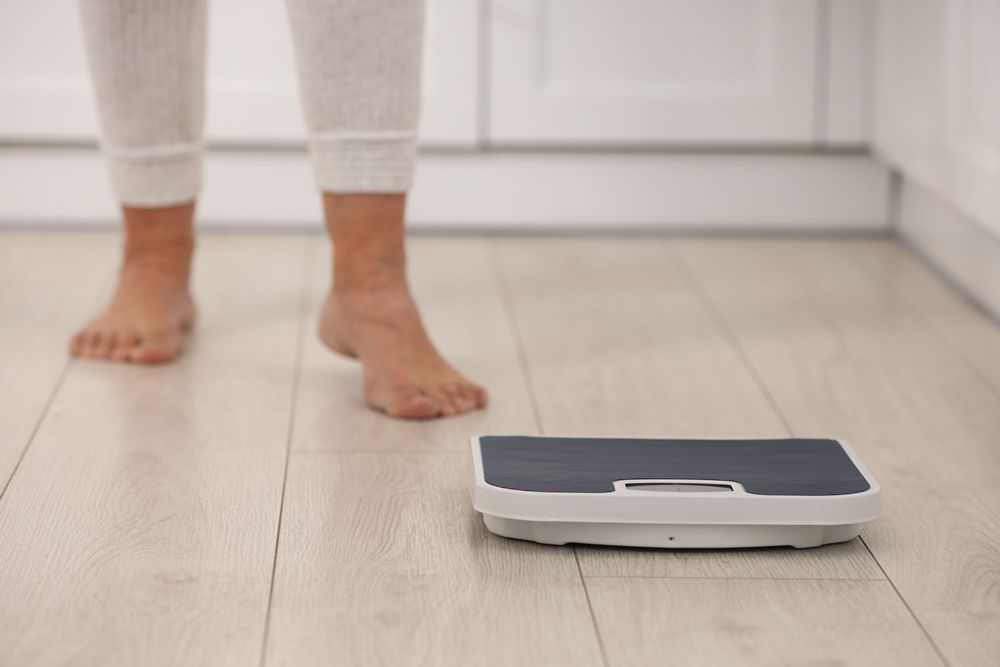
Weight loss surgery was linked to more regular periods and fewer polyendocrine metabolic ovarian syndrome (PMOS) symptoms in women aged 18 to 45 living with obesity in a recent study.
The researchers recommend that women undergoing the procedure have access to preconception care and reproductive counselling to support their reproductive health.
Researchers at the University of Surrey analysed data over 24 months from 84 women who underwent bariatric surgery and 18 women living with obesity who did not have surgery.
Of those who underwent surgery, 49 had gastric bypass procedures and 35 had gastric sleeve surgery.
Women who underwent metabolic bariatric surgery lost more than 30kg on average at 12 and 24 months after the procedure.
Among women with polycystic ovaries, the condition persisted in only 10 per cent after 24 months.
Women also reported a resolution of clinical hirsutism, or excess body hair, by 12 months.
Women who had previously experienced irregular periods reported more regular menstrual cycles after surgery.
Professor Martin Whyte, co-author of the study and professor of metabolic medicine at the University of Surrey, said: “A large proportion of those undergoing bariatric surgery are women of reproductive age, who may be planning a pregnancy in the coming years.
“So much remains unknown about the impact of this type of surgery on women who are planning to have children.
“This raises the question of when the ideal time after surgery is to conceive.”
Women have a higher prevalence of obesity than men, with 57 per cent of women in the UK classified as overweight and 27 per cent living with obesity, which can affect fertility and the health of an unborn baby.
The researchers said 17 women had healthy pregnancies following surgery.
Although this was not specifically examined in the study, no difference in birth weight was observed between babies conceived within or after the first year.
Dr Kathryn Hart, co-author of the study and associate professor in nutrition and dietetics at the University of Surrey, said: “What we have found is that bariatric surgery positively affects the reproductive health of women living with obesity and can improve the likelihood of them having a healthy pregnancy after surgery.
“Dysregulated hormone levels, irregular periods and conditions such as polycystic ovaries are affected by obesity.
“By reducing this, what we have seen is that it can lead to improvements without the need for medication.
“We would suggest that clinicians consider medical intervention for obesity to treat irregularities in the menstrual cycle and issues with fertility.”
We use cookies on our website to give you the most relevant experience by remembering your preferences and repeat visits. By clicking “Accept All”, you consent to the use of ALL the cookies. However, you may visit "Cookie Settings" to provide a controlled consent.
This website uses cookies to improve your experience while you navigate through the website. Out of these, the cookies that are categorized as necessary are stored on your browser as they are essential for the working of basic functionalities of the website. We also use third-party cookies that help us analyze and understand how you use this website. These cookies will be stored in your browser only with your consent. You also have the option to opt-out of these cookies. But opting out of some of these cookies may affect your browsing experience.
Necessary cookies are absolutely essential for the website to function properly. These cookies ensure basic functionalities and security features of the website, anonymously.
Cookie
Duration
Description
cookielawinfo-checkbox-analytics
11 months
This cookie is set by GDPR Cookie Consent plugin. The cookie is used to store the user consent for the cookies in the category "Analytics".
cookielawinfo-checkbox-functional
11 months
The cookie is set by GDPR cookie consent to record the user consent for the cookies in the category "Functional".
cookielawinfo-checkbox-necessary
11 months
This cookie is set by GDPR Cookie Consent plugin. The cookies is used to store the user consent for the cookies in the category "Necessary".
cookielawinfo-checkbox-others
11 months
This cookie is set by GDPR Cookie Consent plugin. The cookie is used to store the user consent for the cookies in the category "Other.
cookielawinfo-checkbox-performance
11 months
This cookie is set by GDPR Cookie Consent plugin. The cookie is used to store the user consent for the cookies in the category "Performance".
viewed_cookie_policy
11 months
The cookie is set by the GDPR Cookie Consent plugin and is used to store whether or not user has consented to the use of cookies. It does not store any personal data.
Functional cookies help to perform certain functionalities like sharing the content of the website on social media platforms, collect feedbacks, and other third-party features.
Performance cookies are used to understand and analyze the key performance indexes of the website which helps in delivering a better user experience for the visitors.
Analytical cookies are used to understand how visitors interact with the website. These cookies help provide information on metrics the number of visitors, bounce rate, traffic source, etc.
Advertisement cookies are used to provide visitors with relevant ads and marketing campaigns. These cookies track visitors across websites and collect information to provide customized ads.



































6 Comments