


Quarter of women miss work due to menstual symptoms, survey finds
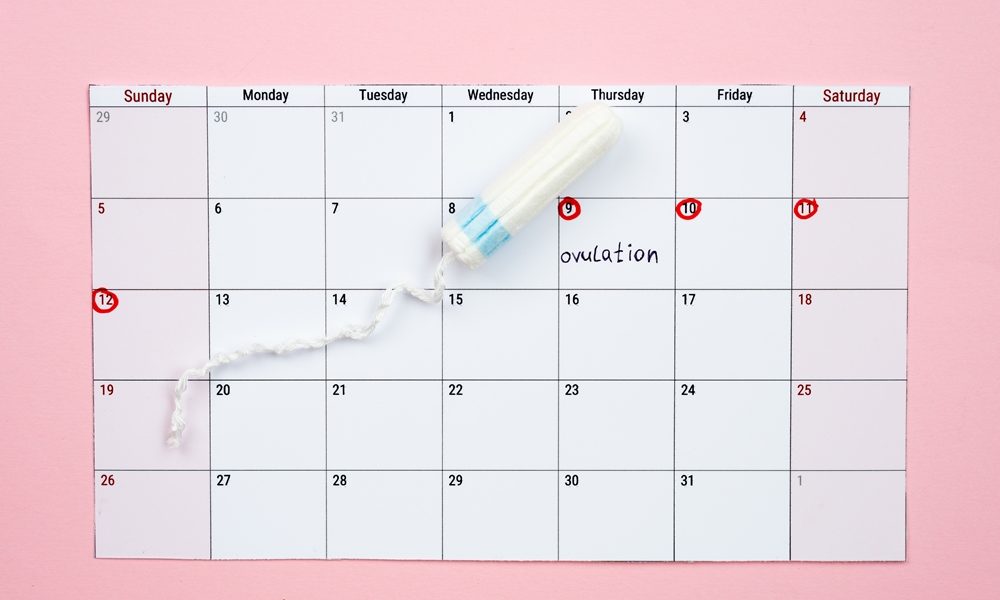
Nearly a quarter of women often miss work because of menstrual symptoms, according to a survey examining hormonal health among women in full-time work in Ireland.
The survey looked at the impact of menstruation, fertility and motherhood, and perimenopause and menopause.
Research from The Menopause Hub found more than one in three women who had not disclosed a menstrual health issue at work said the lack of a clear workplace policy was the reason.
More than a quarter said they did not think their concerns would be taken seriously, while 22 per cent cited embarrassment and 18 per cent feared being judged.
Nearly half of respondents said better workplace support would have made them feel less stressed, while 40 per cent said it would have made them feel more valued. Some 36 per cent said they would have felt more comfortable speaking up.
Some 76 per cent of women surveyed said they experienced menstrual health issues, with 23 per cent of those often missing work because of symptoms.
Nearly half of respondents, 49 per cent, said they felt uncomfortable talking about menstruation at work.
One respondent said: “As a woman, we try to get through the day, sometimes in pain that can’t be seen. We feel emotionally and physically drained.”
The research also found that 62 per cent of those who experienced baby loss reported a moderate or significant impact on work attendance.
More than half of respondents who experienced depression during pregnancy also reported a moderate or significant impact on attendance.
Some 63 per cent of mothers said it was “difficult” to return to work after pregnancy, while nearly half said their maternity pay arrangement had negatively affected their financial wellbeing.
One respondent said: “I almost walked away. The only reason I stayed was because I had to provide for my family.”
The survey also found that nearly half of respondents said menopause had some impact on their attendance, while more than six in 10 reported an impact on their work performance.
Some 44 per cent of women said they were “uncomfortable” discussing perimenopause and menopause at work.
One person said they were “already terrified of losing my job at my age:
“I need to just struggle through this without support or acknowledgement. That’s basically workplace discrimination.”
The Menopause Hub chief executive Loretta Dignam said women’s hormonal health has been treated as a “private or personal issue” for too long, “when the reality is that it has a very real impact on women’s working lives”.
“The fundamental point is that women are not ‘mini men.’
“Our biology is different, and workplaces that were largely designed around a male model of health and working life need to evolve to recognise that.
“What is striking is how many women continue to show up, perform, push through and progress at work while managing significant physical and emotional symptoms, often without the policies, understanding or practical support they need,” Dignam said.
She added that because expectations are changing, Gen Z and Gen Alpha employees will be “far less willing than previous generations to accept workplaces that ignore their health and wellbeing”.



Newsletter
Sign up for free weekly updates
The latest femtech news, research and investment, straight to your inbox.