




Blood test predicts 30-year risk of heart attack, stroke and cardiovascular death in women
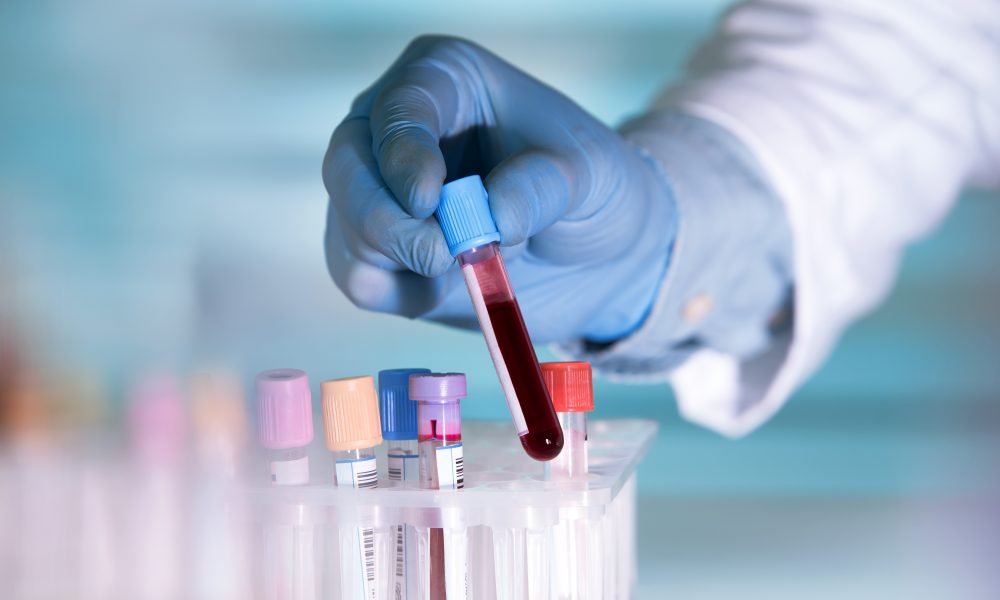
A new study has found that a blood test measuring three independent biological markers can better predict risk of major cardiovascular events over the next three decades than measuring only one.
In a landmark study of 27,939 initially healthy American women, a single measure of high-sensitivity C-reactive protein (hsCRP, a marker of vascular inflammation), low density lipoprotein cholesterol (LDL-C or “bad cholesterol”), and lipoprotein(a) (Lp(a), a genetically determined lipid fraction), strongly predicted cardiovascular risk over an unprecedented 30-year follow-up period.
“Doctors cannot treat what they don’t measure,” said lead author Paul Ridker, MD, director of the Center for Cardiovascular Disease Prevention at Brigham and Women’s Hospital, who presented the findings at ESC Congress 2024.
“To provide the best care for our patients, we need universal screening for inflammation, cholesterol, and lipoprotein(a), and we need it now. By so doing, we can target our treatments to the specific biologic need of individual patients, fulfilling our longstanding hope to provide truly personalised preventive care.”

The research team analyzed data from the Women’s Health Study (WHS), funded by the U.S. National Institutes of Health (NIH) through research grants to preventive cardiology investigators in the Division of Preventive Medicine at the Brigham. The landmark trial began in 1993 and has followed female health professionals aged 45 years and older ever since.
Women had their hsCRP, LDL-C and Lp(a) levels tested in a blood sample obtained when they enrolled in the WHS. The primary endpoint of the study was a first major adverse cardiovascular event—heart attack, coronary revascularization, stroke, or death from cardiovascular causes.
A wake-up call for women
To assess each marker as well as the combined effect of having elevated levels of two or all three, the research team divided participants into five quintiles, ranging from those with the highest to the lowest levels of the markers. Researchers found that, compared to women with the lowest levels of individual markers:
- Women with the highest levels of hsCRP had a 70 per cent greater risk of a major cardiovascular event;
- Women with the highest levels of LDL-C had a 36 per cent greater risk;
- Women with the highest levels of Lp(a) had a 33 per cent greater risk.
While hsCRP was the strongest of the three biomarkers, all mattered greatly. Women who had elevated levels of all three markers were 2.6 times more likely to have a major adverse cardiovascular event. This association was even stronger for stroke—women with the most elevated levels were 3.7 times more likely to have a stroke over the next 30 years.
“These data should be a wake-up call for women,” said co-author Julie Buring, ScD, principal investigator of the WHS and an epidemiologist in the Brigham’s Division of Preventive Medicine.
“Waiting until women are in their 60s and 70s to initiate heart attack and stroke prevention is a prescription for failure.”
Reducing risk
Each of the three risk factors is modifiable with a combination of lifestyle changes and drug therapy. Multiple randomized trials have demonstrated that lowering cholesterol and lowering inflammation both significantly reduce risks of heart attack and stroke. Further, several new drugs that markedly reduce Lp(a) as well as second-generation anti-inflammatory agents are being tested to see if they too can lower rates of clinical events.
The new data strongly support earlier and more aggressive use of targeted preventive interventions, particularly among women for whom cardiovascular disease remains underdiagnosed and undertreated.
“While we still need to focus on lifestyle essentials like diet, exercise, and smoking cessation, the future of prevention is clearly going to include combination therapies that target inflammation and Lp(a) in addition to cholesterol,” said Ridker.
The study has been published simultaneously in the New England Journal of Medicine.


Newsletter
Sign up for free weekly updates
The latest femtech news, research and investment, straight to your inbox.




