Diagnosis
Blood test predicts 30-year risk of heart attack, stroke and cardiovascular death in women
A new study has found that a blood test measuring three independent biological markers can better predict risk of major cardiovascular events over the next three decades than measuring only one.
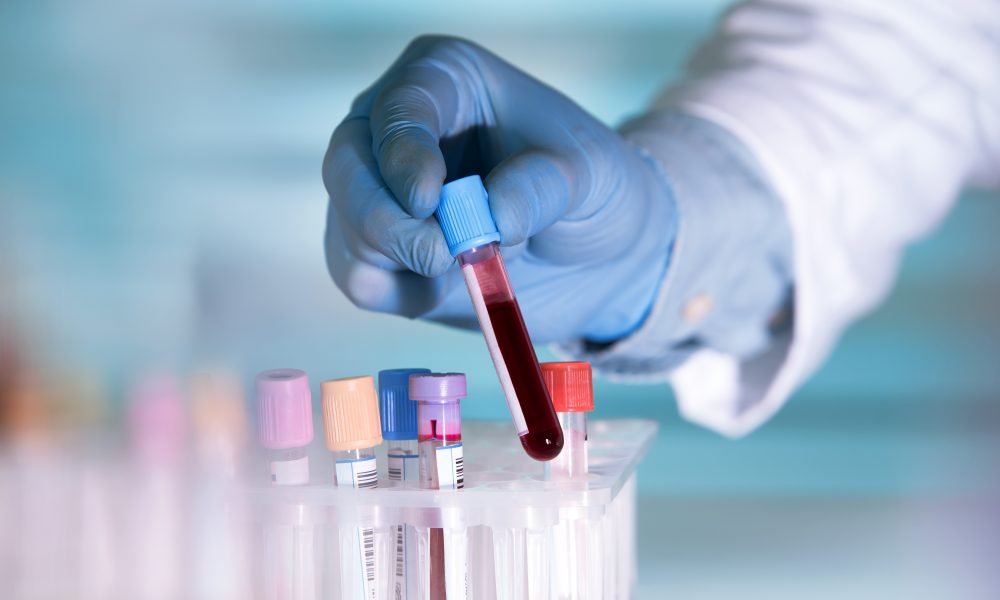
In a landmark study of 27,939 initially healthy American women, a single measure of high-sensitivity C-reactive protein (hsCRP, a marker of vascular inflammation), low density lipoprotein cholesterol (LDL-C or “bad cholesterol”), and lipoprotein(a) (Lp(a), a genetically determined lipid fraction), strongly predicted cardiovascular risk over an unprecedented 30-year follow-up period.
“Doctors cannot treat what they don’t measure,” said lead author Paul Ridker, MD, director of the Center for Cardiovascular Disease Prevention at Brigham and Women’s Hospital, who presented the findings at ESC Congress 2024.
“To provide the best care for our patients, we need universal screening for inflammation, cholesterol, and lipoprotein(a), and we need it now. By so doing, we can target our treatments to the specific biologic need of individual patients, fulfilling our longstanding hope to provide truly personalised preventive care.”

The research team analyzed data from the Women’s Health Study (WHS), funded by the U.S. National Institutes of Health (NIH) through research grants to preventive cardiology investigators in the Division of Preventive Medicine at the Brigham. The landmark trial began in 1993 and has followed female health professionals aged 45 years and older ever since.
Women had their hsCRP, LDL-C and Lp(a) levels tested in a blood sample obtained when they enrolled in the WHS. The primary endpoint of the study was a first major adverse cardiovascular event—heart attack, coronary revascularization, stroke, or death from cardiovascular causes.
A wake-up call for women
To assess each marker as well as the combined effect of having elevated levels of two or all three, the research team divided participants into five quintiles, ranging from those with the highest to the lowest levels of the markers. Researchers found that, compared to women with the lowest levels of individual markers:
- Women with the highest levels of hsCRP had a 70 per cent greater risk of a major cardiovascular event;
- Women with the highest levels of LDL-C had a 36 per cent greater risk;
- Women with the highest levels of Lp(a) had a 33 per cent greater risk.
While hsCRP was the strongest of the three biomarkers, all mattered greatly. Women who had elevated levels of all three markers were 2.6 times more likely to have a major adverse cardiovascular event. This association was even stronger for stroke—women with the most elevated levels were 3.7 times more likely to have a stroke over the next 30 years.
“These data should be a wake-up call for women,” said co-author Julie Buring, ScD, principal investigator of the WHS and an epidemiologist in the Brigham’s Division of Preventive Medicine.
“Waiting until women are in their 60s and 70s to initiate heart attack and stroke prevention is a prescription for failure.”
Reducing risk
Each of the three risk factors is modifiable with a combination of lifestyle changes and drug therapy. Multiple randomized trials have demonstrated that lowering cholesterol and lowering inflammation both significantly reduce risks of heart attack and stroke. Further, several new drugs that markedly reduce Lp(a) as well as second-generation anti-inflammatory agents are being tested to see if they too can lower rates of clinical events.
The new data strongly support earlier and more aggressive use of targeted preventive interventions, particularly among women for whom cardiovascular disease remains underdiagnosed and undertreated.
“While we still need to focus on lifestyle essentials like diet, exercise, and smoking cessation, the future of prevention is clearly going to include combination therapies that target inflammation and Lp(a) in addition to cholesterol,” said Ridker.
The study has been published simultaneously in the New England Journal of Medicine.
Pregnancy
New reporting tool targets maternal-fetal teams as pregnancy complexity rises

A new reporting tool built specifically for obstetrics and maternal-fetal medicine has launched, aimed at teams managing increasingly complex pregnancies with limited time and resources.
Trice Imaging has released Trice Workspace Reporting, which connects imaging, reporting and longitudinal patient data in a single workflow to support faster clinical decision making.
Birth rates are falling worldwide, but pregnancies are getting more complicated. Advanced maternal age, IVF-assisted pregnancies, rising obesity rates and a higher prevalence of hypertension and diabetes mean more cases now require specialist monitoring, advanced imaging and multidisciplinary care.
At the same time, clinical teams are stretched and facing growing administrative demands.
Trice Workspace Reporting brings together customisable reporting, dynamic pregnancy dating and longitudinal patient history with an AI-ready, EHR-interoperable infrastructure, all inside the company’s Tricefy image management platform.
The company says it aims to accelerate standardised and synchronised report turnaround, support timely clinical decisions and improve operational efficiency for fetal medicine services.
“Maternal fetal medicine teams are managing increasingly complex pregnancies while being asked to do more with limited time and resources,” said Mark A. Samii, chief revenue officer at Trice Imaging.
“Trice Workspace Reporting is designed to remove unnecessary friction from reporting by creating a structured digital foundation that supports today’s need for connected clinical workflows.
“It also provides a digital foundation as practices prepare for tomorrow and the evolution of AI-enabled fetal assessment, anomaly detection and outcome prediction technologies.”
Trice Imaging describes its mission as transforming the women’s health journey by connecting physicians, patients and healthcare systems. From independent practices to large hospital ecosystems, it aims to reach the entire women’s health continuum, spanning IVF and reproductive health, maternal-fetal medicine and OB/GYN, and onwards to lifelong women’s health.
For more than 17 years the firm has worked on cloud-based storage, retrieval, display, organisation and exchange of ultrasound medical images and associated information across health environments.
Its wider platform now extends to dynamic clinical reporting, AI-driven workflow optimisation, data analytics and secure patient engagement.
Trice Imaging holds regulatory and data protection clearances in 40 countries. It has offices in Miami and Stockholm, alongside a growing network of global distributors.
Diagnosis
Two “gamechanger” tests set to speed up endometriosis diagnosis on the NHS

Two endometriosis tests could cut years from diagnosis after NICE backed their temporary NHS use in England and Wales.
EndoSure and Endotest have been recommended in draft guidance, with one able to provide results in 45 minutes.
Endometriosis affects around one in 10 women of reproductive age. It occurs when tissue similar to the womb lining grows elsewhere, including around the ovaries and fallopian tubes.
Symptoms can include painful periods, painful bowel movements, pain when urinating and pain during or after sex.
Diagnosis can involve ultrasound scans, magnetic resonance imaging (MRI) or laparoscopy. A laparoscopy is keyhole surgery in which a camera is inserted through a small cut in the abdomen.
Despite the effect the condition can have on physical and mental health, women can wait years for a diagnosis.
The average wait in the UK is nine years and four months, rising to 11 years for women from ethnically diverse communities, according to the National Institute for Health and Care Excellence (NICE).
Long waits can increase suffering, prolong poor health and allow the condition to progress, making it more difficult to treat.
Dr Anastasia Chalkidou, NICE’s healthtech programme director, said: “A diagnosis of endometriosis can for some women take the best part of a decade, with the UK average standing at nine years and four months, and rising to 11 years for those from ethnically diverse communities.”
She said delays could lead to chronic pain affecting daily life, relationships and work.
She added: “These technologies have the potential to change that by giving primary care professionals better non-invasive tools to identify endometriosis earlier, allowing earlier and better treatment.
“Our draft guidance reflects our commitment to getting promising innovations to patients quickly, while making sure the evidence to support their wider use is built in a rigorous way.”
Endotest examines a saliva sample for microRNAs, tiny biological markers that can indicate the presence of endometriosis.
The sample is sent to a laboratory and the result returned to a GP or another healthcare professional to inform the next steps in diagnosis and care.
EndoSure uses sensor pads placed on the abdomen to measure electrical signals in the gut.
Women must fast for between six and eight hours before the 45-minute test. During the procedure, they drink water until they feel full, helping the device record gut activity accurately.
Results are available as soon as the test is complete.
The draft recommendation, published on Tuesday, approves both technologies for three years while further evidence is collected on how well they work.
NICE will then decide whether to approve them permanently for NHS use.
NICE said a third test, DotEndo, needs more research before it can be recommended.
EndoSure and Endotest are not designed to diagnose the condition on their own.
They are intended for women whose symptoms still suggest endometriosis after a normal clinical examination and negative or inconclusive imaging results, or when imaging has not been carried out.
Dr Gail Busby, a consultant gynaecologist at Manchester University NHS Foundation Trust, said: “These tests are a gamechanger because they give us answers much earlier, without the need for invasive surgery, and that means we can start the right treatment sooner.
“An earlier diagnosis doesn’t just change one person’s life, it frees up appointments and surgical slots for everyone waiting for care.”
Emma Cox, of Endometriosis UK, welcomed the tests.
She said their introduction should be supported by education for GPs and nurses to ensure prompt access and prevent symptoms from going unrecognised.
Entrepreneur
Xella launches AI-powered precision health platform

Xella Health has launched what it calls the first AI precision health platform built for the XX chromosome.
The company says it aims to address a lack of diagnostic precision and clinical research focused on female biology.
Women make up half of the population and account for 80 per cent of consumer healthcare decisions, but research into women’s health has historically received less funding than male-focused studies.
Kelly Lacob, Xella Health co-founder and chief executive, said: “Women have been trapped in a diagnostic dark age experiencing debilitating symptoms like severe period pain, bloating and GI issues, exhaustion, and brain fog, routinely dismissed by the healthcare system.
“This dismissal results in women being diagnosed four years later than men, on average, for the same conditions, and a seven-to-10-year delay for women to receive an accurate diagnosis for conditions like endometriosis.
Stalling necessary care and treatment results in prolonged suffering with chronic pain, heightened infertility risks, and declining mental health.
Xella is here to replace the systemic medical gaslighting women have endured for generations.
We are handing women the evidence and information they need to advocate for themselves and secure faster, accurate diagnoses before early-stage conditions spiral.”
Xella says its AI examines billions of data points from clinical information and multi-omic biomarkers to assess the probability of more than 130 conditions specific to female biology.
Multi-omic data combines information from several biological areas, including genes, proteins and hormones.
The conditions assessed include polyendocrine metabolic ovarian syndrome, or PMOS, formerly known as polycystic ovary syndrome, as well as perimenopause and endometriosis.
Xella was founded by Lacob, Adriana Dantas and Dr Jesus Ching, who developed the concept while working together on molecular diagnostics at Mammoth Biosciences.
The founders say the platform is designed to provide information about possible underlying causes through advanced testing and long-term care of a kind often available only through expensive concierge services.
They drew on personal experiences to build a service intended to identify small changes in a woman’s biological baseline.
Members complete an initial health questionnaire before having blood taken at a local partner laboratory such as Quest or Labcorp.
A phlebotomist can also visit a member’s home for an additional charge.
The company’s AI analyses biomarker data from genomics, proteins and hormones alongside symptoms, lifestyle risks and medical history.
Xella says this information is used to screen for more than 130 female-specific conditions, including PMOS, Hashimoto’s disease, premenstrual dysphoric disorder, endometriosis and perimenopause timelines.
Hashimoto’s disease is an autoimmune condition in which the immune system attacks the thyroid gland.
Premenstrual dysphoric disorder, or PMDD, is a severe form of premenstrual syndrome that can cause significant emotional and physical symptoms.
The results are processed through Xella’s own dry laboratory, which the company says is certified under the US Clinical Laboratory Improvement Amendments and accredited by the College of American Pathologists.
A dry laboratory analyses data using computing and other non-experimental methods rather than carrying out traditional laboratory procedures.
The findings are turned into a personalised healthcare plan and reviewed with a certified telehealth doctor.
The doctor may recommend immediate clinical action, including personalised hormone therapy or referrals to genetic counsellors, pelvic floor physiotherapists and reproductive endocrinologists.
Reproductive endocrinologists are doctors who specialise in hormones, fertility and reproductive health conditions.
Dantas, co-founder and chief operating officer, said: “Women’s health data has historically been treated in isolated silos – a hormone test here, an ultrasound there – but no one was connecting the dots across the entire biology.
“By tracking unique biological patterns longitudinally across cycles and life stages, we aren’t just providing data, but a clear path forward.”
Xella’s clinical advisers include Dr Allison Kurian, director of Stanford Women’s Clinical Cancer Genetics Program and professor of medicine, epidemiology and population health at Stanford.
They also include Dr Lynn Westphal, a reproductive endocrinology and infertility specialist and chief medical officer of Kindbody.
Xella has received US$4.7m in angel and pre-seed funding from Precursor Ventures, Capital F, Ulu Ventures and Swizzle Ventures.
Other funds and angel investors from healthcare, diagnostics and consumer technology also participated.
Margaret Coblentz, co-founder and general partner of Capital F, said: “Women’s health is one of the highest-momentum categories in the market today, driven by a US$15tn female economy.
“Xella represents exactly how Capital F sees women’s health evolving: deep clinical expertise paired with a consumer-first mindset, and a genuine opportunity to unlock the next generation of healthcare.”
Diagnosis2 weeks agoTwo “gamechanger” tests set to speed up endometriosis diagnosis on the NHS
Insight2 weeks agoWomen with PMOS should have annual NHS checks, new guidance says
News6 days agoNew menopause drug approved for use by NHS in Scotland
Cancer2 weeks agoThousands of women could avoid painful cancer exam with new AI blood test
Entrepreneur2 weeks agoApplications open for the third W Accelerate with Merck KGaA and M Ventures
Fertility2 weeks agoOlder women face lower chance of fertility treatment working, even with donor eggs, study finds
News2 weeks agoWe built Ema like a nurse: Here’s why that matters
Mental health2 weeks agoSSRIs may lower heat intolerance in women with depression – study