


Not Morning Sickness: Is our vocabulary diminishing the suffering of women?

After researchers labelled the term ‘morning sickness’ as ‘inaccurate’, a pledge campaign is calling for the phrase to be replaced.
Nausea and vomiting in pregnancy is usually called ‘morning sickness’, but a recent study led by the University of Warwick has shown that the term tends to trivialise the condition. Symptoms have been described as occurring both before and after noon and referring to them simply as ‘morning sickness’ is inaccurate, simplistic and unhelpful, the researchers have found.
They analysed hourly diaries kept by women in early pregnancy, finding that 94.2 per cent experienced nausea and/or vomiting and they concluded that the term ‘pregnancy sickness’ would be more suitable.
“If you are one of the 80 per cent of pregnant women who suffer from it every year, you will know all too well that pregnancy sickness doesn’t just occur in the morning. It can strike at any time of the day”, say Nicola Cutcher and Charlotte Howden, the founders of the ‘Not Morning Sickness‘ campaign which calls on health professionals, the media, retailers and the public to stop using the term ‘morning sickness’.
As part of the ‘Not Morning Sickness’ campaign, the two founders are asking people to make pledges in support of it, using the hashtag #NotMorningSickness and detailing how they can help to change the language. They are encouraging women who have suffered from pregnancy sickness to share their personal stories to help raise awareness of the condition and to express their exasperation with the language surrounding it.
Health professionals are also asked to respect the severity of the condition and stop using ‘morning sickness’ in written materials and in consultations with patients.
“Let’s take the Oxford English Dictionary’s definition of morning sickness,” encourages Nicola Cutcher. “It says it is a sign of pregnancy, occurring at any time of day’. Since when did ‘morning’ mean ‘any time of day’? This is broken language and women shouldn’t put up with it anymore.
“When I was ill during my pregnancy, I told a friend that I’d had a miserable day and thrown up lunch and dinner, and she replied, ‘sounds more like an all-day sickness’. I had to bite my hand to stop myself from screaming ‘it is an all-day-sickness’. I can’t blame my friends for taking words at face value,” she adds.
“The terminology of ‘morning sickness’ diminishes the suffering of women and misleads those around us to think of pregnancy sickness as a minor inconvenience confined to the mornings. This is so wrong. I know that there are a lot of problems in the world but this one has an easy fix: just change the language!”
Charlotte Howden says she was diagnosed with Hyperemesis Gravidarum. “It is a potentially life-threatening and debilitating form of severe pregnancy sickness. I’ve shared my story with the media many times to help raise awareness of just how life-changing this condition is. When I would then see my story reported as ‘really bad morning sickness’, I would feel incredibly disappointed and frustrated.
“No account of how many times a day I was being sick could undo the damage of that misleading headline. Morning sickness doesn’t cover it. We have to change the language and call it what it is— pregnancy sickness.”
Flo Health, the creator of the women’s health app Flo, is joining forces with Cutcher and Howden, replacing the term ‘morning sickness’ with ‘nausea and vomiting’.
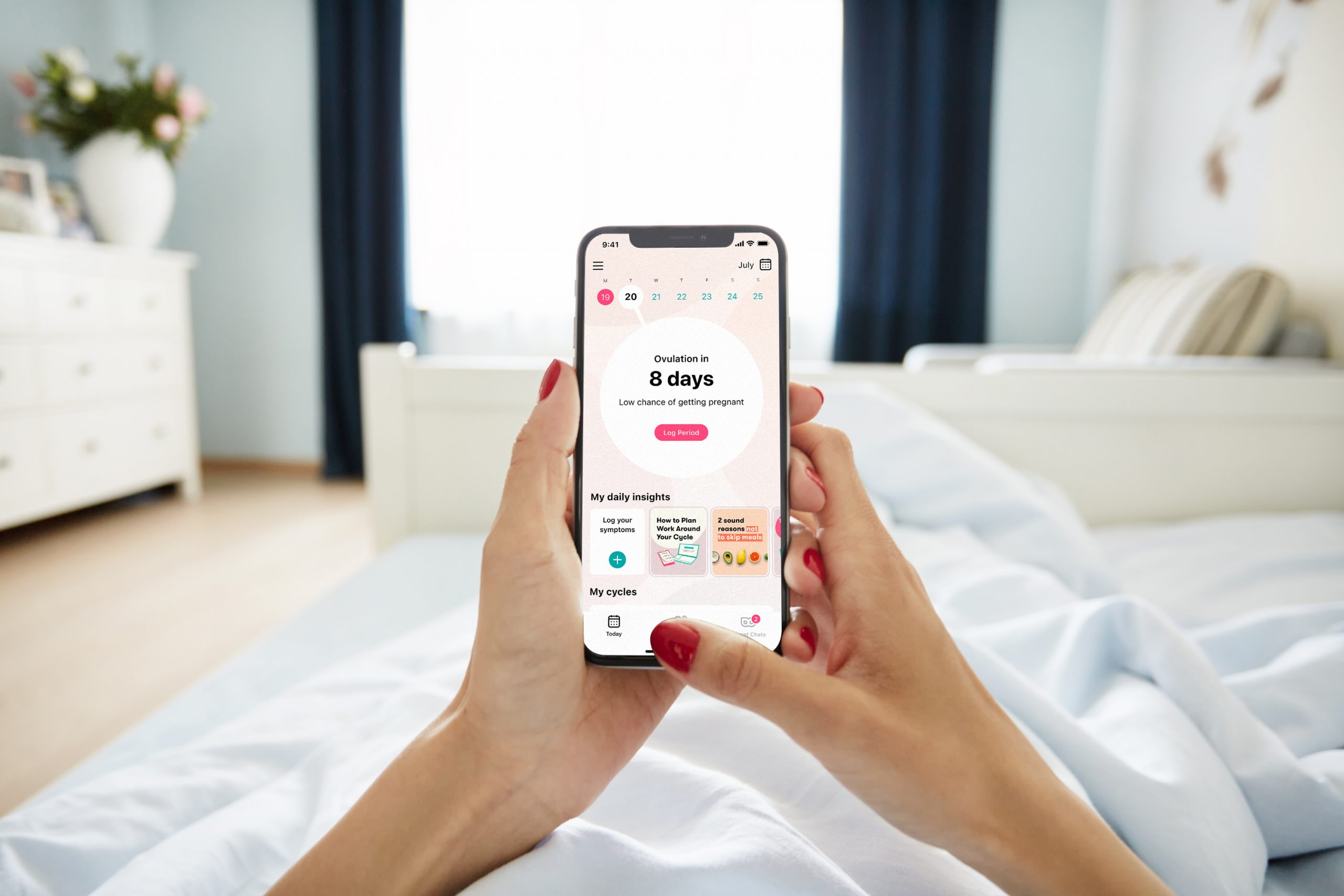
Flo replaces the term ‘morning sickness’ on its platforms
“Flo is committed to creating a better future for female health and this includes providing women with accurate and accessible health information,” says Cath Everett, VP of product and content at Flo Health. “Over 28 million women have logged pregnancy while using Flo, and while morning sickness sounds like something that is confined to just one part of the day, nausea and vomiting in pregnancy can occur at any time of the day. Given that the term is outdated and medically incorrect, we are joining in on the effort to put an end to this term.
“From this point forward, all new content found within the Flo app will refer to ‘morning sickness’ as ‘nausea and vomiting’. We hope that this shift in language will reflect the symptoms more accurately and encourage a greater sense of self-advocacy among those who experience this condition.”
Putney MP Fleur Anderson has also shown her support, tweeting: ‘I fully support this campaign to stop use of ‘morning sickness’ and say ‘pregnancy sickness. I was sick all day, everyday, through every pregnancy. This change will make a huge difference in understanding, support and expectations.”
Terminology and using the correct language can have a huge impact on how people deal with what they are going through, Charlotte Howden adds. “If someone, anyone, had said to me “I am so sorry that your pregnancy sickness is so extreme and I can see how much you are suffering”, it would have gone a long way to help me understand that what I was going through wasn’t normal. Morning sickness doesn’t cut it anymore. So let’s just change it and call it what it is.”
Use #notmorningsickness hashtag to share your own experience and help end the term ‘morning sickness’.


Newsletter
Sign up for free weekly updates
The latest femtech news, research and investment, straight to your inbox.



