Mental health
Study finds concerning decline in mental health among US mothers
A new study has revealed a concerning decline in self-reported mental health among mothers in the United States between 2016 and 2023, as well as modest but measurable declines in self-reported physical health during the same period.
The large-scale analysis examined data from 198,417 mothers who participated in the National Survey of Children’s Health (NSCH), a nationally representative annual survey of households with children aged 0 to 17. Most participating mothers were over age 30, and over half had a privately insured or a non-Hispanic white child.
“Although high rates of maternal morbidity and mortality have been well documented, national data on the health status of mothers beyond pregnancy and the first year postpartum is lacking.” said Jamie Daw, assistant professor of Health Policy and Management at Columbia Mailman School.
The findings show that the percentage of mothers reporting excellent mental health dropped sharply from 38 per cent in 2016 to 26 per cent in 2023. Similarly, the proportion reporting excellent physical health declined from 28 per cent to 24 per cent.

Most notably, the percentage of mothers rating their mental health as fair or poor rose by 3.5 percentage points over the 8 year-period, representing a 63.6 per cent increase from the baseline prevalence of 5.5 per cent in 2016. Declines in maternal mental health originated prior to the Covid-19 pandemic and were observed in nearly every socioeconomic subgroup examined.
Among fathers, the percentage reporting excellent physical health declined as well – from 30 per cent to 26.4 per cent; the changes in mental health were less pronounced. However, fathers reported substantially better mental and physical health than mothers in all years of the study.
The authors also examined disparities in maternal mental and physical health and found that the prevalence of fair and poor mental and physical health was considerably higher among mothers of lower educational attainment, single mothers, and those whose children have Medicaid or are uninsured.
Daw and colleagues emphasise the intergenerational consequences of poor parental mental health, including increased risks for adverse birth outcomes, developmental delays, and mental health issues in children.
“Maternal mood disorders, in particular, can have long-term effects on children, directly by affecting development, and indirectly, by increasing the chance of exposure to co-occurring risks such as parental substance use and lower household resources,” Daw said.
“Our results highlight the rising tide of worsening mental health among parenting women as a key target for efforts to improve maternal and child health in the US.
“We found consistently worse health outcomes for mothers compared to fathers, suggesting that mothers may need additional consideration and attention in policies aimed at supporting parental health and especially mental health.
In all cases, our study underscores the need for more comprehensive research on the health and well-being of U.S. parents more broadly, and we urge support for more interventions that support prevention, diagnosis and treatment of mental health outcomes.”
Fertility
Baby2Home app boosts new mothers’ mental health
First-time mothers using the Baby2Home app for a year after birth reported fewer symptoms of stress, depression and anxiety than those receiving usual postpartum care.
The study found women randomised to the app reported better overall health than first-time mothers who received usual care alone.
Baby2Home is a digital tool to help new families with newborn care and staying healthy.
It offers tailored educational content, infant care trackers and mental health self-management tools, plus access to a care manager for on-demand mental health and problem-solving support.
Emily S. Miller is principal investigator and division director of maternal-fetal medicine at Women & Infants Hospital of Rhode Island.
She said: “Evidence-based digital tools like Baby2Home are opening the door to a new era of postpartum care.
“We can now extend high-quality support beyond hospital walls and into families’ everyday lives. The mental health improvements we saw underscore just how transformational that support can be.”
Researchers from Women & Infants Hospital of Rhode Island, Warren Alpert Medical School of Brown University, Northwestern University’s Feinberg School of Medicine and Lurie Children’s Hospital of Chicago ran a multi-site randomised controlled trial between November 2022 and July 2025.
The trial enrolled 642 postpartum patients, all first-time parents. For 12 months after birth, all participants received usual postpartum care; half also used the Baby2Home smartphone app.
Participants reported progress electronically at five time points over the first year. Compared with the control group, those assigned to Baby2Home reported significantly fewer symptoms of stress, depression and anxiety.
They also reported better overall health, higher relationship satisfaction with partners and family members, and greater confidence in their parenting than the control group.
Miller said: “The first year after birth is a critical period for parental mental health. Baby2Home helped new parents feel more confident, more supported and more connected.
“That translated into better health outcomes for them and their families.”
Opinion
The $128b paradox: Corporate wellness vs women’s burnout
By Katrina Zalcmane, co-founder | partnerships and growth, Véa
The global corporate wellness market reached US$70.65 billion in 2024 and is projected to hit US$128 billion by 2033 – Europe leads the charge, capturing over 39.5 per cent of market share.
Meanwhile, femtech investment hit US$2.2 billion in 2024, representing 8.5 per cent of all digital health funding.
The message is clear: companies recognise that employee wellness matters and women’s health technology is finally getting serious investment.
So why are women still drowning?
In the UK, 91 per cent of adults report experiencing high or extreme stress levels – despite consumers spending an average of US$3,342 annually on wellness and self-care.
60 per cent of women in leadership positions report feeling constantly burned out, while 69 per cent of women feel emotionally drained after every workday.
Around 1 in 4 working women say they can’t manage workplace stress, with only 44 per cent confident their employer even has a burnout plan.
The numbers don’t add up. Billions flowing into wellness programmes. A femtech revolution promising personalised solutions.
And yet women ages 25-45 – the backbone of the modern workforce – are hitting crisis levels of exhaustion.
The problem isn’t a lack of investment – it’s what we’re investing in.
The Mismatch: What Companies Offer vs What Women Actually Need
Health risk assessments captured 21.2 per cent of the European corporate wellness market in 2024, while stress management programmes hold 13 per cent market share and continue expanding.
Companies are checking boxes: biometric screenings, mental health apps, flexible work, meditation subscriptions.
Yet these programmes consistently miss three critical factors:
1. Emotional data is invisible
Modern workplaces reward thinking, problem-solving and constant cognitive output.
What gets lost is the intelligence that comes from recognising early warning signals in the body – somatic indicators that burnout is building long before it becomes visible.
Women are taught to “think through” stress rather than listen to what their bodies are telling them. By the time burnout shows up in productivity metrics or sick days, the damage is done.
2. Hormonal rhythms are ignored
Corporate wellness assumes constant, linear productivity.
But women’s bodies don’t work that way. Menstrual cycles, perimenopause, fertility journeys – all create natural energy fluctuations that impact focus, stress response and cognitive performance.
Instead of working with these rhythms, most women fight against them, blaming themselves for “productivity dips” that are actually biological.
The result is chronic disconnection from their bodies and accelerated burnout.
3. Emotional labour stays uncounted
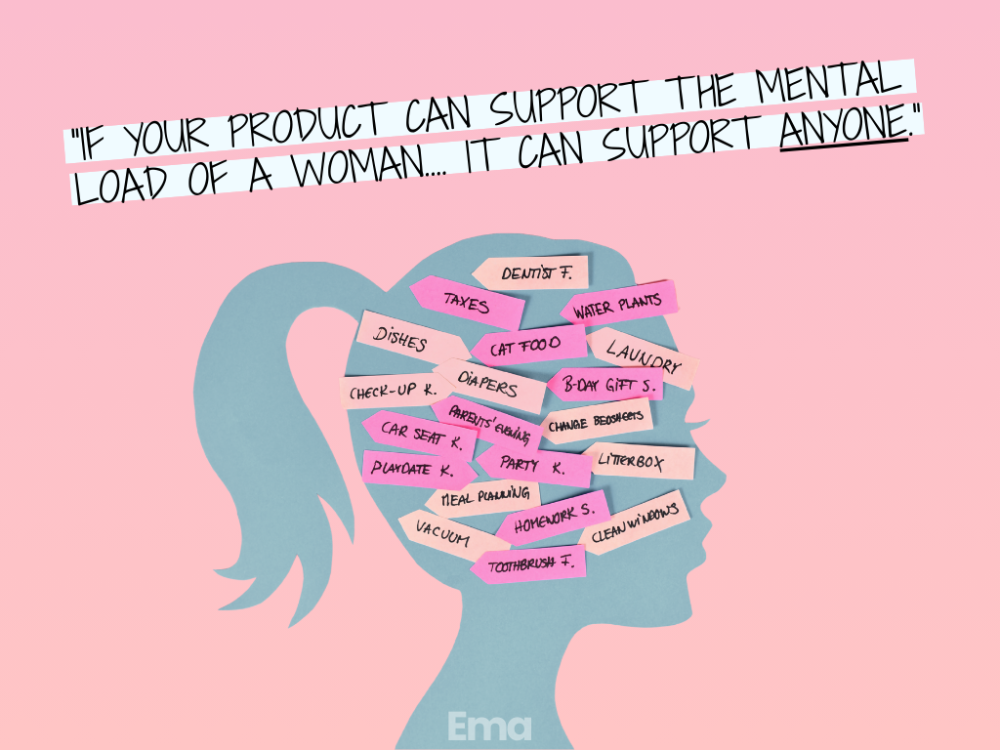
Women carry disproportionate loads of invisible work – managing team dynamics, mentoring, smoothing conflicts, holding space for others’ stress.
This labour never appears on performance reviews or workload assessments.
It accumulates beneath the surface until women hit a wall.
The Cost of Getting It Wrong
In the UK, mental health-related absences cost the economy approximately £21.6 billion annually, with employees taking 34 million sick days each year due to stress, depression and anxiety.
Employee burnout costs an average 1,000-person company US$5.04 million per year globally. Burned-out employees are 6 times more likely to leave, costing companies 50-200 per cent of salary in recruiting and training.
For women specifically, the crisis deepens.
Women new to leadership report 70 per cent burnout rates; for women of colour in senior positions, it reaches 77 per cent..
Nearly 40 per cent of women actively seeking new jobs cite burnout as the primary reason.
Replacing a mid- or senior-level woman costs up to 213 per cent of her annual salary.
We’re not just losing individual contributors but hemorrhaging the women leaders who hold institutional knowledge, mentor the next generation and drive diversity initiatives.
What Needs to Change
Instead of more generic wellness programs, we need to fundamentally rethink how we support women at work.
1. Shift from crisis response to prevention
Only 44 per cent of women feel confident their employer has a burnout plan – but by then, you’ve already lost.
Companies must teach women to recognise burnout signals in their bodies before a crisis hits. Somatic awareness catches exhaustion early, when intervention still works.
2. Design work around cyclical energy, not constant output
Women need organisational cultures that acknowledge hormonal rhythms as legitimate biological factors affecting performance.
This means training managers to understand energy fluctuations and designing workloads that account for them instead of just offering “flexible arrangements”.
3. Make invisible labour visible
Emotional labor must be quantified, acknowledged and redistributed.
This requires new frameworks for measuring contributions beyond traditional output metrics and structural changes preventing this work from defaulting to women.
4. Prioritise personalisation over one-size-fits-all
Workforce wellness now centres on personalisation powered by AI and data analytics.
A 27-year-old establishing her career has completely different needs than a 42-year-old navigating perimenopause while caring for ageing parents.
AI-driven platforms can deliver tailored support – virtual health assistants, personalised insights, telemedicine – making care more accessible for women balancing careers, family and wellness.
The Opportunity
Closing the women’s health gap could add at least $1 trillion annually to the global economy by 2040.
But unlocking that value requires interventions addressing burnout’s root causes, not just symptoms.
The market is already voting.
Virtual workplace wellness programmes saw substantial growth following the pandemic and Europe continues leading corporate wellness investment.
Companies in the UK and France are implementing AI-driven burnout assessments, hybrid wellness platforms and data-driven mental health monitoring.
Still, investment alone isn’t enough.
The question isn’t whether companies will spend on women’s wellness – they already are.
The question is whether they’ll invest in solutions that actually work: reconnecting women with somatic intelligence before burnout becomes visible, designing around hormonal rhythms rather than fighting them and making invisible labour visible so it can be redistributed.
The companies that do will win the talent war.
The ones that don’t will keep wondering why their best women keep leaving.
About Véa Workshops
Véa offers evidence-based corporate wellness workshops designed specifically for women professionals, addressing the root causes of burnout that traditional programs miss.
Grounded in neuroscience, psychology and somatic awareness, Véa workshops focus on prevention rather than crisis response – teaching women to recognise emotional data and somatic signals, work sustainably with hormonal rhythms and make invisible labor visible.
Available in formats from 45-minute executive sessions to half-day leadership offsites, these workshops support sustainable performance without asking women to step back from ambition.
Learn more at veajournal.app/workshops.
Mental health
Fear of ageing may age women faster, study suggests
-
Fertility4 weeks agoDesigner perfumes recalled over banned chemical posing fertility risk
-
Insight2 weeks agoParents sue IVF clinic after delivering someone else’s baby
-
Insight3 weeks agoWomen’s health could unlock US$100bn by 2030
-
Insight4 weeks agoChina’s birth rate hits record low despite government fertility efforts
-
Menopause3 weeks agoHRT linked to greater weight loss on tirzepatide
-
Entrepreneur5 days agoUS startup builds wearable hormone tracker
-
Menopause2 weeks agoFlo Health and Mayo Clinic publish global perimenopause awareness study
-
News4 weeks agoVerdane invest in Clue to accelerate the future of women’s health