




Adolescent health
Call for mental health checks for new fathers


Routine mental health screening for new fathers is needed to protect child development, experts have warned, citing research linking paternal depression to poorer outcomes in children.
A systematic review found that fathers experiencing depression, anxiety or stress during the perinatal period – the time shortly before and after birth – were more likely to have children with difficulties in social, emotional, cognitive and language development.
The findings have prompted calls to extend mental health screening beyond new mothers to include fathers, in order to address a significant gap in family care.
Experts at Ann & Robert H. Lurie Children’s Hospital of Chicago noted that around 14 per cent of fathers in the US experience postpartum depression – a rate similar to that of mothers.
“The birth of a child can be highly stressful for both parents,” said lead author Craig Garfield, paediatrician and founder of the Family & Child Health Innovations Program at Lurie Children’s, and professor of paediatrics and medical social sciences at Northwestern University Feinberg School of Medicine.
“In the US, new mothers have been screened routinely for postpartum depression since 2010. We need to apply the same strategy to new fathers, since more and more studies like this one show that paternal mental health impacts child development and the wellbeing of an entire family.”
Experts also believe the 14 per cent figure may underestimate the true extent of the problem, as many men are less likely to report symptoms of mental distress.
“As clinicians, we need to rethink how we approach new fathers,” said Dr Garfield.
“We need to engage them throughout pregnancy and the perinatal period and normalise feelings of sadness or fear or anxiety that are common during this lifechanging event. Clinicians should discuss with fathers warning signs for depression to help them recognise when either parent might need help.”
To better understand fathers’ experiences, Dr Garfield helped develop PRAMS (Pregnancy Risk Assessment Monitoring System) for Dads – described as a first-of-its-kind public health survey tool. Initially launched in Georgia, it is expected to be active in eight states by the end of 2025.
“PRAMS for Dads helps us focus state resources on addressing the most pressing issues for new fathers,” said Dr Garfield.
“It also helps us further appreciate the impact fathers have on the health and wellbeing of children so we can better support them in adopting healthy behaviours.”
Previous research using PRAMS for Dads data showed that fathers influence whether infants are breastfed and how they are placed to sleep safely.
Dr Garfield recently took part in the “Mapping the Future of Fatherhood in Australia” event following his two-month term as a Thinker in Residence at Deakin University, where the authors of the current study are based.
The commentary was co-authored by Dr Garfield, Clarissa Simon and John James Parker – all from Lurie Children’s Family & Child Health Innovations Program, which publishes an annual Father’s Day report on paternal wellbeing.












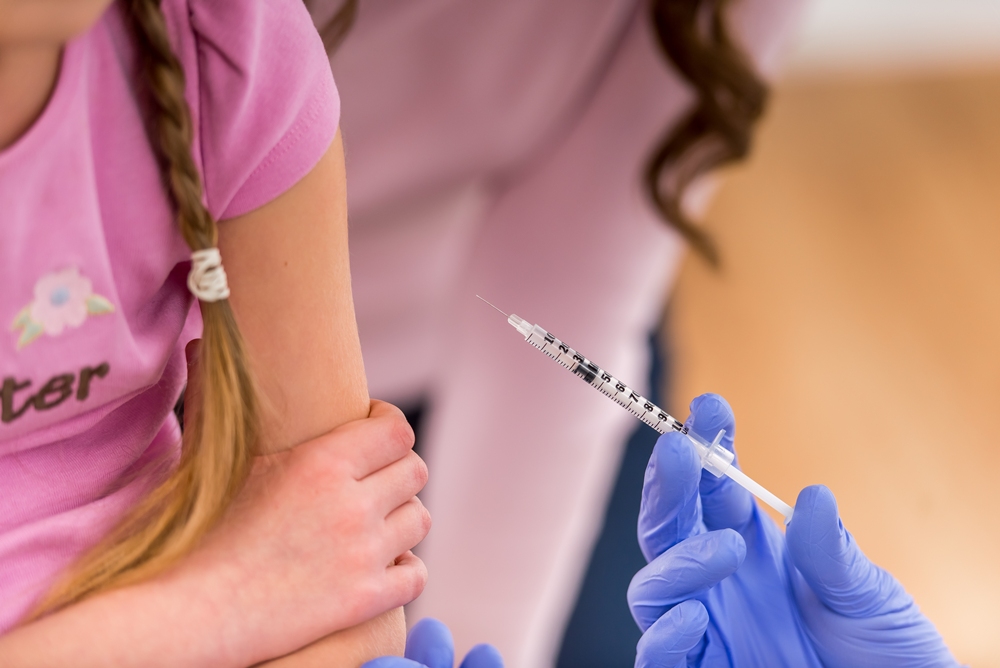
The HPV vaccine has cut the risk of dying from cervical cancer before age 30 to almost zero among those vaccinated at 12 or 13, research suggests.
The first study of its kind found that deaths have fallen sharply since school-age girls began being offered the jab in 2008, with around 200 lives saved in England so far.
Between 2020 and 2024, no cervical cancer deaths were recorded among women aged 20 to 24, the first time this had happened over a five-year period.

Without vaccination, around 23 deaths would have been expected.
Professor Peter Sasieni, lead researcher at Queen Mary University of London, said: “It’s incredible to think that a single jab can almost eliminate a particular type of cancer.”
Around 3,300 people are diagnosed with cervical cancer each year in the UK, making it the 14th most common cancer among women.
Human papillomavirus, or HPV, is thought to cause 99 per cent of cervical cancer cases. The virus is spread through close skin-to-skin contact.
Most HPV infections clear up without causing problems, but some can cause abnormal cell changes that may lead to cancer years later.
The study’s authors expect deaths from cervical cancer to continue falling as more people receive the jab and vaccinated generations grow older.
Cancer Research UK, which funded the research, called the findings an “incredible milestone” but warned that vaccination rates in England remained below recommended levels.
Michelle Mitchell, chief executive of Cancer Research UK, said: “We know the HPV vaccine is extremely effective at stopping cervical cancer before it starts and for the first time these findings show it is saving lives.”
Professor Sasieni, who specialises in cancer epidemiology at Queen Mary University of London, described the reduction in deaths since the vaccine was introduced as the “tip of the iceberg”.
Cancer epidemiology examines patterns of cancer and how the disease affects different groups of people.
He said: “As vaccinated generations grow older, we’ll see many more lives saved from cervical cancer.
“New research shows just how vital it is to keep HPV vaccination levels high so more people are protected.”
The UK government has pledged to eliminate cervical cancer as a public health problem by 2040.
However, the latest figures show vaccination rates have fallen below recommended levels.
UK Health Security Agency data shows that 76 per cent of girls in England were vaccinated by the age of 15 in 2024-25, well below the 90 per cent level the World Health Organization says is needed to eliminate cervical cancer.
Mitchell said: “It’s essential that the UK Government and health systems urgently address this with targeted action to reach communities where uptake is the lowest.”
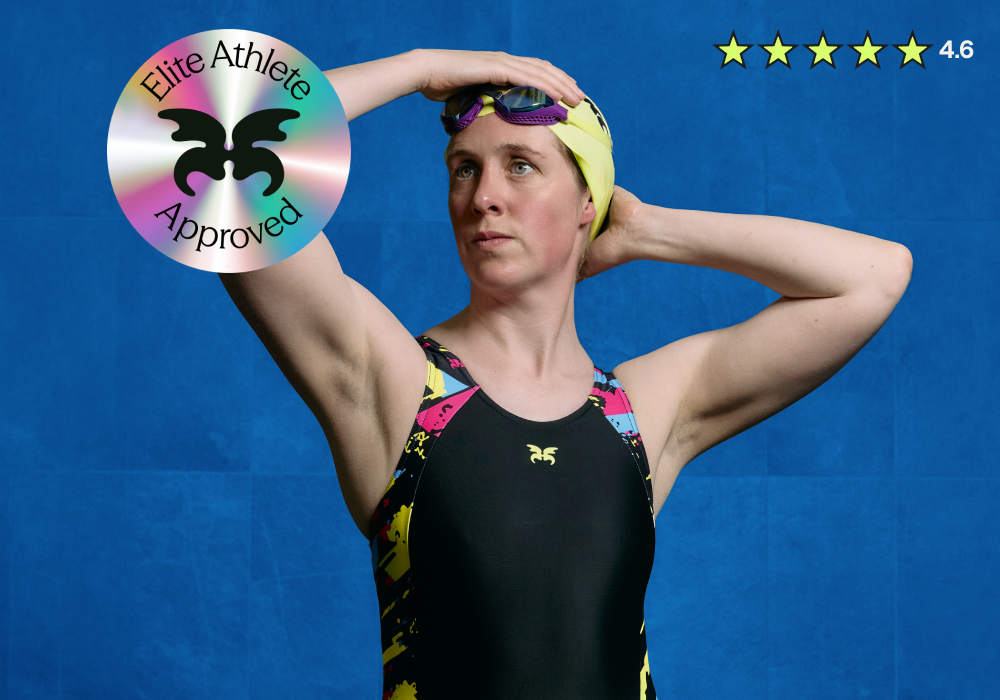
WUKA has announced the launch of the UK’s first heavy flow period-proof competition swimwear collection, designed specifically for competitive swimmers, club athletes and intensive training.
Introducing the NEW WUKA Competition Swim Range, designed specifically for competitive swimmers, club athletes and intensive training – engineered with integrated period-proof technology and designed to meet the rigorous demands of club athletes, divers, and fitness swimmers, this collection enables swimmers to train and compete throughout their cycle without compromising performance, comfort or confidence.
Developed in collaboration with three-time Olympian and Commonwealth Champion Hannah Miley MBE, the new WUKA Competition Swim Range introduces the UK’s first Period-Proof Competition Legsuit alongside a Racer Back Swimsuit, Tie Back Swimsuit and Bikini Top and Bottom Set.
WUKA Founder and CEO Ruby Raut, says: “This is one of the most significant innovations we’ve introduced for athletes.
“Young swimmers told us they wanted swimwear that looked and performed like a serious training kit while giving them confidence during their period.
“The result is a collection that delivers both.
“From the outside, it looks like high-performance competition swimwear; inside, it contains invisible protection designed specifically for life in the water.”
For too long, competitive swimmers have been forced to choose between uncomfortable internal disposables or missing training entirely.
With this collection WUKA expands their mission to ensure no girl or woman is sidelined by her period.
Built for Performance
The WUKA Competition Swim Range introduces four high-performance styles, setting a new standard and industry first in performance swimwear.
Each piece features WUKA’s exclusive Lunafly™ print, designed to stand out on poolside while maintaining a premium competition aesthetic, and WUKA’s “invisible” innovations.
● Heavy Flow: integrated gusset holds 20ml of flow, the equivalent of three pads or four tampons, for up to four hours of continuous training.
● Quick-Dry Integrated Absorbent Technology: features a patented ultra-thin absorbent layer with a compression-inspired fit.
● Hydrodynamic Support: streamlined fits reduce drag, with built-in bust shelf liners for support during high-impact movement.
● High performance recycled materials: 100% Chlorine Resistant, UV50+protection, quick-dry technology and designed to maintain shape and compression 20x longer than standard elastane.
● Sustainability in the fast lane: One WUKA competition suit replaces the need for over 200 disposable tampons and is reusable for up to two years.
The WUKA Competition Swim Collection:
● Competition Legsuit (£70): The gold standard for racing and intensive training, offering
maximum coverage and compression (thigh-skin design).
● Competition Racer Back Swimsuit (£70): A classic athletic silhouette for freedom of movement.
Racerback cut, full-compression support and a leakproof gusset that keeps you protected through your heaviest training days – perfect for club training, galas, master meets and any session where
you’d normally pick a one-piece.
● Competition Tie Back Swimsuit (£70): An adjustable performance fit developed for club swimmers and athletes seeking a personalised fit.
● Competition Bikini Bottom & Top Set (£80): Versatile performance wear for pool and open water.
Available in sizes XXS-L (Adult & Teen)
Hannah Miley MBE said: “As swimmers, we spend countless hours training and building confidence in the water.
“No athlete should feel their period is a reason to miss a session or step away from the sport they love.
“Having period swimwear specifically designed for intensive swimming can make a huge difference to confidence, particularly for younger athletes navigating puberty while balancing training and competition.”
Events
WUKA brings Period-Positive Pool Party to London Aquatics Centre to keep girls swimming through puberty

This summer, WUKA and triple Olympian Hannah Miley MBE are bringing their Period-Positive Pool Party to London Aquatics Centre with one clear mission: to prove that periods should never keep anyone out of the water
At a time when 84 per cent of teenage girls in the UK say their interest in sport declines after starting their period – and nearly 70 per cent report skipping sports or swimming due to menstruation – WUKA’s immersive community event is tackling one of the most overlooked barriers to girls’ participation head-on.
WUKA’s Period-Positive Pool Party was created as a safe, inclusive space for teens to swim on their periods with confidence.
Following a series of sold-out events across the UK, including Eastleigh and Stonehaven in Hannah Miley’s hometown of Aberdeen, the London-based Olympic venue is a result of growing demand from teens and parents seeking supportive, stigma-free spaces to stay active during menstruation.
Why This Matters?
For many young people – particularly those who are not ready to use tampons due to age, comfort, cultural reasons, or parental guidance – swimming during their period can feel inaccessible.
WUKA’s period swimwear offers an alternative designed to provide comfort, coverage, and confidence, helping ensure that periods don’t mean sitting on the sidelines.
The new one-hour London takeover combines swimming, education, and empowerment in one of the UK’s most iconic sporting venues.
Breaking The Stigma While Making A Splash
So much more than a product event, WUKA’s Period-Positive Pool Party is a fully immersive experience featuring a DJ-approved summer playlist, inflatable pool installations, and professional underwater photography capturing barrier-free swimming moments. Every teen will also receive a curated £80 wellness goodie bag, including free WUKA swimwear.
But more than anything, they’re about freedom, confidence, and belonging, ensuring the confidence to swim, period, or not, continues long after they leave the water.
Hannah Miley MBE says: “Being an athlete taught me that your cycle isn’t a weakness, it’s just something to manage.
“Partnering with WUKA for this Pool Party is about showing young swimmers that with the right support and the right kit, they don’t have to press pause on their lives or their sport because of their period.”
WUKA Founder Ruby Raut says: “This is about more than a pool party – it’s about changing what inclusion in sport actually looks like.
“Too many girls step back from swimming and physical activity because of period stigma or lack of options.
“Through community-led events like this, we’re breaking barriers, building confidence, and making sure no one feels excluded from sport because of their cycle.”
Saturday 30th May 2026 | 5–6pm | London Aquatics Centre
Want to join the pool party? Follow this link to buy your tickets












 News4 days ago
UK femtech investment surges 194% in a decade, research finds

 Insight2 weeks ago
Natural Cycles receives sixth FDA clearance for fertility algorithm

 Wellness1 week ago
Cancer patient receives ‘landmark’ treatment in world-first

 Insight2 weeks ago
Experimental treatment significantly slows progression of fatal brain disease in women, study finds

 Sponsored Content2 weeks ago
The room is filling up at WHW Europe 2026 with super early bird pricing ending this Friday

 Entrepreneur5 days ago
TidalSense raises £14m to expand five-minute COPD test across NHS

 Insight2 weeks ago
Johnson & Johnson offers to pay US$5.5bn to settle talc cancer lawsuits

 News5 days ago
Cross-Border Impact Ventures raises US$58m for women and children’s health