




Hormonal health
Heavy or light periods may signal fertility risk

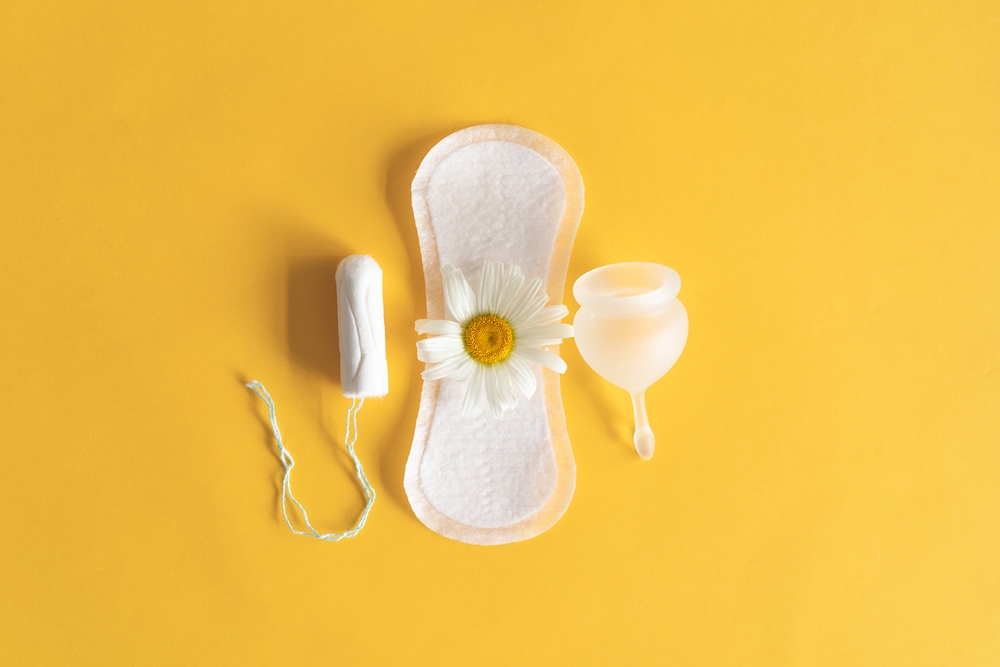
Very heavy or very light periods may be linked to underlying health problems that affect quality of life and can influence fertility, according to medical experts.
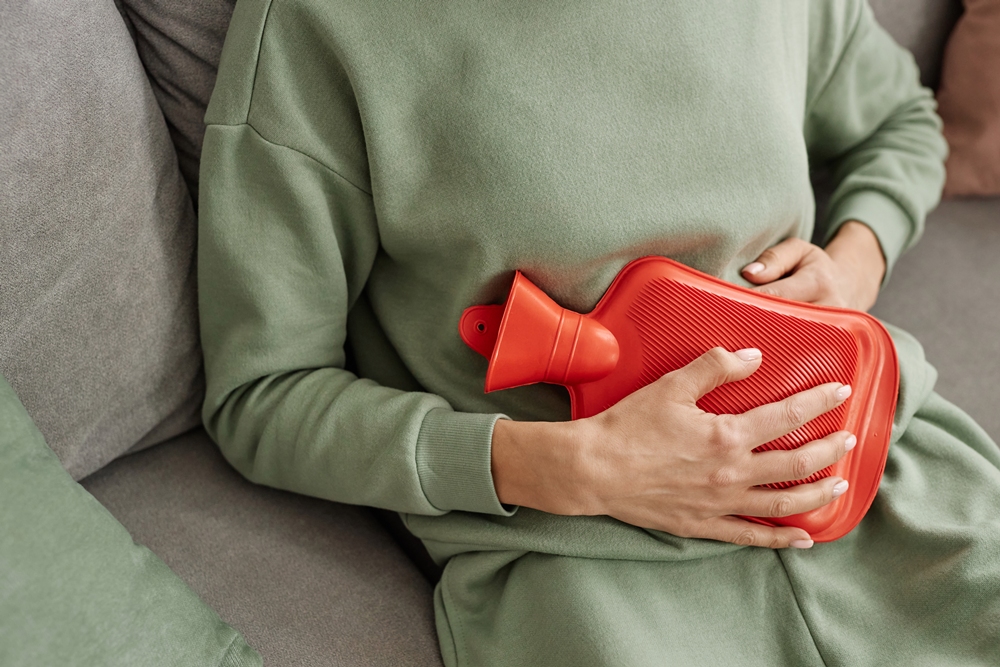
Heavy menstrual bleeding is reported to have a major impact on daily life, with around two thirds of affected women seeking medical help. Beyond anaemia, which can cause fatigue, dizziness, pallor and a rapid heartbeat, heavy bleeding can lead to social and practical difficulties such as stained clothing, higher use of menstrual products and work limitations.
Doctors stress that the amount of bleeding itself does not directly affect fertility. Instead, abnormal bleeding can reflect underlying conditions, some of which can make it harder to become pregnant.

Raúl Villasevil, a specialist in obstetrics and gynaecology at San Carlos Clinical Hospital in Madrid, Spain, said: “The most frequent causes of heavy periods are polyps, fibroids, adenomyosis, some malignant tumours, ovulatory and coagulation problems, endometrial disorders, and certain medications.”
Very light periods can also signal problems, including uterine malformations, intrauterine adhesions, where scar tissue forms inside the womb, and anatomical abnormalities of the vagina. They may also point to ovulatory and hormonal disorders such as hyperprolactinaemia, which involves excess production of the hormone prolactin, or polycystic ovary syndrome. Once confirmed, these conditions can lead to symptoms including infertility.
To identify the cause of abnormal bleeding, Villasevil said doctors begin with a detailed personal and gynaecological history, followed by a physical examination and usually an ultrasound to assess the uterus and ovaries. Blood tests are also used to check for anaemia, coagulation status and hormonal function.
“This basic evaluation is often sufficient to establish the cause of the bleeding abnormality and to propose solutions. If this basic workup does not identify the cause, additional tests such as hysteroscopy or magnetic resonance imaging can be performed,” he added.
Hysteroscopy involves inserting a small camera into the womb to examine it from the inside.
In most cases, the cause of menstrual abnormalities can be identified and treated. A range of treatments allow a personalised approach for each woman, taking into account whether she wishes to have children, her age and her individual needs at different stages of life.








Apple announced menopause and perimenopause tracking for its Health app at WWDC 2026, with symptom logging and cycle alerts for some users.
The update expands the app’s cycle tracking beyond fertility and menstrual periods.
If logged cycle patterns suggest a user may be experiencing perimenopause, the app will send a notification prompting a conversation with a doctor.

However, this perimenopause-specific cycle deviation notification is only for users aged 40 and over and is not intended to replace a doctor’s diagnosis or treatment.
Stacey Ford, Apple’s vice-president of OS management, said users will also be able to log menopause and perimenopause symptoms in the Health app.
Educational content will also be available to help users learn more about these life stages and understand changes in their bodies.
Every year, about 2 million women enter perimenopause, the stage before menopause when levels of the hormone oestrogen decline.
According to a February 2025 survey involving 4,432 participants aged over 30, more than half of women aged 30 to 35 experienced moderate or severe perimenopause symptoms.
The findings suggest perimenopause does not affect only older adults.
About 6,000 women in the US enter menopause every day, according to the Society for Women’s Health Research.
Given the number of women affected by perimenopause and menopause, the update broadens the Health app’s scope.
The app launched in 2019, meaning it has gone seven years without these women’s health tracking features, which could help users better understand their bodies and prepare for informed conversations with doctors.


Article produced in association with Spital Clinic
Feeling permanently tired has become so normal for so many women that most of us have stopped questioning it. But one of the most common reasons behind it is also one of the easiest to miss – and one of the most satisfying to fix.
The tiredness that gets explained away
There’s a particular kind of tired that a lot of women simply live with. The mid-afternoon slump that no amount of coffee touches. Needing an early night and still waking up flat. Putting it all down to work, kids, stress, age or hormones – anything except a cause you could actually do something about.
Often, though, that’s exactly what it is: a cause you could do something about. Low iron is one of the most common reasons women feel wiped out, and because it builds so gradually, it rarely announces itself. You don’t wake up one morning feeling different. You just slowly get used to running on less, until “exhausted” starts to feel like your baseline.
Why women are far more likely to run low
Iron is what your body uses to carry oxygen around in your blood. When levels fall, everything has to work a little harder to do the same job – which is why feeling tired is usually the very first thing you notice.
The reason this affects women so disproportionately is simple: periods. Every cycle carries a small iron cost, and over months and years that quietly adds up. Pregnancy adds to the demand too, when the body’s iron needs rise sharply.
But heavy periods are the big one – left unchecked, they can steadily drain your iron, which is why the NHS treats them as something worth looking into rather than just putting up with.
So if your periods sit on the heavier side, you’re not just dealing with the inconvenience in the moment – you may be slowly draining your iron stores at the same time, month after month.
The reassuring part is that heavy periods can be treated, so it’s worth having them looked at rather than soldiering on.
What low iron actually feels like
Tiredness is the headline, but it’s rarely the only clue. Low iron can show up as feeling breathless going up stairs you used to manage without thinking, a foggy, can’t-quite-focus feeling, looking paler than usual, or noticing your heart racing or thumping for no obvious reason.
Then there are the stranger signs people almost never connect to iron: brittle nails, more hair than usual collecting in the brush, restless legs at night, and – oddly – craving and crunching ice. On their own, each of these is easy to shrug off. Lined up together, they’re very often the same story.
Why it so often slips under the radar
Part of the problem is that none of these symptoms screams “iron.” They’re vague, they overlap with ordinary life, and they arrive slowly enough that you adjust without realising. Most of us are also remarkably good at minimising our own tiredness – we assume everyone feels like this, so there’s nothing to mention.
The result is that low iron can go unaddressed for years, not because it’s hard to find, but because nobody thinks to look. It’s a genuinely common, genuinely treatable issue that quietly chips away at how good you’re allowed to feel.
When “heavy” periods are actually heavy
Here’s the tricky bit: most women have no real benchmark for what counts as heavy, because the only period we ever experience is our own. A useful rule of thumb is needing to change a pad or tampon every hour or two, bleeding that lasts longer than seven days, or passing clots bigger than a 10p coin.
NICE frames it even more usefully: periods count as heavy if they’re getting in the way of your life – physically, emotionally or socially. You don’t have to measure anything. If you’re planning your week around your period, doubling up on protection, or it’s leaving you drained, that’s reason enough to take it seriously.
And the good part is they don’t have to be permanent. If yours have crept up over time, getting them under control is worth it in its own right – and it often tackles the iron problem at its source, rather than topping you up only to lose it again next month.
How you actually find out
You can’t tell your iron levels from how you feel. Plenty of women feel rough with results that look “borderline fine,” and some feel reasonably okay while their reserves are already running low.
The only way to know is a straightforward blood test that checks both your blood count and your ferritin – the marker that reflects how much iron you’ve actually got stored away.
Ferritin is the one that matters here, because it tends to drop first, before a standard anaemia test would flag anything as wrong. That’s exactly why a woman can be told her bloods are “normal” and still feel exhausted: the headline number looks acceptable, but the reserves sitting behind it have been running down for a while.
The good news: it’s very fixable
This is the part worth holding onto. Iron deficiency is one of the more rewarding things to put right. The NHS approach is usually a course of iron tablets over several months to rebuild your stores, paired with a source of vitamin C – even just a glass of orange juice – to help your body absorb them properly.
Alongside that, dealing with whatever’s causing the loss in the first place is what stops you ending up back at square one.
Most women start to notice the difference within a few weeks, often well before their levels are fully restored. The fog lifts, the stairs get easier, and the version of “normal” you’d quietly resigned yourself to turns out not to have been normal at all.
The takeaway
The exhaustion so many women treat as a fixed fact of life frequently isn’t one. Low iron is common, it’s quick to check, and it’s straightforward to put right – but only if someone actually looks for it.
If you’ve been tired for longer than you can remember, especially if your periods are heavy, it’s worth getting your iron checked rather than explaining it away for another year. Speaking to a GP is usually all it takes to get that started – and more often than not, the fix turns out to be far simpler than the months of tiredness would suggest.
Disclaimer: This article is produced for informational purposes only and does not constitute medical advice, diagnosis or treatment. Clinical guidance referenced reflects published NHS and NICE information as at May 2026. Individual circumstances vary; readers are advised to consult a qualified healthcare professional before acting on any information in this article. This piece was produced in association with Spital Clinic, which provided background clinical information for editorial purposes. Hyperlinks to external sources are included for reference only and do not represent an endorsement of any product, service or organisation.











 Menopause2 weeks ago
Perimenopause misinformation ‘putting women at risk’
 Hormonal health3 weeks ago
NHS urged to update website following renaming of PCOS
 Insight4 weeks ago
PCOS renamed after decade-long campaign to end ‘cyst’ misconception

 News2 weeks ago
Women still being failed when they reach menopause, experts say

 Entrepreneur2 weeks ago
Women’s Health Innovation Summit opens submissions for 2026 Innovation Showcase
 Cancer4 weeks ago
AI could transform ovarian care through personalisation, study finds

 News2 weeks ago
Three menopause innovators shortlisted for Femtech World Award

 News3 weeks ago
Low insulin diet and avoiding four food groups may prevent menopause weight gain