




Wellness
Ultra-processed food tied to breast cancer deaths

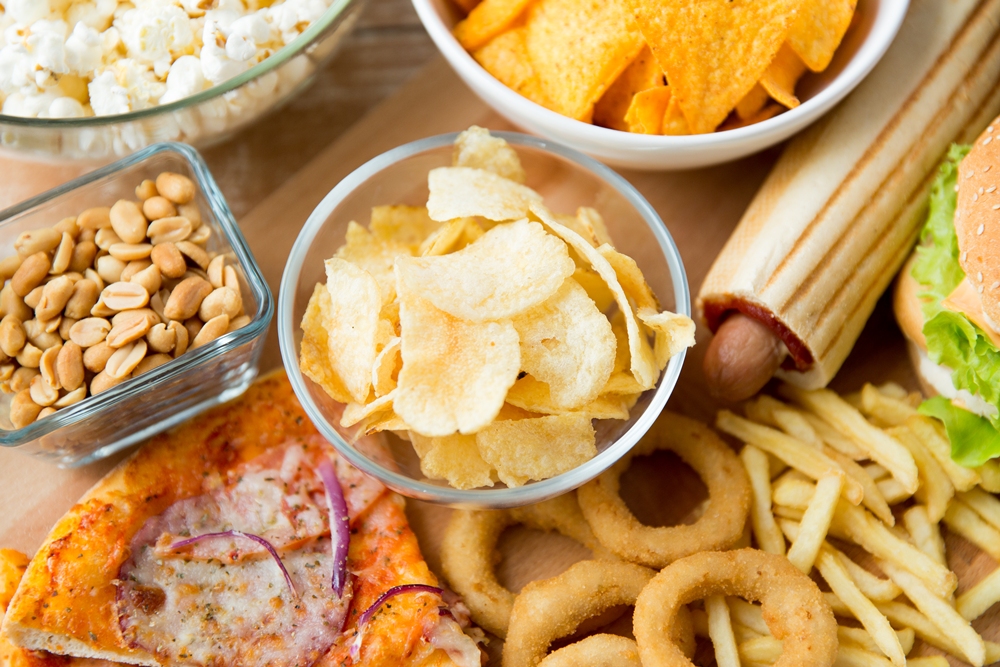
Black women who ate the most ultra-processed food before a breast cancer diagnosis were 40 per cent more likely to die from the disease, a study has found.
The research analysed the diets of more than 1,730 Black women in New Jersey who were diagnosed with breast cancer between 2005 and 2019. About 10 months after diagnosis, participants were interviewed at home and completed questionnaires about what they ate in the year before their cancer was detected. They were then followed for around nine years.
Ultra-processed food is commonly defined as products made with ingredients not typically used in home cooking, such as chemical preservatives, high-fructose corn syrup and artificial colours or flavours. Examples include sugary drinks, biscuits, white bread, deli meats and confectionery.

Women who consumed more than eight servings of ultra-processed food a day were 40 per cent more likely to die from breast cancer and 36 per cent more likely to die from any cause than those who ate fewer than three servings daily.
Processed meats, including bacon and hot dogs, showed the strongest association with death from breast cancer among all categories of ultra-processed food.
Tengteng Wang, assistant professor of medicine at Rutgers Robert Wood Johnson Medical School and lead author of the study, said: “Black women have the highest mortality rate from breast cancer compared with other racial or ethnic groups in the US. We wanted to see what factors might contribute to these differences.”
Wang added: “We found that processed meats were the top-worst foods among all ultra-processed food subgroups. So maybe the takeaway is to avoid this one thing: Limit how much processed meat you eat.”
The findings mirror those of a 2023 study of cancer survivors in the United Kingdom, which found a 22 per cent higher risk of cancer-related death among those who ate the most ultra-processed food. However, 95 per cent of participants in that study were white and 45 per cent were men.
More than 73 per cent of women in the current study were diagnosed with hormone receptor-positive breast cancer, meaning the cancer was driven by oestrogen or progesterone. This made it difficult to determine whether ultra-processed food intake had different effects across specific subtypes, such as triple-negative breast cancer, which does not respond to hormone therapies.
Tracy Crane, associate professor of medical oncology at the Sylvester Comprehensive Cancer Center at the University of Miami, who was not involved in the study, said: “Studies like this make it clear that diet doesn’t stop mattering once breast cancer is diagnosed and may directly shape survivorship.”
According to Crane, ultra-processed foods add inflammation and additional stress to the body at a time when it is already under strain. She said diets focused on minimally processed foods, lean protein and healthy fats can help the body tolerate treatment.
“These are actionable, evidence-based choices that can meaningfully improve long-term outcomes and quality of life for survivors of breast cancer,” she added.
Wang acknowledged that making major dietary changes during treatment and recovery can be daunting. She suggested practical options such as pre-cut vegetables, particularly dark green and dark orange varieties, pre-cut fruit, and simple proteins including ground beef or turkey without additives, chicken pieces or fish.
“You just want to avoid bacon and hot dogs and highly processed meats, things with nitrates and preservatives,” she said.











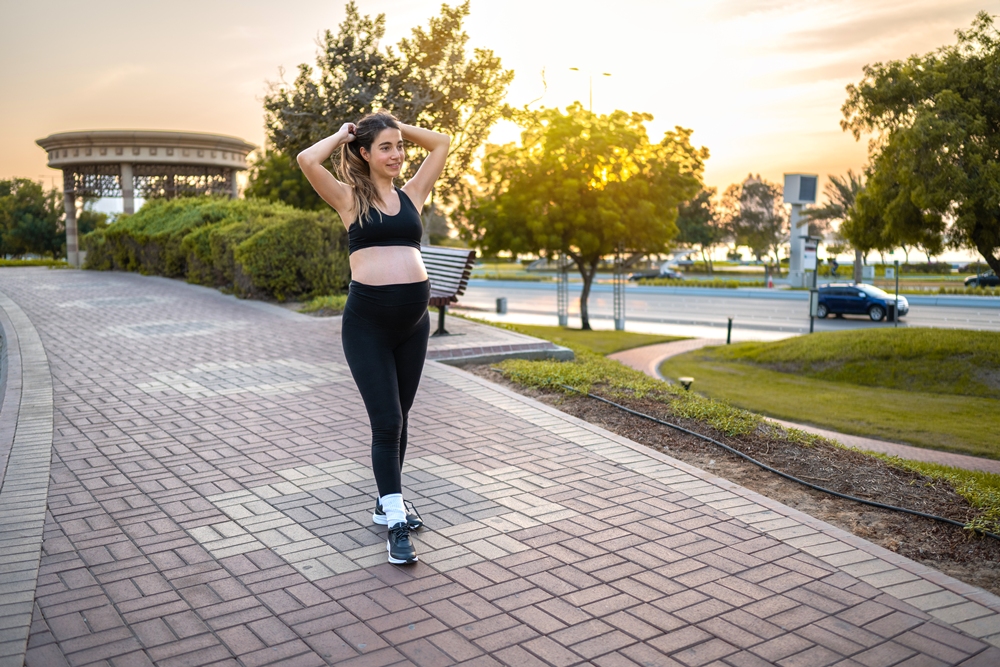
Light exercise and less sitting may reduce pregnant women’s risk of serious blood pressure complications, according to a new study.
Researchers have proposed a daily activity and sleep guide that they say was linked to a nearly 30 per cent lower risk of hypertensive disorders of pregnancy.
The suggested pattern includes fewer than eight hours of sedentary time, at least seven hours of light physical activity, around 22 minutes of more intense activity and nearly nine hours of sleep.

The University of Iowa-led study examined the daily behaviours of 470 pregnant women across all stages of pregnancy.
Participants wore monitors that measured physical activity over 24-hour periods and recorded how long they spent asleep.
Hypertensive disorders of pregnancy include chronic high blood pressure, gestational hypertension and pre-eclampsia.
Gestational hypertension is high blood pressure that develops during pregnancy, while pre-eclampsia is a potentially serious condition involving high blood pressure and signs that organs may be affected.
Sedentary behaviour means being mostly inactive, such as sitting or lying down.
Light physical activity can include casual walking, moving around the home or standing.
Moderate to vigorous activity includes movement such as brisk walking, where breathing and heart rate increase.
Kara Whitaker, associate professor in the department of health, sport, and human physiology at Iowa and corresponding author of the study, said: “We are identifying the optimal composition of movement behaviours across the day associated with the lowest risk of developing HDP and the most improved health outcomes.
“This blueprint holds for each and every trimester of pregnancy.”
Study participants were enrolled at sites in Iowa City, Pittsburgh and Morgantown, West Virginia.
The women wore activity and sleep monitors for at least one week during each trimester of pregnancy.
Four in five participants were non-Hispanic white and nearly a quarter lived in rural areas.
The data showed a steep rise in risk among pregnant women who were sedentary for more than 10 hours a day.
Women who increased light physical activity to at least four hours a day reduced their risk of hypertensive disorders of pregnancy to 15 per cent from 30 per cent.
Whitaker said: “Just moving around more seems to have significant health benefits.
“And I think it also may be a more feasible target for women who are pregnant who are not exercising regularly.”
The researchers said they were surprised that longer durations of moderate to vigorous physical activity did not appear to provide additional benefit.
Sleep beyond a certain duration also did not appear to bring major further benefits.
Whitaker said: “Through this study, we are providing evidence that reducing sedentary behaviour and engaging in light physical activity are important, and maybe more important, when it comes to pregnancy and health.”
The findings may be relevant beyond pregnancy because clinical research has shown that women who develop hypertensive disorders of pregnancy are more than twice as likely to develop heart disease later in life.
Cardiovascular disease includes conditions affecting the heart and blood vessels, such as heart disease and stroke.
Whitaker said: “We know that cardiovascular disease is the number one killer of women, and if we can intervene in pregnancy and prevent women from developing a hypertensive disorder of pregnancy, we are putting them on a better trajectory, away from cardiovascular disease and toward more optimal cardiovascular health.”
The study was published online on June 10.
A second study, published online on May 27, looked more closely at the ratio and type of sedentary behaviour and light physical activity linked to a lower risk of hypertensive disorders of pregnancy.
Whitaker is a lead co-author on that study.
Co-authors in the June 10 study include Alex Crisp, Jaemyung Kim, Karina Smith, Donna Santillan, Mark Santillan and Bridget Zimmerman, from Iowa; Jacob Gallagher, from Iowa State University; Melissa Jones, from Oakland University in Michigan; Bethany Barone Gibbs, Katrina Wilhite, Alexis Thrower and Iqra Sheikh, from West Virginia University; and Sabera Rahman, Janet Catov, Christopher Kline and Maisa Feghali, from the University of Pittsburgh.
The National Institutes of Health, the University of Iowa Institute for Clinical and Translational Science, the University of Pittsburgh Clinical and Translational Science Institute and the West Virginia Clinical and Translational Science Institute funded the research.

Pregnant women’s expectations about postpartum sleep may predict sleep quality after birth, outweighing prior sleep and psychiatric history, a study suggests.
The findings suggest attitudes and beliefs about sleep during pregnancy could be a modifiable risk factor for postpartum sleep concerns.
They also indicate that, among women expecting the poorest sleep, higher postpartum anxiety may further worsen sleep quality.

Sammy Dhaliwal, lead author is clinical health psychologist and research fellow in the department of obstetrics and gynaecology at the Perelman School of Medicine at the University of Pennsylvania.
Dhaliwal said: “Most pregnant women in our sample anticipated poor postpartum sleep before it occurred, and it was striking that those expectations predicted worse sleep outcomes even after accounting for factors such as prior sleep disorders, psychiatric history, and number of previous births.
“This suggests that attitudes and beliefs about sleep during pregnancy may represent a modifiable target for early intervention before postpartum sleep problems emerge.”
Sleep disturbance affects an estimated 60 to 80 per cent of postpartum women and is linked to a higher risk of depression and anxiety.
Researchers said it is often regarded as an expected part of life after childbirth rather than a health issue that may be addressed earlier.
The study enrolled 432 pregnant women at about 24 weeks of gestation, meaning around 24 weeks into pregnancy.
Participants completed measures of their expectations about postpartum sleep, current sleep quality using the Pittsburgh Sleep Quality Index, and mood using validated depression and anxiety scales.
Assessments were repeated at six, 12 and 24 weeks postpartum.
A subset of 49 women also wore wrist actigraphy devices at six to eight weeks postpartum.
Actigraphy uses a wearable device, similar to a watch, to estimate sleep and wake patterns based on movement.
The results showed that 70 per cent of pregnant women, or 301 of 432 participants, expected poor sleep in the postpartum period.
Researchers found that predicted sleep disruption during pregnancy was a significant predictor of postpartum sleep concerns.
Among first-time pregnant women without prior health concerns, those who expected greater sleep disturbance had significantly more disrupted sleep after birth, measured by both actigraphy and self-report.
Among women who expected the worst sleep quality, higher postpartum anxiety significantly worsened both measured sleep and self-reported sleep, independent of anxiety levels during pregnancy.
Dhaliwal said the findings point to two possible areas for intervention: addressing sleep-related beliefs during pregnancy and treating postpartum anxiety.
Dhaliwal said: “Postpartum sleep disruption is often treated only after problems develop, but our findings suggest there may be an opportunity to intervene earlier during pregnancy.
“Addressing sleep-related beliefs and postpartum anxiety during prenatal and postpartum care may help improve sleep and emotional well-being in new mothers.”

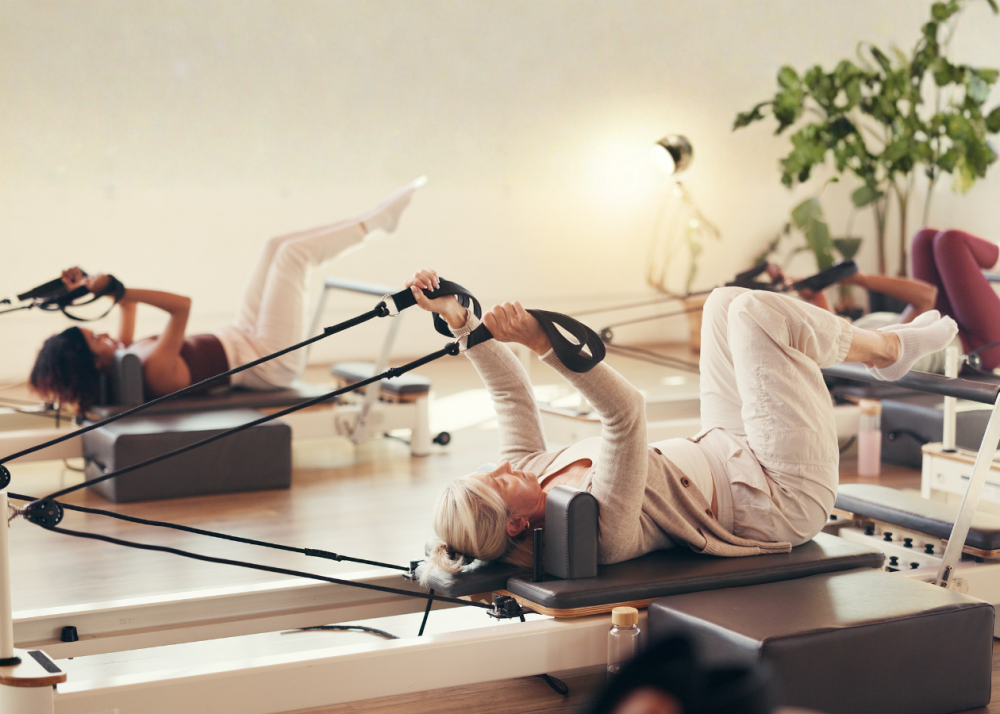
A four-week Pilates programme may improve heart, metabolic and stress measures in previously sedentary women, a small study suggests.
Pilates is a mind-body form of exercise that has been linked to better fitness, balance, posture, muscular endurance, mental wellbeing and quality of life in different groups.
Built around breathing, concentration, control, precision, centring and flow, Pilates is already used in physiotherapy, rehabilitation and preventive health. The new study looked at whether a structured four-week programme could affect cardiovascular, metabolic, body and stress-related measures in sedentary adult women.
The longitudinal study included 30 sedentary women split into two age groups, 30 to 40 and 50 to 60.
All participants completed a standardised, supervised Pilates programme lasting four weeks, with three sessions a week lasting 50 to 60 minutes.
Researchers measured resting heart rate, systolic and diastolic blood pressure, body mass index, abdominal circumference, fasting blood glucose and serum cortisol at the start and end of the programme.
Systolic and diastolic blood pressure are the top and bottom readings in a blood pressure test. Cortisol is a hormone linked to the body’s stress response.
The four-week Pilates programme was linked to improvements in cardiovascular, metabolic, body and neuroendocrine measures, although not every change reached statistical significance within each age group.
In the younger group, significant reductions were seen in heart rate, blood pressure, body mass index and fasting blood glucose after the intervention.
The reduction in blood pressure after the programme was significantly greater in the older group than in the younger group.
Older participants also showed a greater reduction in glucose and cortisol levels after the intervention than younger participants.
Analysis also found significant links between cardiovascular, metabolic and neuroendocrine changes.
In the younger group, this was particularly seen between heart rate and blood pressure responses.
In the older group, it was particularly seen between changes in body mass index and fasting glucose.
The findings suggest Pilates could be a useful multidimensional exercise approach for cardiometabolic health and stress regulation in previously sedentary women.
The researchers said the larger reduction in blood pressure seen in the older group may reflect a higher cardiometabolic burden at the start, leaving more room for improvement after the programme.
The greater reduction in fasting glucose and cortisol in older participants may similarly suggest that people with higher baseline metabolic and neuroendocrine dysfunction could benefit more from structured exercise such as Pilates.
Although Pilates is known to improve body composition through energy use, neuromuscular activation and support for healthier habits, the researchers said the fall in body mass index over four weeks is unlikely to be explained by Pilates alone.
They noted that participants were also told to avoid alcohol, sugar-containing products and sugar-sweetened drinks during the intervention, which may have contributed to the change.
In the younger group, the link between heart rate and blood pressure suggested coordinated cardiovascular responses after Pilates.
The researchers also found that cortisol appeared to be linked to blood pressure and body mass index, suggesting stress-related changes may be tied to cardiovascular and body regulation after the intervention.
In the older group, the link between body mass index and fasting glucose highlighted the relationship between body fat and metabolic regulation.
A positive link between blood pressure and body mass index in this group also suggested that improvements in vascular regulation may be associated with reductions in body mass.
Overall, the findings suggest Pilates-related physiological changes may involve interconnected cardiovascular, body, metabolic and neuroendocrine mechanisms, with different response patterns by age.
The study has important limits. It did not include a non-exercise control group, so it cannot prove Pilates directly caused the changes.
The sample size was also small, which limits how far the findings can be applied more widely.
The authors also noted that cortisol was measured using a single fasting morning sample, which limits conclusions about broader hypothalamic-pituitary-adrenal axis regulation, the system involved in the body’s stress response.
They said larger studies with longer follow-up will be needed to confirm whether Pilates causes these physiological changes over time.











 Hormonal health3 weeks ago
Perimenopause misinformation ‘putting women at risk’

 Hormonal health3 weeks ago
NHS urged to update website following renaming of PCOS

 News2 weeks ago
Women still being failed when they reach menopause, experts say

 Entrepreneur2 weeks ago
Women’s Health Innovation Summit opens submissions for 2026 Innovation Showcase

 Insight1 week ago
British women among angriest in Europe, health survey reveals

 News2 weeks ago
Three menopause innovators shortlisted for Femtech World Award
 Fertility4 weeks ago
AI could transform ovarian care through personalisation, study finds

 News3 weeks ago
Low insulin diet and avoiding four food groups may prevent menopause weight gain
1 Comment