




Wellness
Heavy or light periods may signal fertility risk

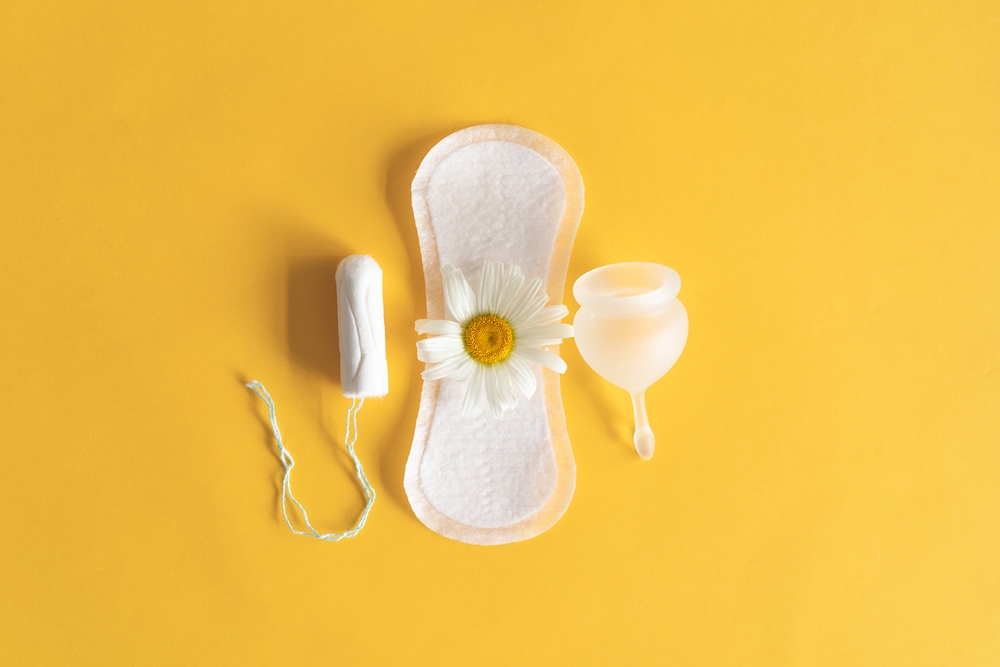
Very heavy or very light periods may be linked to underlying health problems that affect quality of life and can influence fertility, according to medical experts.
Heavy menstrual bleeding is reported to have a major impact on daily life, with around two thirds of affected women seeking medical help. Beyond anaemia, which can cause fatigue, dizziness, pallor and a rapid heartbeat, heavy bleeding can lead to social and practical difficulties such as stained clothing, higher use of menstrual products and work limitations.
Doctors stress that the amount of bleeding itself does not directly affect fertility. Instead, abnormal bleeding can reflect underlying conditions, some of which can make it harder to become pregnant.

Raúl Villasevil, a specialist in obstetrics and gynaecology at San Carlos Clinical Hospital in Madrid, Spain, said: “The most frequent causes of heavy periods are polyps, fibroids, adenomyosis, some malignant tumours, ovulatory and coagulation problems, endometrial disorders, and certain medications.”
Very light periods can also signal problems, including uterine malformations, intrauterine adhesions, where scar tissue forms inside the womb, and anatomical abnormalities of the vagina. They may also point to ovulatory and hormonal disorders such as hyperprolactinaemia, which involves excess production of the hormone prolactin, or polycystic ovary syndrome. Once confirmed, these conditions can lead to symptoms including infertility.
To identify the cause of abnormal bleeding, Villasevil said doctors begin with a detailed personal and gynaecological history, followed by a physical examination and usually an ultrasound to assess the uterus and ovaries. Blood tests are also used to check for anaemia, coagulation status and hormonal function.
“This basic evaluation is often sufficient to establish the cause of the bleeding abnormality and to propose solutions. If this basic workup does not identify the cause, additional tests such as hysteroscopy or magnetic resonance imaging can be performed,” he added.
Hysteroscopy involves inserting a small camera into the womb to examine it from the inside.
In most cases, the cause of menstrual abnormalities can be identified and treated. A range of treatments allow a personalised approach for each woman, taking into account whether she wishes to have children, her age and her individual needs at different stages of life.












Weight loss surgery was linked to more regular periods and fewer polyendocrine metabolic ovarian syndrome (PMOS) symptoms in women aged 18 to 45 living with obesity in a recent study.
The researchers recommend that women undergoing the procedure have access to preconception care and reproductive counselling to support their reproductive health.

Researchers at the University of Surrey analysed data over 24 months from 84 women who underwent bariatric surgery and 18 women living with obesity who did not have surgery.
Of those who underwent surgery, 49 had gastric bypass procedures and 35 had gastric sleeve surgery.
Women who underwent metabolic bariatric surgery lost more than 30kg on average at 12 and 24 months after the procedure.
Among women with polycystic ovaries, the condition persisted in only 10 per cent after 24 months.
Women also reported a resolution of clinical hirsutism, or excess body hair, by 12 months.
Women who had previously experienced irregular periods reported more regular menstrual cycles after surgery.
Professor Martin Whyte, co-author of the study and professor of metabolic medicine at the University of Surrey, said: “A large proportion of those undergoing bariatric surgery are women of reproductive age, who may be planning a pregnancy in the coming years.
“So much remains unknown about the impact of this type of surgery on women who are planning to have children.
“This raises the question of when the ideal time after surgery is to conceive.”
Women have a higher prevalence of obesity than men, with 57 per cent of women in the UK classified as overweight and 27 per cent living with obesity, which can affect fertility and the health of an unborn baby.
The researchers said 17 women had healthy pregnancies following surgery.
Although this was not specifically examined in the study, no difference in birth weight was observed between babies conceived within or after the first year.
Dr Kathryn Hart, co-author of the study and associate professor in nutrition and dietetics at the University of Surrey, said: “What we have found is that bariatric surgery positively affects the reproductive health of women living with obesity and can improve the likelihood of them having a healthy pregnancy after surgery.
“Dysregulated hormone levels, irregular periods and conditions such as polycystic ovaries are affected by obesity.
“By reducing this, what we have seen is that it can lead to improvements without the need for medication.
“We would suggest that clinicians consider medical intervention for obesity to treat irregularities in the menstrual cycle and issues with fertility.”


Young women are more likely than young men to get health and wellness information from social media influencers, a US survey has found.
Among adults aged 18 to 29, 57 per cent of women said they received health and wellness information from influencers, compared with 47 per cent of men.
The Pew Research Center study surveyed 5,023 US adults and examined how young people consume health and wellness content online.
Local university students said influencer content frequently appeared in their social media feeds.
Kabija Koroma, a local university student, said: “It’s more exercise stuff, more like protein and like meals and like how to get ready and like the outfits of the day of videos on TikTok or lately. My favourite ones.”
About 51 per cent of women under 30 said they often consumed influencer content focused on beauty and personal appearance, compared with 18 per cent of men.
The study also found that 21 per cent of women often saw content about therapies outside mainstream medicine, compared with 10 per cent of men.
At least one-third of both young women and young men often encountered influencer content about mental health and weight loss. Around half or more of both groups regularly saw fitness-related content.
Another local university student, Ania Davis, said: “I see a lot like how to meal prep and how to get your morning started. Affirmations stuff. But I do also ask the adults around me because sometimes the internet is not right.”
Researchers also looked at why young adults sought health and wellness information from influencers.
About 51 per cent of young women said they watched the content because they wanted to change their health or lifestyle.
Women were also more likely than men to say they enjoyed hearing from people who shared their background or beliefs, at 23 per cent compared with 14 per cent.
Nineteen per cent of young women said they used influencer content to learn about topics they did not want to ask their doctors about, compared with 10 per cent of young men.
Despite regularly using social media, some students said they did not rely solely on influencer content when making decisions about their health and wellness.
Koroma said: “I’m always on TikTok 24/7 and Instagram, but I also like to ask people older than me because I don’t know everything.”






 Pregnancy1 week ago
KOVE Medical raises €1.7 million to improve safety of foetal surgery

 Pregnancy1 week ago
UK study aims to transform maternity care for high-risk pregnancies

 Mental health2 weeks ago
PMDD after SSRIs or hormones: Why the brain may be the missing treatment target
 Diagnosis2 weeks ago
Ark Surgical secures further institutional backing to accelerate US expansion
 Events4 days ago
Last chance to save on Women’s Health Week and Women’s Sport Summit: Early Bird pricing ends 11 September
 Menopause7 days ago
Menopause hormone treatment may ease brain fog, study suggests

 Motherhood2 weeks ago
Thousands of UK women develop undiagnosed PTSD after childbirth each year – study

 Menopause3 days ago
Cancer drug could tackle osteoporosis menopause weight gain