




Cancer
Research roundup: AI models independently interpret mammograms, and more


Femtech World explores the latest research and science developments in the world of women’s health.
AI models independently interpret mammograms
AI models have shown excellent performance for detecting breast cancers on mammography images.
The algorithms, submitted for a 2023 AI Challenge hosted by the Radiological Society of North America (RSNA), demonstrated increased screening sensitivity while maintaining low recall rates, according to a new study.

The goal of the Challenge was to source AI models that improve the automation of cancer detection in screening mammograms, helping radiologists work more efficiently, improving the quality and safety of patient care, and potentially reducing costs and unnecessary medical procedures.
A research team evaluated 1,537 working algorithms submitted to the Challenge, testing them on a set of 10,830 single-breast exams – completely separate from the training dataset – that were confirmed by pathology results as positive or negative for cancer.
The algorithms yielded median rates of 98.7 per cent specificity for confirming no cancer was present on mammography images, 27.6 per cent sensitivity for positively identifying cancer, and a recall rate, the percentage of the cases that AI judged positive, of 1.7 per cenr.
When the researchers combined the top three and top 10 performing algorithms, it boosted sensitivity to 60.7 per cent and 67.8 per cent, respectively.
According to the researchers, creating an ensemble of the 10 best-performing algorithms produced performance that is close to that of an average screening radiologist in Europe or Australia.
Individual algorithms showed significant differences in performance depending on factors such as the type of cancer, the manufacturer of the imaging equipment and the clinical site where the images were acquired.
Overall, the algorithms had greater sensitivity for detecting invasive cancers than for noninvasive cancers.
Since many of the participants’ AI models are open source, the results of the Challenge may contribute to the further improvement of both experimental and commercial AI tools for mammography, with the goal of improving breast cancer outcomes worldwide.
The research team plans to conduct follow-up studies to benchmark the performance of the top Challenge algorithms against commercially available products using a larger and more diverse dataset.
Cracking the cold case of endometriosis with big data
Records from millions of patients at UC health centers found correlations between endometriosis, one of the most common diseases in women, and a bounty of other diseases.
Scientists at UCSF have found that endometriosis often occurs alongside conditions like cancer, Crohn’s disease, and migraine.
The research could improve how endometriosis is diagnosed and, ultimately, how it is treated; and it paints the sharpest portrait yet of a condition that is as mysterious as it is prevalent.
The study used computational methods developed at UCSF to analyse anonymised patient records collected at the University of California’s six health centers.
Using algorithms developed for the task, researchers hunted for connections linking endometriosis with the rest of each patient’s health history.
Endometriosis patients were compared with patients who did not have it, and categorised the patients with endo into groups based on shared health histories.
The findings from the UCSF data were mapped against the rest of the UC’s health data to see if they held up across California.
The team say they found over 600 correlations between endometriosis and other conditions, ranging from infertility, autoimmune disease, and acid-reflux, to cancers, asthma, and eye-related diseases.
Some patients had migraines, bolstering previous studies suggesting that migraine drugs might help treat endometriosis.
The study supports the growing understanding of endometriosis as a “multi-system” disorder – a disease arising from dysfunction throughout the body.
Respiratory viruses can wake up breast cancer cells in lungs
Researchers have found the first direct evidence that common respiratory infections, including Covid-19 and influenza, can awaken dormant breast cancer cells that have spread to the lungs, setting the stage for new metastatic tumours.
The findings, obtained in mice, were supported by research showing increases in death and in metastatic lung disease among cancer survivors infected with SARS-CoV-2, the virus that causes Covid-19.
“Our findings indicate that individuals with a history of cancer may benefit from taking precautions against respiratory viruses, such as vaccination when available, and discussing any concerns with their healthcare providers,” said Julio Aguirre-Ghiso, a co-leader of the study and director of MECCC’s Cancer Dormancy Institute.
Prior to the study, some evidence suggested that inflammatory processes can awaken disseminated cancer cells (DCCs) – cells that have broken away from a primary tumor and spread to distant organs, often lying dormant for extended periods.
“During the COVID-19 pandemic, anecdotal reports suggested a possible increase in cancer death rates, bolstering the idea that severe inflammation might contribute to arousing dormant DCCs,” said Dr. Aguirre-Ghiso, who also serves as leader of MECCC’s Tumor Microenvironment and Metastasis Research Programme.
Researchers tested this hypothesis using Dr. Aguirre-Ghiso’s laboratory’s unique mouse models of metastatic breast cancer, which include dormant DCCs in the lungs and therefore closely resemble a key feature of the disease in humans.
The researchers exposed mice to SARS-CoV-2 or influenza virus. In both cases, the respiratory infections triggered the awakening of dormant DCCs in the lungs, leading to a massive expansion of metastatic cells within days of infection and the appearance of metastatic lesions within two weeks.
Molecular analyses revealed that the awakening of dormant DCCs is driven by interleukin-6 (IL-6), a protein that immune cells release in response to infections or injuries.
The Covid-19 pandemic offered a unique opportunity to investigate the effect of respiratory virus infections, in this case from the SARS-CoV-2 virus, on cancer progression.
The research team analysed two large databases and found support for their hypothesis that respiratory infections in cancer patients in remission are linked to cancer metastasis.
The UK Biobank is a general population cohort in which some of the more than 500,000 participants were diagnosed with cancer and other diseases prior to the Covid-19 pandemic.
Researchers from Utrecht University and Imperial College London investigated whether a Covid-19 infection increased the risk of cancer-related mortality among participants with cancer.
They focused on cancer survivors who had been diagnosed at least five years before the pandemic, ensuring they were likely in remission.
Among them, 487 individuals tested positive for COVID-19 and these were compared to 4,350 matched controls who tested negative.
After excluding those cancer patients who died from Covid-19, the researchers found that cancer patients who tested positive for Covid-19 faced an almost doubling of risk of dying from cancer compared to those patients with cancer who had tested negative.
From the second population study, the U.S. Flatiron Health database, researchers drew data pertaining to female breast cancer patients seen at 280 U.S. cancer clinics.
They compared the incidence of metastases to the lung among Covid-19-negative patients and Covid-19-positive patients (36,216 and 532 patients respectively).
During the follow-up period of approximately 52 months, those patients who came down with Covid-19 were almost 50 per cent more likely to experience metastatic progression to the lungs compared with patients with breast cancer without a diagnosis of Covid-19.
“Our findings suggest that cancer survivors may be at increased risk of metastatic relapse after common respiratory viral infections,” said Dr. Vermeulen.
Losing weight before IVF may increase chance of pregnancy
A systematic review and meta-analysis of randomised controlled trials (RCTs) has assessed whether weight loss interventions before in vitro fertilization (IVF) improved reproductive outcomes.
The review found that weight loss interventions before IVF could increase the chances of pregnancy, especially in unassisted conception, although the effect on live births was unclear.
The findings are published in Annals of Internal Medicine.
Researchers from the University of Oxford reviewed 12 RCTs comprising 1,921 patients conducted between 1980 through 27 of May 2025.
Inclusion criteria included studies conducted on women at least 18 years old with a BMI of 27 kg/m2 or greater who were seeking IVF with or without intracytoplasmic sperm injection treatment for infertility.
Outcomes of interest were the number of participants achieving pregnancy without IVF (unassisted pregnancy), with IVF (treatment-induced pregnancy), overall (unassisted plus treatment-induced) and those delivering a live infant.
The researchers found that participants were typically women in their early 30s with a median baseline BMI of 33.6 kg/m2.
Weight loss interventions studied included low-energy diets, an exercise program accompanied by healthy eating advice, and pharmacotherapy accompanied by diet and physical activity advice.
Overall, weight loss interventions before IVF were associated with greater unassisted pregnancy rates. Evidence was inconclusive on the effect of weight loss interventions on treatment-induced pregnancies.
Evidence on the association between weight loss interventions before IVF and live births was uncertain, although there was moderate certainty of no association with pregnancy loss.
The findings suggest that weight loss interventions before IVF increase total pregnancies, mainly through an increase in unassisted pregnancy rates.
However, further high-quality clinical trials testing different weight loss interventions, particularly those known to achieve greatest weight losses, such as low-energy total diet replacement programmes, are needed.














AstraZeneca’s breast cancer drug Etcamah has been approved in the EU as part of a combination treatment for advanced disease.
The European Commission acted on a positive opinion from the Committee for Medicinal Products for Human Use, the Cambridge, England-based drug maker said.

The decision followed positive results from the Serena-6 phase III trial, which showed a 56 per cent reduction in the risk of disease progression in advanced oestrogen receptor-positive breast cancer.
A phase III trial is a large, late-stage study used to assess a treatment’s safety and effectiveness before wider regulatory approval.
Oestrogen receptor-positive breast cancer is a form of the disease that can grow in response to the hormone oestrogen.
Etcamah, whose generic name is camizestrant, was tested in combination with a cyclin-dependent kinase 4/6 inhibitor.
Known as CDK4/6 inhibitors, these medicines block proteins that help cancer cells grow and divide.
AstraZeneca said the Etcamah combination has also been approved in Japan, the UAE and Saudi Arabia based on the Serena-6 trial results.
The company said breast cancer remains the leading cause of cancer death among women in Europe, with more than 140,000 deaths and more than 540,000 patients diagnosed in 2024.
AstraZeneca shares were down 0.6 per cent at 12,628 pence in London on Thursday.

Women newly diagnosed with breast cancer have a 59 per cent higher risk of ischaemic stroke in the first year after diagnosis, research suggests.
Researchers also said survivors who develop sudden stroke symptoms, including one-sided weakness, facial drooping, speech difficulties or vision loss, should seek immediate medical attention.
The multicentre study analysed National Health Insurance Service data from 107,606 women who underwent surgery for newly diagnosed breast cancer and compared them with 322,818 age-matched women with no history of cancer.

The research was conducted by professor Shin Dong-wook of Samsung Medical Center, professor Han Kyung-do of Soongsil University, professor Yong-Moon Mark Park of the University of Arkansas for Medical Sciences and professor Wonyoung Jung of the University of Pennsylvania.
Professor Yong-Moon Mark Park said: “The study demonstrates a time-dependent pattern in which the risk of ischaemic stroke rises sharply immediately after breast cancer diagnosis and treatment before gradually declining.
“The key finding is that we evaluated stroke risk according to different stages following diagnosis and treatment. This suggests that clinicians should consider not only how much the risk increases, but also when it is greatest.”
The study included women aged 18 or older who were newly diagnosed with breast cancer between 2010 and 2016, underwent surgery and had no previous stroke.
Each patient was matched with three women of the same birth year who did not have cancer. Participants were followed for an average of 7.2 years.
The main outcome was ischaemic stroke, also known as cerebral infarction. It occurs when a blocked blood vessel cuts off blood flow to the brain and is a leading cause of death and long-term disability.
During follow-up, ischaemic stroke occurred in 1,155 breast cancer patients, or 1.07 per cent, and 3,698 women in the control group, or 1.15 per cent.
Overall, breast cancer surgery was not linked to a significantly higher long-term risk of ischaemic stroke, and researchers recorded a slight fall in risk over time.
However, a different pattern emerged immediately after diagnosis.
Within one year of diagnosis, patients had a 59 per cent higher risk of ischaemic stroke than women without cancer.
The risk was highest during the first three months, at 2.90 times that of the control group.
It remained elevated within six months, at 2.27 times the control group’s risk, before gradually declining.
The risk was still 17 per cent higher three years after diagnosis.
Researchers said the temporary increase may be linked to cancer-related hypercoagulability, inflammatory responses to surgery and treatment, and cardiovascular stress caused by anticancer therapies.
Hypercoagulability means the blood is more likely than usual to form clots. Cardiovascular refers to the heart and blood vessels.
The increased risk was particularly pronounced among patients with hypertension, type 2 diabetes or a history of current smoking.
Hypertension means high blood pressure. Type 2 diabetes is a long-term condition affecting how the body controls blood sugar.
Breast cancer patients who smoked had a 2.26-fold higher risk of ischaemic stroke than comparable women without cancer.
Principal researcher professor Shin Dong-wook stressed the importance of vigilant care for patients with cardiovascular risk factors, especially during the early phase of breast cancer treatment.
Shin said: “Patients with hypertension, diabetes, or other cardiovascular risk factors, as well as those who smoke, require particularly careful management during the early phase of breast cancer treatment.
“If patients who have undergone breast cancer treatment suddenly develop weakness in one arm or leg, facial drooping, slurred or abnormal speech, or vision loss on one side, ischaemic stroke should be suspected, and they should seek immediate medical evaluation.”
Researchers said survivorship care should include strategies to monitor and manage cardiovascular and cerebrovascular disease risk throughout treatment as advances in breast cancer care continue to improve survival.
Cerebrovascular disease refers to conditions affecting blood flow and blood vessels in the brain.
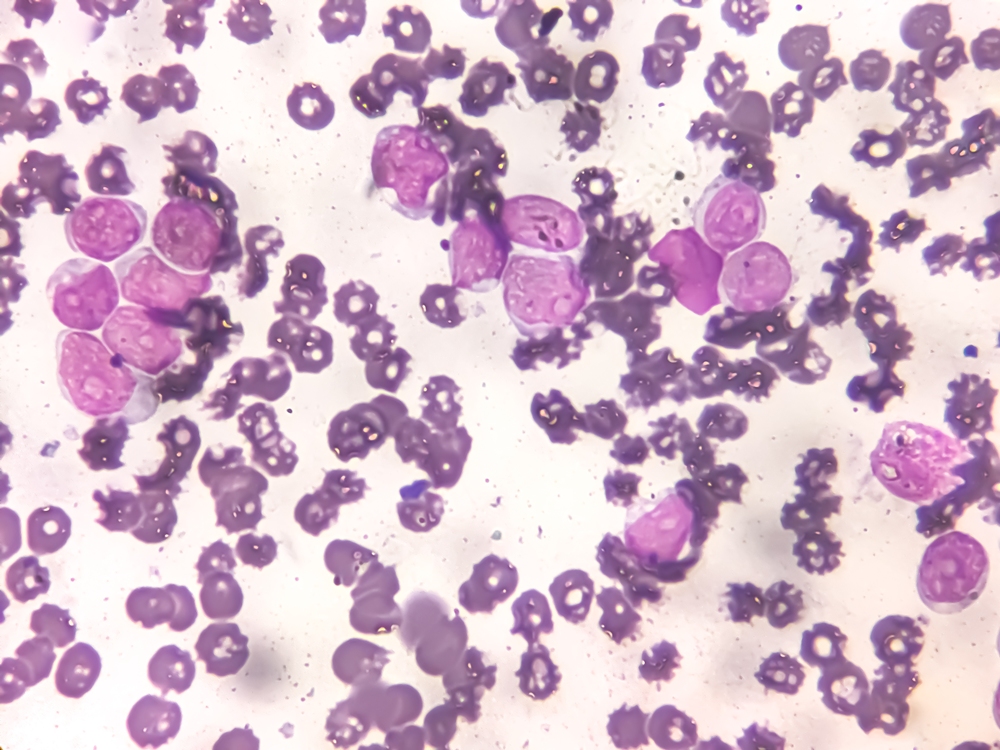
Cancer cells may hijack a fertility protein to repair damaged DNA and survive chemotherapy, research suggests.
The findings could point to a way of making existing cancer treatments more effective.

SYCP1 is a protein normally involved in producing sperm and eggs.
Researchers at the University of Liverpool found that the protein, previously thought to work only in reproduction, can be reactivated in cancer cells, where it helps tumours survive and grow.
SYCP1 usually helps chromosomes pair during meiosis, the form of cell division that produces reproductive cells.
In cancer cells, however, the protein appears to take on another role. It enters the nucleus, the cell’s control centre, binds directly to DNA and regulates genes involved in cell division and DNA repair.
DNA repair is how cells fix damage to their genetic code. In cancer, this process can help tumour cells survive treatment.
The researchers found that removing SYCP1 made cancer cells much more sensitive to chemotherapy drugs that damage DNA.
The findings suggest cancers may use SYCP1 to repair damage caused by treatment and continue growing.
Dr Urszula McClurg, lecturer in biochemistry, cell and systems biology at the University of Liverpool, said: “Our findings show that cancer cells can hijack proteins that normally exist only in reproductive tissues and give them completely new jobs.
“Understanding these unexpected functions opens up exciting opportunities to develop new treatments that make existing cancer therapies more effective.”
The work challenges the long-held belief that proteins active only in fertility have no biological relevance outside the reproductive system.
Researchers say these specialised proteins could provide new treatment targets across many types of cancer.
The study also offers a new view of how cancers evolve by repurposing developmental and reproductive processes.
The findings highlight SYCP1 as a candidate for future precision cancer therapies, which are treatments based on the specific biology of a patient’s cancer.










 Menopause2 weeks ago
New menopause drug approved for use by NHS in Scotland

 Hormonal health1 week ago
Stardust period tracker shares health data, study reveals

 News5 days ago
Zero Candida market set to reach over US$2 billion by 2030 – report

 News2 weeks ago
Women’s health draws record $1.55bn in equity as capital spreads beyond the mega-rounds

 Insight2 weeks ago
Softening ovaries could extend fertility as women age, study suggests

 Entrepreneur2 weeks ago
Onto Health acquires diagnostics software company Levy Health

 News1 week ago
Congress urged to invest over $20bn to close women’s health gap

 Menopause1 week ago
Many women still confused about perimenopause, research finds