




Cancer
The rise of preventive gynaecology: What women need to know


Co-written By Dr Claire Gillvray and Tarang Majmudar, Welbeck Cambridge (2026)
Gynaecological cancers, cervical, ovarian, uterine, vaginal, and vulvar, pose a significant health risk across all age groups.
While treatment has advanced in recent years, early detection remains the single most crucial factor in improving survival, reducing the need for invasive treatments, and preserving quality of life.

Why Early Detection Matters
When gynaecological cancers are detected early, the five-year survival rate exceeds 90 per cent.
In contrast, late-stage diagnosis can reduce survival chances by more than half. Early detection truly can mean the difference between life and death.
In England, the introduction of cervical screening in 1998 and HPV vaccination in 2008 has drastically reduced the incidence and mortality associated with cervical cancer.
For endometrial cancer, postmenopausal bleeding is a red flag symptom, prompting timely medical intervention and generally resulting in early diagnosis.
Yet, ovarian and vulval cancers often go unnoticed.
Ovarian cancer’s vague symptoms such as bloating, abdominal discomfort, and appetite changes, are frequently mistaken for benign conditions.
Vulval cancer symptoms like itching or soreness are often overlooked, especially post-menopause.
To improve early detection, a threefold strategy is essential:
- Screening
- Symptom recognition
- Lifestyle modification
1. Screening
Cervical cancer is one of the few gynaecological cancers that is both preventable and detectable through routine screening.
Caused primarily by the human papillomavirus (HPV), cervical cancer rates have dropped significantly due to HPV vaccination and cervical screening programmes.
In 2023, NHS England outlined its goal to eliminate cervical cancer by 2040.
Despite high HPV vaccination coverage (approximately 80 per cent), screening uptake has declined, particularly among younger women, where participation has dropped to 70 per cent.
The upcoming introduction of self-sampling for HPV aims to address this gap and improve participation.
However, no effective population-wide screening methods currently exist for ovarian, uterine, vaginal, or vulvar cancers.
This reality reinforces the importance of self-awareness, recognising symptoms, and attending regular gynaecological check-ups.

Dr Claire Gillvray
2. Recognising Warning Symptoms
Awareness of key symptoms is vital for early diagnosis:
- Cervical cancer: abnormal vaginal bleeding, post-coital bleeding, unusual discharge
- Ovarian cancer: persistent bloating, pelvic discomfort, urinary urgency, loss of appetite, weight loss
- Uterine cancer: postmenopausal bleeding, irregular or heavy periods
- Vaginal cancer: unusual bleeding or discharge
- Vulvar cancer: itching, pain, lumps, or ulceration
Although many of these symptoms can have benign causes, persistence or change from the norm should always prompt medical review.
Historically, women’s gynaecological symptoms have often been minimised or dismissed.
This has led to diagnostic delays for conditions like endometriosis, which still takes nearly 9 years on average to diagnose.
Young women are particularly vulnerable, with symptoms too often attributed to hormonal changes or stress.
Rather than placing blame, we must push for better education, research funding, and structural support to help clinicians, especially in primary care, identify early warning signs across diverse age groups and health backgrounds.
3. Lifestyle and Risk Reduction
Healthy habits can reduce the risk of several gynaecological conditions:
- Maintain a healthy weight
- Eat a balanced, nutrient-rich diet
- Avoid tobacco and limit alcohol
- Get vaccinated for HPV and practice safe sex
- Attend regular health checks
- Manage conditions like diabetes and hypertension
- Seek genetic counselling if there’s a family history of breast, bowel, or gynaecological cancers
Prevention isn’t only about medical care, it’s also about empowering people with the knowledge and tools to take charge of their health.
The Role of Men and Partners in Gynaecological Health
Preventative gynaecology isn’t a “women-only” issue. Men and partners play an essential role in recognising early warning signs, supporting open health conversations, and advocating for equitable care.
Awareness campaigns must include all genders, so that everyone can support informed decisions, challenge stigma, and help normalise seeking help early.
The Rise of FemTech
Preventative gynaecology is being transformed by FemTech with technologies including:
- Menstrual tracking apps
- Wearable hormone monitors
- At-home diagnostics
- AI-powered symptom tools
These innovations give people more insight into their own health and more confidence when seeking care.
Yet, technology alone isn’t enough. It must be paired with systemic changes in how symptoms are recognised and responded to.
Chronic pain, abnormal bleeding, and fatigue are too often normalised, leading to prolonged suffering and delayed diagnoses.
Empowering Through Self-Advocacy

Tarang Majmudar
A central tenet of preventative gynaecology is self-advocacy. This involves:
- Know your normal—cycles, mood, energy, libido
- Use tech to track symptoms and patterns
- Push for answers when something feels “off”
- Recognise that stress, sleep, and environment all play a role in health
Empowerment also means expecting and demanding respectful, informed care. It’s about being heard, not dismissed.
Prevention in Action: Real Progress
We’re already seeing the benefits of preventative measures:
- The HPV vaccine is reducing cervical cancer rates significantly.
- Early hormone therapy during perimenopause can protect bone, brain, and heart health.
- Growing awareness of reproductive conditions is shortening the diagnostic journey for many.
When supported by data and technology, people can have more meaningful conversations with healthcare providers and make informed choices about their bodies and care.
Looking Forward
For individuals:
Use digital tools to track trends and flag changes. Treat this data as a conversation starter, not a diagnosis.
For clinicians:
Engage with new technologies. Ask proactively about menstrual, hormonal, and sexual health.
For innovators:
Design inclusive, accessible tools for all bodies, all ages, all ethnicities.
For policymakers and researchers:
Support funding for research that focuses on earlier detection, better diagnostics, and equitable access to care.
The future of gynaecological care is not just about reacting to disease, it’s about preventing it, detecting it early, and empowering everyone to take control of their health.
Preventative gynaecology is more than a trend, it’s a necessity.
With education, accessible tools, cultural change, and collaborative action, we can make early detection the norm, not the exception.

















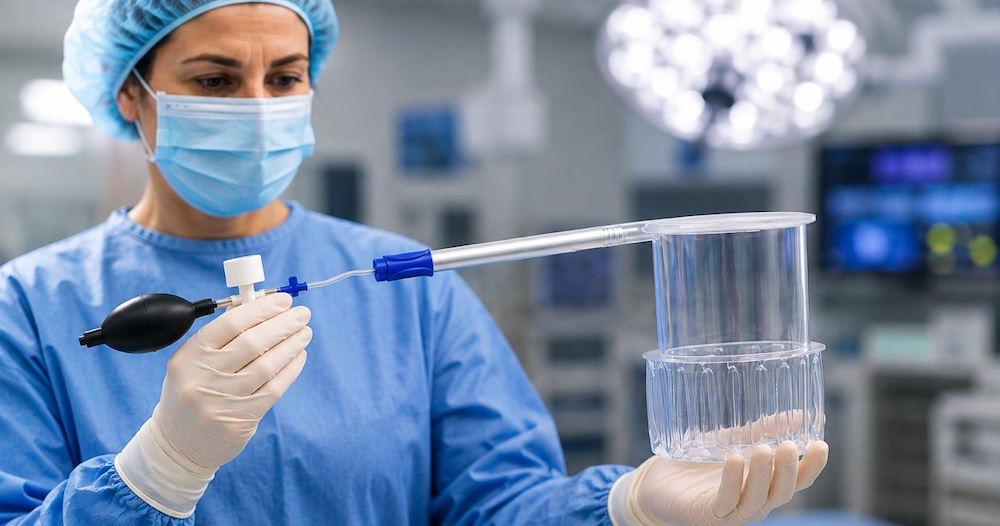
Women’s health medical device company Ark Surgical has secured further institutional backing from JNF and the Israel Innovation Authority (IIA) as it accelerates the US commercial expansion of its surgical tissue containment technology.
Both organisations have previously backed Ark, making the renewed support a significant vote of confidence in the company’s technology, leadership team and commercial strategy as it moves into its next stage of growth.
The new backing comes alongside Ark Surgical’s ongoing Series A financing round, which has also attracted investment from physicians and experienced medical device executives, adding further industry validation as the company builds its US commercial presence.
The Israel Innovation Authority, Israel’s public agency supporting technological innovation, selected Ark Surgical for additional non-dilutive funding following an extensive evaluation process.
The assessment examined the unmet clinical need addressed by Ark’s technology, its clinical results, business and US go-to-market strategy, Israeli and US teams, execution against milestones and future product pipeline.
JNF, which supports economic development and community-building initiatives in Israel, has also increased its previous backing of Ark Surgical.
The relationship has particular significance given Ark’s roots in northern Israel. The company is headquartered near Nazareth in the Galilee and plans to continue strengthening its manufacturing capabilities in the region as its commercial presence in the US grows.
Together, the continued institutional support and investment from experienced healthcare leaders reflect growing confidence in Ark’s technology and its strategy for US expansion.
Stav Tori, CEO of Ark Surgical, said: “Having organisations that already know Ark, our technology and our team choose to support us again is particularly meaningful.
“It reflects our ability to consistently achieve the clinical, regulatory and commercial milestones we set and gives us additional resources to accelerate our expansion in the US.
“Our ambition goes beyond bringing another medical device to market.
“We want to help establish a higher standard of surgical safety for women undergoing minimally invasive procedures.”
Addressing an overlooked risk in women’s surgery
At the centre of Ark’s expansion is LapBox, the company’s FDA-cleared dual-wall tissue containment system developed to address an important safety challenge in minimally invasive gynecologic surgery.
Procedures such as hysterectomy and myomectomy can require large uterine specimens or fibroids to be divided into smaller pieces so they can be removed through small laparoscopic incisions.
This process, known as morcellation, carries a risk of disseminating tissue within the abdominal cavity.
In rare cases where an unsuspected malignancy is present, morcellation can spread malignant tissue and potentially worsen a patient’s prognosis.
But the risk is not limited to cancer.
Even benign uterine tissue can implant elsewhere in the abdominal cavity and grow, potentially resulting in complications such as parasitic fibroids and the need for additional treatment.
LapBox was developed as a dual-wall, bag-in-bag containment system that creates a secured chamber for tissue extraction. The device is FDA-cleared for use with both manual and power morcellation.
From clinical innovation to US adoption
Ark Surgical is now moving beyond its clinical and regulatory milestones to focus on broader commercial adoption.
LapBox™ has already been used in hundreds of procedures, while Ark has been expanding its presence within US hospitals and building relationships with leading minimally invasive gynecologic surgeons.
The latest institutional backing will support the next stage of that strategy, including additional hospital partnerships, key opinion leader engagement, sales leadership and clinical support.
Joseph LaBruzzo, President and CEO of U.S. Operations at Ark Surgical, said: “Ark has reached an important point in its development.
“We have the regulatory clearance, growing clinical experience and increasing engagement from US surgeons and hospitals.
“The focus now is execution and scale.
“What makes this continued backing particularly meaningful is that these are organizations that have followed Ark’s development and seen the team deliver against its objectives.
“Their decision to support the company again provides further validation as we build the commercial and clinical infrastructure needed for broader US adoption.”
That growing adoption is also being reflected in the experience of surgeons using LapBox.
Dr Ramon Yera, a minimally invasive gynecologic surgeon with more than 35 years of experience, said: “Once surgeons use LapBox, they realize this is the bag they should be using for their bread-and-butter procedures.”
Yera believes this reflects a broader shift in expectations around tissue containment in gynecologic surgery.
“Containment is no longer optional. It is an expectation.”
Ark Surgical is continuing its Series A financing round, with additional capital intended to support the next phase of US commercial expansion and development of its broader product pipeline.
Further information for prospective investors is available at ark-surgical.com/investment











 Hormonal health2 weeks ago
Major UK study could be a ‘game-changer’ for heavy periods and endometriosis

 Entrepreneur5 days ago
KOVE Medical raises €1.7 million to improve safety of foetal surgery

 Fertility2 weeks ago
One week left to apply: W Accelerate with Merck KGaA and M Ventures

 Pregnancy6 days ago
UK study aims to transform maternity care for high-risk pregnancies

 Menopause2 weeks ago
Quarter of women miss work due to menstual symptoms, survey finds

 Mental health1 week ago
PMDD after SSRIs or hormones: Why the brain may be the missing treatment target

 Diagnosis1 week ago
Ark Surgical secures further institutional backing to accelerate US expansion

 Insight2 weeks ago
Study to tackle years-long delays in endometriosis diagnosis
2 Comments