




Insight
Rising number of young midwives quitting NHS due to burnout


More young midwives are leaving the NHS before 35 as burnout adds pressure to stretched maternity services, new research has revealed.
The trend has raised concerns about the quality and safety of care for mothers and babies in understaffed maternity units.
During 2025-26, 1,669 midwives aged 34 or under left the health service in England, representing 57 per cent of the 2,949 midwives of all ages who resigned.

The pressures of maternity care, including increasingly complex childbirth and the risks involved, are thought to be among the factors behind the trend.
Hannah Leonard, deputy chief midwife at the Royal College of Midwives, said the exodus of midwives under 35 was “deeply worrying” and showed that too many were ending up “burnt-out within a few years of qualifying because every shift means too few colleagues, missed breaks and unpaid hours”.
She added: “Losing these midwives, and students, even before they qualify, is a terrible waste of talent.”
The figures, revealed in parliamentary questions tabled by the Liberal Democrats, show that 205 of last year’s younger leavers were under 25, while 655 were aged 25 to 29 and 809 were aged 30 to 34.
The number of midwives under 35 leaving the NHS has risen sharply in recent years. The 2025-26 figure was 59 per cent higher than the 1,051 who left in 2014-15, according to NHS figures.
Burnout means long-term physical and emotional exhaustion, often linked to sustained pressure at work.
Separate figures obtained by the Liberal Democrats suggest almost one in four midwifery students are leaving before completing their three-year degree.
In 2021, 3,565 students started a midwifery degree, but 2,725 graduated in 2024, meaning 840, or 24 per cent, did not complete the course.
Midwifery students spend much of their second and third years learning on the job in maternity units.
The loss of staff and students underlines what the Royal College of Midwives has described as a “staffing emergency” in maternity care across the UK.
A recent survey by the Royal College of Midwives found that three-quarters of midwives had considered leaving the profession over the last year, mainly because of concerns over staffing levels and patient safety.
Both recent large-scale reviews of maternity care in England, led by Donna Ockenden and Valerie Amos, identified staffing shortages as a key problem affecting patient safety.
Helen Morgan, the Liberal Democrat health spokesperson, said: “These statistics reveal an alarming crisis in maternity, with far too many midwives burning out early in their career and in their training. Patients are paying the price, and mothers are left with no alternative but to give birth on understaffed and unsafe wards.
“Rather than throw money at yet more new recruits who quit under intolerable pressure, the government needs a new approach. Through guaranteeing protected, year-round training and professional development we can help midwives cope with rising complexity and risk.”
About 10 per cent of all midwives leave the NHS each year.
However, the figures show higher leaving rates among younger midwives, with one in seven, or 14.6 per cent, of those aged 25 to 29 and one in six, or 16.6 per cent, of those aged 30 to 34 leaving during 2025-26.
A Department of Health and Social Care spokesperson said: “Under this government we have a record number of midwives in the workforce and we value the vital service they provide in maternity and neonatal units across the country.
“To make the NHS the best employer it can be, we have introduced new NHS staff standards to improve health and wellbeing support, promote flexible working, as well as crucial measures to tackle violence, sexual harassment or abuse and racism.
“Alongside consecutive above-inflation pay rises, we’ve bolstered the midwifery workforce through our graduate guarantee and recently opened up 1,000 more midwifery roles backed by £10m to help prevent student midwives leaving the profession.”
Department of Health and Social Care figures show a record 25,500 full-time-equivalent midwives are working in the NHS, 2,000 more than when the Labour government took office in July 2024.












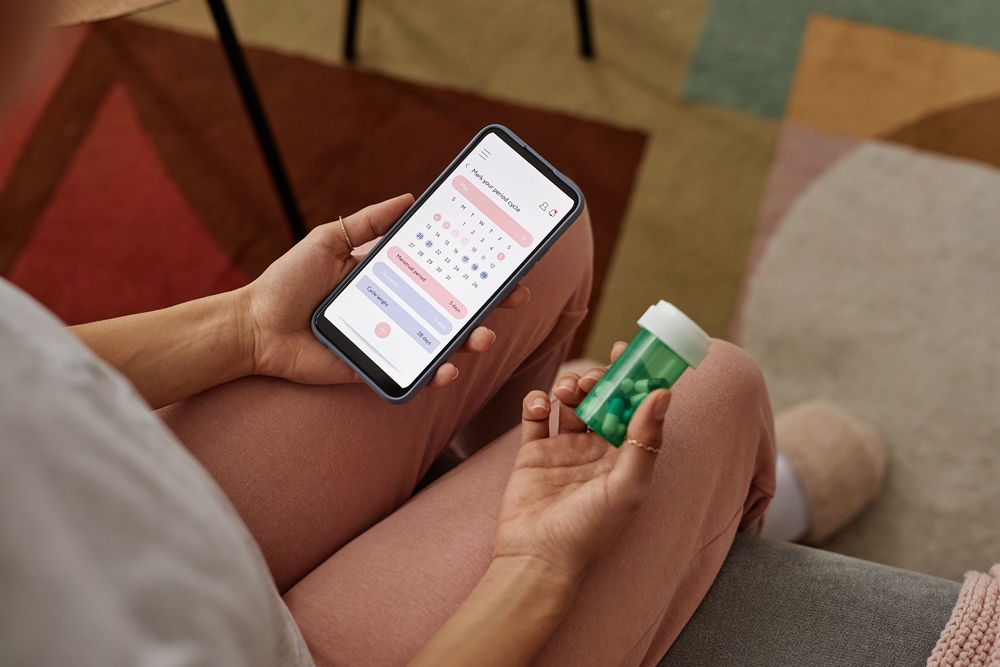
Women’s health has become one of the most searched and shared topics online, from cycle syncing and cortisol management to menopause hacks, supplements, hormone testing and clinician-creator content.
That surge in attention, sometimes dubbed “healthmaxxing,” is changing how women find, evaluate and act on health information, and it is starting to reshape the relationship between patients, clinicians and the companies building products for this market.
For providers, the shift means patients are arriving better informed but also more exposed to unverified claims, putting pressure on clinicians to engage with online narratives rather than dismiss them.
For femtech and pharma companies, it opens a route to reach and educate consumers at scale, but also raises the stakes on credibility: products and messaging that ride the trend without clinical grounding risk eroding the trust the industry has spent years building.
Investors are watching the same dynamic from a different angle.
Attention-driven demand can be a signal of where the next wave of femtech growth will come from, but distinguishing genuine clinical need from viral momentum is increasingly part of due diligence.
The net effect is a widening gap between companies that treat cultural attention as a distribution channel for credible, evidence-based care, and those that risk being swept up in trends with little clinical substance behind them.
How that gap plays out will shape patient trust, clinical relationships and commercial opportunity across the women’s health industry for years to come.
These themes will be explored in more depth in an upcoming webinar, “Women’s Healthmaxxing: The Opportunity & Risks of Cultural Attention for the Women’s Health Industry,” hosted by the Women’s Health Innovation Summit (WHIS), featuring Ellen Wilcox (Listen Ventures), Jessica Bell van der Wal (Frame Fertility), Dr. Tosin Sotubo-Ajayi (NHS, BBC and more) and Nora Lansen (Elektra Health).
Register free for the webinar on 23 July 2026 at https://events.virtualpro.com/womens-health-series-webinar-july-2026/registration

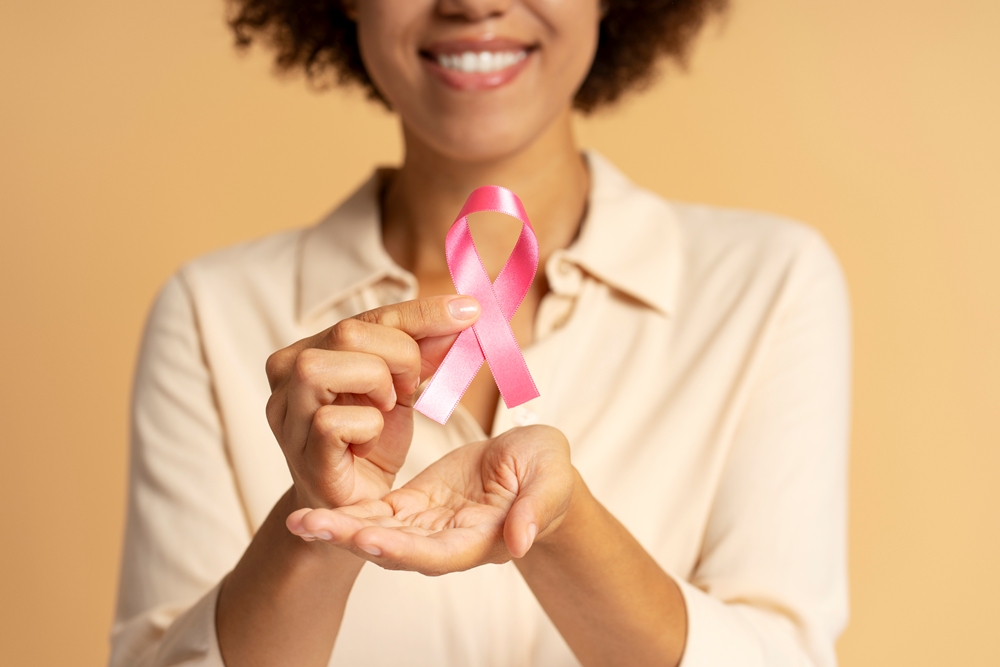
Black women in the UK want clearer, more accessible breast cancer screening information, research has found.
The study looked at why Black African and Black Caribbean women are less likely than white women to attend breast screening.
Researchers at the University of Surrey held focus groups and interviews with 47 Black African and Black Caribbean women aged 50 to 71.

Women in this age group are routinely invited for NHS breast screening.
The researchers said only 45 per cent of Black women attend screening, compared with 63 per cent of white women.
Anietie Aliu, lead author, postgraduate researcher at the University of Surrey and registered nurse, said: “Diagnosing breast cancer early can dramatically improve a person’s chance of survival.
“Breast cancer screening plays an important role in this by identifying the cancer and ensuring a person receives speedy treatment.
“Despite the importance of screening, Black women are less likely to attend appointments than white females.
“This puts them at risk of a potential cancer being diagnosed late and spreading to other areas of the body. We need to understand what is preventing Black women from attending these appointments and help identify ways to remove such barriers.”
The study found a need to increase awareness of breast cancer screening, especially among women less familiar with the service.
Some women, particularly those born outside the UK, knew little about breast screening before receiving their first invitation.
Others questioned why they needed screening when they had no symptoms.
The importance of trusted conversations was also identified.
Researchers found that some Black women expected their GPs to speak to them about breast screening, particularly before they reached screening age.
Although NHS breast screening is organised through national screening services, researchers said GPs often have established relationships with patients and may be well placed to offer brief advice on preventive care, including breast screening.
Participants called for stronger links between GP practices, breast screening services and Black community champions.
They said this could help women receive trusted information, ask questions and feel reassured.
Faith and religious beliefs also shaped decisions for some women.
Some Black African Christian women said illness, including cancer, was not permitted by God in their bodies, while others saw screening as a personal choice that did not conflict with Christian faith.
Muslim women highlighted the importance of being able to state their religion on medical appointment forms to help ensure they were seen by a female mammographer.
A mammographer is a healthcare professional trained to carry out breast screening scans.
Aliu added: “Breast screening can save lives, but our findings show that attendance is shaped by multiple factors, not just awareness, although awareness remains important.
“Women need relatable screening information, reassurance, flexible appointments and services that are accessible within their communities.
“Many felt that invitation letters were too formal, and that leaflets and media imagery did not reflect them, making it harder to relate to screening.”
Dr Afrodita Marcu, senior research fellow at the University of Surrey and member of the research team, said: “We need a more collaborative approach, where primary care, screening services and community voices work together to support women before, during and after the invitation.”
The researchers said future breast screening interventions should be designed with Black women, rather than for them.
They said user-friendly and culturally relevant resources, developed with communities, healthcare professionals and screening services, could improve understanding, reduce fear and make breast screening feel more accessible and reassuring.
Dr Robert Kerrison, associate professor of cancer care at the University of Surrey, said: “There is no question that breast screening can be lifesaving, but we need to make it easier for women to understand, access and feel reassured by the programme.
“This means improving communication, addressing practical barriers and making sure healthcare professionals and community partners are supported to provide clear and trusted information.”
The team has also explored healthcare professionals’ perspectives and worked with stakeholders to develop user-friendly materials with Black women.
Researchers said this co-designed approach could help ensure breast screening messages are culturally relevant, practical and shaped by the people they are intended to support.
News
“Women’s voices should be heard and pain should never be ignored,” says Wales’s first Women’s Health Minister

Women’s pain should not simply be endured, Wales’s first women’s health minister has said.
Delyth Jewell said she was determined to tackle the normalisation of pain in women’s healthcare and ensure women’s voices are listened to.
Speaking during a Women’s Health Summit at the Temple of Peace on Thursday, July 16, she said: “For too long, women’s health has been treated as an afterthought. No woman should be afraid to speak up about pain or things that don’t feel right.
“Women should be believed about their bodies, and I am determined to change the culture that has let too many women down.”
She added: “Women’s voices helped create the Women’s Health Plan. Now we’re making sure those voices continue to shape what comes next.”
The summit brought together clinicians, researchers and women with lived experience to tackle the normalisation of pain in healthcare and identify how women’s voices can better shape NHS services.
Lived experience means insight from people who have personally gone through a health issue or used healthcare services.
The event focused on pain linked to clinical procedures and long-term health conditions, drawing on research evidence, clinical expertise and women’s personal experiences.
Following the summit, minimum standards for service user engagement will be drafted to ensure women’s voices continue to influence the delivery and future priorities of the Women’s Health Plan.
Service user engagement means involving people who use health services in decisions about how care is designed, delivered and improved.
Work will also begin to refresh and strengthen the plan, including gathering feedback directly from women across Wales.
The NHS Wales Women’s Health Plan was developed after discovery work in 2022, when women across Wales shared their experiences of healthcare.
Many said they had not felt listened to, had symptoms dismissed or had lived with pain for years before receiving a diagnosis.








 Diagnosis2 weeks ago
Two “gamechanger” tests set to speed up endometriosis diagnosis on the NHS

 Insight2 weeks ago
Women with PMOS should have annual NHS checks, new guidance says

 News6 days ago
New menopause drug approved for use by NHS in Scotland
 Cancer2 weeks ago
Thousands of women could avoid painful cancer exam with new AI blood test

 Entrepreneur2 weeks ago
Applications open for the third W Accelerate with Merck KGaA and M Ventures
 Fertility2 weeks ago
Older women face lower chance of fertility treatment working, even with donor eggs, study finds

 News2 weeks ago
We built Ema like a nurse: Here’s why that matters

 News2 weeks ago
Experts call for regulation of toxic period product chemicals