




News
The heart of the matter: How CordiFio is creating change
FemTech World speaks to Petronela Sandulache of CorDiFio about why heart condition diagnoses are harder for women


Heart health for women can be a difficult diagnosis to make due to symptoms mirroring other conditions. FemTech World meets Petronela Sandulache founder of CorDiFio
Petronela started her career in the consulting and automotive industry all over the world before a family tragedy made her assess her goals.
She said: “When something terrible happened in my family, it made me think about life and what it is all about. The most important person in our lives had a misdiagnosis and that was it. Someone who is relatively healthy just disappears overnight. That was when I started to investigate the disparities in medical diagnosis for women.”
Petronella added: “Women present different types of symptoms that get confused with indigestion or anxiety rather than being taken seriously and having a further investigation. Once I started investigating, I found out that the number one killer of women more than all cancers combined is heart disease yet 50 per cent following an attack get misdiagnosed.
This is huge pressure on the healthcare system because misdiagnosis means wrong treatments and doctors. The ones who are paying the price are women.”

Heart attacks and health
When it comes to heart attacks, women present different symptoms to men. Yet when it comes to diagnosis, the male symptoms are often used as a benchmark for how it presents.
Petronela explained: “In research conducted by the Canadian stroke and heart foundation, they discovered that 30 to 50 per cent of women diagnosed with depression are actually misdiagnosed and this can mask heart disease in women. They have only recently started to investigate the problem of heart disease, stroke or Alzheimer’s disease in women and why things present differently.”
Hormones are one reason why women have been excluded from studies and it’s why certain conditions present differently in women. Women also face challenges when it comes to taking part in clinical trials such as childcare or pregnancy.
“Obviously we have hormones that are not taken into consideration when you just study male models. So I thought we need to do something about this because femtech is just about tracking your period, making babies or menopause. Women are much more than their reproductive organs. Everything we know about common diseases, treatments and diagnosis has been done on men,” Petronela said.
“We need to do something about heart disease because if you don’t know that you have it, then you can be gone in five minutes. That’s why I called the company, CorDiFio, it means, in Italian, the heart of Fio which was the name of my mother. I’m dedicating this to her and all the women out there so they don’t need to go through the same type of thing,” she added.
The research also revealed that different ethnic backgrounds may place women at higher risks for cardiovascular diseases.
Petronela said: “It’s important to note within the female population, we have ethnic backgrounds with different risk profiles. We know that African, Hispanic or southeast Asian women have a higher probability of dying from cardiovascular disease compared to caucasian women.”
Heart health awareness
CorDioFio is dedicated to raising awareness so that women can detect heart problems early before it becomes a medical emergency. Its goal is to empower both women and their doctors to come up with early detection which will help to save lives.
“The great news is that 80 per cent of heart disease and strokes are preventable if caught in time. We are determined to keep women’s hearts beating longer.”
When it comes to CorDiFio’s technology, how does it work for patients?
Petronella explained: “If you download our app or go to the website to register then we take you on a journey by asking specific questions that take about 20 minutes to answer. We will generate a personalised health report for you to download and take to your appointment with your GP. You will learn your risk factors, where you need to keep an eye out and it’s something tangible to start that conversation with doctors by highlighting things you wouldn’t have thought of.”
She added: “We have tested this with various women from all over the world to see what their doctors say about the reports. They found that they don’t have a heart problem which is great so it’s peace of mind but some found they had other issues which present a diagnostic opportunity. We want to integrate this and are working with wearables.”






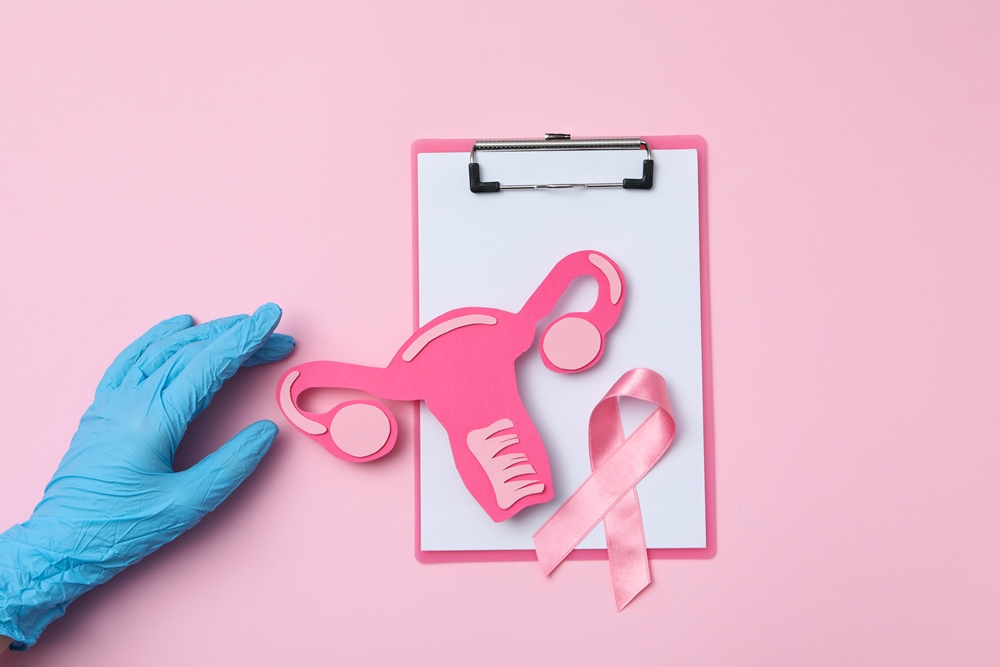
A non-profit has launched an endometriosis documentary featuring Amy Schumer and Marilyn Monroe as it pushes for changes in how the condition is treated and understood.
The Endometriosis Collective has launched to change how endometriosis is researched, treated and understood, starting with a documentary featuring stories from people including Amy Schumer and Marilyn Monroe.
The feature-length documentary, “End of the Cycle”, will premiere in New York on Tuesday, and The Endometriosis Collective is making the film free to stream online.

Schumer, a comedian, writer and actor, has previously spoken of how endometriosis left her “on the floor in pain, vomiting from the pain, the pain that nobody can see.”
Schumer is one of several celebrities featured in the documentary. Other contributors include dancer Julianne Hough, Olympic medallist Brittany Brown and actors Janel Parrish and Folake Olowofoyeku.
The Endometriosis Collective timed the documentary premiere to coincide with the 100th anniversary of Marilyn Monroe’s birth.
Monroe, who died in 1962, starred in films such as “Some Like It Hot” and “Gentlemen Prefer Blondes.”
According to a biography published in 1985, Monroe’s endometriosis was so severe that it destroyed her marriages, her wish for children, her career and ultimately her life.
The Endometriosis Collective said the documentary shares newly uncovered information about Monroe’s experience with endometriosis.
The non-profit said the information connects Monroe’s story to the experiences of women across generations, highlighting how far awareness, research and care still have to go.
A representative of the Marilyn Monroe Estate said: “By sharing this part of her story through ‘End of the Cycle,’ we hope to honour her legacy in a way that brings visibility to endometriosis, encourages more open dialogue and helps inspire the research needed to create change.”
As part of the premiere, The Endometriosis Collective is holding a panel discussion.
Schumer, Brown and Olowofoyeku, the documentary’s co-directors Sammy Jaye and Soraya Simi, and medical experts are due to be part of the premiere.
AbbVie’s Orilissa and Sumitomo Pharma’s Myfembree are among the approved drugs for endometriosis pain.
Hough, one of the participants in the documentary, starred in an Orilissa campaign in 2017.











 Menopause1 week ago
Perimenopause misinformation ‘putting women at risk’

 News4 weeks ago
NIH Grant terminations disproportionately impact minority scientists, research finds

 Events4 weeks ago
WUKA brings Period-Positive Pool Party to London Aquatics Centre to keep girls swimming through puberty
 Insight3 weeks ago
PCOS renamed after decade-long campaign to end ‘cyst’ misconception
 Hormonal health2 weeks ago
NHS urged to update website following renaming of PCOS
 Menopause4 weeks ago
CBT shows promise for menopause insomnia and hot flashes

 Events4 weeks ago
WHIS 2026 unveils agenda and first speakers for the leading women’s health summit

 News7 days ago
Three menopause innovators shortlisted for Femtech World Award
1 Comment