




News
Self-sampling HPV kits could screen an extra million women for cervical cancer
Self-sampling has already been introduced in several countries with the aim of increasing cervical screening participation rates

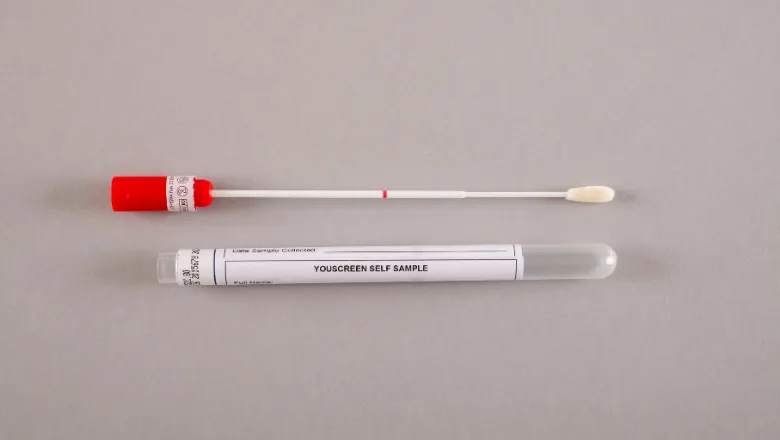
Self-sampling HPV kits could enable more than a million more women in England to participate in cervical screening over the next three years, new research has shown.
A new study has found that do-it-yourself human papillomavirus (HPV) tests could dramatically increase the rates of cervical screening uptake.
The YouScreen trial, led by King’s College London in partnership with NHS Cancer Alliances in North Central and North East London, NHS England and the NHS Cervical Screening Programme, provided self-sampling HPV kits to women who were at least six months overdue for their cervical screening.
Researchers found offering self-sampling kits to under-screened women when they attend their GP practice and by posting kits to women’s homes could boost the numbers screened in England by about 400,000 each year.
The findings, published in eClinicalMedicine, showed that this convenient test could be an effective way to tackle the problem of low cervical cancer screening attendance.
“Self-sampling has been hailed as a game-changer for cervical screening and we now have evidence in a UK population to show that it really is,” said lead investigator, Dr Anita Lim.
“Women who don’t come for regular screening are at the highest risk of developing cervical cancer. Cervical screening participation has been falling in England for over two decades. Currently, almost a third of eligible women aren’t getting screened regularly and in some parts of London this is as high as 50 per cent.
“It is crucial that we make cervical screening easier by introducing innovations like self-sampling, alongside the current cervical screening programme, to help protect more people from this highly preventable cancer. Self-sampling can do this by offering people choice and convenience.”
Self-sampling has already been introduced in several countries with the aim of increasing cervical screening participation rates, including the Netherlands, Australia, Denmark and Sweden.
Emerging evidence from other studies suggests that self-sampling tests are similarly good at detecting HPV, which can lead to pre-cancerous cells.
Women in the YouScreen trial used a vaginal swab to take their sample either at-home or at the GP practice. Samples taken at home could be posted for free directly to the laboratory for testing. If HPV was detected, a follow-up test was required.
The study, the largest trial of self-sampling for cervical cancer in the UK to date, offered HPV self-sampling kits to over 27,000 un- and under-screened women, aged 25-64 from 133 GP practices in north and east London between January 2021 and November 2021.
Around 8,800 women sent back self-samples; 64 per cent were from ethnic minority groups and 60 per cent from deprived populations. Approximately 13 per cent returned self-sample kits when mailed directly to them from the screening programme and 56 per cent returned a kit when it was offered at their GP practice.
Dr Lim said: “The YouScreen trial has given us the evidence we need to demonstrate that self-sampling helps get more women screened in England.
“It’s really encouraging that we received self-samples from groups that have been historically underserved including people from deprived and ethnic minority backgrounds, LGBTQI+, people with learning disabilities and victims of sexual violence.
Professor Peter Sasieni, head of the research group at King’s and now at Queen Mary University of London, said: “We are well on our way to turning cervical cancer into a rare disease in the UK. This is thanks to the NHS cervical screening programme, the HPV vaccine and the ability to now test for HPV.
“Unfortunately, women born before 1990 are unlikely to benefit from the HPV vaccine so regular screening is vitally important to protect those who have not been vaccinated from this cancer.
“YouScreen showed that this simple test is popular with both women and GP practices and could boost screening participation in England by over a million over three years. That in turn would help to accelerate the decline in cervical cancer rates.”
Mairead Lyons, a senior consultant to YouScreen from King’s College London, said self-sampling is a win-win for everyone.
“YouScreen demonstrated that for GPs, nurses and other healthcare professionals at general practice, being able to offer self-sampling to under-screened women when they attend for other appointments is a pragmatic way to deliver cervical screening to those at risk,” she explained.
NHS director of screening and vaccination, Deborah Tomalin, added: “It’s extremely promising that this study suggests simple DIY swab tests could have a really positive impact in supporting more women to take part in cervical screening from their own homes, and the NHS will now be working with the UK National Screening Committee to consider the feasibility of rolling this out more widely across England.
“In the meantime, if you are invited for cervical screening by the NHS, it’s vital that you come forward – it could save your life and remains vital towards our ambition of eradicating cervical cancer in England within the next two decades.”
To receive the Femtech World newsletter, sign up here.










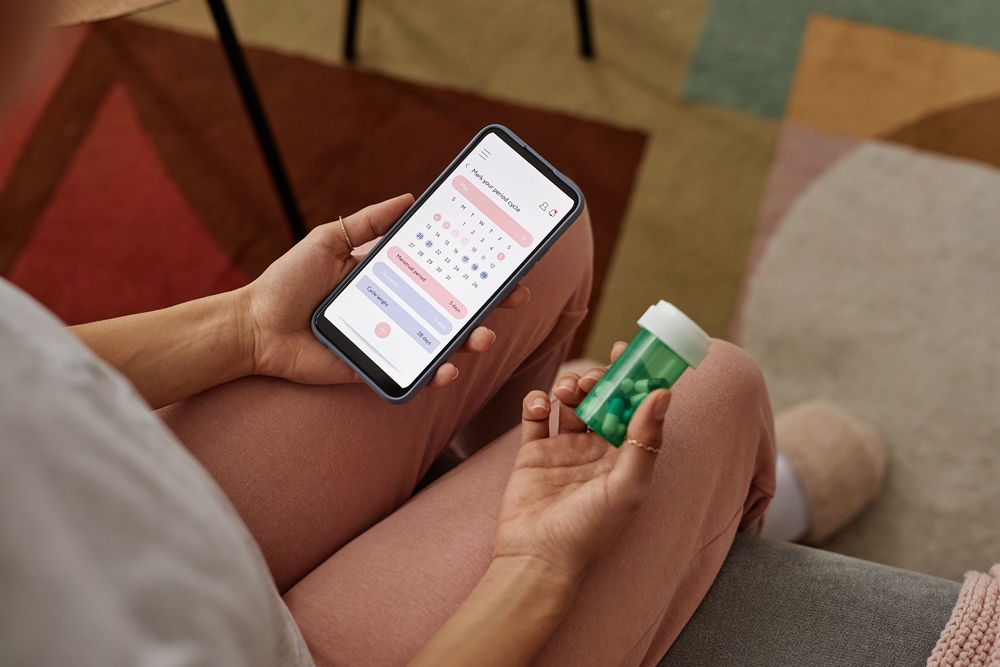
Women’s health has become one of the most searched and shared topics online, from cycle syncing and cortisol management to menopause hacks, supplements, hormone testing and clinician-creator content.
That surge in attention, sometimes dubbed “healthmaxxing,” is changing how women find, evaluate and act on health information, and it is starting to reshape the relationship between patients, clinicians and the companies building products for this market.
For providers, the shift means patients are arriving better informed but also more exposed to unverified claims, putting pressure on clinicians to engage with online narratives rather than dismiss them.
For femtech and pharma companies, it opens a route to reach and educate consumers at scale, but also raises the stakes on credibility: products and messaging that ride the trend without clinical grounding risk eroding the trust the industry has spent years building.
Investors are watching the same dynamic from a different angle.
Attention-driven demand can be a signal of where the next wave of femtech growth will come from, but distinguishing genuine clinical need from viral momentum is increasingly part of due diligence.
The net effect is a widening gap between companies that treat cultural attention as a distribution channel for credible, evidence-based care, and those that risk being swept up in trends with little clinical substance behind them.
How that gap plays out will shape patient trust, clinical relationships and commercial opportunity across the women’s health industry for years to come.
These themes will be explored in more depth in an upcoming webinar, “Women’s Healthmaxxing: The Opportunity & Risks of Cultural Attention for the Women’s Health Industry,” hosted by the Women’s Health Innovation Summit (WHIS), featuring Ellen Wilcox (Listen Ventures), Jessica Bell van der Wal (Frame Fertility), Dr. Tosin Sotubo-Ajayi (NHS, BBC and more) and Nora Lansen (Elektra Health).
Register free for the webinar on 23 July 2026 at https://events.virtualpro.com/womens-health-series-webinar-july-2026/registration

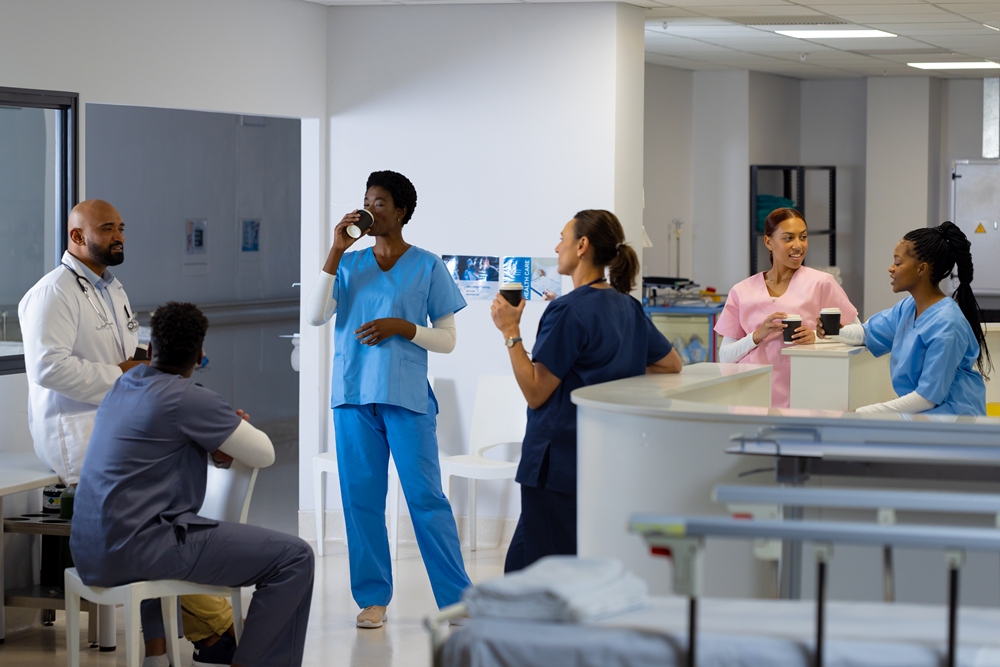
More young midwives are leaving the NHS before 35 as burnout adds pressure to stretched maternity services, new research has revealed.
The trend has raised concerns about the quality and safety of care for mothers and babies in understaffed maternity units.
During 2025-26, 1,669 midwives aged 34 or under left the health service in England, representing 57 per cent of the 2,949 midwives of all ages who resigned.

The pressures of maternity care, including increasingly complex childbirth and the risks involved, are thought to be among the factors behind the trend.
Hannah Leonard, deputy chief midwife at the Royal College of Midwives, said the exodus of midwives under 35 was “deeply worrying” and showed that too many were ending up “burnt-out within a few years of qualifying because every shift means too few colleagues, missed breaks and unpaid hours”.
She added: “Losing these midwives, and students, even before they qualify, is a terrible waste of talent.”
The figures, revealed in parliamentary questions tabled by the Liberal Democrats, show that 205 of last year’s younger leavers were under 25, while 655 were aged 25 to 29 and 809 were aged 30 to 34.
The number of midwives under 35 leaving the NHS has risen sharply in recent years. The 2025-26 figure was 59 per cent higher than the 1,051 who left in 2014-15, according to NHS figures.
Burnout means long-term physical and emotional exhaustion, often linked to sustained pressure at work.
Separate figures obtained by the Liberal Democrats suggest almost one in four midwifery students are leaving before completing their three-year degree.
In 2021, 3,565 students started a midwifery degree, but 2,725 graduated in 2024, meaning 840, or 24 per cent, did not complete the course.
Midwifery students spend much of their second and third years learning on the job in maternity units.
The loss of staff and students underlines what the Royal College of Midwives has described as a “staffing emergency” in maternity care across the UK.
A recent survey by the Royal College of Midwives found that three-quarters of midwives had considered leaving the profession over the last year, mainly because of concerns over staffing levels and patient safety.
Both recent large-scale reviews of maternity care in England, led by Donna Ockenden and Valerie Amos, identified staffing shortages as a key problem affecting patient safety.
Helen Morgan, the Liberal Democrat health spokesperson, said: “These statistics reveal an alarming crisis in maternity, with far too many midwives burning out early in their career and in their training. Patients are paying the price, and mothers are left with no alternative but to give birth on understaffed and unsafe wards.
“Rather than throw money at yet more new recruits who quit under intolerable pressure, the government needs a new approach. Through guaranteeing protected, year-round training and professional development we can help midwives cope with rising complexity and risk.”
About 10 per cent of all midwives leave the NHS each year.
However, the figures show higher leaving rates among younger midwives, with one in seven, or 14.6 per cent, of those aged 25 to 29 and one in six, or 16.6 per cent, of those aged 30 to 34 leaving during 2025-26.
A Department of Health and Social Care spokesperson said: “Under this government we have a record number of midwives in the workforce and we value the vital service they provide in maternity and neonatal units across the country.
“To make the NHS the best employer it can be, we have introduced new NHS staff standards to improve health and wellbeing support, promote flexible working, as well as crucial measures to tackle violence, sexual harassment or abuse and racism.
“Alongside consecutive above-inflation pay rises, we’ve bolstered the midwifery workforce through our graduate guarantee and recently opened up 1,000 more midwifery roles backed by £10m to help prevent student midwives leaving the profession.”
Department of Health and Social Care figures show a record 25,500 full-time-equivalent midwives are working in the NHS, 2,000 more than when the Labour government took office in July 2024.
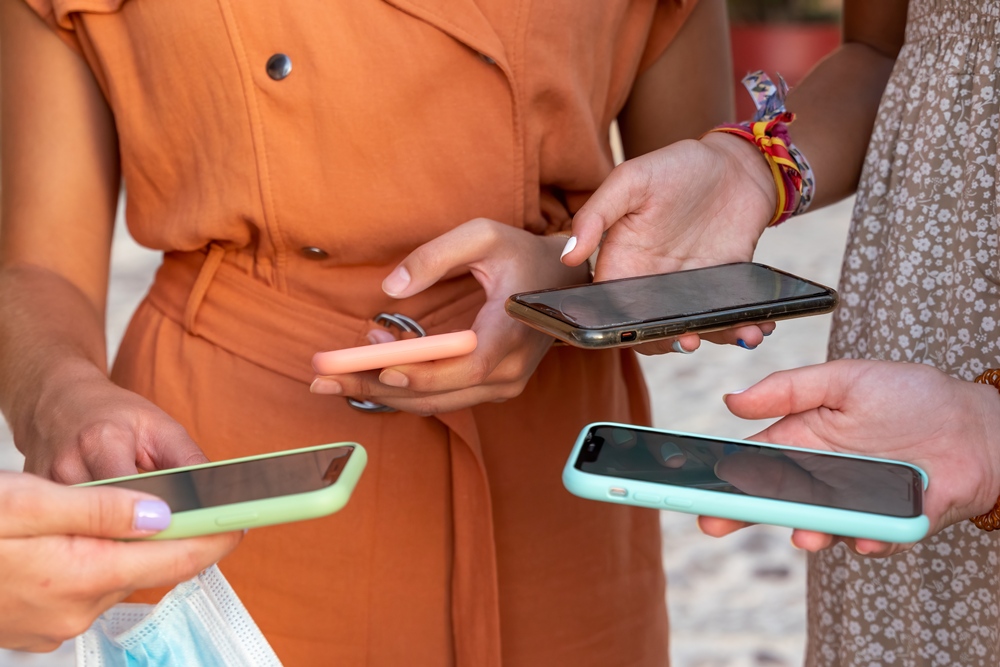
Nearly six in ten young women get health and wellness advice from influencers, new research shows.
Women aged 18 to 29 were more likely than young men to use online influencers for health information.
The topics included beauty, alternative medicine, mental health, weight loss and fitness.
The Pew Research study found that 57 per cent of women aged 18 to 29 said they get health and wellness information from online influencers, 10 percentage points higher than young men.
While Americans still mostly rely on healthcare providers, the research suggests social media influencers also play a major role in how young people find health advice.
Among women who get health and wellness information from influencers, 51 per cent said they often hear about beauty and appearance, compared with 18 per cent of men.
Young women were also around twice as likely as young men to say they see content about alternative medicine, meaning treatments or health practices used outside mainstream medical care.
A third or more of both young men and young women said they often hear about mental health and weight loss from influencers.
Around half or more of both groups said they often see fitness content.
When asked why they seek health and wellness information from influencers, around half of young women said they wanted to make a change to their health or lifestyle.
That compared with 37 per cent of young men.
The research also found that 23 per cent of young women said hearing from people who share their background or beliefs was one reason they used influencers, compared with 14 per cent of young men.
A further 19 per cent of young women said they learnt about things they did not want to ask their doctor, compared with 10 per cent of young men.




 Diagnosis2 weeks ago
Two “gamechanger” tests set to speed up endometriosis diagnosis on the NHS
 Insight2 weeks ago
Women with PMOS should have annual NHS checks, new guidance says

 News6 days ago
New menopause drug approved for use by NHS in Scotland
 Cancer2 weeks ago
Thousands of women could avoid painful cancer exam with new AI blood test

 Entrepreneur2 weeks ago
Applications open for the third W Accelerate with Merck KGaA and M Ventures
 Fertility2 weeks ago
Older women face lower chance of fertility treatment working, even with donor eggs, study finds

 News2 weeks ago
We built Ema like a nurse: Here’s why that matters

 News2 weeks ago
Experts call for regulation of toxic period product chemicals