
Pregnancy
Research to treat placenta could improve human pregnancies
A gene therapy approach to boosting the placenta is safe in monkeys, according to a new, short-term study, bringing the potential treatment closer to improving birthweights of human babies and sparing them the complications of an early birth and developmental difficulties later in life.
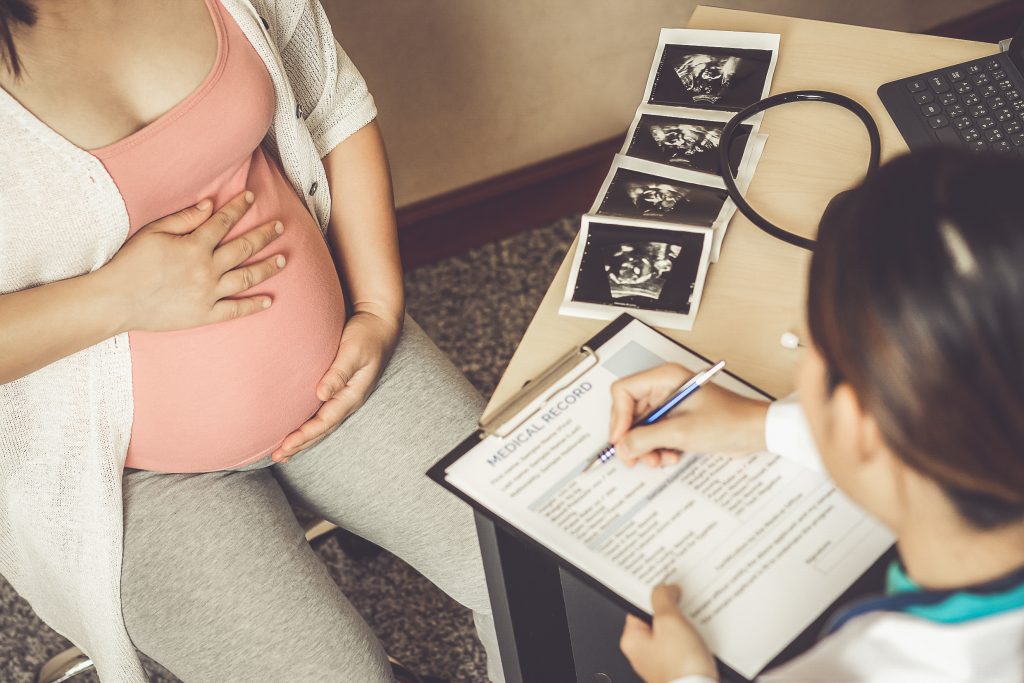
In humans, placental insufficiency restricts the growth of developing foetuses and typically leads to premature delivery and extended stays in the neonatal intensive care unit.
“The placenta, although transient and typically discarded after pregnancy, is an organ that is so critical to ensuring healthy babies,” says Jenna Schmidt at the University of Wisconsin–Madison.
“Placental insufficiency contributes to poor nutrient and oxygen transport to the foetus and low birth weight, but there is currently no way to treat the placenta.”

A poor environment in the womb can also lead to problems in adult life, such as cardiovascular disease and neurocognitive developmental conditions, according to Schmidt. Risk factors for placental insufficiency can include high blood pressure, preeclampsia, diabetes and smoking, but in many cases placental insufficiency has no identifiable cause.
“If we can improve placental function to better support growth and development, could we extend those pregnancies to term with the outcome of healthier babies at birth and throughout their lives?” Schmidt asks.
University of Florida placenta research expert Helen Jones and her lab — with the help of AI platforms to identify targets for treatment — developed a nanoparticle loaded with a small strand of DNA that encodes for a human protein called IGF-1.
IGF-1 signalling is important for normal placental development. In pregnancies complicated by foetal growth restriction there are lower levels of this protein, contributing to smaller birthweights and the increased risk of adult diseases.
The researchers injected the nanoparticles into the placentas of pregnant monkeys and found that the DNA strands were successfully taken up and expressed in the animals’ placentas within 24 hours without harm to the animals or their developing foetuses and without signs of off-target effects.
“Our studies so far in mice and guinea pig models of placental insufficiency are very encouraging,” says Jones, whose work is supported by the National Institutes of Health’s Eunice Kennedy Shriver National Institute for Child Health and Development.
“And now, with this pilot study demonstrating no detrimental impact in normal non-human primate pregnancies, we are excited to continue to optimise and further target this therapy.”
Jones knew that to move the research toward clinical impact, safety studies were necessary in the rhesus macaque model of human pregnancy.
“This was the first study to test this treatment in macaques and it worked,” Schmidt says.
“The transgene was indeed expressed and there was no immune reaction from mom. We saw a signal of the transgene’s expression as far as 10 days after treatment, which was really encouraging. Maybe that could translate into a nanotherapy infusion every two weeks in humans after mid-pregnancy.
“That is usually when doctors see that the foetus is smaller than normal through ultrasound diagnoses. But there is a lot more work to do before we can move this into human trials.”
The researchers’ next step in rhesus macaques is to extend the therapy through the third trimester of pregnancy, and ultimately to measure the impact on mother and foetus through birth.
“Our goal is to improve placental function, extend pregnancies, and see more healthy babies and adults,” Schmidt said.
Insight
Pregnancy and breastfeeding linked to higher cognitive ability in postmenopausal women
Pregnancy and breastfeeding are linked to stronger cognition in postmenopausal women, a long-term study suggests.
Greater cumulative time spent pregnant and time spent breastfeeding correlated with higher overall scores in the study, including verbal and visual memory, in later life.
Researchers analysed annual assessments of more than 7,000 women aged about 70 for up to 13 years using data from the Women’s Health Initiative Memory Study and the Women’s Health Initiative Study of Cognitive Aging.
On average, those who were pregnant for around 30.5 months were expected to have a 0.31 per cent higher global cognition score than those who had never been pregnant.
A lifetime average of 11.6 months of breastfeeding was linked to a 0.12 per cent higher global score.
Each additional month spent pregnant was associated with a 0.01-point rise in overall ability.
Each extra month of breastfeeding showed the same increase, and a 0.02-point gain in verbal and visual memory. Although small, these effects are similar to known protective factors such as not smoking and high physical activity.
The work was led by Molly Fox, an anthropology professor at the University of California, Los Angeles.
Fox said: “Any ways in which we can focus public health outreach or clinical interventions towards higher-risk populations leads to more effective and efficient efforts.”
Participants who had ever been pregnant scored, on average, 0.60 points higher than those who had never been pregnant.
Those who had breastfed scored 0.19 points higher overall and 0.27 points higher for verbal memory than those who had never breastfed.
Women are disproportionately affected by Alzheimer’s disease, a progressive condition that impairs memory and thinking skills, and this is not fully explained by life expectancy differences.
The authors say biology and social factors may both play roles.
They noted that more adult children could contribute to cognitive health by buffering stress, supporting wellbeing or encouraging healthy behaviour.
“If we can figure out, as a next step, why those reproductive patterns lead to better cognitive outcomes in old age, then we can work towards figuring out how to craft therapies, for example, new drugs, repurposed drugs or social programmes, that mimic the naturally occurring effect we observed,” said Fox.
The study team is now working to identify the mechanisms that link reproductive histories to cognitive resilience.
Pregnancy
Stroke prevention and treatment during and after pregnancy key to women’s health – AHA
Stroke prevention requires aggressive blood pressure control and rapid recognition of symptoms in pregnancy and postpartum, a new scientific statement urges.
The guidance details risk factors for pregnancy-related stroke and offers suggestions for prevention, rapid diagnosis, timely treatment and recovery during pregnancy and postpartum.
A stroke occurs in approximately 20 to 40 of every 100,000 pregnancies and is estimated to account for around four to six per cent of pregnancy-related deaths annually in the US.
The statement was published by the American Heart Association and endorsed by the American College of Obstetricians and Gynecologists.
Eliza Miller is chair of the writing group and associate professor of neurology at the University of Pittsburgh.
She said: “When a stroke occurs during pregnancy or the postpartum period, it can lead to serious complications for both the mother and baby, including neurological deficits, long-term disability, increased risk of future strokes and death.
“Controlling blood pressure and other stroke risks before and after delivery, responding immediately to stroke warning signs and providing timely treatment can help save lives and improve outcomes for mothers and their babies.”
There are two types of stroke: an ischaemic stroke occurs when a blood vessel supplying blood to the brain is blocked by a clot, while a haemorrhagic stroke occurs when a blood vessel ruptures and bleeds into the brain.
Risk factors for pregnancy-associated stroke include chronic hypertension (high blood pressure before pregnancy or diagnosed before 20 weeks), preeclampsia (a dangerous condition causing high blood pressure in pregnancy), advanced maternal age (35 years or older), diabetes, obesity, migraine with aura, infections, heart disease and clotting disorders.
Stroke disproportionately affects people of racial and ethnic minorities. A 2020 meta-analysis found that pregnant Black women are twice as likely to have a stroke compared with pregnant white women, even after adjusting for socioeconomic factors.
The statement authors emphasise that the majority of maternal strokes are preventable with earlier and more aggressive blood pressure control.
“Preeclampsia and eclampsia can occur before, during or after delivery, and the early postpartum period is actually the highest risk time for stroke.
“Very close monitoring of blood pressure is essential,” said Miller.
The statement urges all healthcare professionals who care for pregnant patients, including obstetricians, family medicine practitioners and nurses, to be trained to recognise stroke symptoms so they can promptly start treatment.
“It is crucial for women who are pregnant or have recently given birth and have symptoms of new neurological deficits or severe headache, especially if they also have elevated blood pressure, to be immediately evaluated for possible stroke,” said Miller.
The authors emphasise that pregnancy is not a reason to delay or interfere with recommended treatment for acute stroke.
Various anti-clotting medications are available that are safe for pregnant and lactating women, and mechanical thrombectomy (surgical removal of a blood clot) may be needed for patients with large-vessel blockages.
Survivors of pregnancy-associated stroke face unique challenges such as caring for an infant and require support from a multidisciplinary rehabilitation team.
Mood and sleep disorders are common after stroke and may be intensified by postpartum factors such as hormonal shifts, breastfeeding and disrupted sleep.
Miller said: “Babies depend on their mothers’ well-being, and supporting recovery after stroke, both emotionally and practically, is essential so mothers can heal and families can thrive.”
Insight
Stroke during pregnancy linked to long-term heart and mental health risks
Stroke during pregnancy and postpartum is associated with higher long-term risks of cardiovascular events and depression, a study has found.
Researchers from the University of Helsinki in Finland identified 97 female participants in Finnish healthcare registries who had an ischaemic stroke (the most common type of stroke, which occurs when a clot or blockage reduces blood flow to the brain, depriving it of oxygen and nutrients) during pregnancy or postpartum, up to three months after pregnancy.
They were matched to 280 female participants who did not have a stroke.
Researchers tracked the health of each person through registries and medical records for an average of 12 years, noting which participants later had cardiovascular events such as heart attack, stroke and heart disease or depression.
Of participants with an initial stroke, six per cent had a second stroke and seven per cent had a major cardiovascular event such as heart attack compared to zero per cent of those who were stroke-free at the start of the study.
Anna Richardt, study author from the University of Helsinki, said: “Having a stroke during pregnancy or postpartum is rare but several studies have shown it is on the rise.
“Our study sought to better understand what happens to women after a stroke during pregnancy and postpartum and found an increased risk of cardiac diseases and depression, as well as lower odds of being employed later.”
Researchers also found among participants with stroke, nine per cent had cardiac disease, including atrial fibrillation (an irregular heartbeat) or congestive heart failure (when the heart cannot pump blood effectively), compared to one per cent of those who did not have stroke.
After adjusting for age, participants with stroke had a nearly nine times greater odds of having cardiac disease.
Of participants with stroke, 19 per cent had depression compared to six per cent of those without stroke. After adjusting for age, those with stroke had nearly four times greater odds of having depression.
Researchers also reviewed employment statistics.
Of participants with stroke, 71 per cent were employed two years prior to their stroke compared to 76 per cent of those without stroke. By the end of the study, 66 per cent of those with stroke were employed compared to 78 per cent of those without stroke.
After adjusting for age, researchers found that participants with stroke had 45 per cent lower odds of being employed and nearly five times greater odds of being retired at the end of the study compared to those without stroke.
Richardt said: “Of those with stroke, 92 per cent had good functional outcomes, meaning they had either completely recovered or could manage most daily activities by the end of the study.
“Still, more than one-third of those with stroke were out of work at the end of the study.
“Our findings highlight the need for adequate stroke prevention, monitoring and rehabilitation to improve the long-term health for those who have stroke during pregnancy.”
A limitation of the study was the small number of participants with stroke since stroke during pregnancy is rare.
-
Features4 weeks agoWomen’s health enters a new era – the trends shaping femtech in 2026
-
Insight3 weeks agoDesigner perfumes recalled over banned chemical posing fertility risk
-
Features4 weeks agoBest menopause apps and products for 2026
-
Insight1 week agoParents sue IVF clinic after delivering someone else’s baby
-
Insight2 weeks agoWomen’s health could unlock US$100bn by 2030
-
Insight4 weeks agoHigher maternal blood pressure increases risk of pregnancy complications, study finds
-
Entrepreneur4 weeks agoXella Health closes US$3.7 million in pre-seed financing
-
Insight4 weeks agoInside the first wave of speakers confirmed for Women’s Health Week USA 2026