




Adolescent health
Planned C-sections linked to leukaemia risk in children

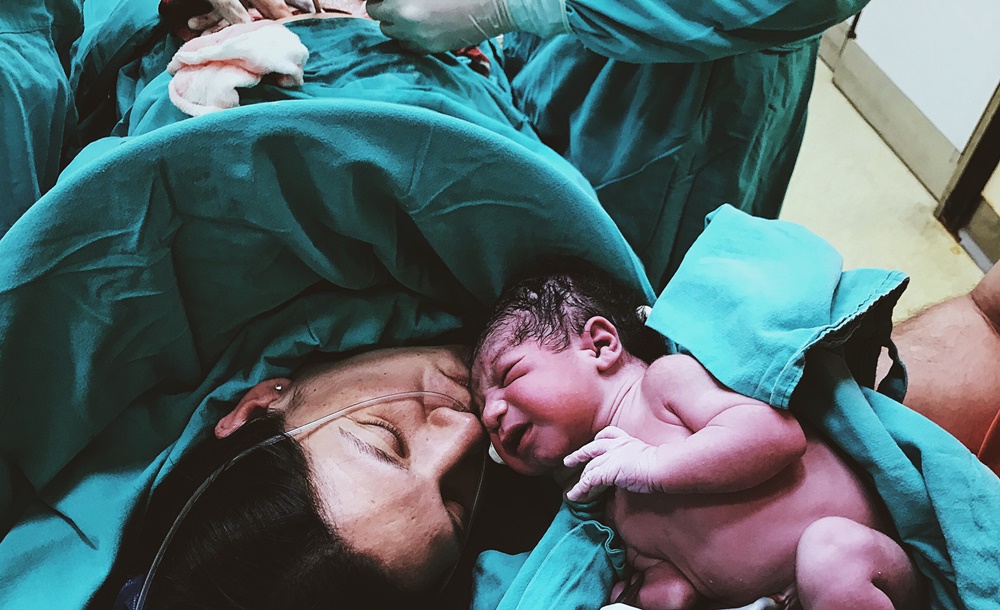
Children born by planned caesarean section may face a 21 per cent higher risk of developing acute lymphoblastic leukaemia (ALL) later in life, new research has found.
The risk was even higher for B-cell acute lymphoblastic leukaemia (B-ALL) – the most common form of childhood blood cancer – with a 29 per cent increased risk compared to children born vaginally. The elevated risk appeared more pronounced in boys and in younger children.
Despite the findings, researchers stressed that childhood leukaemia remains rare. In Sweden, between 50 and 70 children are diagnosed with B-ALL each year. The excess risk associated with planned C-sections corresponds to approximately one additional case annually.

The study, led by researchers at Karolinska Institutet, examined data from nearly 2.5 million children born in Sweden between 1982 and 1989, and from 1999 to 2015. Of these, around 15.5 per cent – approximately 376,000 children – were delivered by caesarean section. In the entire cohort, 1,495 children were later diagnosed with leukaemia.
ALL is a cancer of the blood that affects white blood cells. B-ALL specifically affects B-lymphocytes, a type of immune cell that plays a role in fighting infection.
Using the Medical Birth Register, researchers were able to distinguish between planned and emergency caesarean sections. The increased risk was observed only among those born by planned C-section. The association remained even after adjusting for other relevant factors in mothers and children.
Christina-Evmorfia Kampitsi, researcher at the Institute of Environmental Medicine at Karolinska Institutet and lead author of the study, said: “C-sections are an important and often life-saving part of obstetric care. We don’t want mothers to feel anxious about medically indicated C-sections. But when this result is combined with other study results showing that the risk of later asthma, allergies or type 1 diabetes increases in children born by planned C-section, there is reason to discuss C-sections that are not medically indicated.
Researchers suggest the difference in risk between planned and emergency C-sections may be related to how the baby is exposed to stress and bacteria at birth. Emergency caesareans often begin as vaginal deliveries, meaning the baby may experience birth-related stress and be exposed to vaginal bacteria if the amniotic sac has ruptured.
In contrast, planned C-sections are typically performed before labour starts, reducing exposure to maternal bacteria and stress, which may affect immune system development and help explain the increased risk.
Some results did not reach the threshold for statistical significance, meaning chance cannot be entirely ruled out. Kampitsi said: “Fortunately, ALL is rare. This means that many C-deliveries are needed to obtain a statistically significant result, and it is difficult to obtain such a large sample in a Swedish registry study. However, the results are close to significant, are in line with what previous studies have shown, and remain when we adjust for other relevant factors, which still makes them relevant.”
The findings may help improve understanding of the causes of childhood leukaemia and add to growing evidence of associations between planned C-sections and immune-related conditions.
The research was funded by the Swedish Research Council and the Swedish Cancer Society. The researchers reported no conflicts of interest.







Adolescent health
WUKA brings Period-Positive Pool Party to London Aquatics Centre to keep girls swimming through puberty

This summer, WUKA and triple Olympian Hannah Miley MBE are bringing their Period-Positive Pool Party to London Aquatics Centre with one clear mission: to prove that periods should never keep anyone out of the water
At a time when 84 per cent of teenage girls in the UK say their interest in sport declines after starting their period – and nearly 70 per cent report skipping sports or swimming due to menstruation – WUKA’s immersive community event is tackling one of the most overlooked barriers to girls’ participation head-on.
WUKA’s Period-Positive Pool Party was created as a safe, inclusive space for teens to swim on their periods with confidence.
Following a series of sold-out events across the UK, including Eastleigh and Stonehaven in Hannah Miley’s hometown of Aberdeen, the London-based Olympic venue is a result of growing demand from teens and parents seeking supportive, stigma-free spaces to stay active during menstruation.
Why This Matters?
For many young people – particularly those who are not ready to use tampons due to age, comfort, cultural reasons, or parental guidance – swimming during their period can feel inaccessible.
WUKA’s period swimwear offers an alternative designed to provide comfort, coverage, and confidence, helping ensure that periods don’t mean sitting on the sidelines.
The new one-hour London takeover combines swimming, education, and empowerment in one of the UK’s most iconic sporting venues.
Breaking The Stigma While Making A Splash
So much more than a product event, WUKA’s Period-Positive Pool Party is a fully immersive experience featuring a DJ-approved summer playlist, inflatable pool installations, and professional underwater photography capturing barrier-free swimming moments. Every teen will also receive a curated £80 wellness goodie bag, including free WUKA swimwear.
But more than anything, they’re about freedom, confidence, and belonging, ensuring the confidence to swim, period, or not, continues long after they leave the water.
Hannah Miley MBE says: “Being an athlete taught me that your cycle isn’t a weakness, it’s just something to manage.
“Partnering with WUKA for this Pool Party is about showing young swimmers that with the right support and the right kit, they don’t have to press pause on their lives or their sport because of their period.”
WUKA Founder Ruby Raut says: “This is about more than a pool party – it’s about changing what inclusion in sport actually looks like.
“Too many girls step back from swimming and physical activity because of period stigma or lack of options.
“Through community-led events like this, we’re breaking barriers, building confidence, and making sure no one feels excluded from sport because of their cycle.”
Saturday 30th May 2026 | 5–6pm | London Aquatics Centre
Want to join the pool party? Follow this link to buy your tickets

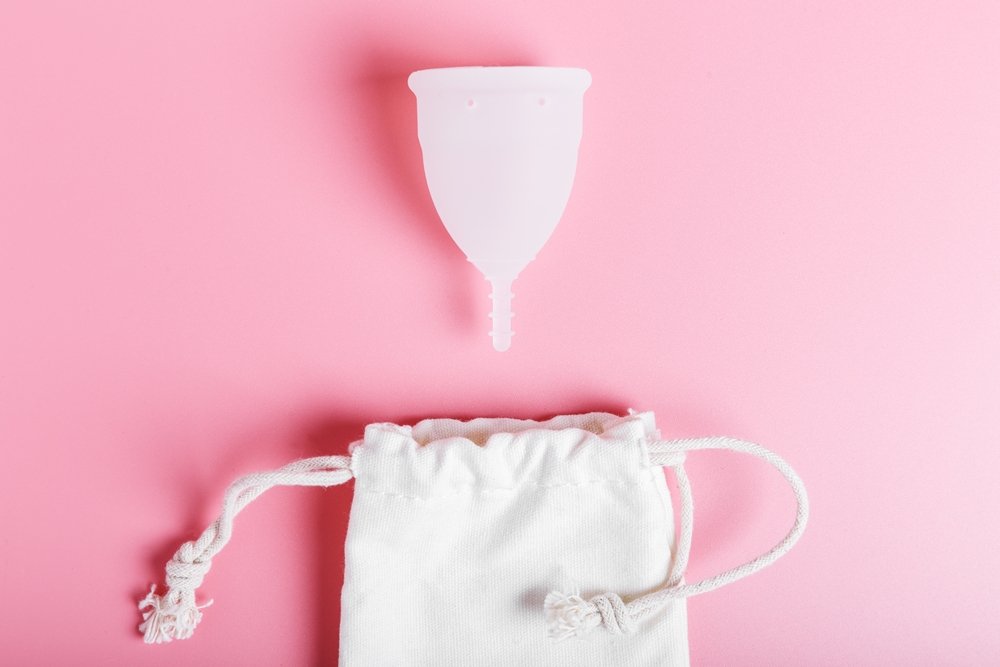


A new Female Health Hub launched by the English FA will support women and girls in grassroots football in England with trusted advice on health issues affecting play.
The hub brings together expert-backed guidance, practical tools and player insights in one place, giving women and girls practical advice and reassurance on female health in football.
It has four core aims: to help women and girls better understand their bodies and how female health affects performance and participation, to educate players on key health topics and when to seek further advice or support, to provide practical strategies to help navigate common female health challenges, and to help break down taboos and normalise conversations around female health in football.

Users of the hub will also be able to hear directly from members of the England women’s national team, who share their own experiences of navigating female health matters while playing at the highest level of the game.
“Our ambition is to create a game where women and girls can thrive,” said Sue Day, the FA’s director of women’s football.
“To achieve that, it’s essential that players feel supported in environments that understand and respond to their female health needs.
“We’ve heard directly from grassroots players that they want better information and support around female health, but that they often don’t know where to find it.
“The launch of the Female Health Hub marks an important step in changing the landscape.
“We want every player to feel confident in her own skin and supported without judgment, so she can feel empowered by her body, rather than held back by it.”
The platform was launched following research conducted by the FA that highlighted the need for better education and support around female health in football.
According to the FA, 88 per cent of adult players surveyed said their menstrual cycle has an impact on their ability to train or play, but 86 per cent reported they had never received education about the menstrual cycle in relation to football performance and training.
The research also found 64 per cent of women experience issues related to sports bras or breast health while playing football, despite sports bras being considered one of the most important pieces of playing kit.
Players also expressed strong interest in learning more about injury prevention, at 87 per cent, nutrition, at 84 per cent, and mental health, at 77 per cent, in relation to female health.
The first phase of the Female Health Hub focuses on three of the most requested topics: menstrual health, breast health and injury resilience, with further content to follow, including nutrition and pelvic health guidance.











 Menopause1 week ago
Perimenopause misinformation ‘putting women at risk’

 Insight4 weeks ago
NIH Grant terminations disproportionately impact minority scientists, research finds
 Insight3 weeks ago
PCOS renamed after decade-long campaign to end ‘cyst’ misconception

 Adolescent health4 weeks ago
WUKA brings Period-Positive Pool Party to London Aquatics Centre to keep girls swimming through puberty

 Hormonal health2 weeks ago
NHS urged to update website following renaming of PCOS
 Menopause4 weeks ago
CBT shows promise for menopause insomnia and hot flashes

 Entrepreneur1 week ago
Women’s Health Innovation Summit opens submissions for 2026 Innovation Showcase

 News1 week ago
Three menopause innovators shortlisted for Femtech World Award