




News
Mothers’, not fathers’, mental health directly linked to their children’s, study shows

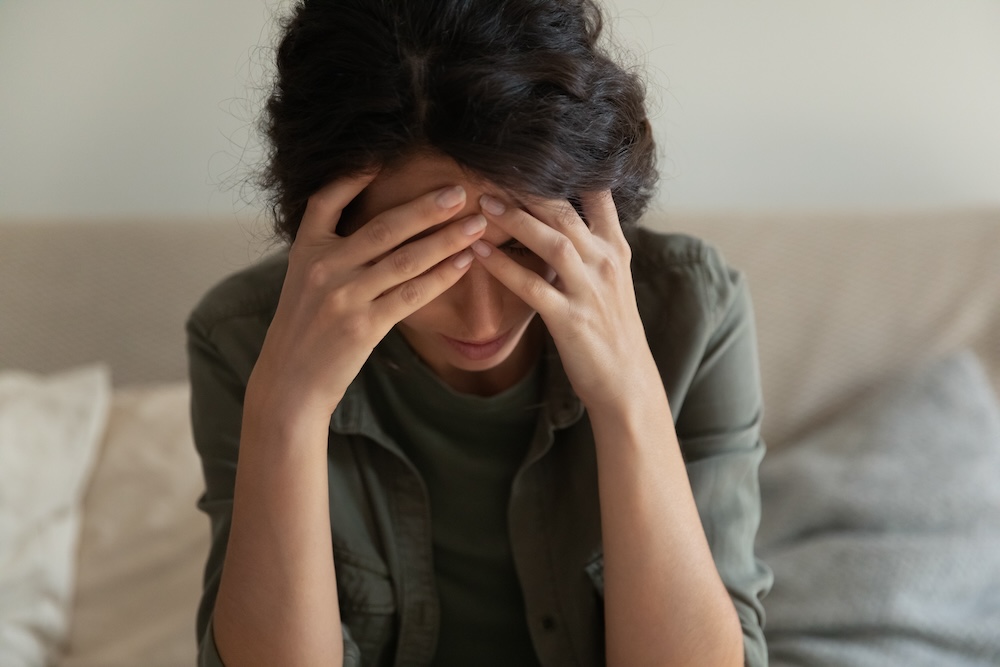
Mothers’ feelings of being overwhelmed and unhappiness, not fathers’, are directly associated with their children’s feelings of nervousness, worry and unhappiness, new research has revealed.
The study definitively confirms the mother’s role as central to the emotional wellbeing of the family unit.
Though other researchers have focused on isolated relationships between mother and child, this is the first study of the role that both partners may play in family mental health, both concurrently and over time.
Lead author Dr Yushi Bai from The University of Manchester said: “We do know that children’s mental health is formed by, and within, their family through shared genes, nurturing behaviours of caregivers, and sibling dynamics.
“Our study identified mothers, not fathers, as central to the emotional wellbeing of the family unit.
“We suspect that this can be explained by traditional division of parenting roles, where societal expectations often position mothers as the primary caregivers and organisers within families.
“Mothers are typically more involved in child-rearing and spend considerably more time with their children than do fathers, which means they are more likely to influence children’s lives and development.
“Greater exposure to maternal care might also lead children to copy their mother’s coping mechanisms and behaviours.”
The researchers produced a series of maps – called networks – depicting the way symptoms of anxiety and depression in parents and their children up the age of 16 connect with each other over time.
They based the analysis on data from 3,757 families from the UK Household Longitudinal Study between 2009 to 2022.
Additional cross-sectional network maps of 8,795 families captured independent associations between family members’ mental health.
While fathers’ emotional state was linked to mothers’ mental health in the cross-sectional analysis, they observed an absence of associations with their children.
However, they reported that fathers’ emotional symptoms may influence children’s well-being indirectly, by affecting maternal mental health.
The longitudinal maps also identified how a mother’s feelings of being overwhelmed affected the child’s emotional state—especially worry, and that children’s feeling of worry cycled back, further affecting her own emotional health.
The influence of maternal emotional health on their children waned as they got older, reflecting how adolescents transfer their primary attachment from their parents to others.
Co-author Dr Matthias Pierce from The University of Manchester said: “Emotional disorders in young people are not only increasingly prevalent, but also present at early ages, highlighting the need for early intervention and prevention.
“Given the family’s central role in shaping and sustaining mental health, interventions and policies should consider how the family mental health ecosystem operates.
“This study shows the potential value of interventions that aim to support mothers and reduce maternal anxiety, which may have the greatest impact on improving family dynamics and reduce the risk of poor mental health in children.
“We also suggest that the link between fathers’ and mothers’ mental health presents a further potential avenue for alleviating maternal stress.”










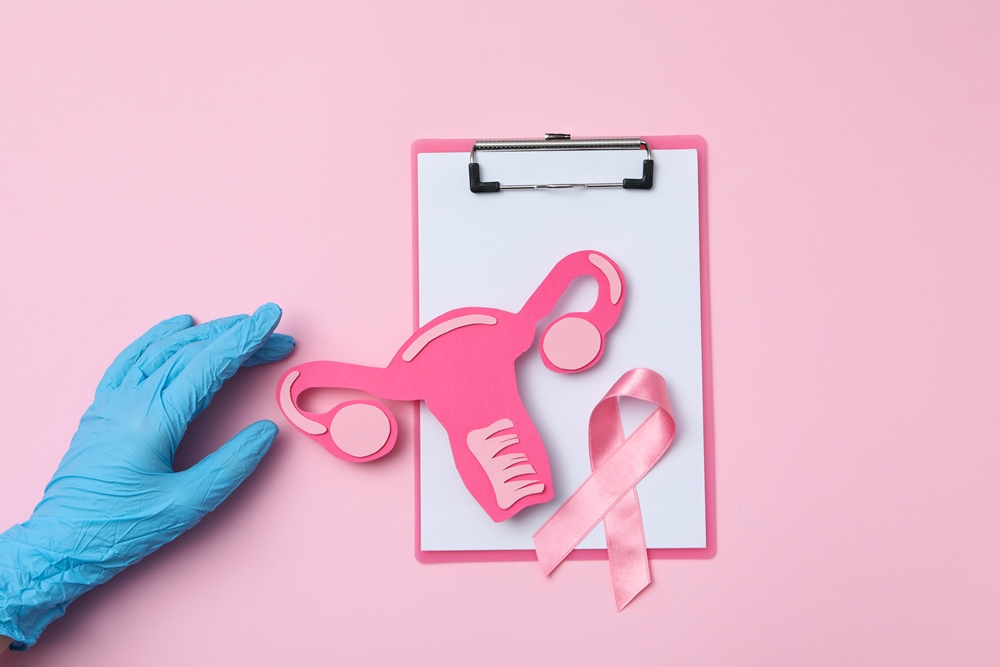
A non-profit has launched an endometriosis documentary featuring Amy Schumer and Marilyn Monroe as it pushes for changes in how the condition is treated and understood.
The Endometriosis Collective has launched to change how endometriosis is researched, treated and understood, starting with a documentary featuring stories from people including Amy Schumer and Marilyn Monroe.
The feature-length documentary, “End of the Cycle”, will premiere in New York on Tuesday, and The Endometriosis Collective is making the film free to stream online.

Schumer, a comedian, writer and actor, has previously spoken of how endometriosis left her “on the floor in pain, vomiting from the pain, the pain that nobody can see.”
Schumer is one of several celebrities featured in the documentary. Other contributors include dancer Julianne Hough, Olympic medallist Brittany Brown and actors Janel Parrish and Folake Olowofoyeku.
The Endometriosis Collective timed the documentary premiere to coincide with the 100th anniversary of Marilyn Monroe’s birth.
Monroe, who died in 1962, starred in films such as “Some Like It Hot” and “Gentlemen Prefer Blondes.”
According to a biography published in 1985, Monroe’s endometriosis was so severe that it destroyed her marriages, her wish for children, her career and ultimately her life.
The Endometriosis Collective said the documentary shares newly uncovered information about Monroe’s experience with endometriosis.
The non-profit said the information connects Monroe’s story to the experiences of women across generations, highlighting how far awareness, research and care still have to go.
A representative of the Marilyn Monroe Estate said: “By sharing this part of her story through ‘End of the Cycle,’ we hope to honour her legacy in a way that brings visibility to endometriosis, encourages more open dialogue and helps inspire the research needed to create change.”
As part of the premiere, The Endometriosis Collective is holding a panel discussion.
Schumer, Brown and Olowofoyeku, the documentary’s co-directors Sammy Jaye and Soraya Simi, and medical experts are due to be part of the premiere.
AbbVie’s Orilissa and Sumitomo Pharma’s Myfembree are among the approved drugs for endometriosis pain.
Hough, one of the participants in the documentary, starred in an Orilissa campaign in 2017.











 Menopause1 week ago
Perimenopause misinformation ‘putting women at risk’

 News4 weeks ago
NIH Grant terminations disproportionately impact minority scientists, research finds

 Events4 weeks ago
WUKA brings Period-Positive Pool Party to London Aquatics Centre to keep girls swimming through puberty
 Insight3 weeks ago
PCOS renamed after decade-long campaign to end ‘cyst’ misconception

 Events4 weeks ago
WHIS 2026 unveils agenda and first speakers for the leading women’s health summit
 Menopause4 weeks ago
CBT shows promise for menopause insomnia and hot flashes

 Hormonal health2 weeks ago
NHS urged to update website following renaming of PCOS

 News6 days ago
Three menopause innovators shortlisted for Femtech World Award