




News
Ireland’s health minister announces €760,000 in funding for innovating screening services
Ireland’s Women’s Health Fund aims to drive research, innovation and support for women in at-risk populations


Ireland’s Minister for Health has announced an additional €760,000 in funding for screening services through the country’s Women’s Health Fund.
The latest allocation from the Women’s Health Fund will see investment in research, innovation, and supports for women in at-risk populations, including addressing low uptake in bowel screening for women in at-risk populations, piloting a new national screening pathway for women with diabetes who become pregnant as well as listening and responding to women’s experience of BreastCheck – Ireland’s national breast screening programme.
“We know that about 40 per cent of cancer cases are preventable and that effective cancer prevention strategies can prevent illness, save lives and reduce suffering,” said Irish Minister for Health, Stephen Donnelly.
“Early detection through organised screening programmes can play an important part in saving lives.
“In Ireland we are fortunate to have in BowelScreen, BreastCheck and CervicalCheck, three effective screening programmes that have resulted in a reduction in mortality and the detection of cancer at an earlier stage. With Diabetic RetinaScreen we also have a programme that is freely available to all people with diabetes in Ireland and is reducing the risk of sight threatening eye disease.”
He added: “I have approved investment through the Women’s Health Fund to further support these important screening initiatives, delivering on my commitment to improve the health experiences and outcomes for women.
“I am pleased to fund a Diabetic RetinaScreen pathway developed by clinical experts to help prevent sight loss for pregnant women with diabetes.
“Investment in our BowelScreen programme will ensure engagement with women to increase awareness and uptake in the programme. The fund will also support new innovative technologies in our BreastCheck programme, which will enable them to listen and respond to women’s experiences through a real-time platform.
“However, inequalities to access persist and what this investment will do is address some of these inequalities, expand the benefit of these programmes to at-risk populations and listen to the voice of women on how we can improve their experience.”
Fiona Murphy, chief executive of the National Screening Service said: “Screening programmes work by inviting people who are well and who don’t have symptoms. Population screening is an important additional service that people can use to improve their own health and reduce their risk of developing serious disease – and it’s vital to us to ensure that it is accessible to all.
“Year on year we strive to work with communities to enable greater access to screening programmes. We are grateful to the Women’s Health Fund for supporting our work. This funding will enable our continued focus on equity, and help us work to ensure that all sectors of society can access our valuable screening services.”
Tensions had been simmering in the background, with a €1.1b allocation from Minister for Public Expenditure, Michael McGrath, deemed insufficient by Donnelly to cover new spending on his priorities in the health sector.





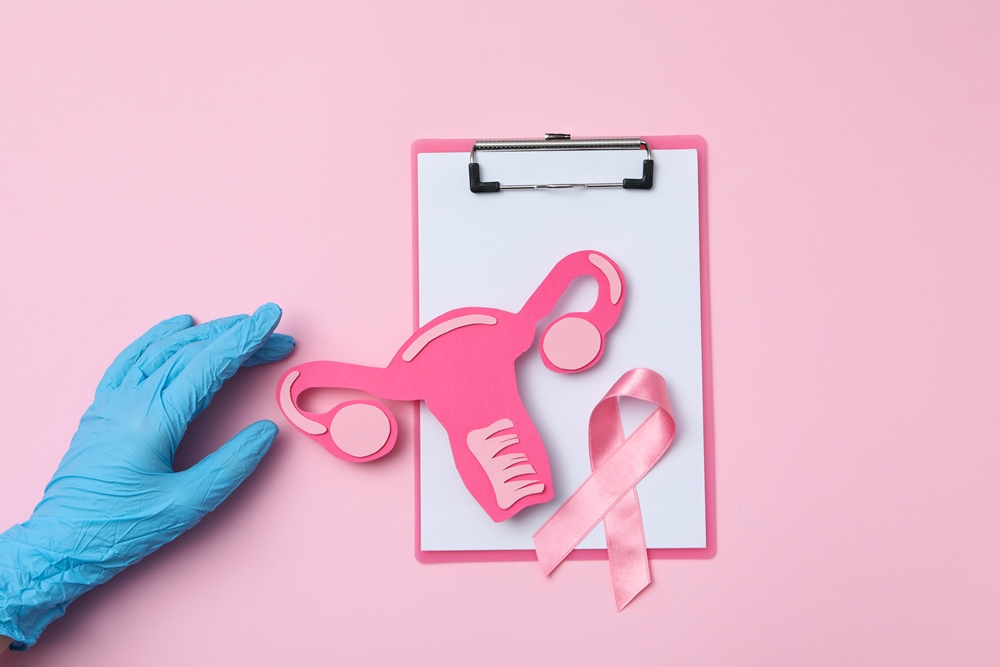
A non-profit has launched an endometriosis documentary featuring Amy Schumer and Marilyn Monroe as it pushes for changes in how the condition is treated and understood.
The Endometriosis Collective has launched to change how endometriosis is researched, treated and understood, starting with a documentary featuring stories from people including Amy Schumer and Marilyn Monroe.
The feature-length documentary, “End of the Cycle”, will premiere in New York on Tuesday, and The Endometriosis Collective is making the film free to stream online.

Schumer, a comedian, writer and actor, has previously spoken of how endometriosis left her “on the floor in pain, vomiting from the pain, the pain that nobody can see.”
Schumer is one of several celebrities featured in the documentary. Other contributors include dancer Julianne Hough, Olympic medallist Brittany Brown and actors Janel Parrish and Folake Olowofoyeku.
The Endometriosis Collective timed the documentary premiere to coincide with the 100th anniversary of Marilyn Monroe’s birth.
Monroe, who died in 1962, starred in films such as “Some Like It Hot” and “Gentlemen Prefer Blondes.”
According to a biography published in 1985, Monroe’s endometriosis was so severe that it destroyed her marriages, her wish for children, her career and ultimately her life.
The Endometriosis Collective said the documentary shares newly uncovered information about Monroe’s experience with endometriosis.
The non-profit said the information connects Monroe’s story to the experiences of women across generations, highlighting how far awareness, research and care still have to go.
A representative of the Marilyn Monroe Estate said: “By sharing this part of her story through ‘End of the Cycle,’ we hope to honour her legacy in a way that brings visibility to endometriosis, encourages more open dialogue and helps inspire the research needed to create change.”
As part of the premiere, The Endometriosis Collective is holding a panel discussion.
Schumer, Brown and Olowofoyeku, the documentary’s co-directors Sammy Jaye and Soraya Simi, and medical experts are due to be part of the premiere.
AbbVie’s Orilissa and Sumitomo Pharma’s Myfembree are among the approved drugs for endometriosis pain.
Hough, one of the participants in the documentary, starred in an Orilissa campaign in 2017.











 Menopause1 week ago
Perimenopause misinformation ‘putting women at risk’

 News4 weeks ago
NIH Grant terminations disproportionately impact minority scientists, research finds

 Adolescent health4 weeks ago
WUKA brings Period-Positive Pool Party to London Aquatics Centre to keep girls swimming through puberty

 Insight3 weeks ago
PCOS renamed after decade-long campaign to end ‘cyst’ misconception

 Diagnosis2 weeks ago
NHS urged to update website following renaming of PCOS

 Menopause4 weeks ago
CBT shows promise for menopause insomnia and hot flashes

 Events4 weeks ago
WHIS 2026 unveils agenda and first speakers for the leading women’s health summit

 News7 days ago
Three menopause innovators shortlisted for Femtech World Award
2 Comments