




Pregnancy
How do I know if I have a strong personal injury case?


Every day, people get injured. Injuries are regarded as a global health issue because they cause countless deaths per year and contribute to the burden of disease, mainly affecting people of low socio-economic status.
It’s reckless not to apply the same energy put into preventing diseases to preventing injuries, the simplest of tasks. While most injuries are accidents for which no one is to blame, some injuries are caused by fault, which brings about the prospect of compensation for damages.
Nobody plans to be injured, but in today’s society, many people are hurt because others fail to behave reasonably to prevent foreseeable harm, losing out financially as a consequence.
Even a minor injury is harrowing and can disrupt your life. You can use many sources of advice when deciding whether your injuries are eligible for compensation, including your insurer or legal advisor. Aside from care, rehabilitation, and financial losses, you’re compensated for the unquantifiable pain and suffering losses.
If a lawyer agrees to represent you, they can offer various ways to pay their fees, such as a conditional fee agreement, where they agree to act on a “no win, no fee” basis.
The amount of compensation awarded depends mainly on the nature and seriousness of the injuries sustained, so the legal professionals must be able to prove the injuries are the result of the accident and not a pre-existing condition (or other accidents). A skilled lawyer can identify weaknesses and flaws in your case that a layperson would have difficulty spotting.
These are the telltale signs that indicate your personal injury claim is worth pursuing:
The Defendant Admitted Liability
You must demonstrate the defendant is partially or entirely responsible for the accident, and the degree to which they’re at fault impacts the amount of damages paid.
The law isn’t concerned with penalising individuals but with protecting people from unreasonable risk or harm, so it’s necessary to determine the extent to which someone is negligent. In a personal injury claim, several factors go into proving liability, namely:
- A duty of care existed that was breached
- That breach caused an injury
- An injury, in fact, resulted
An admission of liability means the fight is cancelled, and you can sort out compensation. The defendant takes responsibility for their acts or an omission that resulted in harm – it’s not just an acknowledgment of fault; it entails accepting the consequences that come with such a confession. Admission of fault is the most powerful tool in your arsenal as it prepares your personal injury case for trial.
With the court’s permission, the defendant can withdraw from admission of liability if further evidence has been discovered or was not previously available.
The court will consider all the circumstances of the case, including the parties’ conduct and what stage the proceedings have reached. If you don’t know what to do, a second opinion is always welcome, even if it only confirms your view. You may obtain legal advice without any upfront cost. Please visit https://www.personalinjuryclaimsuk.org.uk/ for counsel about a specific civil legal issue.
The Incident Was Caught On Camera
Video surveillance is frequently used to substantiate a claim, addressing the “what happened?” question and its implications. The use of security cameras has been enhanced by advancements in technology, notably the advent of concealable, high-resolution digital cameras, and it’s effective at trial because the jury can easily understand it.
Obtaining video footage of your accident can make or break your case. Not only does it serve as a witness to the incident, but it also provides a powerful video testimony.
Since time is of the essence, you must act now. Surveillance video is deleted or copied over on a regular basis, so send a letter requesting the preservation of the recording for the court, specifying a time period before and after the event to obtain as much evidence as possible.
You or your investigator should go to the scene of the accident and ask local businesses if they captured the event on video. Even if the defendant has surveillance video footage, they might refuse to hand it over, especially if it supports your claim.
You’ve Suffered Severe Injuries
Some people experience significant pain and suffering as a result of the injury or subsequent treatment. For example, a trauma like severe burns with lung damage is characterised by excruciating pain for a long time; the claimant isn’t totally dependent but requires constant care. The measure of the injury’s impact is determined based on several criteria, namely:
- The nature of the injury
- The duration and nature of the treatment
- The working time lost
- Permanent damage and cost
The more severe your injuries, the more complicated your recovery is. The injury doesn’t necessarily need to be physical: emotional and mental damage arising from car accidents, medical negligence, or slips, trips, and falls are taken into account in a personal injury case.
Suppose you’re in a situation where your life has changed for the worse. In that case, you have a severe personal injury, so have a lawyer or another professional submit your claim on your behalf if you don’t want to bear the cost of medical services yourself.
It’s a good idea to keep a record or a diary and assemble the full details of any items you want to claim (e.g., loss of earnings). If you don’t accept the settlement offer, the claim will continue, but you can enter further negotiations, maybe exchange other offers; the defendant should pay your compensation shortly following your acceptance.
Final Thoughts
Suffering an injury as the result of another person’s negligence or wrongful acts has such a strong effect that it can change your life. If you file a personal injury claim on your own, you’ll find out just how complicated the process is – you must gather evidence, the opposing lawyer will try to take advantage of your fragile state, and you’ll have questions about what to do next.
Don’t go at it alone. A lawyer will make the difference between you receiving reasonable compensation and not receiving what you deserve for your losses.


Pregnant women are being advised to avoid runny or under-cooked eggs when eating out amid a developing salmonella outbreak.
The advice also applies to freshly made products that may contain uncooked eggs, including mayonnaise, soufflé and hollandaise sauce.

The FSA said well-cooked eggs served in restaurants, cafés and takeaways remain safe to eat.
The warning follows the UK Health Security Agency declaring a national outbreak of salmonella food poisoning after one person died and hundreds more fell ill.
Imported eggs or dishes containing them are thought to be behind the outbreak.
FSA chief scientific adviser Ian Young said: “If people are eating out or consuming eggs or egg-containing products from cafes and restaurants then for those people in particular who are young, elderly, pregnant or vulnerable, it’s important to make sure that any eggs or egg products that you consume in those settings have been very well cooked.”
He described the outbreak as “unusually large and rapidly increasing”, adding that “people need to be careful”.
The FSA said British eggs bought from supermarkets are not linked to the current outbreak because chickens bred in the UK are vaccinated against common strains of salmonella.
“There is no link to those eggs to this current outbreak,” Young said.
Mark Williams, chief executive of the British Egg Industry Council, said British eggs were safe to eat when runny, including for vulnerable people, and were widely available in restaurants and cafés.
“Customers who want to enjoy a runny egg should simply ask whether British Lion eggs are being used,” he said.
More than 200 cases in the UK have been linked to the outbreak, with the majority across England.
Genetic testing suggests the infections are part of the same outbreak and show similarities with previous outbreaks involving imported eggs.
Investigations into individual cases also suggest the eateries involved were buying eggs from abroad.
Salmonella are a family of bacteria that typically live harmlessly in the digestive systems of animals including cattle, pigs and chickens, which is why eggs and poultry are among foods commonly associated with infection.
People can become infected by eating contaminated food that has not been properly cooked, through cross-contamination between raw and cooked food or by coming into contact with infected animals.
Symptoms can include stomach cramps, diarrhoea, vomiting and fever.
Most people recover without further treatment, but older people, babies and people with weakened immune systems are at greatest risk of severe illness.
Hospital treatment with fluids and, in some cases, antibiotics may be needed for severe infections.
People who are concerned are being advised to contact their GP or out-of-hours service in the first instance.

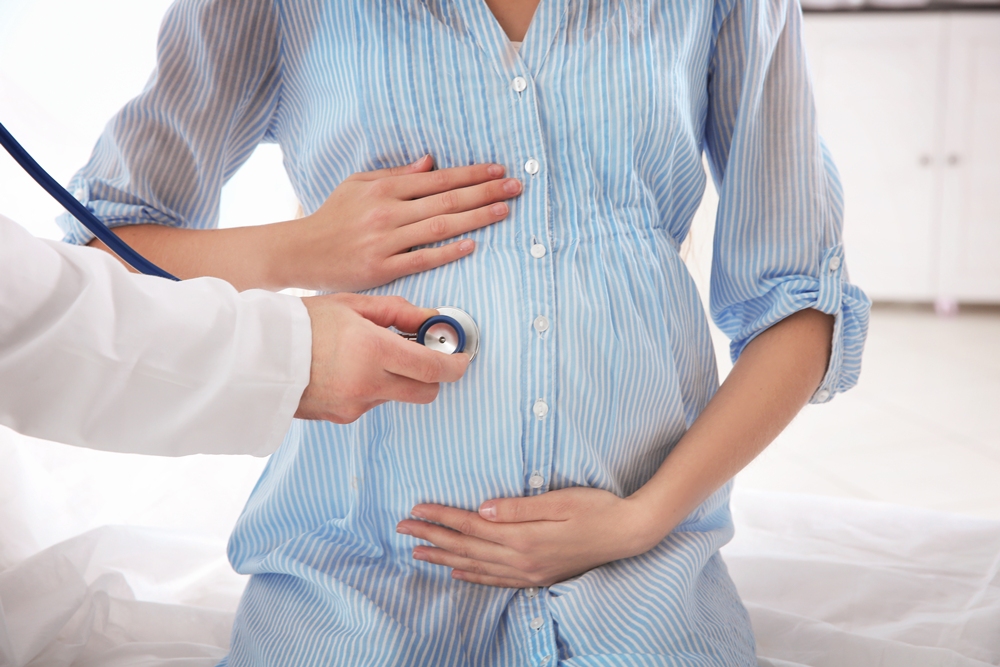
Women entering pregnancy with multiple conditions face a 20 per cent higher miscarriage risk and around four times the risk of anxiety and depression, new research has revealed.
The observational study found women with two or more pre-existing long-term physical or mental health conditions also had a 69 per cent higher risk of severe nausea and vomiting.
They had more than double the risk of venous thromboembolism, when a blood clot forms inside a vein, and a 42 per cent higher risk of pre-eclampsia, a pregnancy complication involving high blood pressure.

Dr Steven Wambua, research fellow in health data science at King’s College London and joint first author, said: “Maternity care is still largely organised around single health conditions, but one in five women now enters pregnancy with two or more.
“By harmonising five datasets covering all four UK nations, we could show consistently and across a much broader range of outcomes than before, that these women face higher risks and that risk climbs with every additional condition.”
Researchers from King’s College London, Queen’s University Belfast, Bristol NHS Foundation Trust, the University of Birmingham, Swansea University and the University of St Andrews analysed more than 2.2m pregnancies and birth events recorded between 2000 and 2022.
The data came from five datasets covering England, Scotland, Wales and Northern Ireland.
Around one in five pregnant women in the UK live with multiple long-term conditions, but their combined impact on pregnancy is poorly understood.
The study found risks rose with each additional condition. Women with three or more conditions had more than three-and-a-half times the risk of venous thromboembolism compared with women without long-term health conditions.
Women with multiple conditions also had a 32 per cent higher risk of placental abruption, when the placenta separates from the womb before birth, and a 26 per cent higher risk of gestational diabetes.
The researchers said maternity care pathways vary considerably and, where they exist, are often organised around individual conditions.
They said the findings highlight a need to restructure these pathways to address the complex needs of women living with multiple conditions.
Professor Krishnarajah Nirantharakumar, clinical professor of public health and health data science at King’s College London, MuM-PreDiCT principal investigator and joint senior author, said: “These findings make a strong case for recognising multiple long-term conditions as a marker of antenatal risk in its own right.
“That means identifying these women at maternity booking, assessing physical and mental health needs together, and joining up obstetric, primary care and mental health services around them.
“The near four-fold risk of antenatal anxiety and depression is particularly striking, and points to perinatal mental health support as an urgent priority.
Dr Kelly-Ann Eastwood of Bristol NHS Foundation Trust and Queen’s University Belfast, joint senior author, added: “Our results help define the urgent clinical challenges facing both women entering pregnancy with multiple long-term conditions, and clinicians caring for them across the UK.
“Supporting recommendations from recent national maternity and neonatal investigation reports, there is a critical need to address healthcare inequalities, and improve support for women with pre-existing mental health conditions.
“These findings highlight the pressing need to restructure existing maternity services to improve antenatal outcomes.
The authors cautioned that, because the study used routinely collected health records, some conditions and outcomes may have been under-recorded or recorded inconsistently.
Further work by the MuM-PReDiCT consortium will examine birth and child outcomes and identify which combinations of long-term conditions carry the greatest risk.

Climbing during the third trimester was not linked to higher rates of self-reported pregnancy complications in a global study.
The findings provide direct evidence on an activity pregnant women have traditionally been advised to avoid because of concerns about falls.
Researchers surveyed 692 people about climbing during pregnancy, falls, maternal and baby health outcomes and their return to the activity after giving birth.
The study recorded almost 64,000 hours of climbing among participants.
During that time, participants reported 155 “hard falls”, defined as falls or catches forceful enough to be remembered or cause concern.
The rate of adverse clinical events, meaning negative medical outcomes affecting the pregnancy or baby, was 0.03 per 1,000 hours of climbing exposure. All babies in the study were born live.
Researchers found no significant difference in pregnancy or foetal health outcomes between participants who stopped climbing at or before 27 weeks and those who continued beyond that point.
The findings suggest continuing the activity into the third trimester was not associated with increased self-reported complications among those surveyed.
The survey also found 96 per cent of participants said that, despite concerns about climbing while pregnant, they felt “happy” or “very happy” that they had continued.
Margie Davenport, professor in the Faculty of Kinesiology, Sport, and Recreation and lead author of the study, said the preliminary findings challenge an assumption about maternal exercise that had been based on opinion rather than research.
She said: “For decades we have restricted pregnant women from activities like climbing due to concern for their health and the health of the baby, but our evidence suggests it’s beneficial for both mental and physical health.”





 Entrepreneur2 weeks ago
Applications close August 18 for Women’s Health Innovation Summit 2026 Innovation Showcase
 Menopause2 weeks ago
Third of women unaware of perimenopause mental health impact

 Fertility6 days ago
Chelsea FC Women to launch first-of-its-kind player fertility fund
 Entrepreneur2 weeks ago
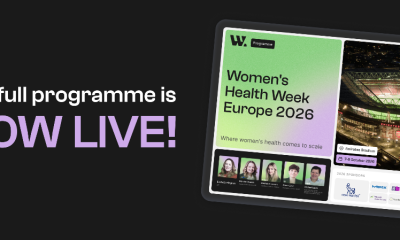
Women’s Health Week Europe 2026 releases fully populated agenda ahead of October summit
 Menopause1 week ago
Menopausal hormone therapy may lower dementia risk, study suggests
 Hormonal health2 weeks ago
We are wrapping our children in plastic and calling it care
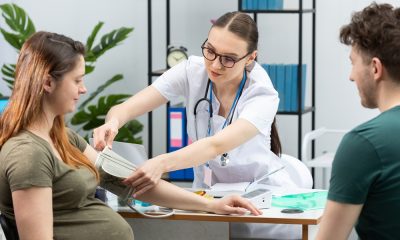
 Pregnancy2 weeks ago
Chemicals in plastics may be linked to high blood pressure during pregnancy

 Opinion6 days ago
anna perimenopause app launches across 39 markets