




Hormonal health
High PFAS levels found in period products


Toxic PFAS chemicals have been detected in some reusable menstrual underwear and pads, with one-third of tested items showing signs of intentional use.
Researchers analysed 59 products, including 43 pairs of period underwear, eight reusable pads, four menstrual cups, three reusable incontinence underwear and one reusable incontinence pad.
PFAS – short for per- and polyfluoroalkyl substances – are synthetic chemicals that do not break down in the environment and have been linked to cancer, obesity, high cholesterol, reduced fertility, hormone disruption and other serious health issues.

Some products contained neutral PFAS at levels measured in parts per million – significantly higher than the parts per trillion often considered safe.
Neutral PFAS, which carry no electrical charge, may be more easily absorbed through skin and mucous membranes such as vaginal tissue.
The study, led by the University of Notre Dame, found that 33 per cent of period underwear and 25 per cent of reusable pads contained PFAS at levels indicating they had likely been added deliberately, most likely for leak protection.
Professor Graham Peaslee, of Notre Dame’s departments of physics, chemistry and biochemistry, said: “What’s shocking is that we found 33 per cent of period underwear and 25 per cent of reusable pads had intentional PFAS use — meaning the chemicals had been put there, likely to keep the products from leaking.”
The researchers also observed inconsistent PFAS placement in the products.
Peaslee added: “It did seem to be random — sometimes they put PFAS in the inside layer of material, sometimes on the outside, sometimes between the layers, all of which suggests they have no idea what they’re doing.
“There’s no labelling, so consumers have no clue because there’s no way they can tell.”
Many of the materials were sourced from third-party suppliers overseas, where awareness of PFAS-related risks may be lower than among US-based manufacturers, the study noted.
The findings come as more people seek eco-friendly menstrual products, although there is limited research on how much PFAS may be absorbed through vaginal tissue over time.
Dr Kathrin Schilling, assistant professor of environmental science at Columbia University Irving Medical Center, said: “That is a huge gap in our understanding, especially given how many people rely on these products monthly for years.
“While these findings might seem niche at first glance, they point to a broader need for research, regulation, and transparency around the materials used in all menstrual products.”
The products tested came from manufacturers in the US, as well as from South America, Australia and Europe.
While the sample size was relatively small, the researchers said it provides a representative snapshot of the current market.













Statins have been linked to more severe menopause symptoms and a higher risk of muscle loss in postmenopausal women, a study suggests.
The medicines are among the most widely prescribed in the world, with strong evidence supporting their use to lower cholesterol and reduce cardiovascular risk.
However, some recognised side effects may resemble symptoms associated with menopause, raising questions about how the two could interact.

The US Food and Drug Administration has flagged potential adverse effects linked to statin treatment, some of which overlap with menopausal complaints.
Researchers examined data from 1,184 postmenopausal women across nine Latin American countries, assessing menopausal symptoms, sarcopenia risk and cognitive function.
They compared women taking statins with non-users after accounting for factors including age and body weight.
As the study was cross-sectional, meaning it examined information collected at one point in time, it could identify associations but could not prove that statins caused the outcomes.
Women taking statins were 56 per cent more likely to have severe menopausal symptoms than those who were not using the medicines.
The difference remained after researchers accounted for other variables.
Statin users were also 65 per cent more likely to be at risk of sarcopenia.
Sarcopenia is the gradual loss of muscle mass and physical function, which tends to accelerate after menopause.
Declining oestrogen levels already make muscle loss a concern at this stage of life. It is linked to a higher risk of falls, fractures and reduced quality of life.
Musculoskeletal symptoms were reported by 53.1 per cent of statin users, compared with 33.9 per cent of non-users.
Researchers said this was separate from the finding on sarcopenia risk and may point to a wider pattern of physical discomfort among women taking the medicines.
Women taking statins also recorded slightly lower scores in tests of delayed memory recall and visuospatial function.
Visuospatial function is the ability to understand the position of objects and their relationship to one another.
The study found no overall association between statin use and mild cognitive impairment, so the differences in individual tests are early signals rather than firm conclusions.
Researchers said effects associated with statins may overlap with menopausal symptoms and add to the overall symptom burden during midlife.
This means symptoms attributed to menopause and possible statin side effects may look similar and, in some cases, could compound one another.
Further research is needed to separate the possible effects of the medicines from symptoms linked to menopause.
The findings are not a reason for women to stop taking statins.
Their cardiovascular benefits are well established, and stopping treatment without medical guidance can carry serious risks.
The study provides more information about what statin treatment may mean specifically for postmenopausal women, who have historically been under-represented in cardiovascular research.
Women who notice more severe menopausal symptoms or changes in muscle strength or physical function while taking statins should discuss them with a doctor.
A healthcare professional may consider whether the symptoms could be related to the medication and whether screening for muscle loss is appropriate.
They may also review whether the current statin remains the most suitable option, as different statins can have different side-effect profiles.
Resistance training and consuming enough protein are well-supported ways to help preserve muscle mass during midlife.
Statins can be life-saving, but the findings suggest their possible side effects should receive greater attention in postmenopausal women.
The study adds to evidence supporting more individualised care for women during midlife.


Menopausal women using hormone therapy reported healthier diet, exercise and sleep habits than non-users in a study of more than 10,000 women.
The menopause transition is associated with a higher risk of chronic health conditions and symptoms including hot flushes and problems affecting the urinary and genital systems.
Hormone therapy is often used to manage these symptoms, but it remains unclear whether it affects health outcomes directly or indirectly through changes in health behaviours.

Previous research has produced mixed results, with some studies suggesting that postmenopausal women pay greater attention to maintaining a healthy lifestyle.
The cross-sectional analysis examined whether menopause status and hormone therapy use were linked to diet, physical activity and sleep duration.
A cross-sectional study assesses participants at one point in time. It can identify associations but cannot establish whether one factor directly caused another.
Diet, exercise and sleep are described as modifiable health behaviours because people may be able to change them to improve their health.
The researchers found that postmenopausal women who had never used hormone therapy reported eating less fruit and vegetables.
Women who had never used the treatment were also 19 per cent less likely to meet guidelines for muscle-strengthening activity.
Sleep duration was shorter among postmenopausal women who had never used hormone therapy.
Compared with premenopausal and perimenopausal women, the likelihood of meeting sleep guidelines was 14 per cent lower among never-users, 26 per cent lower among current users and 24 per cent lower among past users.
Perimenopause is the transitional period before menopause, when hormone levels and menstrual periods can change.
Researchers said these findings may be linked to higher levels of follicle-stimulating hormone among postmenopausal women who do not use hormone therapy.
They may also relate to lower levels of oestradiol, a form of oestrogen, which have previously been associated with poorer sleep.
Hot flushes and urogenital symptoms can also disrupt sleep, although hormone therapy may ease these symptoms.
Dr Stephanie Faubion, medical director for The Menopause Society, said: “This large observational study underscores that women who use hormone therapy tend to adopt overall healthier lifestyles.
“Although this association may partly reflect better symptom control enabling healthier behaviours, healthy-user bias is likely a significant contributor.
“Women who choose to use hormone therapy are often more proactive in their healthcare and may systematically differ from nonusers in socioeconomic resources, access to care, and health literacy.
“This largely explains why early observational studies of hormone therapy suggested cardiovascular benefits that were not confirmed in subsequent randomised, controlled trials.”

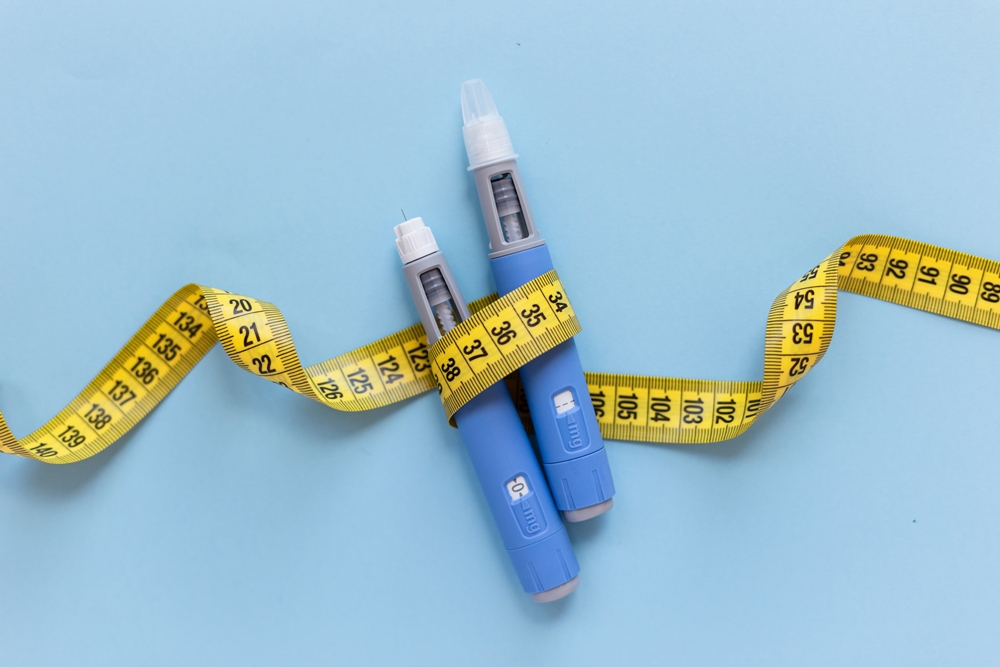
A weight loss jab may improve fertility outcomes in women with PMOS, early findings from an ongoing clinical trial suggest.
The proof-of-concept analysis found that injectable semaglutide may offer reproductive benefits while also addressing obesity and metabolic dysfunction.
It is the first report to examine how injectable semaglutide may improve reproductive outcomes in women with PMOS while also addressing obesity and metabolic dysfunction.

The work forms part of the ongoing RESTORE clinical trial.
Melanie Cree, professor at CU Anschutz and first author of the report, said: “Women with PMOS frequently face a frustrating choice between treatments that target reproductive symptoms and those that address metabolic health.
“Our early findings suggest injectable semaglutide may have the potential to improve both, offering a more comprehensive approach to care.
“This medication is incredibly promising when someone responds with 10 per cent weight loss.”
The trial is examining whether semaglutide can restore ovulation and improve reproductive health in adolescents and adults with polyendocrine metabolic ovarian syndrome, known as PMOS.
PMOS, formerly known as polycystic ovary syndrome or PCOS, is a hormone and metabolic condition linked to irregular periods, raised testosterone levels, infertility risk, obesity and increased cardiometabolic disease.
Cardiometabolic disease refers to conditions linked to the heart and metabolism, such as heart disease, high blood pressure and type 2 diabetes.
Existing treatments, including metformin and hormonal contraceptives, often do not fully address reproductive and metabolic complications at the same time.
The analysis focused on participants aged 12 to 35 who lost at least 10 per cent of their body weight during treatment.
Researchers said reproductive improvements appeared earlier than expected, prompting them to report preliminary findings while the wider study continues.
Cree is also a paediatric endocrinologist at Children’s Hospital Colorado.
Endocrinologists are doctors who specialise in hormones and hormone-related conditions.
Cree said: “What makes this work particularly important is that it focuses specifically on women with PMOS receiving injectable semaglutide.
“Although GLP-1 medications have transformed obesity treatment, there remains a significant need for rigorous data examining how these therapies affect fertility and reproductive function in this population.”
The RESTORE study is evaluating semaglutide treatment in girls and women with PMOS and obesity.
Its broader aim is to determine whether weight loss and metabolic improvements can restore ovulation and improve reproductive outcomes.
Ovulation is the release of an egg from the ovary, a key part of the menstrual cycle and fertility.
The authors said the findings are from an early proof-of-concept analysis and that larger, longer-term studies will be needed to confirm whether the reproductive benefits last.
The findings suggest injectable semaglutide may become a treatment option for women with PMOS seeking improvements in both metabolic and reproductive health, if future studies confirm the results.











 Menopause4 weeks ago
Perimenopause misinformation ‘putting women at risk’

 Entrepreneur4 weeks ago
Women’s Health Innovation Summit opens submissions for 2026 Innovation Showcase

 Insight3 weeks ago
British women among angriest in Europe, health survey reveals

 News4 weeks ago
Women still being failed when they reach menopause, experts say

 Menopause2 weeks ago
Apple Health adds menopause and perimenopause tracking

 Menopause4 weeks ago
Sweden eyes domestic production of oestrogen patches amid menopause treatment shortage

 News2 weeks ago
Femtech World Awards 2026: Winners revealed

 News4 weeks ago
Three menopause innovators shortlisted for Femtech World Award