




News
Bereaved dad pushes himself to limit for stillbirth research


A British father is to take on two extreme physical challenges in just one week to raise vital funds for stillbirth research, in memory of his stillborn daughter, Kallipateira.
Despite tearing his right knee ligament just eight weeks ago, Ben Moorhouse – who works at a Halifax Housing Association – will walk 120 miles nonstop, without sleep.
Starting at the Angel of the North in Gateshead on Saturday 12 July, 42-year-old Ben will make his way to Tommy’s Rainbow Clinic and Maternal and Fetal Health Research Centre at Saint Mary’s Hospital – the specialist unit that helped save his son’s life.

Just seven days later, after flying to Rhodes, Ben will climb the steep mountain road to Prophet Elias Monastery in Faliraki, Greece an exhausting 50 times – a gruelling test of endurance with no shade and where temperatures are likely to soar above 40°C.
Ben said: “This year has brought mountains I’ve had to climb emotionally and physically. Now, I’m preparing to put myself through the mill – fuelled by love, grief, and purpose,” said Ben.
“There’s no pain greater than holding your dead baby in your arms – but every step I take will honour Kallipateira and help save other babies across the UK.
“I will once again show that because of love and a reason why, anything is possible.”
Ben is aiming to raise £20,000 for Professor Alex Heazell, Director of the Tommy’s Stillbirth Research Centre and the University of Manchester-based team leading UK research to reduce preventable stillbirths and support families through pregnancy after loss.
Ben and his partner Gaynor Thompson lost their daughter Kallipateira to a preventable stillbirth at 37 weeks in October 2018. They later suffered a miscarriage in 2019.
Determined to stop other families going through the same heartbreak, they founded The Kallipateira Moorhouse Foundation, which funds research and supports families affected by baby loss.
In 2020, their son Apollon was born safely at Tommy’s Rainbow Clinic, thanks to the specialist care of Professor Heazell.
Every day in the UK, eight babies are stillborn – many of which are preventable.
The funds Ben raises will go directly to Professor Heazell’s team, who are making groundbreaking progress in understanding stillbirth and supporting parents in pregnancy after loss.
Alex Heazell, who is also Professor of Obstetrics at The University of Manchester and Honorary Consultant Obstetrician at Saint Mary’s Hospital, part of MFT, said: “Ben’s unwavering commitment is extraordinary.
“His support has already helped us improve care for families and expand our research into stillbirth prevention.
“These challenges will fund new projects that could save lives.”
To support Ben’s Mission donate now at: https://www.justgiving.com/page/kmf2024













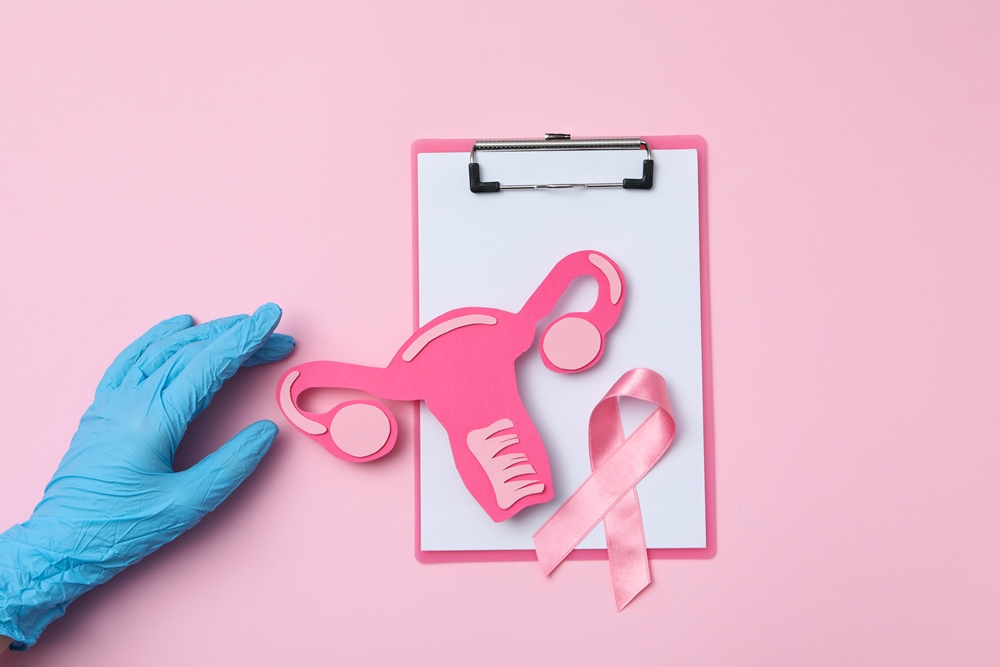
A non-profit has launched an endometriosis documentary featuring Amy Schumer and Marilyn Monroe as it pushes for changes in how the condition is treated and understood.
The Endometriosis Collective has launched to change how endometriosis is researched, treated and understood, starting with a documentary featuring stories from people including Amy Schumer and Marilyn Monroe.
The feature-length documentary, “End of the Cycle”, will premiere in New York on Tuesday, and The Endometriosis Collective is making the film free to stream online.

Schumer, a comedian, writer and actor, has previously spoken of how endometriosis left her “on the floor in pain, vomiting from the pain, the pain that nobody can see.”
Schumer is one of several celebrities featured in the documentary. Other contributors include dancer Julianne Hough, Olympic medallist Brittany Brown and actors Janel Parrish and Folake Olowofoyeku.
The Endometriosis Collective timed the documentary premiere to coincide with the 100th anniversary of Marilyn Monroe’s birth.
Monroe, who died in 1962, starred in films such as “Some Like It Hot” and “Gentlemen Prefer Blondes.”
According to a biography published in 1985, Monroe’s endometriosis was so severe that it destroyed her marriages, her wish for children, her career and ultimately her life.
The Endometriosis Collective said the documentary shares newly uncovered information about Monroe’s experience with endometriosis.
The non-profit said the information connects Monroe’s story to the experiences of women across generations, highlighting how far awareness, research and care still have to go.
A representative of the Marilyn Monroe Estate said: “By sharing this part of her story through ‘End of the Cycle,’ we hope to honour her legacy in a way that brings visibility to endometriosis, encourages more open dialogue and helps inspire the research needed to create change.”
As part of the premiere, The Endometriosis Collective is holding a panel discussion.
Schumer, Brown and Olowofoyeku, the documentary’s co-directors Sammy Jaye and Soraya Simi, and medical experts are due to be part of the premiere.
AbbVie’s Orilissa and Sumitomo Pharma’s Myfembree are among the approved drugs for endometriosis pain.
Hough, one of the participants in the documentary, starred in an Orilissa campaign in 2017.











 Menopause1 week ago
Perimenopause misinformation ‘putting women at risk’
 News4 weeks ago
NIH Grant terminations disproportionately impact minority scientists, research finds

 Adolescent health4 weeks ago
WUKA brings Period-Positive Pool Party to London Aquatics Centre to keep girls swimming through puberty

 Insight3 weeks ago
PCOS renamed after decade-long campaign to end ‘cyst’ misconception

 Events4 weeks ago
WHIS 2026 unveils agenda and first speakers for the leading women’s health summit

 Menopause4 weeks ago
CBT shows promise for menopause insomnia and hot flashes
 Hormonal health2 weeks ago
NHS urged to update website following renaming of PCOS

 News6 days ago
Three menopause innovators shortlisted for Femtech World Award