




Mental health
Interview: The race to close the gap on late-stage breast cancer diagnoses


New research suggests that one in three eligible women in the US skip recommended mammograms – leading to late-stage breast cancer diagnosis, doubling treatment costs and increasing risk. Dr. Rani Aravamudhan, senior medical director at Nomi Health, speaks to Femtech World about addressing the problem, by helping employers and healthcare providers to reach women eligible for mammograms.
As part of its Trends in Spend series, Nomi Health has examined breast cancer screening and treatment data, finding that delayed detection negatively impacts patient outcomes and significantly increases financial burden.
Key findings from the report reveal that, while screening rates among women aged 40 to 74 have improved in recent years, over one-third continue to miss mammograms screenings at the recommended frequency, leaving significant gaps in preventive care.

Nomi highlights that unscreened women with advanced-stage breast cancer face treatment costs of up to US$120,485 which is US$44,029 more than screened patients at the same stage.
They are also more than twice as likely to be diagnosed with metastatic cancer.
Improving access and awareness
Currently, women over 40 are recommended to have a mammogram screening annually or bi-annually.
However, despite the year-over-year rate slowly trending upwards, still only around 63 per cent of eligible women are receiving their mammograms.
In order to improve screening uptake, Aravamudhan emphasises the importance of increasing awareness of mammograms.
“Despite the amount of data showing that mammograms are available at no out-of-pocket cost, not all women are aware of this – and I say that sympathetically- the healthcare system can be confusing,” says Aravamudhan.
“People wonder: what’s covered under my plan? I believe the system has become unnecessarily complex over the years, and that complexity discourages people from seeking care when they should.
“Certain services like annual physicals, mammograms, and colonoscopies must be made available to everyone at zero out-of-pocket cost.
“However, whether that’s true depends on someone’s insurance – often only if they go to an in-network facility. If they go out-of-network, they might still be charged. Understanding what’s in-network and what’s not can take real effort.”
Another barrier to mammogram uptake is access to these screenings, says Aravamudhan, highlighting that even in urban areas with ample facilities, getting an appointment isn’t always easy, with long wait times pushing back diagnoses.
“Even if financial access is fine, practical access is another issue. You need somewhere close by that can see you soon,” says Aravamudhan.
“In a rural or lower-income area, someone might need to travel 30 minutes or more just to reach a facility, they may have to take half a day off work for a 20-minute procedure.
“This is a very real, very practical problem. There are currently encouraging efforts though – some organisations, whether non-profits, hospital systems, or insurers have mobile units that go out to communities. These allow women to come to the unit, get their mammogram, and go.
“This is the kind of accessibility we need to expand.”
Aravamudhan suggests that these mobile units could also visit workplaces and retail stores to improve screening accessibility and reduce time needed off work for women.
“When we talk about access, it’s multi-layered,” says Aravamudhan.
“A relationship with a primary care provider (PCP) is also vital. Studies consistently show that when patients have a strong relationship with a PCP – someone who regularly checks in and encourages them to get screened – they are more likely to follow through.
“That trusted relationship leads to better compliance. And it’s not just mammograms – the same goes for Pap smears, colonoscopies, and so on.
“The provider doesn’t need to be forceful, just clear that this matters. It helps when they explain why it’s important and follow up. That relationship with a PCP matters a lot – not only for preventative screenings but for so many aspects of healthcare.”
Effective intervention for better outcomes
Awareness and access issues are contributing to delayed diagnosis, and Nomi’s analysis reveals that delayed diagnosis leads to an increase in the severity of treatment required.
Aravamudhan says employers, health plans, and healthcare providers all have a role to play in intervening more effectively to promote early detection.
“Employers are the ones providing health insurance for their employees and their dependents, so they have a significant stake in all of this,” says Aravamudhan.
“It’s crucial that we all – collectively – promote the value and benefits of preventive care early and often.
“It’s not just about getting a test or having a screening. It’s about investing in the health of our population. As individuals, we have a responsibility to do that for ourselves too. If I don’t invest in my own health, I risk having health issues that could impact my ability to work – and that, in turn, affects my family.
“Employers and health plans can do more during annual enrollment periods – not just talk about plan options, but also highlight the importance of preventive care with clear, relatable examples.
“They can share real stories – with permission – or public examples, such as someone well known who caught cancer early through screening and is now doing well. That kind of storytelling works and makes it real.
“Just like we reassure our children before a dentist visit, we need to normalise preventive care. It’s uncomfortable, but not painful – and it only takes 20 minutes. That kind of messaging – from colleagues, managers, health champions – can make a big difference.
“Reminders also help – as long as they’re targeted. Younger people may respond better to texts or emails, older people to phone calls. Tailor the channel to the audience.”
Another tool employers could utilise are incentives, says Aravamudhan, highlighting that many employers have healthcare rewards schemes
“Data shows that only a small percentage of people maximise those benefits,” says Aravamudhan.
“So there’s a lot of room for improvement – and a lot of opportunity to drive better engagement and health outcomes.”
Preventative care as a cost containment strategy
The Nomi analysis revealed that women who did not go for their mammograms who are diagnosed with advanced-stage breast cancer face treatment costs of up to $120,485, a total of $44,029 more than screened patients at the same stage.
The average cost per breast cancer episode was $25,765 for unscreened women, 18 per cent higher than for those who received their routine screenings.
In order to prevent these costs, Aravamudhan says that investment is needed in preventive care – whether employers, individuals or the wider system.
“I’m talking about continuous preventive care – a consistent, system-wide approach,” says Aravamudhan.
“It starts with disease prevention – such as vaccinations, for example. We absolutely should be promoting vaccines. We’ve already seen the consequences – falling vaccination rates in some areas like Texas have led to outbreaks of measles. Children are being hospitalised, some placed on ventilators, and tragically, some have died. That’s the real cost – not just financial, but lives lost.
“The next level of preventive care is screening. If someone is going to develop something like breast or cervical cancer, let’s catch it early.
“Early detection means a far better chance of survival and a much lower cost of treatment.
“Preventive care evolves into monitoring. We don’t just walk away after someone’s been treated for cancer – we continue to monitor them to make sure it doesn’t return, or to catch any new risks early. That’s still preventive care – just at a different stage.
“There is also chronic condition management. That might mean lifestyle changes, medication compliance, following a low-salt diet – whatever it takes. That kind of support system is key.
“And let’s not forget mental health. People often overlook preventive care in this space, but it absolutely exists. Building strong, consistent relationships with clinicians – whether through your GP, your insurer, or a nurse care manager – really matters.
“Those ongoing connections ensure preventive care stays front and centre. It helps reduce the long-term impact of conditions, and it lowers costs over time.
“All of this leads to healthier, happier families – and ultimately, far lower costs for employers. The alternative is simply more expensive – financially, socially, and emotionally.”














Yoga and omega-3 supplements may be as effective as talking therapies for pregnancy depression, a major review suggests.
Globally, nearly one in three pregnant women experience depression, but most receive no treatment.
When support is available, women are often directed towards talking therapies such as cognitive behavioural therapy, or CBT, and mindfulness.

CBT is a structured talking therapy that helps people identify and change patterns of thought and behaviour affecting their mental health.
The review examined 115 clinical trials involving more than 12,000 participants across 30 countries.
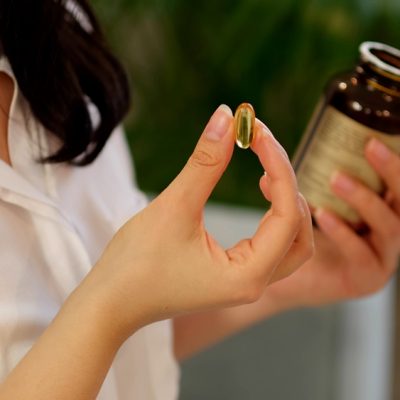
It found that yoga, massage, omega-3 supplements and bright light therapy were broadly as effective as talking therapies at reducing depression symptoms during pregnancy.
Bright light therapy involves controlled exposure to bright light and is sometimes used to treat mood conditions.
The findings point to the importance of social support and increased connection, as all these approaches offer some element of contact or guided support.
Led by King’s College London, the research brought together trial evidence across every type and format of treatment for antenatal depression under a common framework.
Antenatal depression is depression that occurs during pregnancy.
The study was conducted as part of HappyMums, a European consortium led by the University of Milan that aims to improve mental health support during pregnancy and after birth.
Carmine Pariante, professor of biological psychiatry, said: “This is the most comprehensive analysis of treatments for depression in pregnancy ever conducted, and the findings should prompt a rethink of how we support women during this critical period.
“The evidence is clear that there is no single best approach. What matters is that women have access to a range of options, and that clinicians feel equipped to offer them.”
The researchers said yoga and omega-3 supplements could be legitimate treatment options, rather than stopgaps, for women on waiting lists or those who struggle to access mental health support.
However, the studies differed considerably in design, sample size and how results were measured, so the findings should be interpreted with care.
The team said non-psychological approaches could help women cope with long waits for care without ruling out other treatments alongside them.
Digital and online interventions, including apps and telephone-based support, were also found to be as effective as face-to-face treatment.
Researchers said this could affect how antenatal depression is managed, particularly for women who cannot travel or face long waits for in-person care.
The team found no randomised controlled trials of pharmaceutical treatments for antenatal depression, despite antidepressants being widely prescribed for depression outside pregnancy.
A randomised controlled trial is a study in which participants are randomly assigned to different treatment groups, allowing researchers to compare outcomes more fairly.
Evidence for drug treatment during pregnancy therefore relies on indirect research rather than trials carried out during pregnancy, reflecting long-standing caution around testing medicines in pregnant populations.
NICE guidelines recommend antidepressants for moderate to severe depression in pregnancy, while evidence from outside formal pregnancy trials suggests they can be safe and effective.
However, the researchers said trials are still needed, particularly for women who cannot access or engage with other forms of support.
Riddhi Laijawala, trial manager and PhD student, said: “Depression in pregnancy is common, but it is not inevitable, and it is treatable. What this review shows is that the options available to women are broader than many people realise.
“A yoga class, music therapy, or an online programme may not sound like clinical treatment, but the evidence suggests they can make a real difference, and for many women they may be easier (and quicker) to access than a course of therapy.”
Depression during pregnancy affects an estimated 28.5 per cent of pregnant people worldwide, but only around one in five receives appropriate and timely treatment.
The team said closing this treatment gap should be a priority for health systems because the condition can affect both parent and child.
The HappyMums project is supported by the European Union’s Horizon Europe research and innovation programme.

Nearly six in ten young women get health and wellness advice from influencers, new research shows.
Women aged 18 to 29 were more likely than young men to use online influencers for health information.
The topics included beauty, alternative medicine, mental health, weight loss and fitness.
The Pew Research study found that 57 per cent of women aged 18 to 29 said they get health and wellness information from online influencers, 10 percentage points higher than young men.
While Americans still mostly rely on healthcare providers, the research suggests social media influencers also play a major role in how young people find health advice.
Among women who get health and wellness information from influencers, 51 per cent said they often hear about beauty and appearance, compared with 18 per cent of men.
Young women were also around twice as likely as young men to say they see content about alternative medicine, meaning treatments or health practices used outside mainstream medical care.
A third or more of both young men and young women said they often hear about mental health and weight loss from influencers.
Around half or more of both groups said they often see fitness content.
When asked why they seek health and wellness information from influencers, around half of young women said they wanted to make a change to their health or lifestyle.
That compared with 37 per cent of young men.
The research also found that 23 per cent of young women said hearing from people who share their background or beliefs was one reason they used influencers, compared with 14 per cent of young men.
A further 19 per cent of young women said they learnt about things they did not want to ask their doctor, compared with 10 per cent of young men.
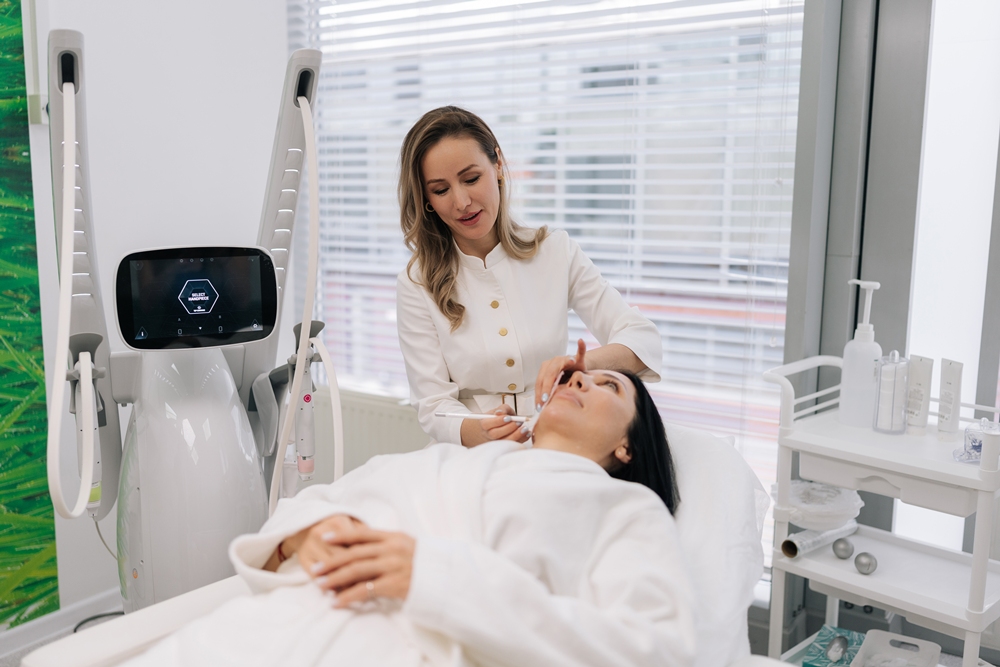
Cosmetic procedures may become addiction-like for some women, with low body esteem and problematic social media use linked to higher risk, new research suggests.
A study of 1,614 women aged 25 to 71 found that one in five who had undergone treatments met the threshold for moderate to severe risk of addictive cosmetic procedure use.
Low body esteem and problematic social media use emerged as the strongest risk factors.
Researchers from the Hebrew University of Jerusalem and the Israel Center for Addiction and Mental Health examined what they described as addictive cosmetic procedure use, or ACPU, among Jewish Israeli women.
ACPU refers to repeated cosmetic treatment behaviour that may resemble addiction, including feeling unable to stop, continuing despite negative effects or craving further procedures.
The study was led by Vera Skvirsky alongside Uri Lifshin, Dvora Shmulewitz and Mario Mikulincer, from the department of psychology at the Hebrew University of Jerusalem and the Israel Center for Addiction and Mental Health.
The researchers surveyed women from the general population rather than focusing only on patients at cosmetic clinics.
Among women who had undergone cosmetic procedures, 20 per cent met the threshold for moderate to severe lifetime risk, while more than 15 per cent reported symptoms within the previous year.
Across the full sample, nearly nine per cent of women showed moderate to severe signs of problematic cosmetic procedure use.
The researchers adapted questions based on mental health criteria used to assess substance-related disorders.
Participants were asked whether they had tried unsuccessfully to stop having cosmetic procedures, felt compelled to continue despite negative consequences or experienced cravings linked to treatment.
Previous research has linked cosmetic procedures with body-image concerns and body dysmorphic disorder.
Body dysmorphic disorder is a mental health condition in which a person becomes highly distressed by perceived flaws in their appearance, often flaws that others may not notice.
The new study examined whether repeated cosmetic procedures may, in some cases, resemble a behavioural addiction.
Women with lower body esteem were more likely to report addiction-like patterns, particularly when this was combined with high levels of problematic social media use.
Participants who reported problematic or excessive social media behaviour appeared especially vulnerable when they also felt dissatisfied with their appearance.
The researchers also found smaller links between addictive cosmetic procedure use and lower feminist attitudes, lower attachment security and more negative attitudes towards ageing.
However, those links were less consistent when several factors were analysed together.
The findings come amid a sharp global rise in cosmetic procedures, with international estimates cited by the researchers suggesting interventions increased by around 40 per cent between 2019 and 2023.
The researchers stressed that the study does not suggest cosmetic procedures are inherently harmful.
Instead, they said repeated engagement may, for some people, take on characteristics similar to behavioural addictions already recognised in mental health research.
The researchers said: “Cosmetic procedures have become deeply normalised in many societies, and for many people they may be a positive experience.
“But our findings suggest that for a meaningful minority, the behaviour may begin to resemble other compulsive patterns we see in addiction research, especially when low body esteem and problematic social media use are involved.”
The study was cross-sectional, meaning it captured a single point in time and cannot prove cause and effect.
Researchers said it remains unclear whether problematic social media use contributes to addiction-like cosmetic procedure behaviour, whether treatments influence body image and online engagement, or whether other psychological factors drive both.









 News2 weeks ago
New menopause drug approved for use by NHS in Scotland

 Hormonal health1 week ago
Stardust period tracker shares health data, study reveals

 Entrepreneur6 days ago
Zero Candida market set to reach over US$2 billion by 2030 – report

 News2 weeks ago
Women’s health draws record $1.55bn in equity as capital spreads beyond the mega-rounds

 Insight2 weeks ago
Softening ovaries could extend fertility as women age, study suggests

 Entrepreneur2 weeks ago
Onto Health acquires diagnostics software company Levy Health

 Wellness1 week ago
Congress urged to invest over $20bn to close women’s health gap

 Mental health7 days ago
Nearly 60% of young women get health advice from influencers, research finds