




News
1.5 billion women lack screenings worldwide, says US medtech champion
Hologic’s women’s health index researches insights and access to quality care for underserved women


More than one and a half billion women worldwide lack screenings for cancer, heart disease, diabetes or sexually transmitted infections, the medical technology company Hologic has found.
The second annual Hologic Global Women’s Health Index is one of the world’s largest studies of women’s well-being.
The report has identified barriers to preventive care for women, including struggles to find enough food and shelter, lack of educational opportunities and threats to women’s safety. These contribute to widening gaps in women’s well-being across high- vs. low-income countries, urban vs. rural areas, and highly- vs. less-educated individuals.
The barriers also fuel record-high levels of worry, stress, sadness and anger among women worldwide.
All 122 countries and territories evaluated by the index have significant room for improvement in women’s health.
The average global score was only 53 out of a possible 100, the highest score was 70 for Taiwan and the lowest score was 22 for Afghanistan.
“The lack of progress and, in some cases, backward momentum justify an even louder wake-up call for world leaders to do more for women, whose well-being underpins the health of families, communities, societies and economies,” said Steve MacMillan, chairman, president and CEO of Hologic.
“Reliable data can ignite genuine change, and we look forward to engaging leaders worldwide to use the index to champion women’s wellness.”
Hologic partnered with Gallup, an analytics firm, to create the index. For the second annual report, approximately 127,000 people worldwide – including 66,000 women and girls aged 15 and older – were surveyed during 2021 in more than 140 languages.
This reach means the index represents 94 per cent of the world’s women and girls.
“We’re proud to collaborate with Hologic to enable women to tell leaders about their health needs, ” said Gallup managing partner, Vipula Gandhi.
“As we jointly work with policymakers across the continents, we emphasise the importance of taking a comprehensive approach to elevating women’s well-being.”
The index looks at five interlocking dimensions of women’s health: preventive care, basic needs, opinions of health and safety, individual health and emotional health. Together, these dimensions account for more than 80 per cent of the variances in women’s life expectancy worldwide, aiming to guide companies in focusing on early detection and treatment of disease and create stronger safety nets for life’s basic needs such as food and shelter.
About 85 per cent of the women surveyed for the index believe in the value of regular visits to a healthcare professional, but less than 60 per cent of them had gone to a doctor, nurse, midwife or other health provider in the past year. Only 12 per cent of women said they were tested for any type of cancer.
Dr Susan Harvey, Hologic’s vice president of Worldwide Medical Affairs said: “As a physician who has worked with patients in different corners of the world for decades, I’ve seen firsthand how early detection of disease makes a critical difference in lifespan and quality of life for women. But when women have to choose between getting healthcare for themselves and finding the next meal for their families, they will likely deprioritise their health.
“It’s crucial for policymakers to see preventive care as part of a multidimensional, mutually dependent set of factors that should be jointly addressed.”
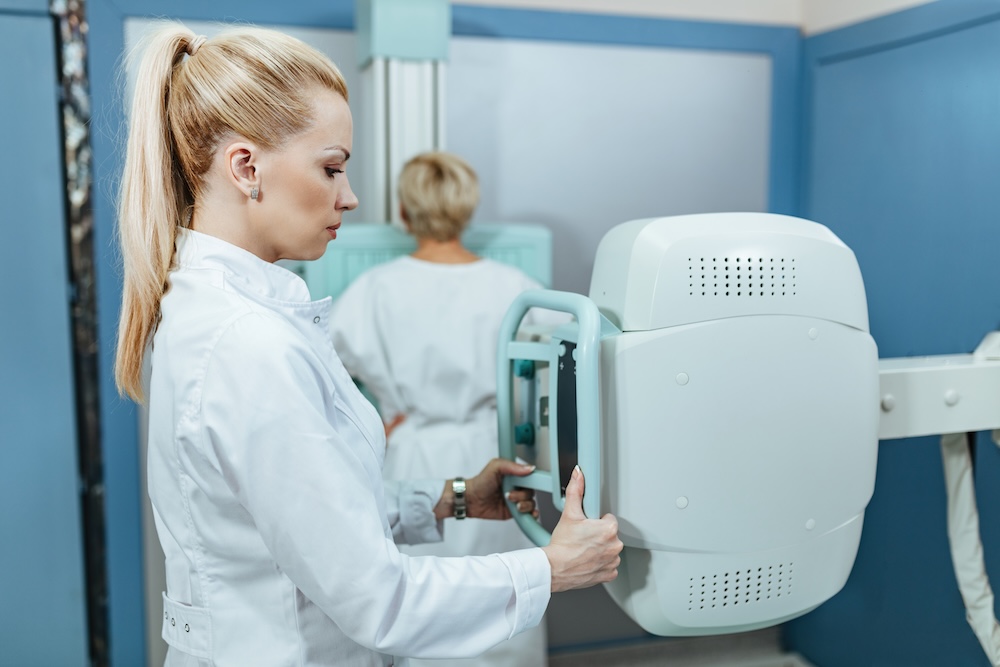
Hologic, a US medical technology company, focuses primarily on improving women’s health and well-being through early detection, treatment and product development.
Its advancements include invention of the world’s first commercial 3D mammography system to fight breast cancer, technology for cervical cancer testing and minimally invasive surgical technologies for uterine fibroids and abnormal uterine bleeding.
The Hologic Global Women’s Health Index, which provides a science-backed data roadmap for improving women’s well-being, aims to research insights and access to quality care for underserved women.




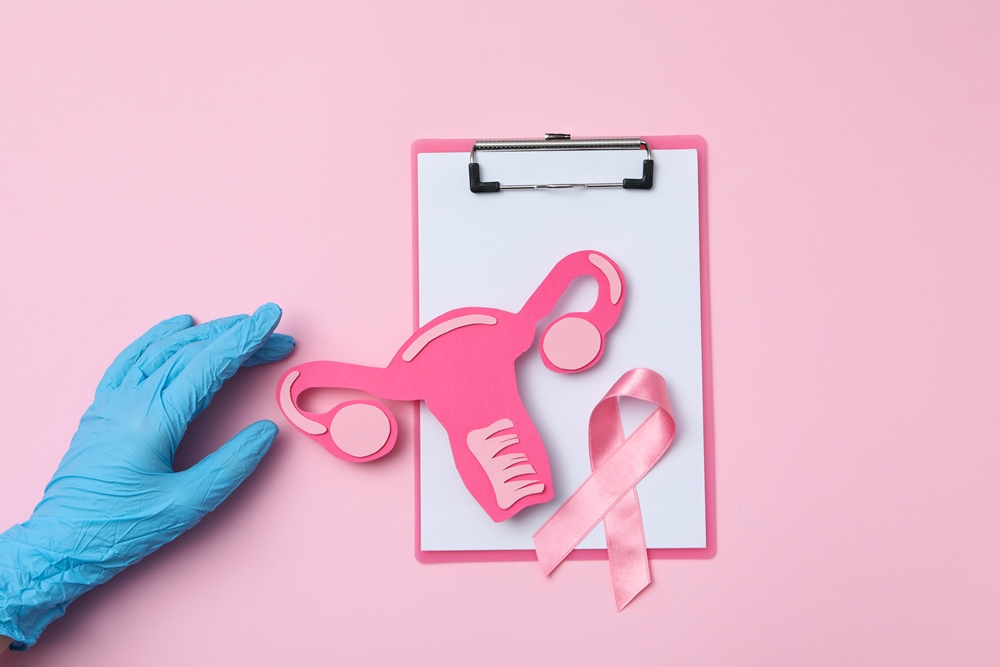
A non-profit has launched an endometriosis documentary featuring Amy Schumer and Marilyn Monroe as it pushes for changes in how the condition is treated and understood.
The Endometriosis Collective has launched to change how endometriosis is researched, treated and understood, starting with a documentary featuring stories from people including Amy Schumer and Marilyn Monroe.
The feature-length documentary, “End of the Cycle”, will premiere in New York on Tuesday, and The Endometriosis Collective is making the film free to stream online.

Schumer, a comedian, writer and actor, has previously spoken of how endometriosis left her “on the floor in pain, vomiting from the pain, the pain that nobody can see.”
Schumer is one of several celebrities featured in the documentary. Other contributors include dancer Julianne Hough, Olympic medallist Brittany Brown and actors Janel Parrish and Folake Olowofoyeku.
The Endometriosis Collective timed the documentary premiere to coincide with the 100th anniversary of Marilyn Monroe’s birth.
Monroe, who died in 1962, starred in films such as “Some Like It Hot” and “Gentlemen Prefer Blondes.”
According to a biography published in 1985, Monroe’s endometriosis was so severe that it destroyed her marriages, her wish for children, her career and ultimately her life.
The Endometriosis Collective said the documentary shares newly uncovered information about Monroe’s experience with endometriosis.
The non-profit said the information connects Monroe’s story to the experiences of women across generations, highlighting how far awareness, research and care still have to go.
A representative of the Marilyn Monroe Estate said: “By sharing this part of her story through ‘End of the Cycle,’ we hope to honour her legacy in a way that brings visibility to endometriosis, encourages more open dialogue and helps inspire the research needed to create change.”
As part of the premiere, The Endometriosis Collective is holding a panel discussion.
Schumer, Brown and Olowofoyeku, the documentary’s co-directors Sammy Jaye and Soraya Simi, and medical experts are due to be part of the premiere.
AbbVie’s Orilissa and Sumitomo Pharma’s Myfembree are among the approved drugs for endometriosis pain.
Hough, one of the participants in the documentary, starred in an Orilissa campaign in 2017.











 Menopause1 week ago
Perimenopause misinformation ‘putting women at risk’
 News4 weeks ago
NIH Grant terminations disproportionately impact minority scientists, research finds

 Adolescent health4 weeks ago
WUKA brings Period-Positive Pool Party to London Aquatics Centre to keep girls swimming through puberty
 Insight3 weeks ago
PCOS renamed after decade-long campaign to end ‘cyst’ misconception
 Hormonal health2 weeks ago
NHS urged to update website following renaming of PCOS
 Menopause4 weeks ago
CBT shows promise for menopause insomnia and hot flashes

 Events4 weeks ago
WHIS 2026 unveils agenda and first speakers for the leading women’s health summit
 News7 days ago
Three menopause innovators shortlisted for Femtech World Award