




Wellness
Unlocking the wellness code: The role of executive functioning in health and success
By Chaitra Vedullapalli, Founder and President, Women in Cloud


Wellness, often narrowly defined as physical health, is a multifaceted concept encompassing mental clarity, emotional resilience, and the ability to manage life’s complexities.
In today’s high-stakes professional landscape, particularly for women in leadership and entrepreneurial roles, achieving holistic well-being requires more than exercise and a healthy diet.
It demands mastering executive functioning—a set of cognitive skills that enable individuals to manage themselves and their resources effectively to achieve goals.
Executive functioning is the unsung hero of wellness. It governs our ability to plan, organise, focus, and adapt to challenges—skills critical for balancing the demands of modern life.
When these skills are optimised, they unlock the potential to thrive personally and professionally.
However, when executive functioning falters, it can lead to overwhelm, decision fatigue, and diminished productivity.
The Link Between Executive Functioning and Wellness
At its core, executive functioning acts as the control centre of the brain, orchestrating daily activities and long-term goals. These skills are intricately connected to wellness.
For instance, managing stress effectively relies on emotional regulation, while maintaining a healthy lifestyle requires planning and self-monitoring.
Women, who often juggle multiple roles as professionals, caregivers, and community leaders, face unique challenges in maintaining their executive functioning.
Research shows that hormonal fluctuations, societal expectations, and limited support systems can impact cognitive clarity and emotional resilience.
This is where intentional strategies for enhancing executive functioning can make a transformative difference.
Practical Steps to Unlock the Wellness Code
1. Prioritise Sleep for Cognitive Recovery:
Sleep is the foundation of executive functioning. Without adequate rest, decision-making, focus, and emotional regulation suffer.
Create a sleep-friendly environment by establishing a consistent bedtime routine and minimising screen time before bed.
2. Know your data:
Get blood tests every six months to ensure you know your health performance, vitamin deficiencies and hormone ranges.
3. Adopt Mindfulness & Gratitude Practices:
Mindfulness meditation has been shown to strengthen the brain’s prefrontal cortex, improving attention and stress regulation.
Just 10 minutes of daily mindfulness and gratitude journaling to can enhance mental clarity and resilience.
4. Streamline Daily Routines:
Simplify decision-making by establishing routines for meals, exercise, and work tasks. Delegating non-essential tasks can free up cognitive resources for more significant responsibilities.
5. Invest in Emotional Resilience:
Emotional regulation is a cornerstone of wellness. Participate in supportive communities can help process emotions and build resilience in the face of challenges.
6. Leverage Technology for Support:
Tools like digital planners, fitness trackers, and wellness apps can help streamline tasks and provide reminders to stay on track with health goals.
Integrating Wellness Into Life
Achieving wellness isn’t about perfection—it’s about integration and conversation. For professional women, this means aligning wellness strategies with personal and career goals.
By focusing on incremental improvements in executive functioning, women can reduce stress, enhance productivity, and create a fulfilling balance between work and life.
Our Invitation to Transform
The journey to mastering executive functioning and achieving holistic wellness doesn’t have to be navigated alone.
The #WICxWellness Summit 2024, scheduled for February 6th, offers a unique opportunity to gain expert insights and actionable strategies.
From understanding pain levels to hormonal health to exploring the latest in wellness technology, this 2.5-hour interactive event equips attendees with tools to become the Chief Well-Being Officer of your life.
Ready to transform your well-being and unlock your full potential?
https://womenincloud.com/wicxwellness2025/.
Don’t miss the chance to take control of your wellness and success.














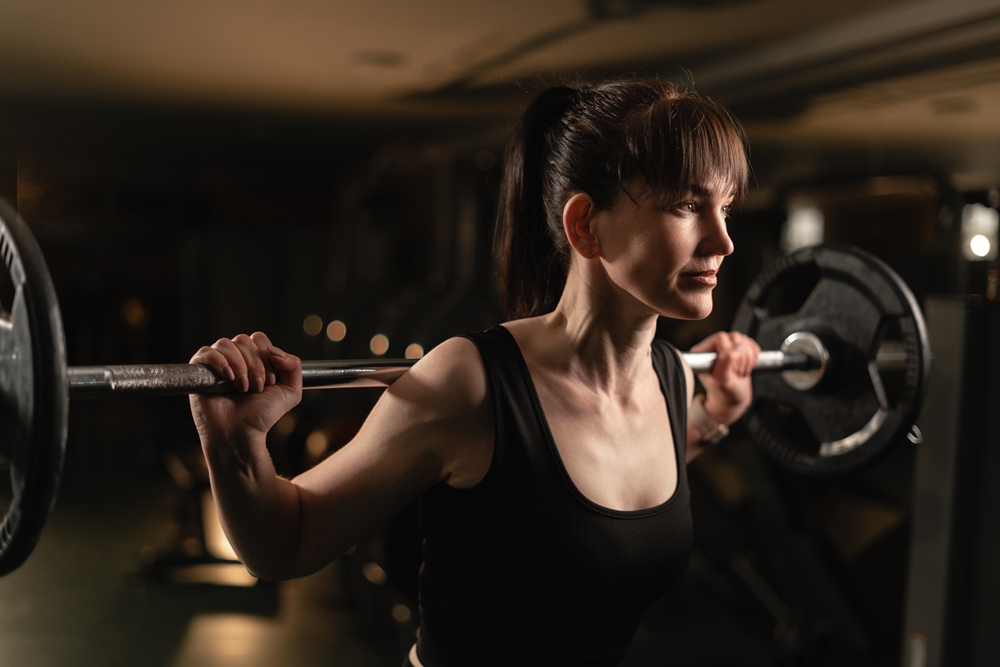
Women who do strength training may have a lower risk of major cardiovascular disease, particularly alongside aerobic activity, a study suggests.
Cardiovascular disease is the leading cause of death worldwide. Aerobic activities such as brisk walking, jogging, cycling and swimming are already established ways to help reduce the risk.
Strength or resistance training, also known as RT, is less established as a prevention strategy. It makes muscles work against a force and can involve body weight, free weights, resistance bands or machines.

Current US guidelines recommend at least two days of strength training and 150 minutes of moderate-to-vigorous aerobic activity each week.
They also recommend limiting sedentary behaviour, including prolonged television viewing, which is considered an independent risk factor for cardiovascular disease.
Dr Tianyue Zhang, lead study author and scientist in the department of nutrition at the Harvard T.H. Chan School of Public Health, said: “Despite its established health benefits, RT is often overlooked as a prevention strategy for CVD, and its impact on CVD risk, especially in middle-aged and older women, remains understudied.
“A key question is, how much does it add beyond aerobic activity alone?”
Researchers analysed data from 117,025 women participating in the Nurses’ Health Study and Nurses’ Health Study II.
The two groups had average starting ages of 66.8 and 48.1 years respectively.
The women reported their resistance training every four years, with exercises involving the arms and legs recorded separately.
Time spent watching television was used as the main measure of sedentary behaviour.
The researchers examined exercise and television-viewing habits alongside the incidence of major cardiovascular disease.
Major cardiovascular events included fatal or non-fatal heart attacks, strokes, coronary artery bypass surgery and percutaneous coronary intervention.
Coronary artery bypass surgery redirects blood around narrowed or blocked heart arteries. Percutaneous coronary intervention uses a small balloon, often followed by a stent, to open a narrowed artery.
Higher levels of strength training were associated with a lower risk of major cardiovascular disease, particularly heart attacks.
No statistically significant link with stroke was found when resistance exercise was considered separately.
Women completing at least two hours of strength training a week had a 20 per cent lower risk of major cardiovascular disease and a 44 per cent lower risk of heart attack than those doing none.
Each additional hour a week was associated with a five per cent lower risk of major cardiovascular disease and a 14 per cent lower risk of heart attack.
The associations weakened somewhat after researchers accounted for body mass index and conditions including diabetes, high blood pressure and high cholesterol, but remained clear.
Body mass index, or BMI, compares weight with height and is commonly used to assess whether someone is within a healthy weight range.
Strength training was also linked to additional benefits among women who did aerobic activity.
Women completing at least two hours of strength training and 150 minutes of aerobic activity each week had a 45 per cent lower risk of heart attack than those reporting no physical activity.
Women who met recommendations for strength training, aerobic activity and reduced television viewing had the lowest risks of major cardiovascular disease, heart attack and stroke compared with those who met some or none of the recommendations.
Zhang said: “These findings suggest that, within an already active population, RT is associated with additional reductions in CVD risk above and beyond overall aerobic activity.
“Alongside aerobic activity and reductions in sedentary behaviour, RT may be an important component of public health strategies for cardiovascular prevention in women.”
The study relied on participants reporting their own resistance training, meaning the data may not always have been precise.
Researchers also noted the possible influence of unmeasured factors and the limited diversity of participants.
They were unable to fully separate the effects of the type of resistance training performed from the overall amount completed.
Dr Harlan M. Krumholz, professor at Yale School of Medicine, said: “We have long encouraged resistance training, and this study provides strong evidence to reinforce that message.
“It should be included in a well-rounded health routine to support function and longevity.”


Women who develop pre-eclampsia face a higher risk of chronic kidney disease and high blood pressure later in life, new research suggests.
The amount of protein found in the urine during pregnancy may help identify those at greatest risk of developing long-term health problems.

Pre-eclampsia usually involves high blood pressure and increased protein in the urine. Some women also experience severe headaches and changes to their vision.
The condition cannot be treated during pregnancy and, in some cases, labour must be induced early to protect both the woman and baby.
The study found that the condition may be linked to longer-term health problems.
Anne Høy Seemann Vestergaard, a medical doctor and PhD at the department of clinical medicine at Aarhus University, said: “What we can see is a clear association between pre-eclampsia and the development of high blood pressure, chronic kidney disease and cardiovascular disease later in life.”
The researchers found that the amount of protein passed in the urine during pregnancy was linked to the risk of developing chronic conditions after giving birth.
Protein in the urine can indicate that the kidneys are not filtering blood normally.
Vestergaard said: “The most surprising finding was how clearly the amount of protein in the urine during pre-eclampsia was linked to the risk of later high blood pressure and chronic kidney disease. Women with moderate to severe protein excretion had a higher risk of both conditions compared with women with low or no protein excretion.”
Among women with pre-eclampsia and moderate to severe levels of protein in the urine, around one in 20 developed chronic kidney disease within 10 years and around one in six developed high blood pressure.
Most women in the study did not develop long-term complications, but the researchers said the increased risk should still be taken seriously because the potential effects can be severe.
Vestergaard said: “At first glance, this may sound like a low number, but it represents a markedly increased risk when the groups are compared. In the group with pre-eclampsia and high levels of protein in the urine, around 1 in 20 women developed chronic kidney disease within ten years, including early stages of the disease, compared with around 1 in 100 in the group with lower or no protein excretion.”
She added: “That is a considerable number in light of the fact that chronic kidney disease is a potentially serious condition that can progress to kidney failure if isn’t diagnosed early.”
The findings suggest women who experience pre-eclampsia may benefit from more systematic monitoring after pregnancy.
Vestergaard said: “Our study suggests that these women may benefit from monitoring of blood pressure and kidney function after pregnancy.”
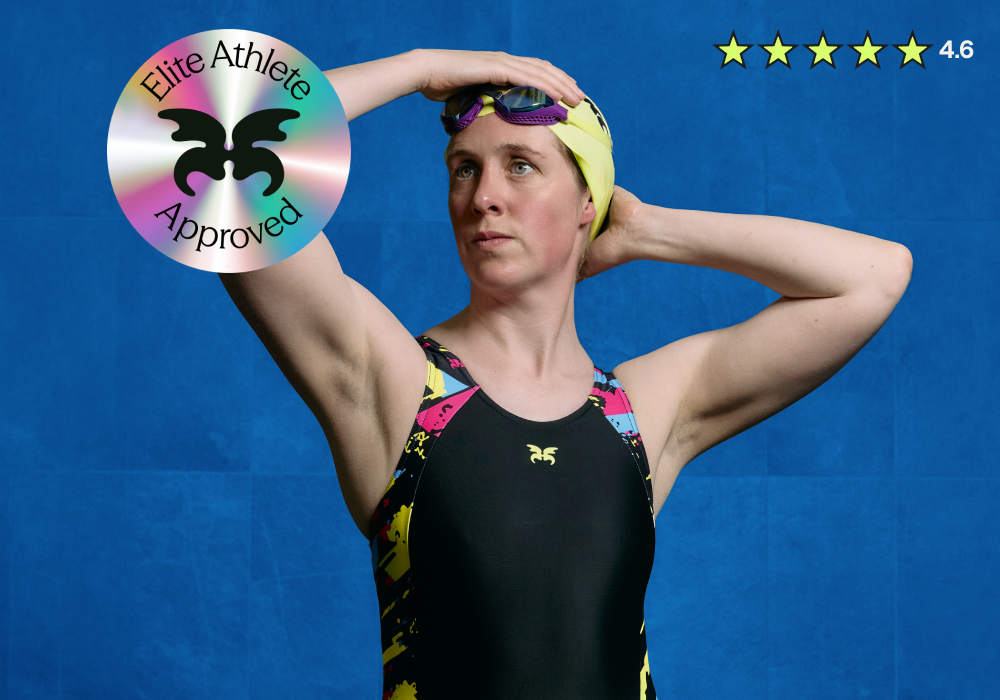
WUKA has announced the launch of the UK’s first heavy flow period-proof competition swimwear collection, designed specifically for competitive swimmers, club athletes and intensive training.
Introducing the NEW WUKA Competition Swim Range, designed specifically for competitive swimmers, club athletes and intensive training – engineered with integrated period-proof technology and designed to meet the rigorous demands of club athletes, divers, and fitness swimmers, this collection enables swimmers to train and compete throughout their cycle without compromising performance, comfort or confidence.
Developed in collaboration with three-time Olympian and Commonwealth Champion Hannah Miley MBE, the new WUKA Competition Swim Range introduces the UK’s first Period-Proof Competition Legsuit alongside a Racer Back Swimsuit, Tie Back Swimsuit and Bikini Top and Bottom Set.
WUKA Founder and CEO Ruby Raut, says: “This is one of the most significant innovations we’ve introduced for athletes.
“Young swimmers told us they wanted swimwear that looked and performed like a serious training kit while giving them confidence during their period.
“The result is a collection that delivers both.
“From the outside, it looks like high-performance competition swimwear; inside, it contains invisible protection designed specifically for life in the water.”
For too long, competitive swimmers have been forced to choose between uncomfortable internal disposables or missing training entirely.
With this collection WUKA expands their mission to ensure no girl or woman is sidelined by her period.
Built for Performance
The WUKA Competition Swim Range introduces four high-performance styles, setting a new standard and industry first in performance swimwear.
Each piece features WUKA’s exclusive Lunafly™ print, designed to stand out on poolside while maintaining a premium competition aesthetic, and WUKA’s “invisible” innovations.
● Heavy Flow: integrated gusset holds 20ml of flow, the equivalent of three pads or four tampons, for up to four hours of continuous training.
● Quick-Dry Integrated Absorbent Technology: features a patented ultra-thin absorbent layer with a compression-inspired fit.
● Hydrodynamic Support: streamlined fits reduce drag, with built-in bust shelf liners for support during high-impact movement.
● High performance recycled materials: 100% Chlorine Resistant, UV50+protection, quick-dry technology and designed to maintain shape and compression 20x longer than standard elastane.
● Sustainability in the fast lane: One WUKA competition suit replaces the need for over 200 disposable tampons and is reusable for up to two years.
The WUKA Competition Swim Collection:
● Competition Legsuit (£70): The gold standard for racing and intensive training, offering
maximum coverage and compression (thigh-skin design).
● Competition Racer Back Swimsuit (£70): A classic athletic silhouette for freedom of movement.
Racerback cut, full-compression support and a leakproof gusset that keeps you protected through your heaviest training days – perfect for club training, galas, master meets and any session where
you’d normally pick a one-piece.
● Competition Tie Back Swimsuit (£70): An adjustable performance fit developed for club swimmers and athletes seeking a personalised fit.
● Competition Bikini Bottom & Top Set (£80): Versatile performance wear for pool and open water.
Available in sizes XXS-L (Adult & Teen)
Hannah Miley MBE said: “As swimmers, we spend countless hours training and building confidence in the water.
“No athlete should feel their period is a reason to miss a session or step away from the sport they love.
“Having period swimwear specifically designed for intensive swimming can make a huge difference to confidence, particularly for younger athletes navigating puberty while balancing training and competition.”











 Menopause4 weeks ago
Perimenopause misinformation ‘putting women at risk’

 Entrepreneur4 weeks ago
Women’s Health Innovation Summit opens submissions for 2026 Innovation Showcase

 Insight3 weeks ago
British women among angriest in Europe, health survey reveals

 News4 weeks ago
Women still being failed when they reach menopause, experts say

 Menopause2 weeks ago
Apple Health adds menopause and perimenopause tracking

 Menopause4 weeks ago
Sweden eyes domestic production of oestrogen patches amid menopause treatment shortage

 News2 weeks ago
Femtech World Awards 2026: Winners revealed

 News4 weeks ago
Three menopause innovators shortlisted for Femtech World Award