





Connect with us

Pregnancy

Research to treat placenta could improve human pregnancies

Published

on

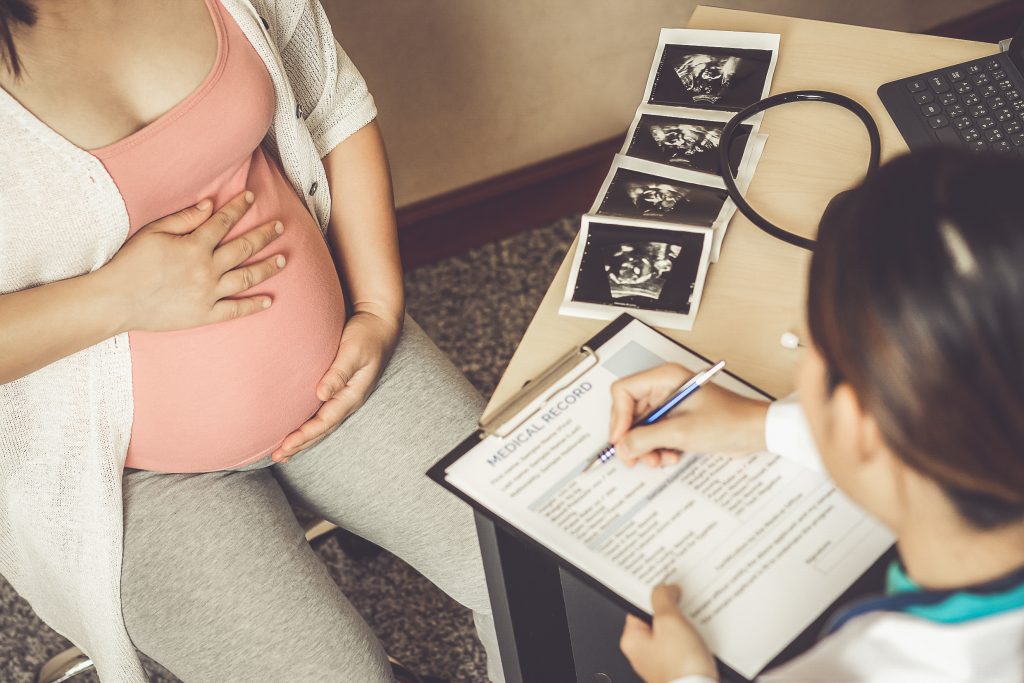
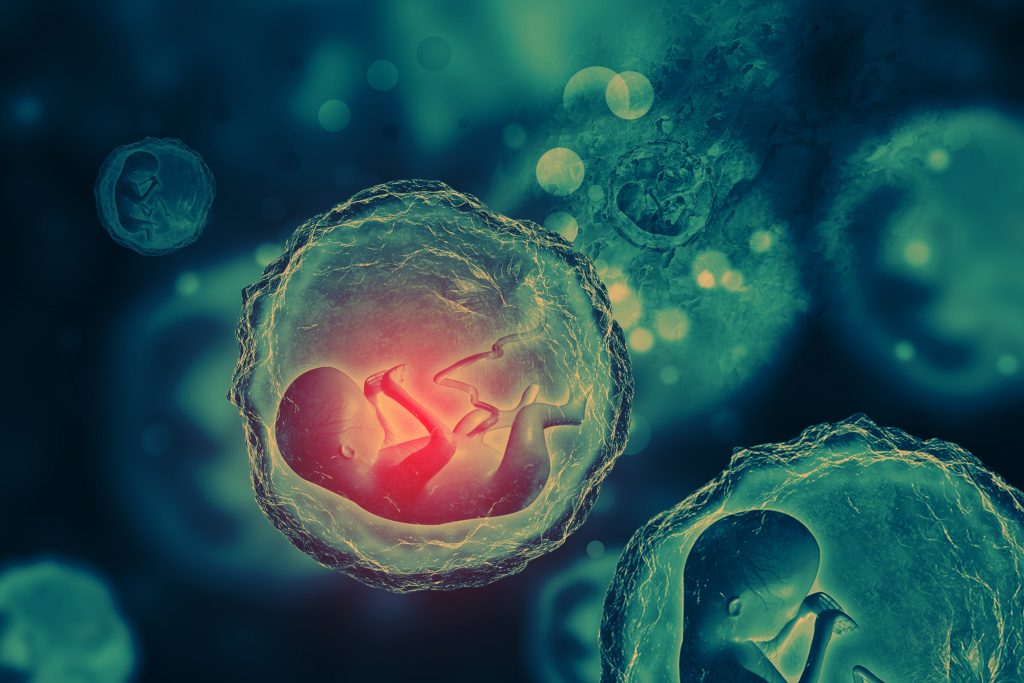
A gene therapy approach to boosting the placenta is safe in monkeys, according to a new, short-term study, bringing the potential treatment closer to improving birthweights of human babies and sparing them the complications of an early birth and developmental difficulties later in life.

In humans, placental insufficiency restricts the growth of developing foetuses and typically leads to premature delivery and extended stays in the neonatal intensive care unit.

“The placenta, although transient and typically discarded after pregnancy, is an organ that is so critical to ensuring healthy babies,” says Jenna Schmidt at the University of Wisconsin–Madison.

“Placental insufficiency contributes to poor nutrient and oxygen transport to the foetus and low birth weight, but there is currently no way to treat the placenta.”

A poor environment in the womb can also lead to problems in adult life, such as cardiovascular disease and neurocognitive developmental conditions, according to Schmidt. Risk factors for placental insufficiency can include high blood pressure, preeclampsia, diabetes and smoking, but in many cases placental insufficiency has no identifiable cause.

“If we can improve placental function to better support growth and development, could we extend those pregnancies to term with the outcome of healthier babies at birth and throughout their lives?” Schmidt asks.

University of Florida placenta research expert Helen Jones and her lab — with the help of AI platforms to identify targets for treatment — developed a nanoparticle loaded with a small strand of DNA that encodes for a human protein called IGF-1.

IGF-1 signalling is important for normal placental development. In pregnancies complicated by foetal growth restriction there are lower levels of this protein, contributing to smaller birthweights and the increased risk of adult diseases.

The researchers injected the nanoparticles into the placentas of pregnant monkeys and found that the DNA strands were successfully taken up and expressed in the animals’ placentas within 24 hours without harm to the animals or their developing foetuses and without signs of off-target effects.

“Our studies so far in mice and guinea pig models of placental insufficiency are very encouraging,” says Jones, whose work is supported by the National Institutes of Health’s Eunice Kennedy Shriver National Institute for Child Health and Development.

“And now, with this pilot study demonstrating no detrimental impact in normal non-human primate pregnancies, we are excited to continue to optimise and further target this therapy.”

Jones knew that to move the research toward clinical impact, safety studies were necessary in the rhesus macaque model of human pregnancy.

“This was the first study to test this treatment in macaques and it worked,” Schmidt says.

“The transgene was indeed expressed and there was no immune reaction from mom. We saw a signal of the transgene’s expression as far as 10 days after treatment, which was really encouraging. Maybe that could translate into a nanotherapy infusion every two weeks in humans after mid-pregnancy.

“That is usually when doctors see that the foetus is smaller than normal through ultrasound diagnoses. But there is a lot more work to do before we can move this into human trials.”

The researchers’ next step in rhesus macaques is to extend the therapy through the third trimester of pregnancy, and ultimately to measure the impact on mother and foetus through birth.

“Our goal is to improve placental function, extend pregnancies, and see more healthy babies and adults,” Schmidt said.
Pregnancy

Early miscarriage care could prevent 10,000 pregnancy losses a year, study finds

Published

on

Early miscarriage care after a first loss could prevent about 10,000 pregnancy losses a year in the UK, according to a new study.

The study by Tommy’s National Centre for Miscarriage Research and Birmingham women’s hospital involving 406 women found a 4 per cent reduction in the risk of future miscarriage for women on the graded model of care compared with usual care.

Women in England, Wales and Northern Ireland currently become eligible for specialised NHS care for early baby loss only after they have had at least three miscarriages.

Tommy’s has called for women to become eligible after one miscarriage, saying this could reduce the risk of future miscarriages and improve health outcomes for mothers.

Researchers said that would translate to 10,075 fewer miscarriages a year across the UK.

Kath Abrahams, chief executive of Tommy’s, said women were being “left without early access to services that could help prevent future losses and reduce the debilitating feelings of isolation and hopelessness that we know affect so many who experience pregnancy loss”.

She said: “Our pilot study indicates that providing support after a first miscarriage, with escalating care after further losses, is not only effective but achievable without significant additional workload for NHS teams who are already working extremely hard to deliver good care.

“Put simply, it is the right thing to do. We will do all we can to drive that change across the UK so that more women and families are supported after every miscarriage.”

The graded model of miscarriage care proposed by Tommy’s is already available in Scotland, and the charity is calling for it to be introduced across the whole of the UK.

The graded model includes nurse-led support after one miscarriage, with advice on reducing risk factors such as low vitamin D, folic acid intake, alcohol consumption and caffeine use.

Women who received the specialised care were 47 per cent more likely to have a risk factor identified and receive relevant advice to help prevent future miscarriages than women receiving usual care, the study found.

Among women who had experienced two miscarriages and received the specialised care, one in five were found to have thyroid dysfunction or anaemia, both conditions that can affect pregnancy outcomes.

About one in four pregnancies ends in miscarriage, most often within the first 12 weeks of pregnancy.

The report comes ahead of the long-awaited final findings of the government’s investigation into maternity care in England. Interim findings uncovered a range of failures, including claims that NHS hospitals that caused harm to women and babies during childbirth often resorted to a “cover-up” of their mistakes, falsified medical records and denied bereaved parents answers.

Women’s health minister Gillian Merron said: “Pregnancy and baby loss can have a devastating impact on women and families, who too often feel they have been left without the care and support they need.

“I welcome the findings of this important report, and this will be carefully considered as part of our ongoing work to make sure women get the high-quality, compassionate NHS care they deserve.”

Continue Reading

Pregnancy

Home blood pressure checks could lower heart risks for new mothers – study

Published

on

Home blood pressure checks after hypertensive pregnancy could cut the risk of heart attack, stroke and potentially early death, research suggests.

Women who regularly monitored their blood pressure in the weeks after giving birth, and had doctors tailor their medication if needed, had better functioning arteries nine months later than those who received routine care.

When the medication was adjusted to account for blood pressure changes, the women ended up with less stiff arteries, an effect researchers estimated could reduce the future risk of heart attack or stroke by 10 per cent.

Paul Leeson, professor of cardiovascular medicine who led the study, said the findings suggested that the weeks after birth provided a “powerful and often overlooked opportunity” to protect women’s future health.

“By simply monitoring blood pressure at home, new mothers with hypertensive pregnancies can protect their bodies from future damage,” he said.

High blood pressure, in the form of gestational hypertension or pre-eclampsia, where there are signs of organ damage, affects 5 to 10 per cent of pregnant women.

The condition can damage the mother’s organs and endanger the baby’s life.

Beyond the immediate threat to mother and baby, hypertension in pregnancy can raise the risk of long-term problems, with women three times more likely to develop high blood pressure and twice as likely to have heart disease later in life.

The Oxford team recruited 220 women who developed hypertension in pregnancy. All were on blood pressure medication but were due to reduce their dosage and eventually stop taking the drugs.

In the study, 108 women had standard care in which their medication was reduced based on a few blood pressure checks in the eight weeks after giving birth.

The remaining 112 women used a monitor to check their blood pressure at home each day.

They entered the readings into an app shared with doctors who, if needed, changed their medication day to day, with the aim of giving them better control of their blood pressure.

The new approach led to much better control of the women’s blood pressure, and in tests six to nine months later the women had less stiff arteries.

Stiff arteries are less effective at expanding and contracting, which can drive high blood pressure and ultimately the formation of clots that can block blood vessels and cause heart attacks and strokes.

Trials are now under way to find effective ways of rolling out blood pressure monitoring to women after hypertensive pregnancies. One option is for specialist NHS clinics to deliver the care.

Dr Sonya Babu-Narayan, clinical director at the British Heart Foundation, which funded the work, said the results highlighted a crucial window after birth when paying close attention to blood pressure could help protect women’s heart health for years to come.

“We now look forward to seeing results from larger studies with longer follow-up to see how this might save women’s lives,” she said.

Continue Reading

Pregnancy

More than half of women with gestational diabetes face harmful stigma, research reveals

Published

on

More than half of women with gestational diabetes report stigma from healthcare staff, family, friends and wider society, new research shows.

A survey of 1,800 UK women found widespread emotional distress at diagnosis of the condition, a form of high blood sugar that develops during pregnancy, with effects lasting beyond birth.

Gestational diabetes affects around one in 20 pregnancies in the UK, and the findings highlight the wider toll on women diagnosed with the condition.

The study was funded by Diabetes UK and led by researchers at King’s College London and University College Cork.

Dr Elizabeth Robertson, director of research and clinical at Diabetes UK, said: “Stigma can have a dangerous and devastating impact on pregnant women diagnosed with gestational diabetes, particularly at a time when emotions and anxieties may already be heightened.

“We know that stigma can lead to shame, isolation and poorer mental health, and may discourage people from attending healthcare appointments, potentially increasing the risk of serious complications.

“This research highlights the urgent need for better support systems, based on understanding and empathy to ensure no one feels blamed or judged during their pregnancy.”

More than two-thirds of women, 68 per cent, reported anxiety at diagnosis, while 58 per cent felt upset and 48 per cent experienced fear.

The psychological impact continued beyond birth, with 61 per cent saying the condition negatively affected their feelings about future pregnancies.

Nearly half of women, 49 per cent, felt judged for having gestational diabetes, while 47 per cent felt judged because of their body size.

More than 80 per cent felt other people did not understand gestational diabetes, and more than a third, 36 per cent, concealed their diagnosis from others.

Gestational diabetes stigma was also common in healthcare settings, with 48 per cent reporting that professionals made assumptions about their diet and exercise, and more than half, 52 per cent, feeling judged based on their blood glucose results.

Many women described a loss of control and a sense of disruption during pregnancy.

Nearly two-thirds, 64 per cent, felt they were denied a normal pregnancy, while 76 per cent reported a lack of control over their pregnancy.

More than a third, 36 per cent, felt abandoned by healthcare services after giving birth, and one in four, 25 per cent, continued to experience depression or anxiety postpartum.

Focus group participants described harmful stereotypes, including assumptions that they were ‘lazy’, had ‘poor eating habits’ or ‘lacked willpower’.

Comments from family and friends included remarks such as “should you be eating that?” and “you must have eaten too much, that’s why you have gestational diabetes.”

The researchers are calling for targeted interventions alongside structured emotional support for women during and after pregnancies affected by gestational diabetes, to improve both mental and physical health outcomes.

Professor Angus Forbes, lead researcher from King’s College London, said: “Stigma and emotional distress are far more common in women diagnosed with gestational diabetes than many realise.

“Everyday interactions, even with those who mean well, can deepen this harm, shaping women’s emotional wellbeing and the choices they feel able to make.

“It’s clear that meaningful action is needed to protect women’s mental and physical health.”

Risk factors for gestational diabetes include living with overweight or obesity, having a family history of type 2 diabetes, and being from a South Asian, Black or African Caribbean or Middle Eastern background.

Continue Reading

Trending

Copyright © 2025 Aspect Health Media Ltd. All Rights Reserved.

