




Data suggests millions of women in the UK aren’t being told their breast density, despite it being a risk factor for cancer.
New research, published during Breast Cancer Awareness Month, has revealed a stark lack of awareness around breast density among UK women.
Just under half (40 per cent) of women over the age of 40 have dense breasts —breasts with more fibrous or glandular tissue and less fat—with Asian women more likely to have dense breasts than women of other ethnicities.
While it is normal for breast density to vary from woman to woman, studies have shown that those with extremely dense breasts are four to six times more likely to get breast cancer than a woman with fatty breast density.

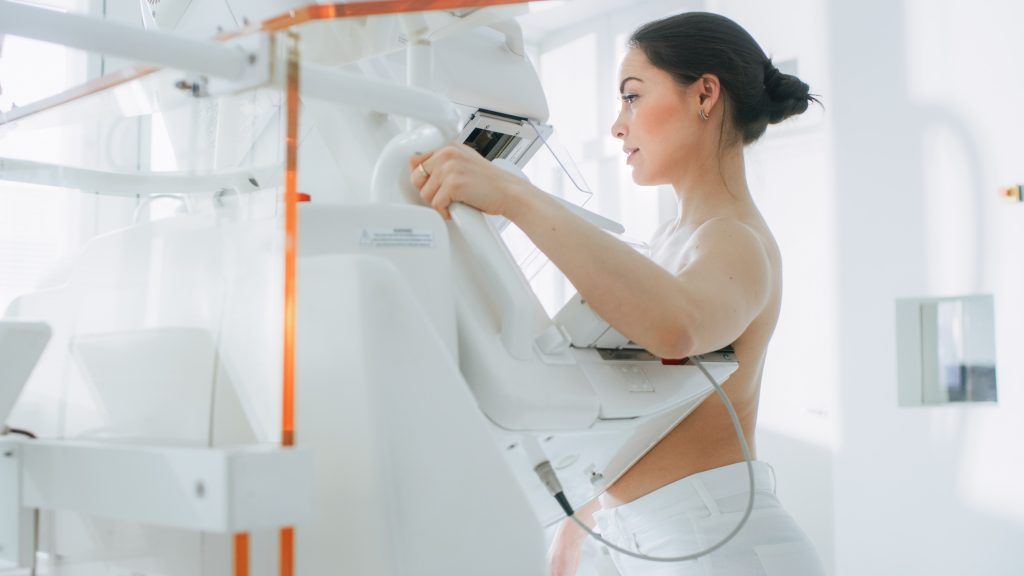
It is also understood that having dense breasts makes it harder to detect breast cancer through mammography, the standard screening method worldwide.
Breast cancer is the most common form of cancer in women globally, affecting around two million women every year, with over 56,000 new cases in the UK alone. Early diagnosis is key, with over 90 per cent of women surviving for five years or more, when it is diagnosed in the early stages.
But the new research, conducted by Bristol-based health tech company, Micrima, found that 86% of women in the UK (around 23.8 million) don’t know their breast density. In fact, they are six times more likely to know their childhood phone number.
The survey, conducted in partnership with Opinium, also revealed that two thirds (67 per cent) of women are unaware that having dense breasts makes it harder to screen for breast cancer using standard methods, with one in 20 (five per cent ) thinking it makes it easier, and one in six (16 per cent) believing it makes no difference.
Based on this, Micrima estimates that as many as four million women over the age of 40 in the UK have dense breasts and don’t know they are at greater risk of developing cancer.
“I had no idea I had dense breasts”
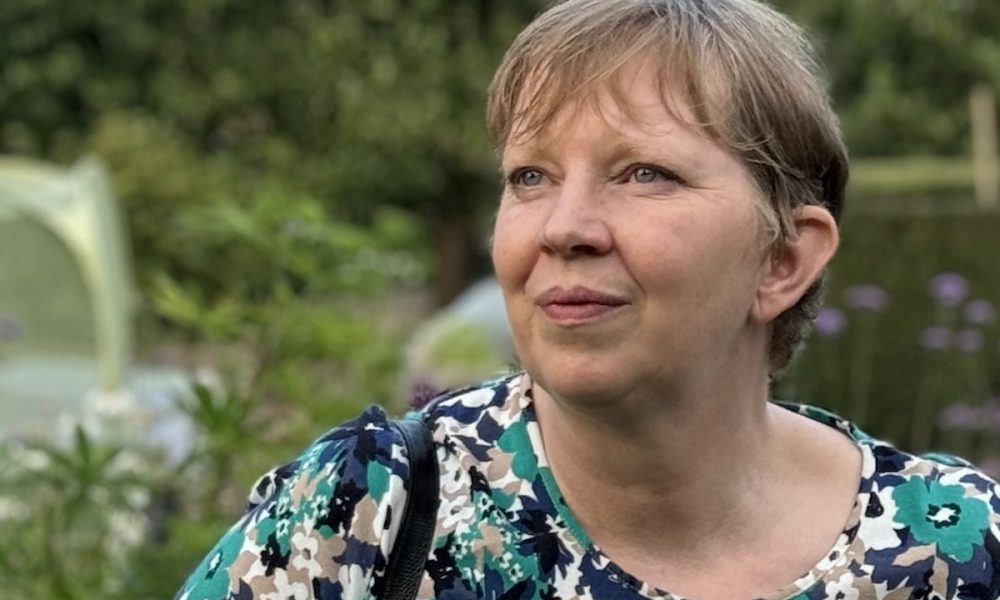
Clare Cowhig was one of those women. She was diagnosed with invasive ductal cancer in both breasts in 2018 at the age of 50.
Despite having a clear mammogram nine months previous, she booked a private ultrasound after becoming concerned about an unusual area on her breast.
Clare was told by the sonographer that she had “the densest breasts they had ever seen” and was questioned about why she hadn’t been having MRIs due to the reduced sensitivity of mammography to find tumours in dense breasts.
“Despite my significant family history of breast cancer, and having had mammograms annually since I was 41, I had no idea I had dense breasts, or why that was significant,” says Clare.

Clare believes her cancer could have been detected sooner.
“Unfortunately, after further investigation, it was confirmed I had an invasive ductal cancer in each breast. I had highly dense breasts and these tumours never showed up on my mammograms. One tumour was stage-three and over five centimetres, the other was stage two and two centimetres. I had further areas of ‘in-situ’ disease in both.”
Following the sonographer’s comments, Clare requested her hospital records and discovered that her dense breast tissue had been noted after each of her annual mammograms, yet the information was never shared with her. Now she believes that had she been aware of this, the cancer may have been detected sooner.
“If I had been told about my dense breasts, I would have sought additional screening,” she adds.
“I believe my tumours could have been found at a smaller and less advanced stage and I wouldn’t have had to endure such extensive treatment, including a double mastectomy.”
Lack of awareness is “deeply concerning”
Adrian Waller, CEO of Micrima, which has developed a specialised scanning technology to analyse breast tissue without the need for a hospital visit, described the lack of awareness in the UK as “deeply concerning”.
“Breast density is known within the medical community, but it is not part of the standard pathway for either breast cancer screening or symptomatic service,” Waller explains.
“Our medical services have not had the resources or capacity to provide the supplemental testing required to improve detection rates for women with dense breasts.
“This is compounded as currently the only way of measuring breast density is from a woman’s initial mammogram. Until the development of Micrima’s RF based device Mi~Scan®, there hasn’t been the technology available to measure breast density simply and effectively.”
Mi~Scan®, which has shown “strong initial results” in the clinical trial phase, is designed to analyse breast tissue quickly and painlessly— without ionising radiation— to help clinicians identify the right diagnostic test for cancer detection.
“We want women to be empowered with the knowledge of their breast density so they can be in greater control of their breast health,” continues Waller.
“We also want to support the medical and radiology communities to explore and build in density measurement within the breast screening pathway, enabling more efficient delivery of personalised diagnostic pathways.”

CEO of Micrima, Adrian Waller, is calling for government regulation.
Calls for government regulation
Awareness of breast density is thought to be higher in the US, where a new FDA ruling – introduced earlier this month – requires all mammography reports and results sent to patients to include an assessment of breast density.
Waller and others are also calling for similar regulation in the UK.
“We would like to see the Government regulate around women being told their breast density when they receive results from a mammogram – much like has happened in the States,” he adds.
“Ultimately, we would like women to have their breast density measured routinely at a community level, in order for GPs or Community Diagnostic Centres to create an individualised risk profile for each of their patients.”
“Lifting the lid” on breast density
Leslie Ferris Yerger, founder and CEO of the charity My Density Matters, was diagnosed with Stage IV breast cancer in 2017, just two months after a routine mammogram and ultrasound gave her the ‘ all clear’.
“Hidden by dense breast tissue, my cancer was left to grow and spread,” she says.
“Breast density is so important and Micrima’s research spotlights that we must do more to lift the lid on breast density and let women know why it matters. We need to empower women with knowledge so they can take ownership of their breast health. When we catch cancer sooner, the chances of survival are greater.”

Newsletter
Sign up for free weekly updates
The latest femtech news, research and investment, straight to your inbox.




