




Cancer
UK: Renewed call for millions to take up NHS breast screening invites

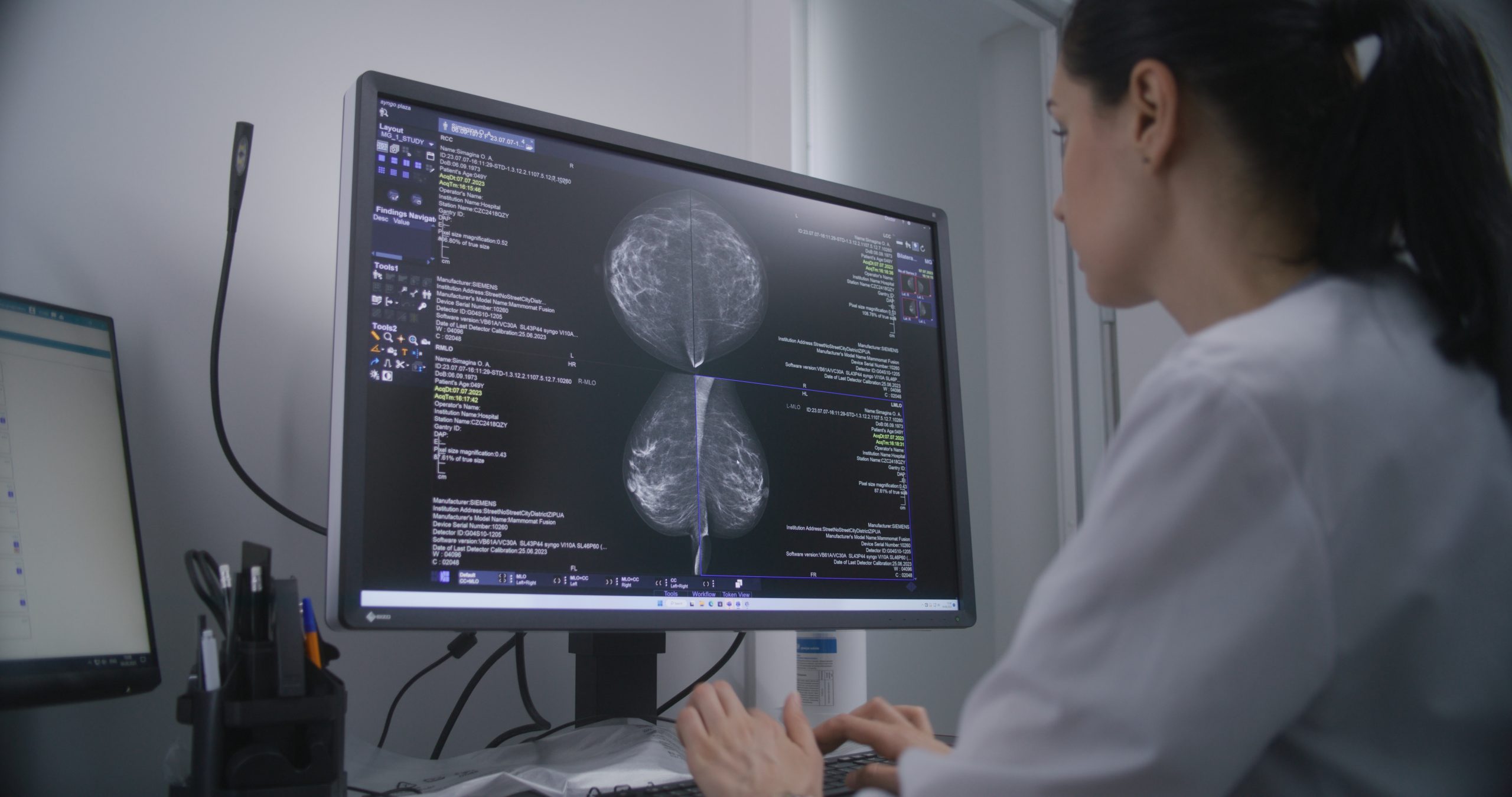
Women aged 50 to 70 across England are being urged to take up invitations to breast screening as the NHS redoubles its bid to reach millions of women not yet taking up the potentially life-saving offer.
Last year alone, NHS breast screening services detected cancers in 18,942 women across England, which otherwise may not have been diagnosed and treated until a later stage.
However, analysis of latest NHS data shows that between 2018/19 and 2022/23, a total of 8.59 million breast screening appointments were attended (within six months of invitation) out of 13.05 million invitations.
Despite rising uptake overall last year, the latest annual (2022/23) data shows more than a third of women (35.4 per cent) did not take up the offer of screening following an invitation, with 2.18 million eligible women not having had a breast screen in the last three years.
Around four in every 100 women screened are asked to come back for more tests after screening and offered care and treatment as required.
Of these four women, one will be found to have cancer, with screening preventing an estimated 1,300 deaths from breast cancer each year in the UK.
The NHS is renewing its call for anyone invited to take up the offer of breast screening to give the best chance of cancer being picked up and treated as early as possible to help give the best possible outcomes.
Dr Louise Wilkinson, NHS National Speciality Adviser for Breast Screening and Consultant Radiologist, said: “Breast screening saves lives by allowing cancers to be identified and treated earlier – in fact, discovering breast cancer at the earliest stage may give you a 98 per cent chance of surviving for five years or more.
“Screening can often pick up breast cancer before you can even see or feel any changes to your breasts yourself and your mammographer will do everything she can to make the experience as comfortable as possible for you, which is why I would urge anyone invited to take up the offer.”
As well as hospitals, screening is available in the wider community, for example through convenient mobile screening vans in supermarket car parks.
Under the NHS Breast Screening Programme, eligible women usually receive their first routine invitation for breast cancer screening between the ages of 50 and 53 and will normally be invited every three years until their 71st birthday.
However, NHS England is also asking women of all ages to be aware of their breast health and to know how to check themselves for cancer symptoms.
Being “breast aware” means being aware of how your breasts look and feel at different times, and crucially telling your doctor straight away if you notice any unusual changes.
It takes only a few minutes to do and can help spot breast cancers at an earlier stage.
Claire Rowney, Chief Executive at Breast Cancer Now, said: “These figures serve as a timely reminder, during Breast Cancer Awareness Month, that far too many people are missing out on the vital breast screening that saves lives from breast cancer.
“The stark reality is that thousands of women miss having their breast cancer detected each year.
“We look forward to working with NHS England to ensure breast screening services are accessible and convenient for everyone who is eligible.
“We encourage eligible women to attend their breast screening appointments when invited and to regularly check their breasts to get to ‘know their normal’ and get any new or unusual breast changes checked out by a GP, including between screening appointments.
“There’s no time to waste to save more lives from breast cancer.”



A vaccine trial will test whether an mRNA jab can help stop precancerous cells developing into bowel and ovarian cancer in people with Lynch syndrome.
The first stage is due to launch this summer and will assess whether the jab can train the immune system to recognise and eliminate precancerous cells before cancer develops.
Around 175,000 people in England have Lynch syndrome, but only five per cent, or around 10,000 people, know they have it.

The inherited condition increases the risk of developing bowel cancer by 80 per cent and is linked to around 1,100 bowel cancer cases each year.
Lynch syndrome is also linked to a far higher risk of bowel, womb and ovarian cancer, alongside other types including stomach, pancreatic, kidney and skin cancer.
While the syndrome does not directly cause cancer, the genetic changes can lead to more abnormal cells developing, which then multiply and increase the risk of cancers such as bowel, prostate and endometrial cancer.
It is caused by an alteration in a mismatch repair gene. Carriers do not have any symptoms.
The new Intercept-Lynch trial is part of a scientific collaboration between the University of Oxford and Moderna, while Cancer Research UK has backed the vaccine’s development.
Once patients receive the new mRNA-4194 jab, experts will analyse their immune responses, assess the best dose and check whether the jab is safe.
The second phase of the study will include multiple centres across the UK, including Oxford, and is expected to begin in 2027.
The aim of the trial is to train the immune system with a vaccine to recognise abnormalities and stop them developing into cancer.
Professor David Church, Cancer Research UK senior cancer research fellow in the University of Oxford’s centre for human genetics and lead investigator of the trial, said: “People with Lynch syndrome are at risk of cancers over their entire lives.
“So, it’s very common, for instance, a woman to have a first cancer of her womb, and then some years later have a bowel cancer, or vice versa.
“The targets we’ve chosen for the vaccine were chosen based on their sharedness across multiple cancer types in Lynch syndrome, so we think they should provide broad protection, if the vaccine works.”
In people with Lynch syndrome, mutations can build up, making the cells containing them more likely to turn into cancerous cells.
However, those mutations can be made visible to the immune system and, with enough stimulation, the immune system can attack the abnormal cells and stop cancer from forming.
Professor Church said the mRNA jab acts as “an instruction manual” for the body to attack precancerous cells.
He added that, as with many vaccines, patients may need a booster jab at some stage.
On whether similar approaches could help prevent cancers not caused by Lynch syndrome, Professor Church said: “In terms of proof of principle that we can train the immune system to recognise these cancer-associated alterations and enhance the immune response against them to prevent these pre-cancers or prevent the progression of pre-cancer to cancer, that proof of principle should give us insights that are generalisable.”
David Berman, chief development officer at Moderna, said: “By applying mRNA technology earlier in the patient journey, we aim to harness the immune system when it can have the greatest impact.
“We are proud to bring this innovation to the UK, building on our long-standing collaboration with leading UK institutions to advance mRNA research and development.”
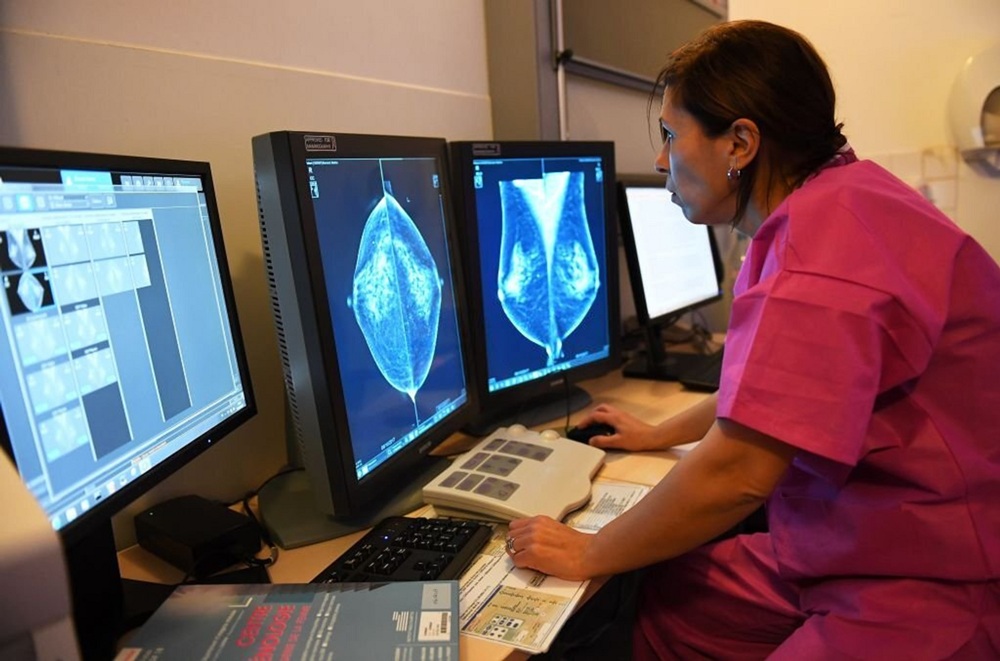
Changes in lymph nodes may help show which breast cancer patients face higher or lower risk of the disease spreading, researchers have found.
The findings could support more tailored care, new treatments and help more people avoid unnecessary treatment.
Dr Simon Vincent is chief scientific officer at Breast Cancer Now, which funded the research:
He said: “These findings suggest that changes to the structure of the lymph nodes are more than just a consequence of the cancer. They can also play an active role in helping breast cancer progress.
“With one person tragically dying from breast cancer every 45 minutes in the UK, we urgently need research like this so that we can better understand who is most at risk of their cancer progressing and becoming incurable. Only then we can find ways to stop it.
“With a better understanding of how lymph nodes change as breast cancer spreads, we could find new targets for future treatments for types of breast cancer that are harder to treat.”
Lymph nodes, a key part of the immune system, help the body fight infections and cancer. In breast cancer, the lymph nodes in the armpit are often the first place the disease spreads to.
At the moment, everyone with invasive breast cancer has to undergo surgery to remove lymph nodes so doctors can check for cancer cells.
Invasive breast cancer means cancer that has spread beyond where it first developed in the breast into nearby tissue.
While this is effective, it can lead to long-term side effects such as swelling of the arm, known as lymphoedema, and may be unnecessary for some patients, particularly those with early-stage disease or those whose cancer responds well to treatment.
The study analysed 331 lymph node samples from people with different types of breast cancer and compared them with healthy lymph nodes from people free from the disease.
It found that breast cancer could change the structure of a network that supports the lymph nodes.
Crucially, some of these changes could occur before doctors were able to spot any cancer cells in the network.
Some changes were linked to a better chance of survival, while others were associated with a poorer prognosis.
Dr Amy Llewellyn and Dr Kalnisha Naidoo from King’s College London, together with professor Sophie Acton at University College London, compared the 331 samples with healthy lymph nodes in people free from the disease.
They looked at fibroblastic reticular cells, known as FRCs, a group of cells in lymph nodes that provide their structure, control fluid flow and activate different immune cells.
The study showed that the structure of this FRC network could change before the cancer had spread and differed depending on the type of breast cancer, any spread and whether someone had received chemotherapy.
Chemotherapy uses medicines to kill cancer cells or slow their growth.
The researchers said the findings could help doctors better understand who is most at risk of breast cancer spreading.
Dr Llewellyn said the first large-scale analysis of FRC in human lymph node tissue from breast cancer patients was addressing the “urgent need” for a better understanding of the area’s biology.













 Menopause4 weeks ago
Perimenopause misinformation ‘putting women at risk’

 Entrepreneur3 weeks ago
Women’s Health Innovation Summit opens submissions for 2026 Innovation Showcase

 Insight2 weeks ago
British women among angriest in Europe, health survey reveals

 News3 weeks ago
Women still being failed when they reach menopause, experts say

 Menopause3 weeks ago
Sweden eyes domestic production of oestrogen patches amid menopause treatment shortage

 News3 weeks ago
Three menopause innovators shortlisted for Femtech World Award

 News1 week ago
Femtech World Awards 2026: Winners revealed

 Menopause2 weeks ago
Apple Health adds menopause and perimenopause tracking