




Motherhood
Expert insight: A NHS midwife reviews the Ardo Melia wearable breast pump
By an NHS midwife

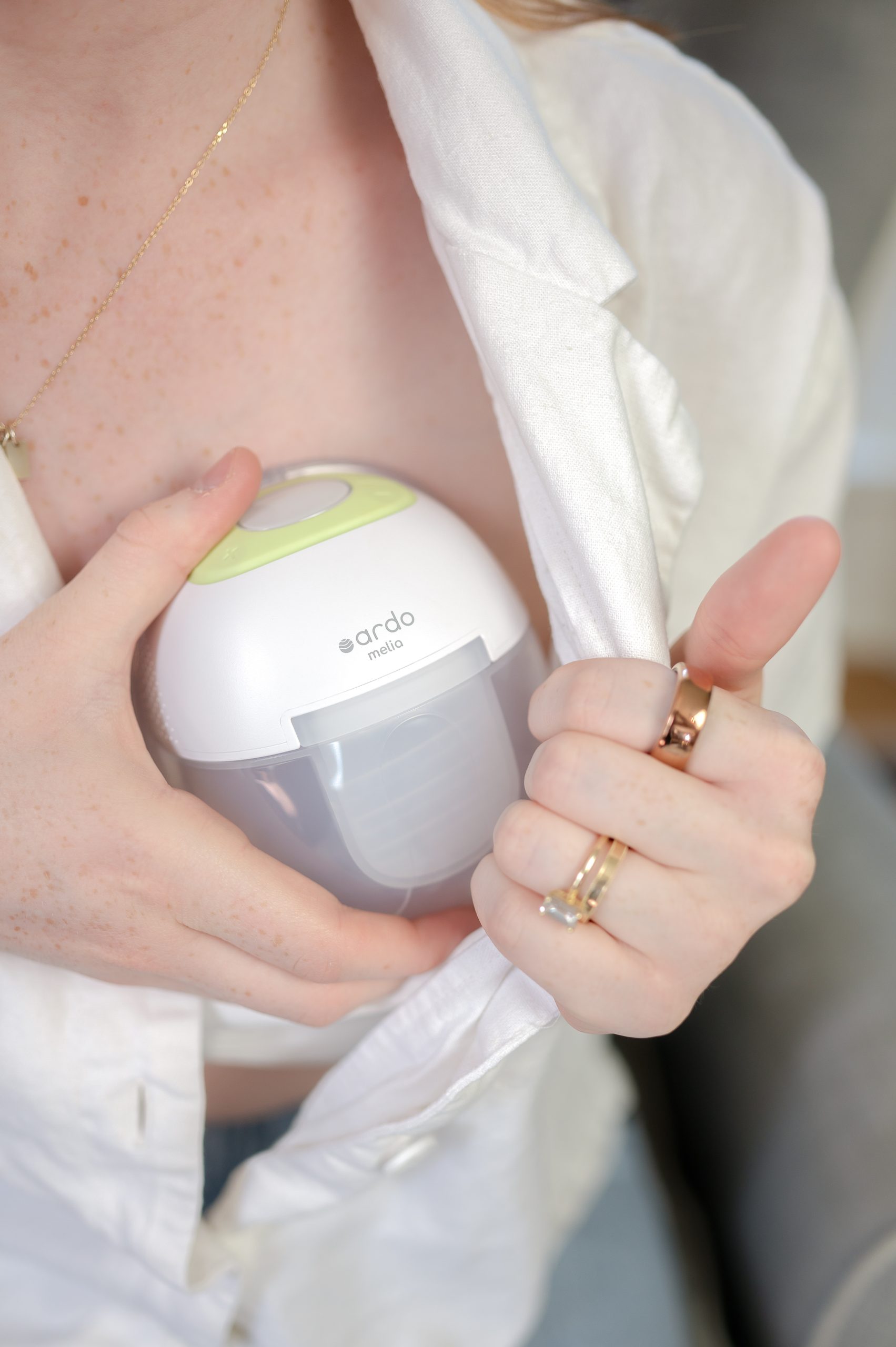
I was fortunate to have the amazing opportunity to be gifted the new Ardo Melia double breast pump in return for an honest review of the product.
As a midwife I am aware of the multiple brands available and how confusing it can be to know which product to go for and more importantly that everyone is different in terms of what works for them.
I know this all too well as I am now on my 2nd breastfeeding/pumping journey with my second child.
My first breastfeeding journey was not plain sailing as I found a lot of products didn’t work for me as I was faced with many barriers from struggling to find a good fit for my breasts, to being unable to pump a consistent good milk output without causing pain and discomfort.
For this reason, I was determined to find something this time that worked for me that made pumping easier being a busy mum of two.
Therefore, when Ardo was willing to give me this opportunity, I was very eager to try one of their products due to their good reputation.
However, my review is not influenced in any way by this and is my honest and personal opinion on my experience using the pump.
First Impressions
The delivery of the product was amazing as I received it the following day which I believe is important considering how essential these products are to the user.
One of my initial discoveries when opening the box is that it was well packaged and there were the nipple sizing cut outs are on the inside of the box itself which is a genius idea, making it easier to find the right size for you (as this is not something that I have found to be provided with alternative products).
You immediately get a sense that they care about the consumer and want you to get the most out of the product.
Out of all the pumps I’ve used this is the first one I’ve come across with this included as most others require you to source this yourself.
I personally didn’t require it as I already did know my size and had ordered the inserts to use alongside the pump but its good tool for someone who might be struggling.
Another massive bonus is you get a double pump as standard, meaning you don’t need to purchase two pumps separately.
The product itself is very compact, lightweight and attractive looking, with the parts being very high quality and very easy to put together.
Everything you need comes with the pumps including bra extenders which I found very useful and was a nice touch.
The pumps do come with 24mm breast shields and 19mm inserts which again is excellent to receive as standard, my only suggestion would be to include an option for the consumer to be able to choose the size insert at purchase rather than just receiving the 19mm, as for some people like me, an additional set would need to be purchased for it to be useful.
Using the pump
The pump is very easy to use and has a good variety of settings for you to find a mode that works for you.
I found I did have a few teething issues with getting the pump to work for me but the customer service team are absolutely fantastic, providing me with lots of support and guidance which allowed me to get the most out of the pump and did rectify the issues I was having.
It also made me more aware of how much the environmental elements and stress levels can contribute to the success of a pumping session regardless of equipment.
My historical experiences of wearable breast pumps in particular was very poor, and I gave up with them during my 1st journey, but much to my surprise the Melia has been a game changer for me.
They are relatively easy to put together and use, with the hardest aspect being to ensure your nipple is centred correctly, but once you have used a few times this soon becomes second nature.
The seal is excellent, and I have had no issues at all with leaking during use, even when doing light housework which gives you the ability to be mobile whilst pumping if required.
Whilst wearing them they are so comfortable thanks to the silicone shield which fit my breast more naturally, and I feel this added to the overall comfort during the pumping session, to the point where at time I couldn’t even tell they were on in some instances.
The vacuum power is powerful but also so gentle at the same time further adding to the comfort level.
The pump is also very customisable to the user allowing you up to 15 adjustable vacuum levels; having this function allowed me to easily find a level that was comfortable and most effective for me.
The pumps LED display is very user friendly giving you useful information including the mode and how long you have been pumping.
The buttons are located at the top of the pump making it very easy to switch and change modes as required.
The pump does have a 20 minute cut off function; this is probably one of my least favourite functions and it would be better if this could be switched on and off, as I found that I often had to pump for at least 30 minutes to get my desired output meaning I had to frequently had to turn it back on which was a little frustrating.
However, the pump does remember what setting you were using prior to shutting off so it’s very quick to resume the pumping so it isn’t the end of the world.
The pump can be used discreetly and is relatively quiet, fitting nicely into your bra.
The battery life is good and allows you to get multiple pumps out of a single charge.
One of the worst parts about pumping is the cleaning and sterilizing but the Melia is very compact and easy to clean which makes it even more appealing.
Finally, once you have finished pumping there is a little pouring spot at the top of the shield which is very handy and stops you from spilling any milk.
Overall if you want a pump that is powerful yet comfortable, easy to maintain and most importantly portable and discrete, then I would definitely recommend the Melia.
The pump has changed my perspective on wearable breast pumps as I’ve finally found one that works for me, but it has also changed my whole opinion on pumps in general, due to the quality of Ardo’s products and how comfortable their pump is compared to others I’ve used in the past.
Going forward Ardo will always be my go-to as the whole experience has been such a positive one and I also feel they go the extra mile for the consumer whether that be via email, phone calls or even through there wide range of video resources on their website.
Looking at the cost I feel the pumps are very affordable considering the high standard you are getting and even replacement parts/ accessories are very affordable compared to other brands on the market.
Thank you again Ardo for this amazing experience and for making my breastfeeding and pumping journey this time around a better one.


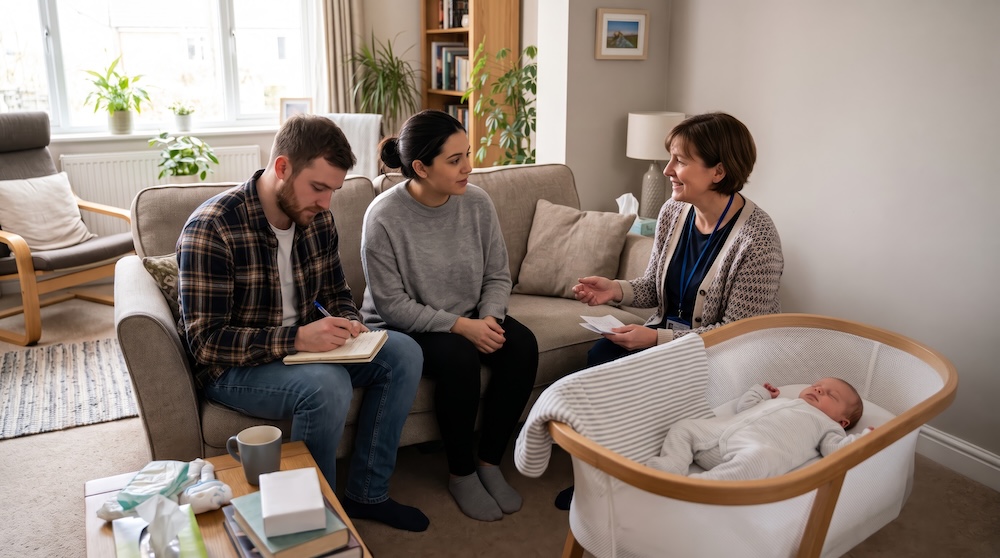
Health visitor support may help women who quit smoking during pregnancy remain smoke-free after giving birth, research suggests.
The BabyBreathe programme was designed to help women who stopped smoking before or during pregnancy avoid returning to smoking after childbirth.
The programme was funded by the National Institute for Health and Care Research and tested by a team led by the University of East Anglia.

Professor Michael Ussher of the University of Stirling’s Institute for Social Marketing and Health was a senior investigator on the study and led recruitment at two trial sites.
Ussher said: “This study is the first to show that an intervention focussing on support from a health visitor may help women avoid returning to smoking.
“These findings are important as many women stop smoking in pregnancy but then return to smoking soon after their baby is born.”
BabyBreathe provides one-to-one support from trained health visitors alongside digital tools, text message support, a dedicated website and app and a relapse-prevention kit sent to families after birth.
Women who received the intervention as intended, with support from trained health visitors, were significantly more likely to remain smoke-free 12 months after giving birth than those without health visitor support.
A total of 886 women from England and Scotland who had successfully stopped smoking before or during pregnancy took part in the large-scale randomised controlled trial.
Participants were randomly assigned to receive either BabyBreathe or usual care, which offered no advice or support aimed at preventing smoking relapse.
BabyBreathe was not delivered as intended to around one in five participants because of health visitor workforce pressures, missed appointments or administrative problems.
Health visitors provided tailored one-to-one advice and support to women in the intervention group towards the end of pregnancy and immediately after their baby was born.
The support included advice on alternatives women could try if they experienced urges to smoke again, as well as advice for partners and family members and access to digital resources including the BabyBreathe app and website.
A relapse-prevention kit was also posted to women immediately after their baby was born.
Support continued for up to 12 months after childbirth during routine health visitor appointments.
The intervention followed more than a decade of research and development involving women, families, health professionals and researchers who worked together to design, develop and test the support package.
Among participants who received the intervention as intended, 57.6 per cent remained smoke-free after 12 months, compared with 49.9 per cent of those receiving usual care.
Researchers said the findings suggest health visiting services could play a significant role in providing consistent relapse-prevention support and helping more mothers remain smoke-free after giving birth.
Lead researcher Professor Caitlin Notley, professor of addiction sciences at UEA’s Norwich Medical School, said: “Women of childbearing age who quit and stay non-smoking can reduce their risks of developing a smoking-related disease to almost the same level of risk as non-smokers.
“There are also great benefits for babies and children brought up by parents who do not smoke in avoiding exposure to second-hand smoke, and in helping to prevent the next generation from taking up smoking.
“Until now, health visitors had no training on smoking relapse prevention.
“This meant that when women had made the extremely important and difficult health behaviour change of quitting smoking during pregnancy, no one picked up on this and gave them positive praise and support.
“This new approach extends the intensive support for initially quitting smoking that pregnant women are offered, going one step further to help women to stay smokefree in the long term.”
Researchers noted several limitations that affected the primary analysis, including incomplete delivery of BabyBreathe and low engagement with some parts of the programme.
The participant group was also more highly educated and less socioeconomically deprived than the wider population, which may have affected the programme’s overall effectiveness and limit how broadly the findings can be applied.
The Institute of Health Visiting worked with UEA on the BabyBreathe study.
Vicky Gilroy, director of innovation and research at the Institute of Health Visiting, said: “Health visitors and their teams are uniquely placed to support women in preventing smoking relapse as part of their universal offer.
“It has been a privilege to contribute to the BabyBreathe study and help develop the evidence of the importance of their role. The findings reinforce the need for all health visitors to receive training in this important area.”


A single day of inhaled psychedelic treatment may relieve postpartum depression symptoms, with effects lasting for a week, early research suggests.
Postpartum depression is a severe mood disorder that affects women after giving birth. Symptoms can include extreme sadness, anxiety, changes in sleep and eating habits and difficulty bonding with a baby.
The condition affects up to one in five mothers globally. If untreated, it can have lasting effects on a mother’s psychological wellbeing and a child’s cognitive development.
Standard antidepressants, including selective serotonin reuptake inhibitors, a common type of antidepressant, often take four to six weeks to start working.
They can also cause side effects including weight gain, nausea and sexual dysfunction.
The only medication specifically approved by the US Food and Drug Administration for postpartum depression is zuranolone. It works faster than standard antidepressants but requires a 14-day daily course and carries warnings about drowsiness.
Researchers are exploring psychoactive compounds as possible alternatives for faster relief.
Mebufotenin, also known as 5-MeO-DMT, is a psychedelic compound that acts on serotonin receptors in the brain. Serotonin is a chemical messenger involved in functions including mood, sleep and digestion.
Previous early-stage trials found that an inhaled synthetic formulation called GH001 produced very rapid antidepressant effects in people with treatment-resistant depression.
Lead authors Martin Johnson of St Pancras Clinical Research and Kristina M. Deligiannidis of the Feinstein Institutes for Medical Research investigated whether the treatment could safely help women with severe postpartum depression.
The trial assessed its safety, side effects and impact on maternal functioning. It was funded by GH Research, the company developing the drug.
Researchers enrolled 10 women aged 18 to 45. All had major depressive disorder that began shortly before or after giving birth and were at least four weeks postpartum.
Participants also had to score at least 28 on a standard depression questionnaire, indicating moderate to severe depression.
Treatment was given on a single day using a specialised vaporisation system, with patients inhaling the medication from a collection balloon.
Doses were adjusted according to each woman’s response.
Participants first received 6mg. Those who tolerated the drug but did not experience a sufficiently intense psychoactive effect could receive 12mg one hour later, followed by 18mg after another hour if needed.
Researchers used a specialised scale to assess the intensity of the psychedelic experience, including feelings of losing control and how profound the experience felt.
Further doses were stopped once participants reached a predefined score.
Patients were monitored for changes in vital signs, psychiatric symptoms and overall comfort.
The psychedelic effects lasted for an average of around 20 to 25 minutes after each dose.
Participants also had to arrange for a trusted adult to care for their baby while they received treatment.
The main measure was the change in depression scores between the start of the study and day eight. Researchers also measured symptoms two hours after the final dose and on day two.
Four participants were lactating, allowing researchers to test their breast milk and assess how quickly the drug was eliminated from their bodies.
All 10 women experienced at least a 50 per cent reduction in depression symptoms two hours after their final dose.
By day eight, average depression scores had fallen by around 96 per cent and every participant met the study criteria for remission, meaning they no longer met the clinical threshold for depression.
Participants also reported improvements in maternal functioning.
Scores on a questionnaire assessing psychological wellbeing, self-care and mother-child interaction improved by around 56 per cent by day eight, with gains seen across almost all areas measured.
No serious adverse events were reported.
The most common side effect was mild to moderate headache, experienced by five of the 10 women.
The treatment did not cause lingering sedation and all participants were able to return home on the day they received it.
Among the four lactating women, levels of the drug and its byproducts in breast milk peaked around one hour after the final dose and fell below detectable levels after about 10 hours.
Researchers said this suggests mothers may only need to pause breastfeeding for a relatively short period on the day of treatment, although further research is needed before firm clinical recommendations can be made.
The trial was open-label, meaning both participants and researchers knew the active drug was being given.
There was no placebo comparison group, making it impossible to rule out the possibility that expectations about the treatment influenced the reported improvements.
The sample was also small and lacked demographic diversity, with nine of the 10 participants identified as white.
Almost none of the women were taking other psychiatric medications during the trial, meaning the findings may not reflect how a broader and more diverse group of mothers with postpartum depression would respond.
Researchers followed the women for only one week after treatment, leaving questions about how long the antidepressant effects may last.
Future studies will need to follow patients for several months to assess whether depression returns or additional doses are needed.
Larger trials will also need to randomly assign participants to receive either the active treatment or a placebo.
These studies will be needed to confirm the treatment’s safety and determine whether the drug itself is responsible for the rapid reduction in symptoms.

One in eight mothers in England is now diagnosed with gestational diabetes, after diagnoses of the condition rose by 60 per cent in just five years, according to a major study.
The research found that rates of gestational diabetes increased from around 8 per cent of pregnancies in 2018 to more than 12 per cent in 2022.
Gestational diabetes mellitus (GDM) develops when the body cannot produce enough insulin to regulate blood sugar levels during pregnancy.
It is the most common complication to occur during pregnancy and is associated with a heightened risk of preterm birth, emergency caesarean section, and babies being born either larger or smaller than expected for their gestational age.
The condition is also linked to longer-term health risks for both mothers and their children.
Laura Magee is professor of women’s health at King’s College London and co-investigator on the study.
She said: “Pregnancy outcomes for women with gestational diabetes are still worse than those for women without gestational diabetes.
“Further work is required to address how control of blood sugar and timed birth can address the excess of adverse pregnancy outcomes, compared with the general maternity population.
“Follow-up after birth is also essential, as women with prior gestational diabetes are at increased risk of cardiometabolic disease, including type 2 diabetes mellitus, but also high blood pressure and elevated blood cholesterol, starting within the first year after birth.”
For the study, researchers analysed routinely collected NHS maternity data covering more than 2.3 million mothers and around 2.8 million births across 184 hospitals in England between 2018 and 2022, making it one of the largest investigations of its kind.
The study uncovered marked inequalities in both the prevalence of gestational diabetes and pregnancy outcomes more broadly.
The sharpest rises in diagnoses were recorded among Asian women, among whom rates reached around 23 per cent, and among women living in the most deprived areas, where rates climbed to about 14 per cent.
The disparities extended beyond gestational diabetes.
Black mothers were found to be more likely to experience an emergency caesarean birth, women in deprived areas were more likely to give birth prematurely, and Asian mothers were more likely to have babies born small for their gestational age.
Among these higher-risk groups, researchers found that a diagnosis of gestational diabetes further compounded the risk of preterm birth.
Rising maternal age, increasing rates of obesity and improvements in how data is captured by the NHS are all likely to be contributing to the growing prevalence of the condition, the researchers said.
Notably, they found that changes to gestational diabetes screening introduced during the Covid-19 pandemic did not meaningfully affect the overall upward trend in diagnoses, suggesting the rise reflects genuine underlying changes in the population rather than shifts in testing practice.
The researchers said the findings pointed to an urgent need to strengthen maternity services and improve support for the women at greatest risk.
Experts said the findings also carried implications that extend well beyond pregnancy itself.
Dr Sonya Babu-Narayan, clinical director at the British Heart Foundation, said the study was part of a wider pattern of research using large-scale health data to uncover hidden risks.
“Big data research studies like this, which can now analyse millions of healthcare records, are uncovering a concerning rise in conditions which raise people’s chances of having a future heart attack or stroke,” she said.
“Gestational diabetes often goes away after pregnancy, but it can increase women’s risk of future cardiovascular disease.”
Dr Babu-Narayan called on healthcare professionals to routinely ask women about pregnancy-related risk factors, regardless of how long ago the pregnancy took place.
“Healthcare professionals who want to fully understand people’s risk of heart attack and stroke should routinely ask women about risk factors unique to them, such as diabetes or high blood pressure in pregnancy – even if that pregnancy was decades earlier,” she said.
“If you are a woman who has had diabetes or high blood pressure during pregnancy, it is especially important to attend health checks when invited.”











 News1 week ago
UK femtech investment surges 194% in a decade, research finds

 Entrepreneur1 week ago
TidalSense raises £14m to expand five-minute COPD test across NHS
 Wellness2 weeks ago
Cancer patient receives ‘landmark’ treatment in world-first

 News1 week ago
Cross-Border Impact Ventures raises US$58m for women and children’s health

 Insight2 weeks ago
Women urged to be wary of menopause misinformation on social media

 News1 week ago
Cultural stigma is a barrier to menopause help, black women say

 Motherhood2 weeks ago
One in eight mothers diagnosed with gestational diabetes, research finds

 Hormonal health1 week ago
Menstrual data is missing a critical layer: The mind
2 Comments