




News
Women in England “failed” by maternity services, says report
Significant changes need to be made to prevent more tragedies, England’s health ombudsman has warned

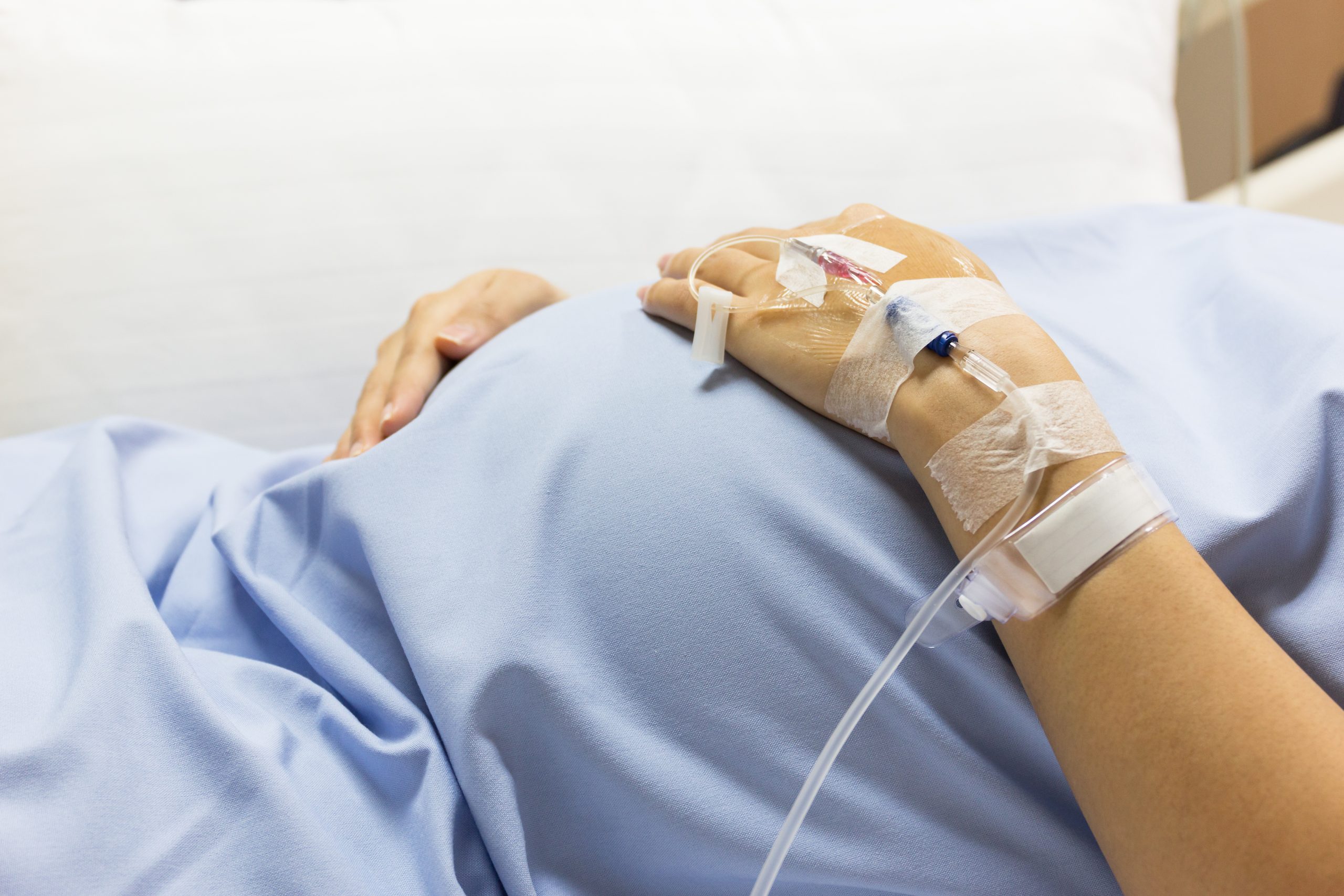
Too many women and babies are being put at risk as expectant and new parents are “repeatedly failed” by maternity services, England’s health ombudsman has said.
In a new report, the Parliamentary and Health Service Ombudsman has warned that despite a number of major reviews into maternity services, lessons are not being learned.
The report shines a spotlight on these failings by sharing the stories of women who have been affected by failures in maternity services.
It has found that repeated failings around communication, diagnosis, aftercare, and mental health support are still taking place, putting expectant and new mothers at risk.
One story shared in the report was from Patricia Michael who experienced bleeding during her pregnancy. No ultrasound scans were carried out to investigate the bleeding, the ombudsman has found
Staff also did not properly explain her delivery options or the induction of labour process.
After she had her baby, her placenta did not deliver naturally as it should. The placenta was removed manually, not in an operating theatre under anaesthetic, which meant a large part of it remained. This led to Patricia being in pain and needing two more operations to remove the rest of the placenta.
Staff did not explain or provide her with information about a haematoma on her baby’s head before she left the hospital which caused her distress.
“What happened to me should never be allowed to happen to anyone else,” said Patricia.
“It was a traumatic experience that affected me deeply and still does. All women should be able to trust the care they’re receiving is the best and that everything is being done as it should be.
“You should not be made to feel wrong when raising your own concerns. You know your own body. I hope that improvements are made so that no other woman has to go through what I did.”
The report also shares the story of Miss O, who was 21 weeks pregnant when she miscarried her daughter alone onto the hospital floor while in a labour ward.
PHSO found failings in the way her pain relief was managed, poor communication from staff about what to expect from a miscarriage at this stage of pregnancy and missed opportunities to check the progression of her miscarriage.
After Miss O left the hospital, the mortuary service failed to tell her the date of her daughter’s funeral, and the baby was buried without the family’s knowledge. The family were then given the wrong plot number for where their daughter was buried.
Parliamentary and Health Service Ombudsman, Rob Behrens, said: “These cases are extremely distressing. People should be able to trust that the care they receive during what should be one of the happiest times of their lives will be safe, effective, and compassionate.
“Sadly, this is often not the case. Failures in maternity care can have a devastating impact on women, their babies, and their families, and that impact can be long-lasting.
“Expectant and new parents are being failed right across the country, and very often in the same ways. The fact that we are still seeing the same mistakes over and over again shows that lessons are not being learned.
“This is unacceptable. There needs to be significant improvements and change.”
Complainants have told PHSO during the course of its investigations that they want to make sure their stories are heard.
“Everyone has the right to complain if they receive poor care,” Behrens added.
“I want to assure patients and families who have experienced something like this that their voice matters.
“One of the main reasons people come to the ombudsman is because they don’t want others to go through what happened to them.
“By sharing their experience, they can drive improvements to help stop mistakes happening again and make maternity services safer for everyone.”


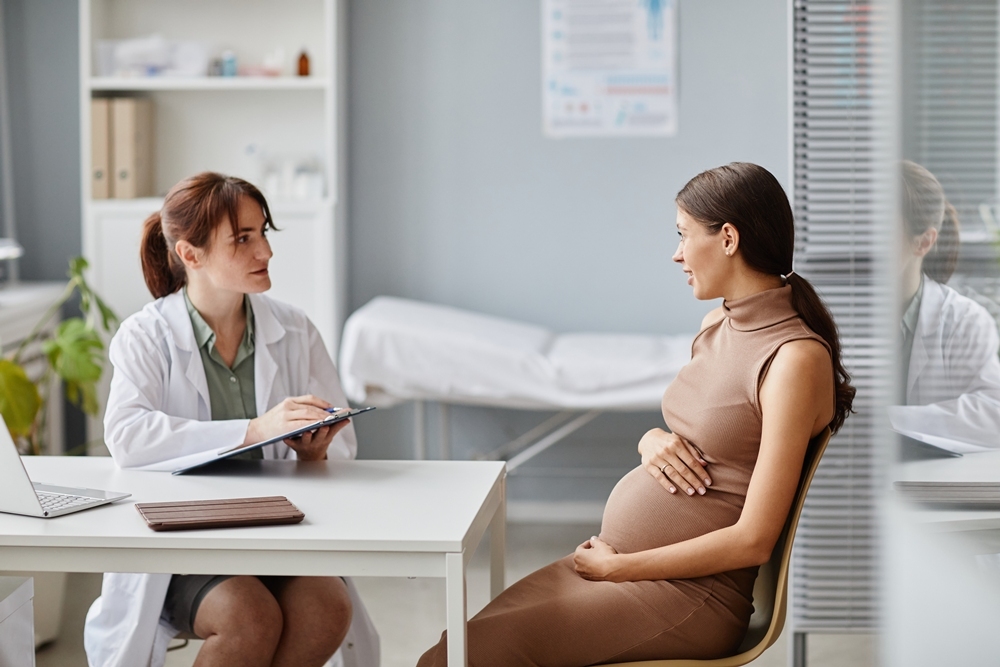
A preeclampsia study has found unusual cell activity in mothers and babies that could reveal new targets for treatment.
The condition affects 2 to 4 per cent of pregnancies worldwide and is a leading cause of maternal and foetal mortality.
There is currently no cure, and severe cases can put both the mother and baby at risk.

Scientists from UCL and University College London Hospitals found that stressed placental cells, poorly functioning blood vessels and an overactive immune response all contribute to the condition.
Preeclampsia causes high blood pressure during pregnancy. It can affect blood flow to the baby and cause symptoms such as swelling, headaches, blurred vision and pain under the ribs.
Without treatment, it can damage the mother’s health, slow the baby’s growth and, in severe cases, become life-threatening.
Previous research has focused only on the placenta, the organ that develops during pregnancy to support the baby’s growth, rather than the tissues around it.
The researchers said the findings could reveal new therapeutic targets, which are biological processes that future treatments could be designed to alter.
Senior author professor Sara Hillman, of the UCL EGA Institute for Women’s Health, said: “We studied individual cells from both the mother and the baby to see how their activity changes in healthy pregnancies compared with preeclampsia.
“This helped us to confirm some changes already suspected in the condition and also discover new ones.”
The team studied 20 pregnant women recruited at UCLH, including 10 with severe preeclampsia and 10 without the condition.
They used genomic testing to examine individual cells in the placenta and other tissues where cells from the developing baby and mother come into contact.
Genomic testing examines genetic information to help researchers understand how cells behave and the roles they may play.
The other tissues studied were the myometrium, the muscular layer of the womb, and the chorioamniotic membranes, which surround the baby during pregnancy.
The team compared cells from healthy pregnancies and those affected by preeclampsia at different gestational ages, meaning different stages of pregnancy.
They used technology that can read the genetic information of thousands of individual cells at the same time, allowing them to see what each cell was doing and where it was located in the tissue.
In preeclamptic pregnancies where babies were born prematurely, before 37 weeks, during the third trimester, placental cells showed signs of stress and low oxygen levels.
The cells also did not use energy in the normal way.
Some cells responsible for reshaping the mother’s blood vessels were not working properly, the researchers found, which may affect blood flow to the baby.
There were also signs of an overactive immune response in the placenta, nearby tissues and the mother’s blood.
The researchers said this response, together with other stress molecules released by the placenta, helps explain why preeclampsia affects the whole body and can become serious.
They hope the findings will help researchers find treatments for the condition and potentially save lives.
Co-lead author Dr Yara Sanchez Corrales, of the UCL Great Ormond Street Institute of Child Health, said: “These findings point to specific biological processes that could be targeted with treatments. Acting early in pregnancy, especially in more severe early-onset cases, could help improve outcomes and reduce the high risks associated with severe preeclampsia.
“We hope that our findings may set us on the path to reducing premature births and fatalities associated with preeclampsia.”
Co-lead author Mr Theodoros Xenakis, of the UCL Great Ormond Street Institute of Child Health, said: “Future studies may provide an even clearer picture of the biological changes linked to the disease by including more participants and using even more precise methods.”

A 20-year study of 66,892 postmenopausal women linked the Planetary Health Diet to lower cardiovascular disease risk.
Women whose eating habits most closely followed the diet had around a 28 per cent lower risk of cardiovascular disease than those in the lowest-adherence group.
Even moderate adherence to the diet was linked with a lower risk.
Donya Shahamati is a doctoral student in public health at the University of California, Irvine.
The researcher said: “Our results suggest that people may not need to follow a perfect or very restrictive diet to see potential heart-health benefits.
“This is especially important for postmenopausal women, because cardiovascular risk increases with age and tends to rise after menopause.”
The diet emphasises fruit, vegetables, whole grains, legumes, nuts and unsaturated fats, while limiting red and processed meats, added sugars, refined grains and saturated fats.
Postmenopausal women are those who have gone through menopause, when periods stop and hormone levels change.
Cardiovascular risk tends to increase with age and rise after menopause.
“Moving towards a more plant-forward, higher-quality diet can be accomplished through small, realistic changes,” said Shahamati.
“These changes might include filling half the plate with vegetables more often; using avocado or olive oil in place of butter; choosing oatmeal or whole-grain cereal for breakfast; or trying a meatless meal once per week.”
For the research, investigators followed 66,892 participants in the Women’s Health Initiative, a long-term national health study funded by the National Heart, Lung and Blood Institute at the National Institutes of Health.
All the women included in the analysis were free from cardiovascular disease at the start of the study, between 1994 and 1998, and had complete information about their diet and other important health and lifestyle factors.
Researchers used information collected through a food frequency questionnaire at the start of the study to calculate a Planetary Health Diet Index score for each participant. Higher scores indicated that a participant’s diet was more closely aligned with the Planetary Health Diet.
They then divided the women into five groups according to how closely their diets followed it.
The women were around 63 years old at the start of the study and were followed for about 20 years to see who developed cardiovascular disease.
When analysing the data, researchers adjusted for factors that could affect cardiovascular risk, including age, race and ethnicity, education, income, smoking, alcohol intake, physical activity, body mass index and total calorie intake.
“We did not only look at overall cardiovascular disease,” said Shahamati.
“We also looked separately at coronary heart disease, stroke and heart failure. This helped us see whether the pattern was similar across different types of cardiovascular outcomes.”
Overall, women whose diets were most closely aligned with the Planetary Health Diet had the lowest risk of cardiovascular disease.
They also had a lower risk of coronary heart disease, heart failure and stroke than women in the lowest-adherence group.
Moderate adherence was also associated with a lower risk, with each 10-point increase in the Planetary Health Diet Index score linked to a further reduction.
The researchers cautioned that, because the study was observational, it could not show that the diet directly caused the lower risk among women.
Observational studies identify links between factors such as diet and disease risk, but cannot prove that one caused the other.
The research team is now exploring other aspects of diet and health among older adults, including how diet quality changes over time.
The researchers said this information could help support healthy ageing and prevent chronic diseases.


A fertility startup has raised US$4m and will open its first lower-cost IVF clinic in West Palm Beach later this year.
It will offer a full IVF cycle, including medications, for US$8,995.
Around 12 per cent of American couples struggle with infertility, according to the company, but only 14 per cent of them receive IVF because of the cost.
A single IVF cycle costs an average of US$23,500, it said, with the cost nearly doubling if further cycles are needed.
Co-founder and chief executive Van Spina said: “We’re building ABC around a straightforward premise: IVF has become unnecessarily expensive, and many patients are priced out before they ever have a real chance to start a family.”
“This is personal for me. My fiancée and I went through IVF ourselves, including multiple failed cycles,” Spina continued, citing Jamie Rapp.
“That experience pushed me to build the kind of fertility company we wished had existed when we began treatment.”
The US$4m seed round was led by Wormhole Capital and Tower Research Ventures.
In a blog post, New York-based Tower Research described ABC as a new model for fertility care, praising its “evidence-based protocols, AI-assisted intake, and modern lab workflows.”
“When we met the team at The American Baby Company (ABC), we saw an opportunity to rethink how fertility care is delivered in the US from the ground up,” the post said.
Co-founder and chief medical officer Dr Paul Magarelli is a board-certified reproductive endocrinologist and one of the most prominent voices in the US on expanding access to fertility care, according to Tower.
Reproductive endocrinology is a branch of medicine concerned with hormones and fertility.
Magarelli developed the Clinical Fertility Physician certification programme, which trains generalist clinicians to deliver routine fertility procedures under specialist oversight.
Spina spent his early career as a technology investor at Warburg Pincus before founding an institutionally backed data business in private credit.
“We’re on a mission to become the place Americans go to start their families,” Spina said.
“Our 10-year goal is to help make 250,000 babies per year.”








 News2 weeks ago
New menopause drug approved for use by NHS in Scotland

 Hormonal health2 weeks ago
Stardust period tracker shares health data, study reveals

 News7 days ago
Zero Candida market set to reach over US$2 billion by 2030 – report

 Insight2 weeks ago
Women’s health draws record $1.55bn in equity as capital spreads beyond the mega-rounds

 Entrepreneur2 weeks ago
Onto Health acquires diagnostics software company Levy Health

 Insight2 weeks ago
Softening ovaries could extend fertility as women age, study suggests

 News2 weeks ago
Congress urged to invest over $20bn to close women’s health gap

 Wellness1 week ago
Nearly 60% of young women get health advice from influencers, research finds