




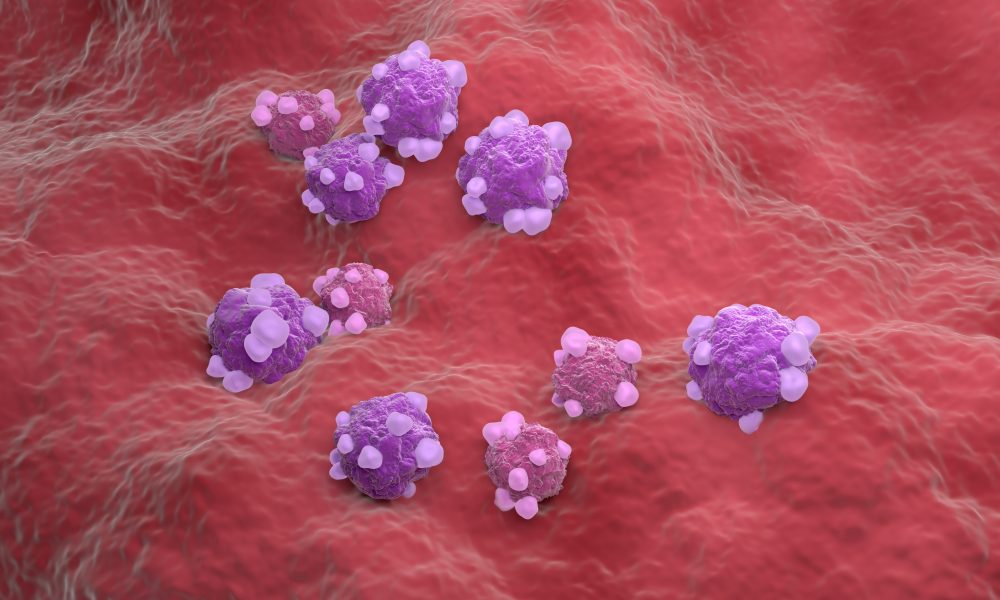
A combination of two drugs that can block the growth of cancer cells has shown promising results in women with a form of ovarian cancer that rarely responds to chemotherapy or hormone therapy.
Study findings show that in 115 participants with low-grade serous ovarian cancer, 31 per cent saw their tumours shrink or stop growing when taking a combination of avutometinib and defactinib. This is in comparison to a zero to 10 per cent response rate to chemo or hormone therapies in patients with the rare ovarian cancer. Both drugs are designed to block signals that encourage cancer cells to grow.
The new data also shows that only 10 per cent of patients discontinued the trial, demonstrating that the majority of patients could sustain treatment for longer and therefore receive more of the benefits of therapy. In most cases where some side effects affected everyday life, dosage management was employed to limit the impact on patients and ensure that they could continue with treatment.
Professor Susana Banerjee, research lead for the gynecology unit at The Royal Marsden NHS Foundation Trust and Professor in Women’s Cancers at The Institute of Cancer Research, London said: “These are significant results from the second phase of the trial. The toxicities for patients are much lower which means side effects are fewer than with some conventional treatments.

The combination of avutometinib and defactinib promises a new standard of care for people with recurrent low-grade serous ovarian cancer. We’re now looking to recruit patients for our phase three trial and hope results will continue to show better outcomes for patients.”
Responses in patients who had a mutation in a gene called KRAS were even more promising with 44 per cent of patients seeing their tumour shrink. KRAS is one of the most commonly mutated genes in cancer, found in one quarter of all tumors.
Until recently, KRAS-driven tumors were extremely difficult to treat due to their smooth surfaces, making it difficult for small molecules in treatments like chemotherapy to bond to the tumor.
The study will now go to a bigger randomised trial in order to directly compare its efficacy for patients with low-grade serous ovarian cancer against chemotherapy or hormone therapy.
However, clinicians are hopeful that this new drug combination will change practice globally for cases of low-grade serous ovarian cancer and most importantly improve outcomes for patients with limited treatment options.
The new results have led on from the earlier phase I FRAME trial, led by a team at The Institute of Cancer Research (ICR) and The Royal Marsden NHS Foundation Trust, which tested the drugs—called VS-6766 and defactinib—in 25 patients with low-grade serous ovarian cancer. Overall, nearly half (46%) of patients saw their tumors shrink significantly in response to the treatment.

Newsletter
Sign up for free weekly updates
The latest femtech news, research and investment, straight to your inbox.




