
Connect with us

News

Freezing treatment effective for breast cancer patients with large tumours- study

Cryoablation could dissipate tumours in breast cancer patients who are not eligible for surgery

Published

on

A technique that uses ice to freeze and destroy cancerous tumours has been proven effective for breast cancer patients with large tumours, providing a new treatment path for those who are not candidates for surgery.

Cryoablation is a minimally invasive treatment that uses imaging guidance such as ultrasound or a computed tomography (CT) scan to locate tumours.

An interventional radiologist will then insert small, needle-like probes into the breast to create an ice ball that surrounds the tumour, killing the cancer cells. When combined with hormonal therapy and radiation, patients can have nearly 100 per cent of their tumours destroyed.

If the tumours do grow, patients can be treated with cryoablation multiple times to control growth. The treatment has been successfully used to treat tumours smaller than 1.5 cm, but its effectiveness on larger tumours was not extensively demonstrated until now.

A new retrospective study assessed outcomes for 60 patients who underwent cryoablation because they were not candidates for surgery or refused surgery after consultation with a breast surgeon due to age, cardiac issues, hypertension, or currently undergoing chemotherapy for another cancer.
Their tumour sizes ranged from 0.3 – 9 cm with an average size of 2.5cm. Patients with tumours larger than 1.4 cm were treated with multiple probes. In a follow-up after 16 months, the recurrence rate was just 10 per cent.

“For patients who have larger tumours but can’t undergo surgery, this approach could be more effective than the current standard of care for patients who are not surgical candidates,” Dr Yolanda Bryce, an interventional radiologist at Memorial Sloan Kettering Cancer Center, explained.

“When treated with only radiation and hormonal therapy, tumours will eventually return. So, the fact that we saw only a 10 per cent recurrence rate in our study is incredibly promising.”

Bryce said surgery is still the best option for tumour removal, but there are women who, for various reasons, can’t have surgery.

“We are optimistic that this can give more women hope on their treatment journeys,” she added.

The researchers will continue to follow the patient cohort to collect data on long-term effectiveness and to better understand the impact that adjuvant therapies combined with cryoablation can have on this patient population.

To receive the Femtech World newsletter, sign up here.
Insight

75% of new mothers struggle with body image, study finds

Published

on

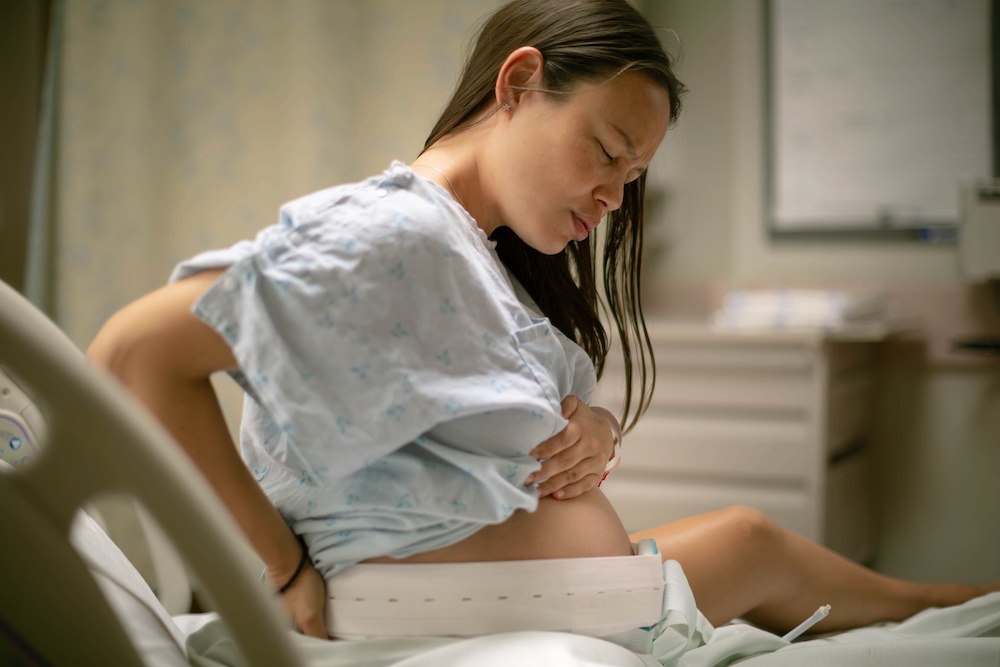
Up to 75 per cent of Australian women report concerns about their body image after giving birth, with many feeling pressure to “bounce back” to pre-pregnancy shape.

A review of 36 studies found these struggles are shaped by partners, families and cultural expectations, and that social pressure can even trigger eating disorders for the first time.

The analysis showed that social and interpersonal factors can either protect against or worsen body dissatisfaction and disordered eating during pregnancy and the first year after birth.

Researchers at Flinders University in Australia found that supportive partners and strong social networks help women feel more positive about their bodies, while unrealistic media portrayals and appearance-focused comments can cause harm.

Lead author Madeleine Rhodes, a PhD candidate at Flinders, said: “We wanted to understand how new and expecting mums are affected by the people and environment close to them when it comes to their bodies and eating habits.

“Whilst support from partners, family, friends, and healthcare professionals can help women feel better about their bodies, negative comments and social pressure to ‘bounce back’ make things worse.”

Protective factors included emotional and practical support from loved ones and clear, non-judgemental guidance from healthcare providers.

Risk factors included appearance-related comments, interpersonal abuse and pressure to conform to thin ideals. Some women reported that weight-related advice triggered distress, especially those with a history of eating disorders.

Healthcare professionals were identified as vital sources of reassurance, yet many women said conversations about body changes were absent or overly focused on weight.

Professor Ivanka Prichard, senior author, said: “The cultural obsession with ‘getting your body back’ is harmful and unrealistic.

“This is a public health issue with real consequences for mothers, babies, and families.

“By shifting the focus from individual responsibility to shared support, we can create healthier outcomes for everyone.”

Continue Reading

Events

The search continues for Femtech Company of the Year

Published

on

The third annual Femtech World Awards will celebrate the very best of women’s health innovation, recognising individuals and organisations helping to transform outcomes around the world.

The Femtech Company of the Year award recognises an outstanding company that is driving innovation, impact and growth in the femtech.

The winner will be a company that has demonstrated exceptional leadership in addressing women’s health needs through groundbreaking products, services or platforms.

The award celebrates organisations that are not only advancing women’s health but also shaping the future of global femtech.

The award is sponsored by Femovate – a catalyst for change in women’s health.

Femovate uses design to fuel innovation across every stage of a woman’s health journey, from proactive prevention to early detection and personalised treatment.

As the global femtech incubator, Femovate has invested over $2 million in design capital and work side-by-side with founding teams to launch market-ready solutions.

Collectively, the startups Femovate supports have raised $120 million, launched 30 products, and received seven FDA clearances, with more clinical studies underway.

The Femtech World Awards are free to enter, with winners and shortlisted entries receiving extensive coverage across all Femtech World platforms.

Winners will also receive a physical award and have the opportunity to be interviewed for the publication.

We encourage you to read about each category and enter / nominate via the form on the entry page.

Find out more about the Femtech World Awards and enter for free here.

Continue Reading

Insight

NICE recommends new age-based thresholds for ovarian cancer screening

Published

on

The National Institute for Health and Care Excellence (NICE) has proposed age-based thresholds for ovarian cancer screening to help identify women at higher risk earlier.

Previously, testing has used a blood test for cancer antigen 125 (CA125), a protein marker linked to ovarian cancer, with women showing 35 IU/mL or above referred for checks regardless of age.

Experts say this fixed threshold can miss cancers in older women while prompting unnecessary investigations in younger women.

In a draft update to guidelines, the NICE proposes more personalised criteria to reflect changing risk with age.

It adds that CA125 alone is not accurate enough to guide decisions for women under 40 and recommends ultrasound for those with persistent symptoms.

Eric Power, deputy director of the centre for guidelines at NICE, said: “The committee’s proposed recommendations will ensure more personalised, targeted testing, so women at greatest risk of ovarian cancer are identified and referred sooner.

“This tailored approach will mean GPs can make more informed decisions about which patients need urgent investigation, while reducing unnecessary ultrasound scans, freeing up NHS resources.

“These updates will ensure that our guideline reflects the latest evidence and will help improve the detection of cancer and ensure those who need it get swift treatment.”

The draft also proposes that people aged 60 and over with unexplained weight loss of more than five per cent over six months receive further investigation or suspected cancer pathway referral.

Amid rising hormone replacement therapy use in England, NICE also calls for more research into when unexpected bleeding while on HRT should trigger checks for endometrial cancer, which affects the womb lining.

There are an estimated 7,000 new ovarian cancer cases and nearly 4,000 deaths in the UK each year.

Only one in five patients are diagnosed early, when treatment is more likely to succeed.

Of those diagnosed early, 93 per cent survive more than five years, compared with 13 per cent diagnosed later.

Continue Reading

Trending

Copyright © 2025 Aspect Health Media Ltd. All Rights Reserved.