




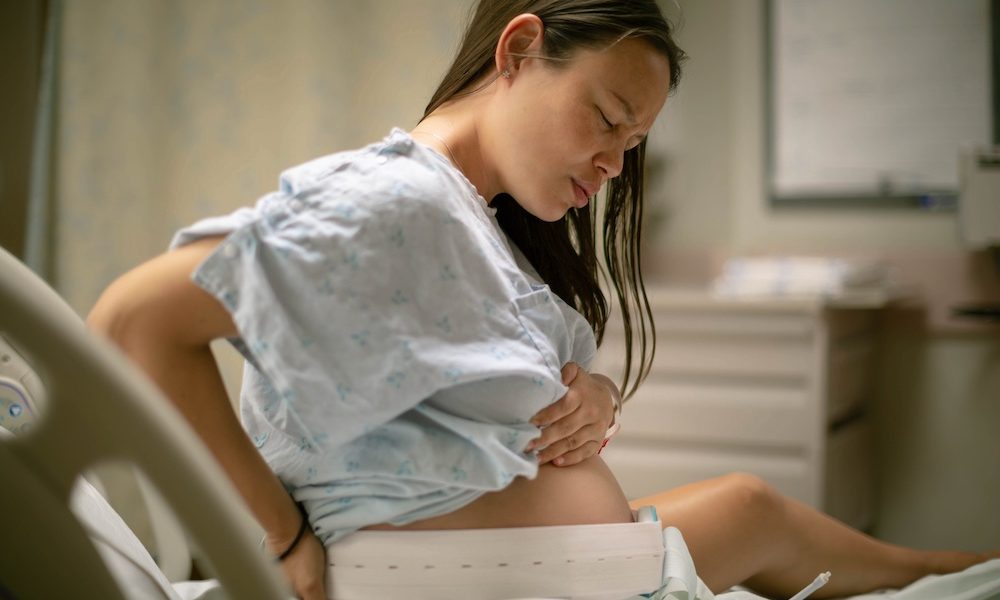
One study alone does not reverse a body of research, experts have warned, after a new paper has called into question the high maternal mortality rates in the US.
The report has challenged the scale of the maternal health crisis in the US, claiming that data classification errors have “inflated” maternal death rates for two decades.
It said that a change in the way pregnancy was noted on death certificates 21 years ago to improve the detection of maternal deaths led to “substantial misclassification” and an “overestimation of maternal mortality”.
Instead of the maternal death rate more than doubling since 2002, it has remained flat, the paper found.
However, experts have told Femtech World that blaming methodology differences around how mortality calculations are done ignores the harsh reality of what women giving birth in the US face.
“The reality is that mortality rates are a very narrow representation of the maternal health crisis in the US — they simply do not reflect the severity of the problem,” said Anu Sharma, founder and CEO of California-based maternity clinic Millie.
“Regardless of whether or not this specific data has been miscalculated, we undoubtedly have high rates of maternal morbidity, with nearly 50,000 near misses a year, as well as high rates of C-sections, preterm births, NICU stays and poor maternal mental health. On top of that, racial disparities for Black birthing people are significant, as this study continues to affirm.
“None of this is getting better in the face of the massive OB/GYN shortages we’re seeing nationwide, with labour and delivery unit closures happening daily.
“Reducing the US maternal health crisis to methodology differences around how mortality calculations are done, ignores the harsh reality of what mothers giving birth in the US face today.”
Dr Alison Cowan, OB/GYN and head of medical affairs at Mirvie, said: “The Centers for Disease Control and Prevention (CDC) and American College of Obstetrics and Gynecologists publicly disagreed with this analysis. The CDC specifically stated that they feel the paper underestimates maternal mortality.
“What no one is disputing is maternal health is in crisis and we need to devote more resources, not fewer, to solve these challenges.”
Dr Linda Genen, chief medical officer at ProgenyHealth, described the world of data analysis and reporting as challenging, and said that it is frequently hard to have consensus around methodology.
“The article and resulting statements by the CDC and ACOG are case in point. One study alone does not reverse a body of research,” she explained.
Regardless of the various reporting approaches, she said, the United States continues to have a problem that it should strive to solve.
“Having a stable maternal mortality number versus a rising maternal mortality number is not the key issue. The primary issue is that we have maternal death rates in a developed nation that is higher compared to other wealthy countries.”
Dr Sarah Oreck, reproductive psychiatrist and co-founder of Mavida Health, said what is inferred when evidence like this comes out is that maternal deaths are really not a problem. In reality, the findings paint a different picture.
“When you look under the hood of this study, the authors are arguing that maternal mortality only rose slightly over a 20-year period, but the trend that is hidden in those averages is a 17 per cent decrease in direct obstetrical deaths, from complications such as preeclampsia, corresponding with improvements in obstetrical care, but also a 45 per cent increase in indirect obstetrical deaths, from mental health disorders such as substance use and suicide, and a 329 per cent increase in late maternal deaths.
“These data points suggest that while we have been doing a better job of catching and treating physical disorders of pregnancy and birth in the last 25 years, our attention to mother’s mental health and the ongoing care of mothers following a delivery has been precipitously declining.”
Oreck said any movements towards better data collection should be celebrated but she warned that it is vital not to lose sight of how much still needs to change to better support mums and children.
To receive the Femtech World newsletter, sign up here.


Newsletter
Sign up for free weekly updates
The latest femtech news, research and investment, straight to your inbox.




