




Connect with us

News

Can biotech help close the fertility gap? Inside the race to improve egg quality

Published

on

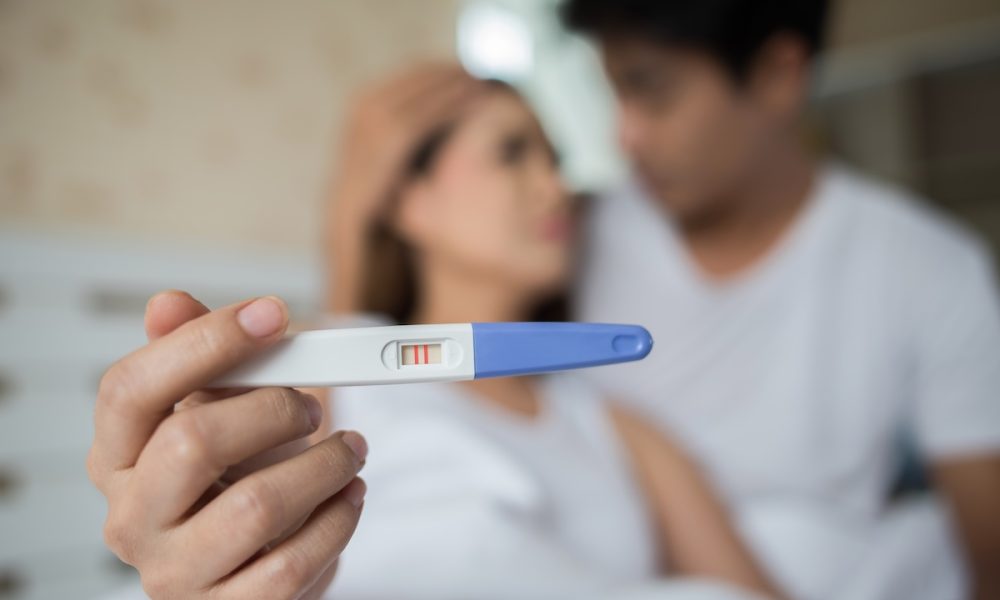
With delayed parenthood now the norm, a new wave of biotech innovators is targeting the root cause of rising infertility rates. Oxford-based startup U-Ploid tells Femtech World how addressing egg ageing could reduce the “age penalty” that currently defines fertility outcomes.

Infertility now affects an estimated one in six people worldwide, with the World Health Organization determining it to be a “major public health issue.” 

Across the OECD, the average age of first-time mothers has risen consistently over the past decades, driven by economic pressures, career progression, delayed partnership, and the availability of contraception. But human biology has not kept pace with this societal shift.

Egg quality declines sharply with age, beginning as early as the mid-thirties. It is this decline, not the body’s ability to carry a pregnancy, that remains the most significant factor behind falling conception rates.

IVF attempts to work around this challenge, yet even with technological advances, success rates remain modest. For women aged 18-34, birth rates per embryo transfer were around 35 per cent in 2022, dropping to five per cent by the age of 43-43.

“Fertility outcomes fall, not because the body is unable to sustain a pregnancy, but because egg quality declines with age,” Dr Alexandre Webster, co-founder and chief scientific officer at Oxford-based biotech firm, U-Ploid, tells Femtech World. 

“Most existing fertility treatments are limited in how directly they can address this biological constraint. While IVF has advanced significantly in helping clinicians identify embryos with the best chance of success, there are currently very few options to intervene earlier and improve the quality of the eggs themselves.”

Current fertility treatments tend to focus on hormonal stimulation to produce more eggs, improving embryo selection, or improving implantation rates through uterine optimisation. 

But none of these approaches address the root cause of age-related infertility, which is the egg’s declining ability to divide its chromosomes correctly.

This unmet need has set the stage for a new generation of reproductive biotech innovators, focusing on novel therapeutics, cellular engineering, AI-driven diagnostics, and biomarkers that could change how infertility is understood and treated.

A new frontier in fertility treatment

Among these innovators, U-Ploid is pioneering a new therapeutic category with Lyvanta, a first-of-its-kind drug aimed at improving egg quality by addressing the biological mechanisms of maternal ageing.

Central to its approach is meiotic aneuploidy, which occurs when chromosomes fail to separate correctly as an egg matures. This increases dramatically with age, Webster explains, and is the leading cause of failed IVF cycles, miscarriage, and natural infertility. Studies have shown that over 50–80 per cent of embryos from women in their early 40s exhibit chromosomal abnormalities.

Lyvanta is designed to reduce the risk of these errors at the egg stage, before fertilisation occurs. It is injected into the egg before IVF, where it acts to stabilise chromosome segregation during meiosis. 

“What makes this approach distinct is that, today, there are no approved or clinically available therapies that directly address meiotic aneuploidy or improve egg quality at its biological source,” Webster says.

“Lyvanta therefore represents a genuinely new therapeutic category. It does not act on embryos, does not alter DNA, and does not involve genetic modification. Instead, it supports a natural biological process that becomes increasingly error-prone with age.”

Evidence-gathering and regulatory engagement 

The programme is grounded in over a decade of global academic research in chromosome biology and maternal ageing, and U-Ploid has carried out mechanistic studies, preclinical validation in aged animal models, and tightly regulated human egg studies in collaboration with IVF clinics.

However, the drug is still in the early stages of development, and the company is taking a cautious, evidence-driven approach. 

Over the next one to two years, the research team will focus on building the scientific evidence needed to demonstrate clinical safety and efficacy. Meanwhile, regulatory engagement is ongoing, and timelines will depend on the outcomes of these studies.

“As with any new therapeutic, progress toward the clinic requires careful, stepwise evidence generation and regulatory review,” Webster says. 

“Our focus at this stage is on ensuring that any future progress happens within established scientific, ethical, and regulatory frameworks. We engage with regulators, clinicians, and patient stakeholders to understand expectations around safety, evidence, transparency, and consent, and to ensure that the questions being asked of a new reproductive therapeutic are addressed rigorously and appropriately.”

He adds: “Lyvanta will only move forward if it meets the required standards set by regulators and ethics bodies, and only following thorough evaluation.”

If successful, the impact could be considerable. Improved egg quality may mean fewer IVF cycles, more viable embryos, and overall better outcomes for patients.

“If a therapy like Lyvanta can safely improve egg quality, it could lead to more viable embryos per IVF cycle, fewer cycles needed to achieve pregnancy, and better outcomes for people whose chances of success currently decline sharply with age,” Webster says. 

“While much work remains, this is the long-term impact we are working toward.”

Global access and affordability

Globally, infertility affects people at similar rates regardless of income, but access to advanced treatments is often dependent on financial barriers.

IVF remains expensive worldwide. In the UK and US, a complete IVF cycle typically costs several thousand to tens of thousands of pounds, often requiring multiple attempts. 

“One of the reasons fertility treatment is so costly and emotionally taxing is that patients often require multiple IVF cycles to achieve a successful outcome,” says Webster.

“Indeed, some 70 per cent of couples that start an IVF journey will end it with no baby, having run out of money and patience before a successful outcome.

By making each IVF cycle more efficient, it could reduce some of these costs and make treatment more accessible to more people. 

“By improving egg quality upstream, Lyvanta has the potential to increase efficiency per cycle, which could reduce the overall burden, financial, physical, and emotional, on patients and healthcare systems,” Webster says. 

The therapy is also being designed to integrate into existing IVF workflows, without requiring new infrastructure or highly specialised equipment.

He adds: “By focusing on improving biological efficiency rather than adding complexity, we believe this approach has the potential to support broader access over time, including in low- and middle-income countries where need is high but resources are limited.”

The new wave of fertility innovation 

U-Ploid is part of a new wave of fertility biotech innovators. Companies such as Oxolife, developing a first-in-class oral drug to improve implantation; Gameto, engineering ovarian support cells to optimise IVF and egg freezing; and Genie Fertility, uncovering molecular biomarkers to personalise reproductive care, are all reshaping the field.

While progress in the fertility space has been incremental for decades, breakthroughs in chromosome biology, cell engineering, and molecular therapeutics are changing what might be possible.

This new generation of therapeutic innovation could improve outcomes and expand options for millions navigating delayed parenthood, and allow fertility science to catch up with the realities of modern life.

“Our aim is to reduce the biological ‘age penalty’ that currently defines fertility outcomes, so that success is less tightly coupled to chronological age,” Webster adds. 

“If successful, this could allow more people to build families on timelines that reflect modern social and economic realities.”



Diagnosis

AI may help accelerate breast cancer diagnosis for high-risk women – study

Published

on

AI may help speed breast cancer diagnosis for high-risk women after abnormal mammograms, a study suggests.

Women with abnormal mammograms often wait weeks to learn whether they have breast cancer.

Researchers at UC San Francisco and UC Berkeley said an AI-guided workflow could help reduce that wait by quickly identifying those most likely to have the disease. Some women could move from imaging to evaluation, and sometimes biopsy, in a single day.

Dr Maggie Chung, first author of the study, said: “This is a really an exciting time.

“This moves us closer to personalised care, where we can tailor a plan so that each patient gets the right intervention at the right time.”

The study used an open-source AI model called Mirai.

The model was trained on hundreds of thousands of mammograms linked to patients’ cancer outcomes.

A mammogram is an X-ray scan of the breast used to look for signs of cancer. A biopsy involves taking a small tissue sample to test for disease.

The AI tool is designed to detect subtle patterns in screening mammograms and predict a woman’s cancer risk.

Researchers at UC San Francisco and UC Berkeley applied the model to more than 4,100 screening mammograms at Zuckerberg San Francisco General Hospital and Trauma Center.

Mirai identified 525 women, about 12.7 per cent of screened patients, as high risk.

Those patients could receive an interpretation of their mammograms immediately after the scan and have additional diagnostic imaging for suspicious areas on the same day.

Some women who needed biopsies were also able to have them on the same day.

The researchers said Mirai reduced the wait time for diagnostic evaluation from several weeks to about an hour.

For women who were ultimately diagnosed with breast cancer, it reduced the average wait for biopsy from more than two months to fewer than 10 days.

The researchers stressed that Mirai does not replace radiologists or make diagnoses on its own.

Instead, it acts as a triage tool to help physicians identify the patients who can benefit most from accelerated care.

The team analysed more than 114,000 archival mammograms before launching the programme, to ensure the model would capture enough high-risk patients without overloading the clinic with too many expedited evaluations.

The researchers said they hope AI will support a more personalised approach to breast cancer screening tailored to each patient’s breast cancer risk.

Chung said: “Right now, many women follow the same screening schedule but their individual risk can be very different.

“AI risk assessment gives us the chance to identify the women most likely to benefit from expedited care and get them what they need.”

Adam Yala, senior author of the study and a data scientist at UC Berkeley, said: “This is a powerful example of how AI can be a collaborative partner for physicians.

“It shows how we can improve care when we bring clinicians and data scientists together to design these systems.”

Continue Reading

Fertility

Infertility may be risk factor for early menopause, study suggests

Published

on

Women with primary infertility may face a higher risk of early menopause and reach it about a year earlier, a study suggests.

The findings suggest women with primary infertility may be more likely to enter menopause before the age of 45.

The increased risk appeared most notable among women with unexplained infertility or a history of endometriosis.

Dr Stephanie Faubion, medical director for The Menopause Society, said: “This study shows that women with primary infertility, specifically those with unexplained infertility or a history of endometriosis, were at risk for early menopause.

“Given that early menopause is linked to adverse long-term health consequences, these women may benefit from counselling that they are at risk of early menopause.

“This will allow them to monitor for early menopause and to seek treatment with hormone therapy, if indicated.”

Early menopause is usually defined as menopause before age 45, while premature menopause is menopause before age 40.

Women who experience menopause earlier may face symptoms for longer and have a higher risk of long-term health problems.

These can include cardiovascular disease, osteoporosis and neurocognitive disorders. Osteoporosis weakens bones, while neurocognitive disorders affect memory, thinking or brain function.

The study, highlighted by The Menopause Society, involved nearly 700 people, roughly half of whom had been diagnosed with primary infertility.

It found that women with a history of primary infertility underwent natural menopause about one year earlier than those without such a history.

Researchers found no association between infertility and premature menopause.

Infertility affects around one in six people globally and can have consequences beyond family planning.

Previous research has linked infertility with higher rates of cancer and cardiovascular disease, although causes vary and may involve genetic, hormonal, in-utero or lifestyle factors.

In-utero factors are influences that occur while a baby is developing in the womb.

Earlier studies looking at links between infertility and early or premature menopause have produced mixed results, with some not accounting for different types of infertility.

The new study suggested that women with unexplained infertility or a history of endometriosis may have an increased risk of early menopause.

Endometriosis is a condition where tissue similar to the lining of the womb grows elsewhere in the body. It can cause pain, heavy periods and fertility problems.

Known risk factors for early or premature menopause include tobacco use, low body mass index, not having given birth and starting periods at a younger age.

Women who have had more childbirths and those with a history of oral contraceptive use have previously been linked to later menopause.

The researchers said women with primary infertility may benefit from additional counselling because of the systemic and long-term health effects of early menopause.

They also said women should be encouraged to seek evaluation and treatment if they experience a new loss of menstrual cycles.

Continue Reading

pain conditions

Endometriosis documentary profiles stars including Marilyn Monroe and Amy Schumer

Published

on

A non-profit has launched an endometriosis documentary featuring Amy Schumer and Marilyn Monroe as it pushes for changes in how the condition is treated and understood.

The Endometriosis Collective has launched to change how endometriosis is researched, treated and understood, starting with a documentary featuring stories from people including Amy Schumer and Marilyn Monroe.

The feature-length documentary, “End of the Cycle”, will premiere in New York on Tuesday, and The Endometriosis Collective is making the film free to stream online.

Schumer, a comedian, writer and actor, has previously spoken of how endometriosis left her “on the floor in pain, vomiting from the pain, the pain that nobody can see.”

Schumer is one of several celebrities featured in the documentary. Other contributors include dancer Julianne Hough, Olympic medallist Brittany Brown and actors Janel Parrish and Folake Olowofoyeku.

The Endometriosis Collective timed the documentary premiere to coincide with the 100th anniversary of Marilyn Monroe’s birth.

Monroe, who died in 1962, starred in films such as “Some Like It Hot” and “Gentlemen Prefer Blondes.”

According to a biography published in 1985, Monroe’s endometriosis was so severe that it destroyed her marriages, her wish for children, her career and ultimately her life.

The Endometriosis Collective said the documentary shares newly uncovered information about Monroe’s experience with endometriosis.

The non-profit said the information connects Monroe’s story to the experiences of women across generations, highlighting how far awareness, research and care still have to go.

A representative of the Marilyn Monroe Estate said: “By sharing this part of her story through ‘End of the Cycle,’ we hope to honour her legacy in a way that brings visibility to endometriosis, encourages more open dialogue and helps inspire the research needed to create change.”

As part of the premiere, The Endometriosis Collective is holding a panel discussion.

Schumer, Brown and Olowofoyeku, the documentary’s co-directors Sammy Jaye and Soraya Simi, and medical experts are due to be part of the premiere.

AbbVie’s Orilissa and Sumitomo Pharma’s Myfembree are among the approved drugs for endometriosis pain.

Hough, one of the participants in the documentary, starred in an Orilissa campaign in 2017.

Continue Reading

Trending

Copyright © 2025 Aspect Health Media Ltd. All Rights Reserved.

